Third Wave Coffee Explained: The Three Waves, Specialty Coffee and What It Means for Your Cup
"Third wave" gets used for everything from a tiny pour-over bar to a coffee bag with a farm name on it. Behind the buzzword is a real shift in how coffee is grown, traded, roasted and brewed. Here is what the three waves are, what third wave coffee actually cares about, and how to start exploring it without the snobbery.
We choose products independently. When you buy through links on HouseholdMe we may earn a commission, at no extra cost to you. Affiliate policy
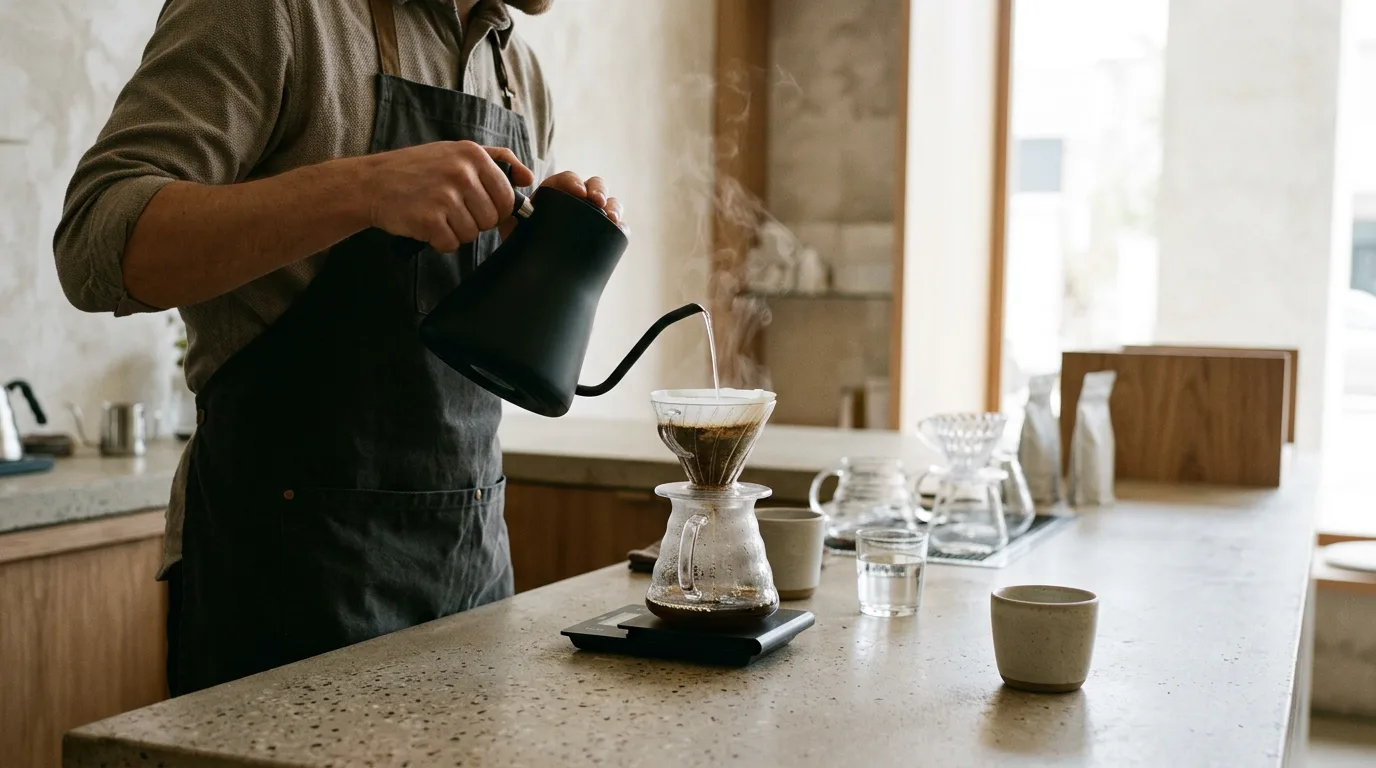
Third wave coffee treats coffee like wine or craft food: an agricultural product whose origin, variety, processing and roasting all shape the flavor. The first wave made coffee cheap and convenient. The second wave turned it into an experience, with espresso drinks and café culture. The third wave focuses on quality and craft: traceable beans from specific farms, lighter roasts that show off origin flavors, careful brewing and fairer relationships with growers. You don't need expensive gear to enjoy it. Fresh, well-sourced beans and a decent grinder get you most of the way.
Why I wrote this
The first time I walked into a third wave café, I almost walked out again. The menu listed farms, altitudes and words like "anaerobic natural." The barista asked whether I wanted my coffee "on the V60 or the batch." I just wanted a coffee.
I stayed, ordered what the barista suggested, and got a cup that tasted of blueberries and dark chocolate. No sugar, no syrup. It changed how I thought about coffee.
Years and a lot of cups later, I think the third wave is one of the best things to happen to coffee, and also one of the most needlessly intimidating. This guide tries to fix the second part.
I'm not interested in telling anyone their coffee is wrong. If you love a dark roast with milk and sugar, enjoy it. The point of understanding the third wave is to open up more options, not to close any down.
I'll explain where the "waves" idea comes from, what third wave coffee cares about from farm to cup, and how to start exploring it with ordinary equipment and an open mind.
The three waves of coffee
The "waves" are a simple way to describe how coffee culture changed over the last century or so, mainly in North America and Northern Europe. The term was popularized in the early 2000s by coffee professional Trish Rothgeb, who borrowed the idea from the waves of feminism.
Each wave didn't replace the one before. All three exist side by side today, often in the same city, sometimes in the same shop.
| Wave | Roughly when | Big idea | Typical coffee |
|---|---|---|---|
| First wave | 1800s to 1960s | Coffee as a commodity | Canned ground coffee, instant, diner drip |
| Second wave | 1960s to 1990s | Coffee as an experience | Espresso drinks, café chains, dark roasts |
| Third wave | Late 1990s onward | Coffee as a craft | Single origins, light roasts, pour-over |
First wave: coffee as a commodity
The first wave made coffee affordable, accessible and convenient for ordinary households. Vacuum-packed cans of pre-ground coffee filled supermarket shelves. Instant coffee, refined during the mid-20th century, made a cup possible in seconds.
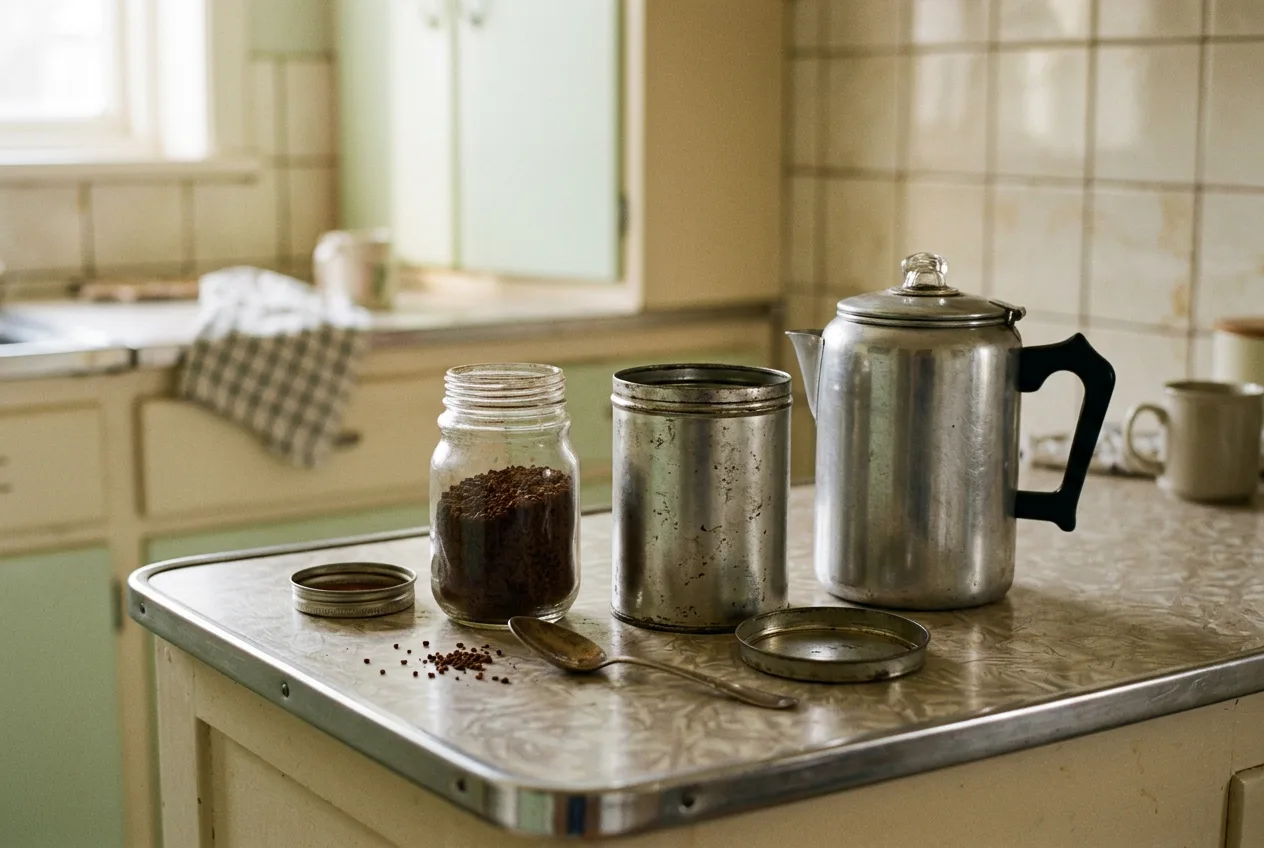
For most people, coffee was fuel. They cared about price, caffeine and convenience, not where the beans came from or how they were processed. Brands competed on value and consistency.
It's easy to sneer at the first wave, but it achieved something huge. It put coffee within reach of almost everyone, every day.
Second wave: coffee as an experience
The second wave brought espresso culture and customized coffee drinks to a much wider audience, especially in the United States. Coffee shops became social places to meet friends, work and linger over a latte.
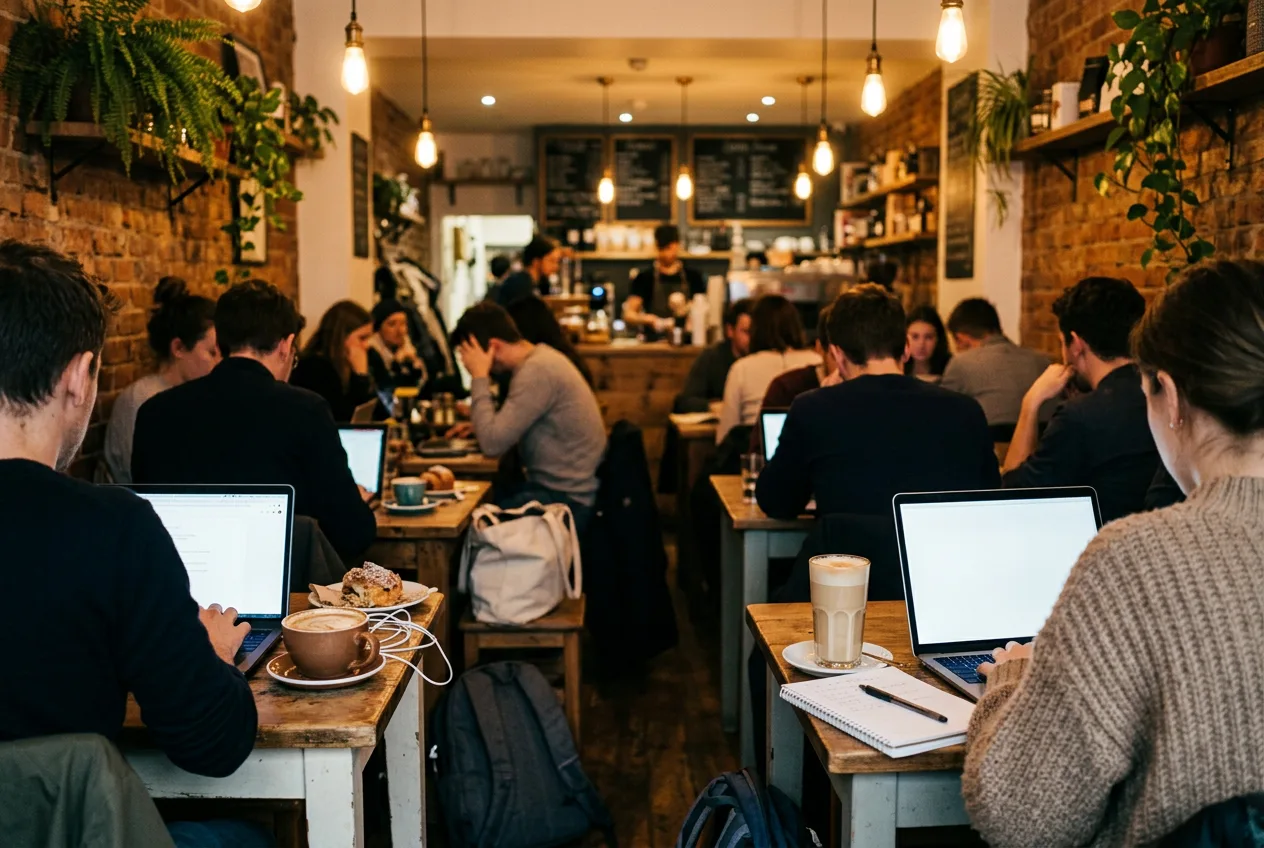
Starbucks became the defining name of this era, spreading Italian-inspired drinks, café culture and a new vocabulary: lattes, cappuccinos, macchiatos, and sizes to match.
The second wave also started talking about origins on menus, and introduced many people to better beans than the canned coffee they grew up with. But the coffee was often roasted dark, and the experience, the space, the brand and the customization, was as important as what was in the cup.
Third wave: coffee as a craft
The third wave treats coffee as an agricultural product and a craft, closer to wine, chocolate or specialty tea than to a generic commodity.
Drinkers started caring about the producer, the farm, the altitude, the variety, the processing method and how the coffee was roasted. Baristas focused on brewing well and on letting each coffee's natural character come through, rather than covering it with milk, sugar and dark roasting.
Several ideas define the third wave:
- Quality first. Better beans, carefully grown, harvested and processed.
- Traceability. Knowing which country, region, farm and even which lot your coffee came from.
- Lighter roasting. Roasting to highlight the bean's own flavors rather than the roast.
- Precise brewing. Scales, timers, good grinders and attention to extraction.
- Transparency and relationships. Paying farmers more and building long-term connections.
- Seasonality. Coffees change through the year as harvests come and go.
The result, at its best, is coffee that tastes vivid and distinct: a Kenyan that tastes of blackcurrant, an Ethiopian that smells like jasmine, a Brazilian that tastes of hazelnut and milk chocolate. All without anything added.
Where the third wave came from
The third wave didn't start in one place. It grew from several coffee cultures influencing each other from the 1990s onward.
In the United States, a new generation of independent roasters began buying coffee directly from farms, roasting lighter and talking about origin the way wine shops talk about vineyards. Their cafés introduced pour-over bars, precise espresso recipes and an obsession with freshness.
In Scandinavia, especially Norway and Denmark, roasters pushed light roasting further than almost anyone, producing bright, tea-like coffees that became a reference point for the movement. Nordic countries already drank a lot of filter coffee, so a clean, high-quality cup fit naturally.
Australia and New Zealand built a café culture centered on excellent espresso with milk, giving the world the flat white and raising standards for everyday café coffee.
Japan contributed a deep tradition of careful hand brewing in its kissaten coffee shops, where masters had perfected pour-over, flannel drip and siphon methods for decades. Japanese drippers and kettles became staples of third wave cafés worldwide. I explore that culture in Japanese kissaten coffee culture.
Competitions helped spread ideas too. Barista championships, which began around 2000, turned brewing technique into something to study, share and improve, and many competitors went on to open influential cafés and roasteries.
Is there a fourth wave?
Coffee people love to argue about whether a fourth wave has arrived. Different people mean different things by it: a focus on coffee science and measurement, on sustainability and farmer income, on bringing specialty quality to everyday convenience formats, or on experimental processing.
There's no agreed definition, and the waves were always a loose story rather than a strict timeline. What's clear is that third wave values have spread far beyond small pour-over bars. Supermarkets now sell single-origin beans with roast dates, offices install good batch brewers and specialty roasters make capsules. In that sense, the third wave has gone mainstream.
What makes coffee "specialty"
Specialty coffee is about quality, traceability, flavor and craft, not price or equipment. An expensive coffee isn't automatically specialty, and brewing by hand doesn't guarantee a better cup. A well-maintained automatic machine can make excellent specialty coffee.
Traditionally, coffee is graded using the Specialty Coffee Association (SCA) scoring system. Trained tasters score coffee on a 100-point scale, and coffees scoring 80 or higher are generally considered specialty grade. They assess things like fragrance, flavor, acidity, body, balance and aftertaste, and green beans are also checked for defects.
Specialty coffee needs care at every step: growing, picking ripe cherries, processing, drying, storing, roasting and brewing. One weak link can spoil the rest.
It helps to know how small the specialty slice is. Most of the world's coffee is traded as a commodity, graded mainly by bean size and defects, and blended into large-volume products. Specialty coffee, by most estimates, is only a modest share of global production, though its influence on how we talk about coffee is far larger.
Scores aren't everything either. An 84-point coffee you love is better for you than a 90-point coffee you find too wild. Scores tell you about quality and cleanliness; your taste tells you about enjoyment.
Here's the good news: specialty coffee is one of the most affordable luxuries around. You can taste some of the world's best coffees at a local café or roaster for a few dollars. I go deeper in what is specialty coffee.
Origins and growing conditions
Coffee grows mainly in a band around the equator known as the Coffee Belt. Major producers include Brazil, Vietnam, Colombia, Ethiopia, Honduras, Kenya, Mexico, Guatemala and Costa Rica.
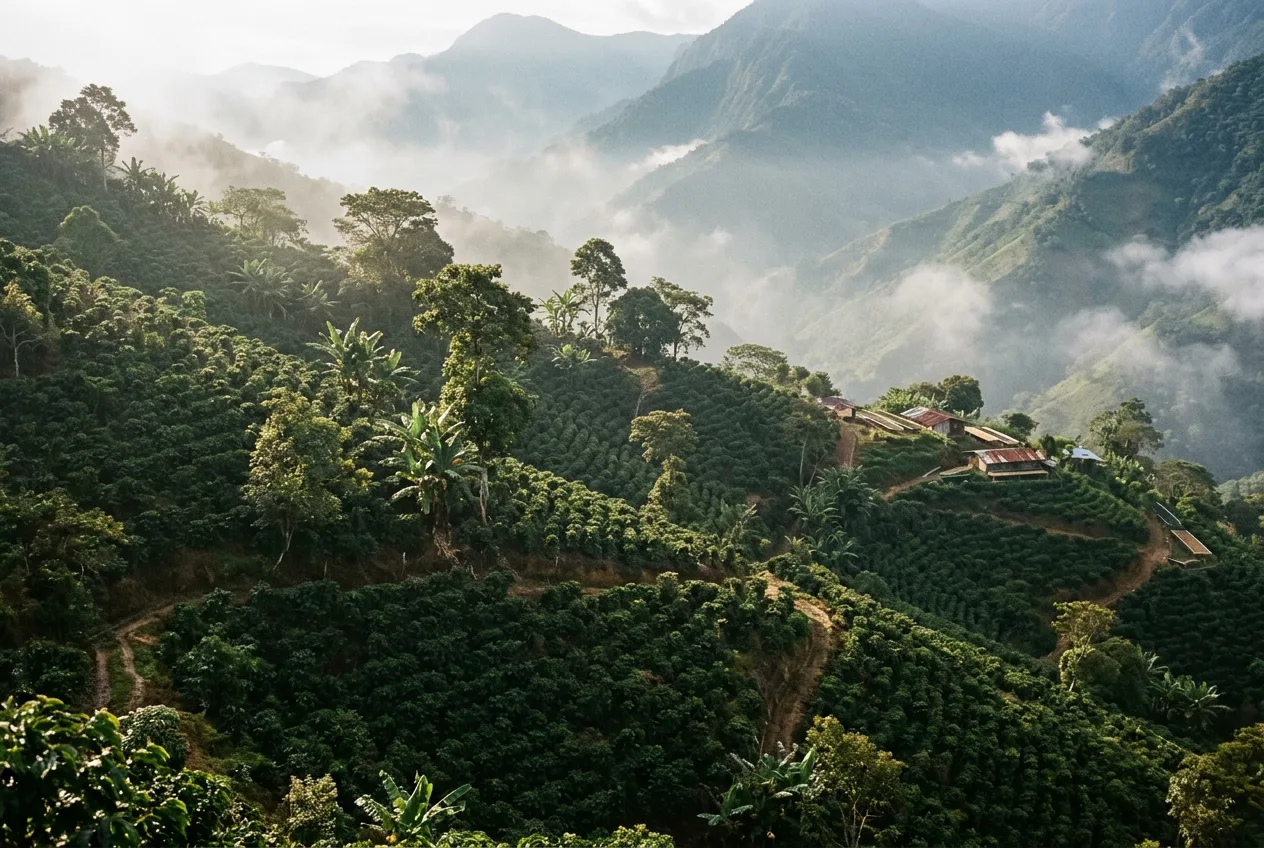
Coffee needs the right temperature, soil and rainfall. Altitude matters a lot for Arabica. Higher farms are cooler, so the cherries ripen more slowly, which tends to produce denser beans with more complex flavor and livelier acidity.
Coffee is seasonal. Harvests happen at different times in different countries, which is why specialty roasters rotate their offerings through the year.
| Origin | Common flavor tendencies |
|---|---|
| Ethiopia | Floral, delicate, tea-like, bergamot and citrus (especially washed) |
| Kenya | Bright, juicy acidity, blackcurrant, tomato, intense fruit |
| Colombia | Hugely diverse: from balanced and chocolatey to bright and fruity |
| Brazil | Chocolate, nuts, sweetness, heavier body, low acidity |
| Costa Rica | Sweet, citrusy, known for honey processing and experimentation |
| Guatemala | Chocolate, spice, crisp acidity, sometimes mineral notes |
These are tendencies, not rules. Variety, farm and processing can change a coffee's flavor completely. My guide to coffee growing regions and flavor covers this in detail.
Varieties and traceability
Coffee varieties are genetic variations within a coffee species, much like Granny Smith and Honeycrisp are both apples but taste very different. Typica, Bourbon, Caturra, SL28 and many others each bring their own character.
The most famous is Gesha (often spelled Geisha). It's prized for an intensely floral, delicate, tea-like flavor. The best Gesha lots sell at auction for staggering prices, sometimes thousands of dollars per pound, and the plants can be difficult to grow. I wrote about it in Geisha (Gesha) coffee explained.
Third wave coffee labels follow a ladder of traceability:
- CountryThe broadest level, such as Colombia.
- RegionFor example, Huila.
- Farm or estateA specific farm or washing station.
- ProducerThe person or family who grew it.
- LotA specific harvest, plot or batch.
The more specific the label, the easier it is to trace the coffee to its source. But traceability doesn't automatically mean quality. A coffee can be fully traceable and mediocre.
What about organic?
Organic certification means the coffee meets specific farming and certification rules. Certification can be expensive and complicated, so many small farmers grow coffee organically without being certified.
Organic doesn't automatically mean better flavor. Quality depends on growing, picking, processing and roasting. People choose organic for environmental or personal reasons, which is valid, but it isn't a measure of how the cup tastes.
Processing: how the fruit becomes a bean
Coffee is a fruit. The bean is actually the seed inside a cherry, wrapped in several layers: the outer skin, the sweet pulp, a sticky layer called mucilage, a papery parchment and a thin silver skin.
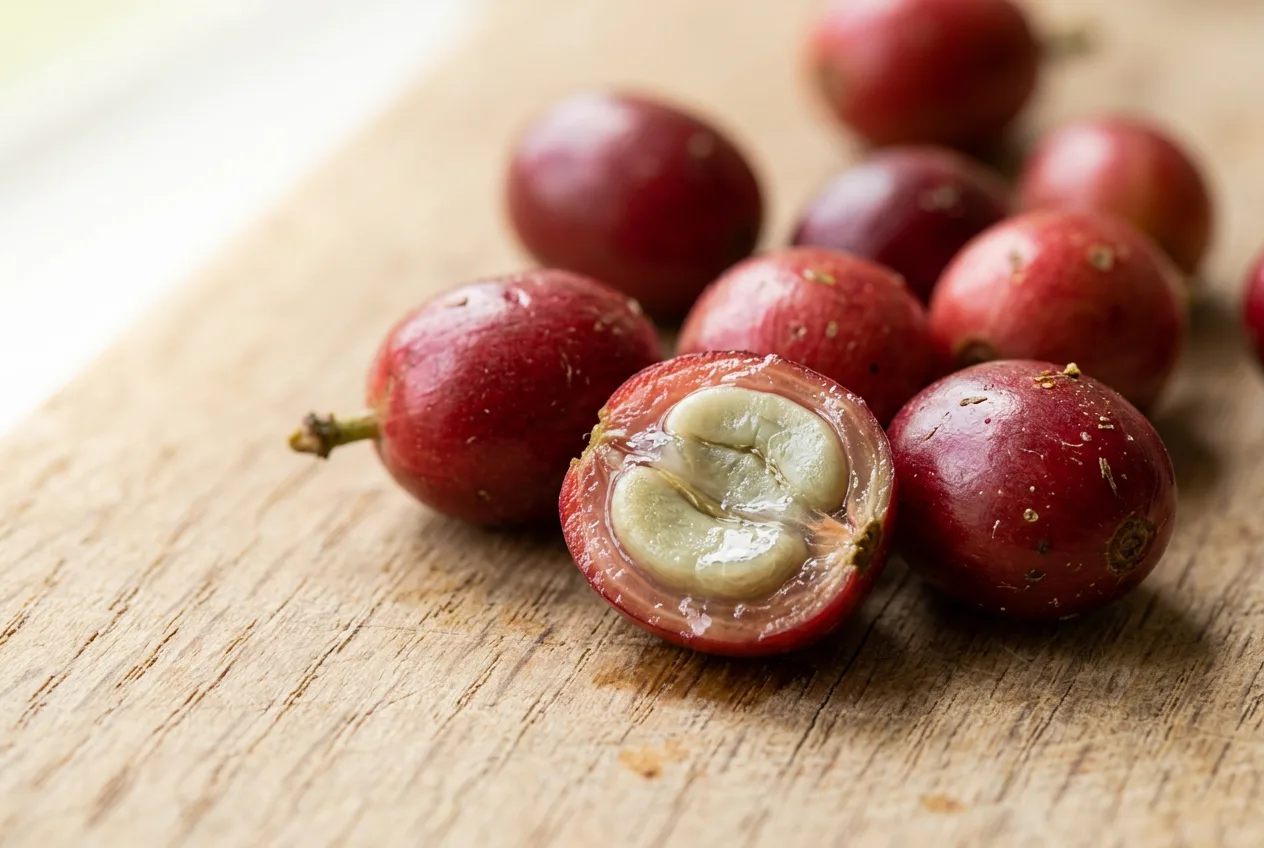
Processing is how those layers are removed and how fermentation shapes flavor along the way. Third wave coffee made processing a headline feature, because it can transform the taste of the same beans from the same farm.
Washed
Most of the fruit is removed right after picking. The remaining mucilage is broken down by fermentation and washed off with water, then the beans are dried.
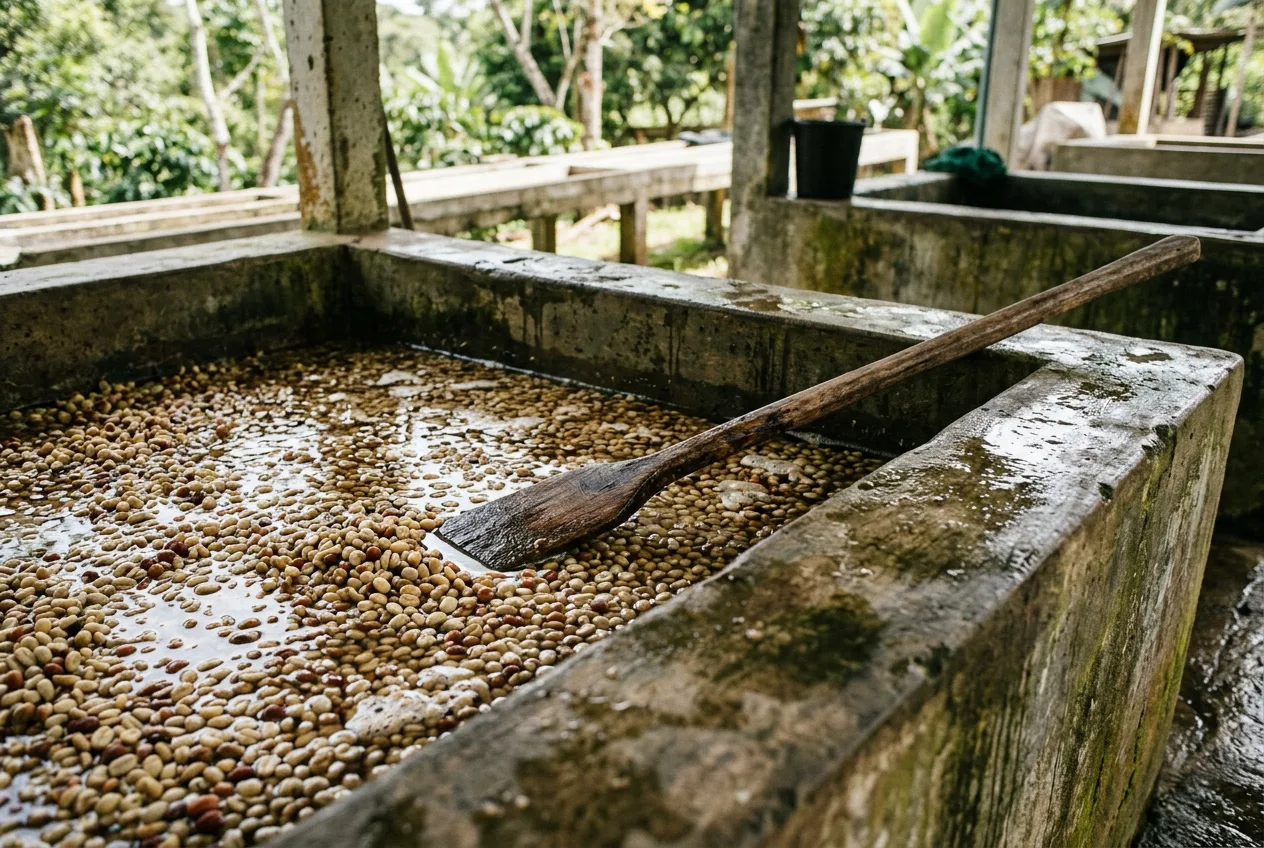
Washed coffees taste clean, bright and clearly defined. They tend to show off the origin and variety without strong fruity fermentation flavors.
Natural
The whole cherry is dried with the fruit still on the bean, often on raised beds. As the fruit dries and ferments, it influences the bean.
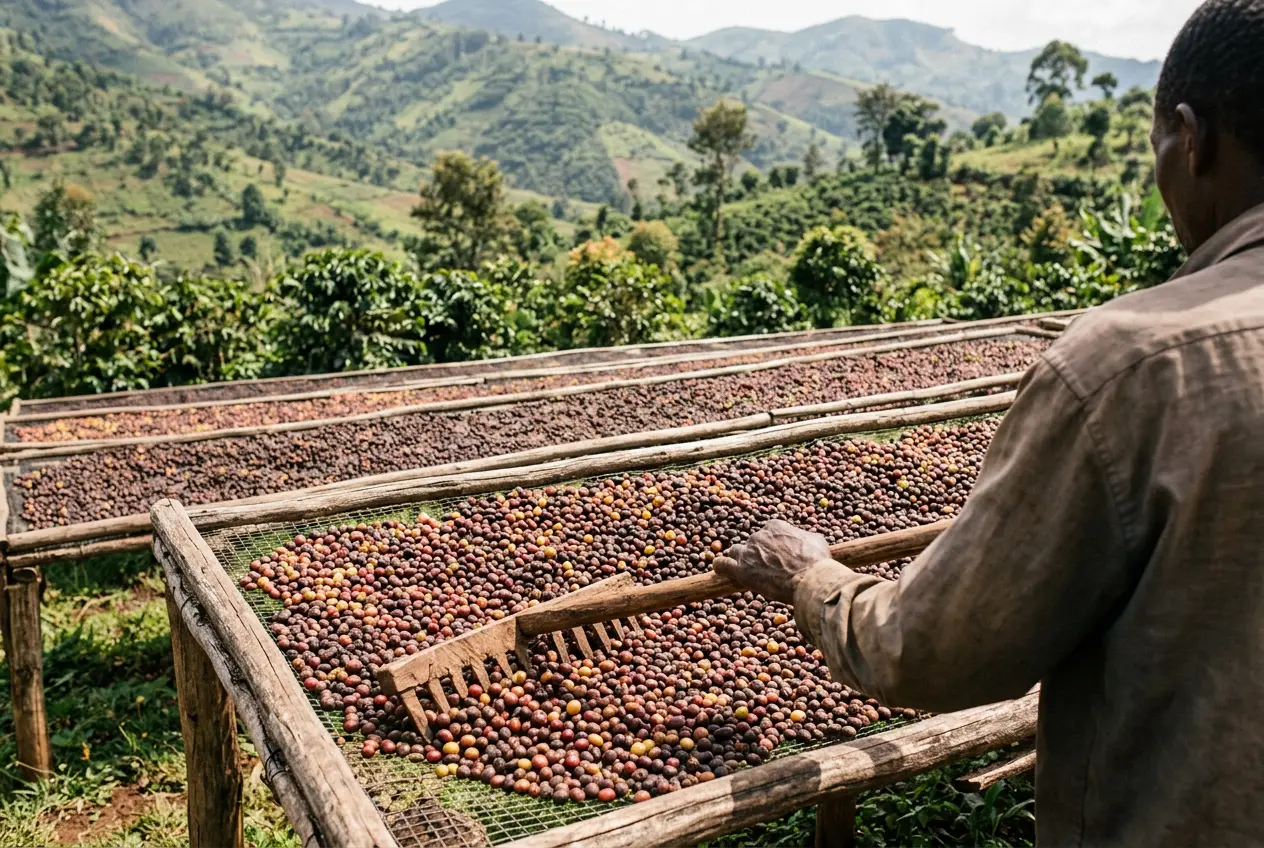
Naturals are often intensely fruity, sweet and wine-like, with notes of berries or tropical fruit. They're often a revelation for newcomers because they taste so unlike traditional coffee.
Honey
The skin and pulp are removed, but some of the sticky mucilage stays on the bean while it dries. The flavor sits between washed and natural, often with extra sweetness and gentle fruit. Yellow, red and black honey refer to how much mucilage is left and how the beans are dried.
Experimental processing
- Anaerobic fermentation: coffee ferments in sealed tanks without oxygen, creating unusual, intense flavors.
- Co-fermentation: coffee ferments alongside other ingredients, such as fruit, which can add flavors like watermelon or cinnamon.
- Carbonic maceration: borrowed from winemaking, whole cherries ferment under carbon dioxide in sealed tanks.
These methods can produce extraordinary cups, and divisive ones. I explain all the main methods in coffee processing methods.
Single origins and blends
A single-origin coffee comes from one place. That might be a tiny lot from one farm or coffee pooled from many farmers in a cooperative.
Cooperatives help small farmers share equipment, resources and access to buyers they couldn't reach alone. Cooperative coffee can be excellent.
Blends combine coffees from different origins, varieties or processes to create a particular flavor, often sweetness, chocolate, balance and consistency. They're especially popular for espresso and milk drinks.
Blends sometimes get a bad name because they blur traceability. But a great modern blend combines excellent coffees into something none of them could be alone. Both deserve a place in your cupboard. More in single origin vs blend.
Direct trade and Fair Trade
Direct trade describes a buying approach where roasters build relationships with producers and buy from them directly, often paying well above market prices for quality. It isn't an official certification, so what it means varies from roaster to roaster.
Fair Trade is an established certification with minimum price rules meant to protect producers when markets fall. Many specialty roasters pay well above the Fair Trade minimum, though.
The best roasters publish what they paid, so you can see how much reached the farm. I explain the economics in fair trade coffee explained and why coffee prices are rising.
Third wave roasting
There's no universal standard for light, medium or dark. One roaster's light can be darker than another's medium.
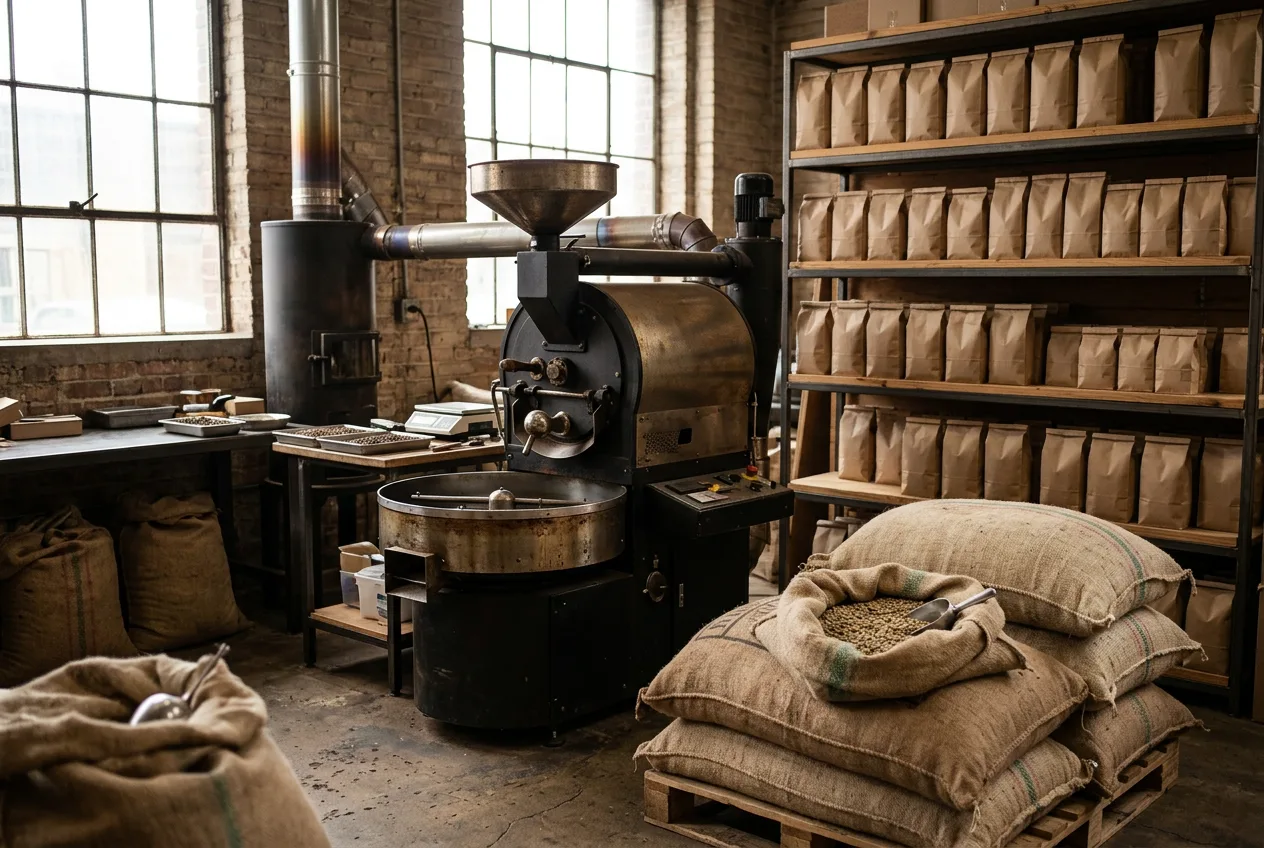
During roasting, beans go through two audible milestones. First crack is a popping sound as moisture and gases burst out of the bean; it marks the start of a drinkable roast. Second crack comes later and signals a darker roast: beans turn oily and smoky, roasty, carbon-like flavors take over.
Third wave roasters usually avoid going deep into second crack, because heavy roasting covers up the coffee's natural character.
- Light roast: floral notes, brightness and acidity come forward.
- Medium roast: aims for balance, sweetness and body.
- Dark roast: chocolate, deeper sweetness and roast flavors dominate.
Many third wave roasters also roast separately for filter and espresso. Filter roasts are often a touch lighter to emphasize clarity and acidity in a black cup. Espresso roasts are often a little more developed so the coffee tastes sweet and balanced when concentrated and mixed with milk. Some roasters use a single "omni" roast for both.
The goal is to complement the coffee, not overpower it. See coffee roast levels explained for more.
Resting and roast dates
Freshly roasted coffee releases carbon dioxide. That's why specialty bags have one-way valves that let gas out without letting air in.
Coffee brewed too soon after roasting can taste uneven, because escaping gas interferes with extraction. A rest of about 7 to 10 days is often recommended, and many coffees stay excellent for several weeks after that. Always check the roast date. I cover this in coffee freshness, resting and degassing.
How third wave brews coffee
Two basic brewing categories underpin everything: percolation and immersion.
Percolation means water flows through a bed of coffee, as in pour-over and drip machines. Paper filters remove oils and fine particles, giving a clean, lighter-bodied cup with clearly defined flavors, which is why third wave cafés love them for light roasts.
Immersion means grounds steep in water before being separated, as in a French press. Metal filters let more oils and fines through, giving a fuller, heavier body.
Espresso is a brewing method, not a roast level. Hot water is forced through finely ground, compacted coffee under pressure, producing a small, intense drink and the base for milk drinks.
Cupping
Cupping is the industry's standard way to taste and compare coffees. Ground coffee goes into bowls, hot water is added, and a crust of grounds forms on top. After a few minutes, tasters break the crust, skim it, and slurp the coffee from a spoon. It lets producers, roasters and buyers compare coffees fairly. More in coffee cupping explained.
Don't dismiss batch brew
Automatic batch brewing isn't inferior to hand brewing. Modern batch brewers make excellent, consistent coffee, and in a busy café, a well-calibrated machine delivers a reliable cup every time, regardless of which barista is working.
Our tip: If a third wave café offers both batch brew and pour-over of the same coffee, try the batch. It's usually cheaper, faster and often just as good.
Equipment basics
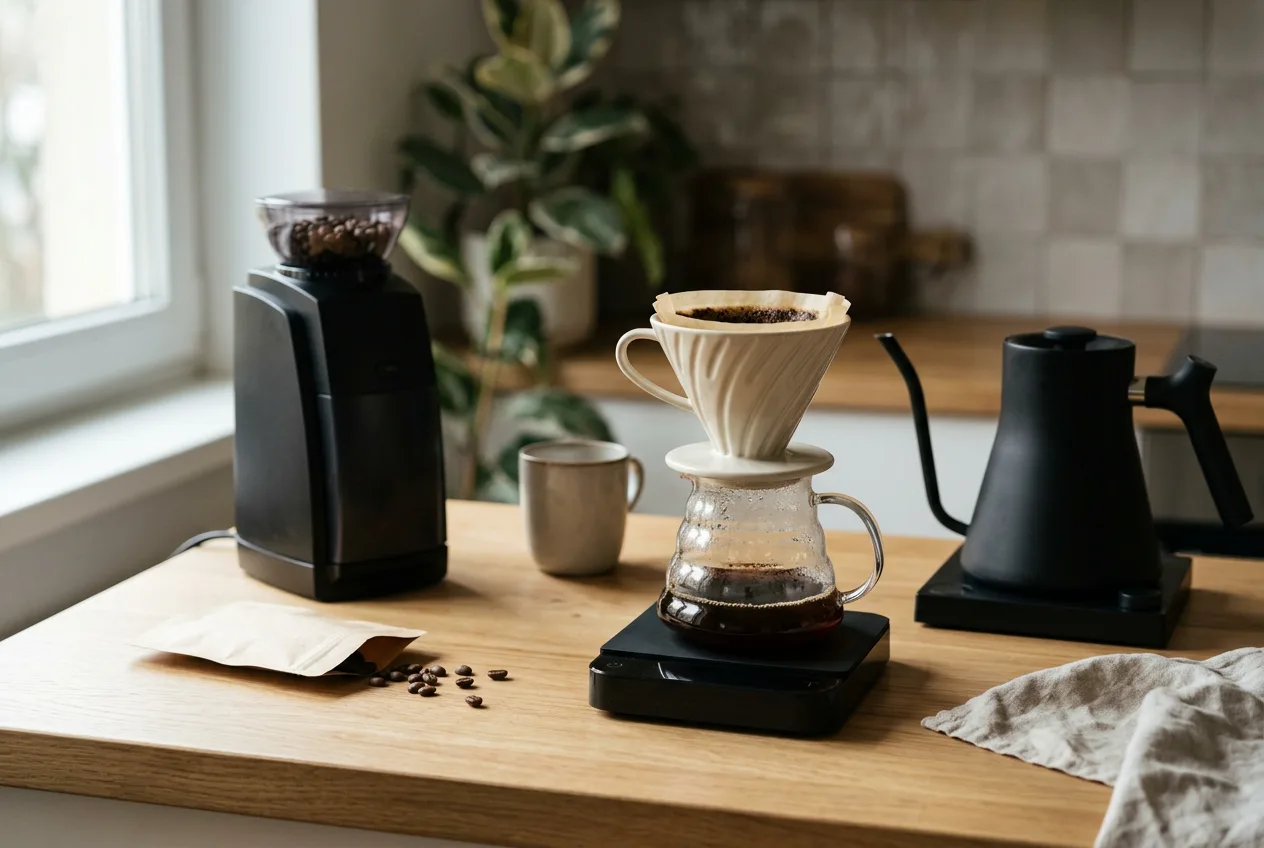
The third wave is often associated with expensive gear, but a sensible home setup is simple: a burr grinder, a pour-over cone, a kitchen scale and a kettle. Espresso equipment can come later, if ever.
Grinders
A good grinder is the most important investment. Avoid blade grinders, which chop beans into uneven particles that extract unpredictably.
Burr grinders come in two main designs. Conical burrs are often associated with fuller, rounder, creamier coffee. Flat burrs are often linked with brighter, cleaner, more separated flavors. These are tendencies, not rules.
All-purpose grinders handle everything from espresso to cold brew. Single-dose grinders, popular at home, let you grind exactly what you need with little coffee left inside, which makes switching between beans easy.
Pour-over brewers
Popular choices include the Hario V60, Kalita Wave and Origami dripper. They're all paper-filter percolation brewers with small differences. Pick one, learn it well, and only then experiment. I compare them in coffee brewing methods compared.
Espresso machines
Single-boiler machines use one boiler for brewing and steaming, so switching between them takes time. Dual-boiler machines have separate boilers, so you can pull shots and steam milk without waiting. Higher-end machines may offer pressure profiling, letting you vary pressure during the shot to shape flavor.
The third wave café menu
| Drink | What it is |
|---|---|
| Espresso | A small, concentrated shot brewed under pressure |
| Long black | Espresso poured over a small amount of hot water |
| Americano | Espresso diluted with hot water for a larger drink |
| Macchiato | Espresso "marked" with a little steamed milk |
| Cortado | Espresso with roughly equal steamed milk, often in a small glass |
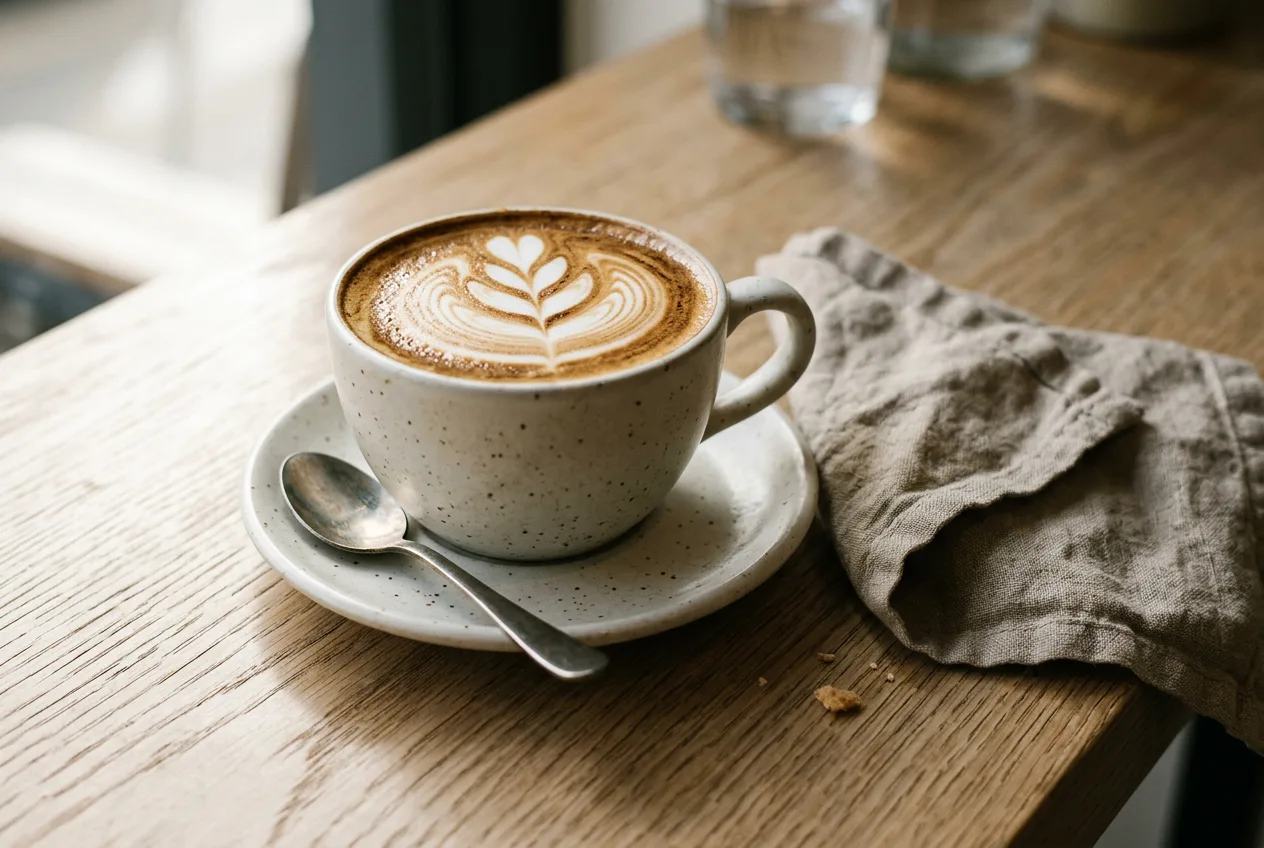
| Flat white | A small espresso and milk drink with a thin layer of microfoam |
| Cappuccino | Espresso with steamed milk and a thicker foam layer |
| Latte | Espresso with more steamed milk in a larger cup |
| Filter / pour-over | Black coffee brewed by hand or batch, often single origin |
Recipes vary by café and country. Many specialty cafés now make cappuccinos with smooth microfoam rather than the stiff, dry foam of old. Lattes may come with alternative milks and syrups, and seasonal specials keep menus fresh. See cappuccino vs latte vs flat white for the details.
How to judge a third wave café
A trick professionals use: order three drinks.
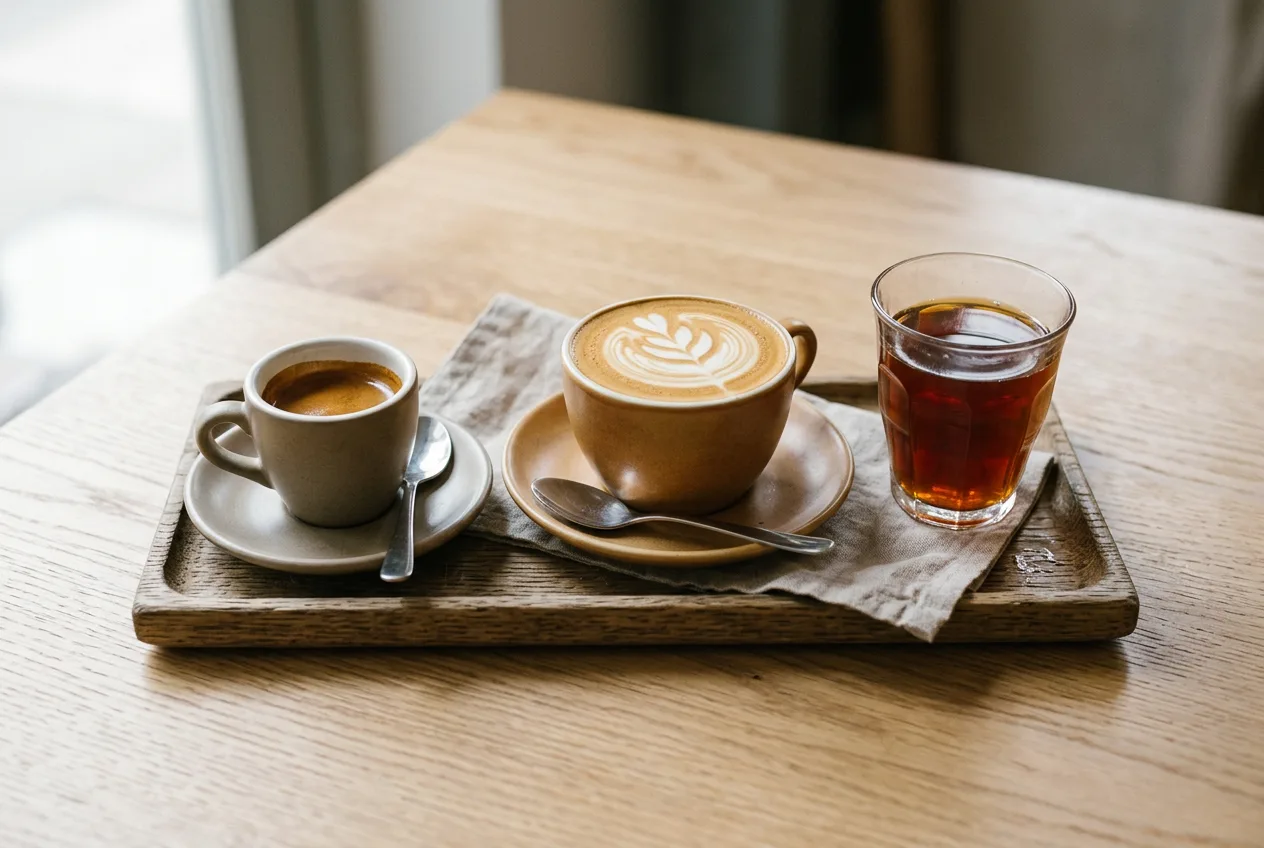
- An espressoShows how well they extract: is it sweet and balanced, or sour, bitter or thin?
- A cappuccinoShows milk skills: silky texture, the right temperature, good balance with the coffee.
- A filter coffeeShows the quality of the beans themselves and how carefully they brew.
A few other signs are worth noticing. Does the café grind beans fresh for each order? Can staff tell you something about the coffee you're drinking? Is the espresso machine clean, and are the milk pitchers rinsed between drinks? Do they offer a filter option, even a simple batch brew? Are they happy to recommend something without making you feel silly for asking? None of these guarantees great coffee, but together they say a lot about how much the people behind the counter care.
Together they give you a good picture of a café's standards. You don't have to drink all three yourself; bring a friend.
Specialty coffee vocabulary
Third wave coffee comes with its own jargon. These are the terms you'll hear most:
| Term | Meaning |
|---|---|
| Acidity | Bright, lively flavors like citrus or berries; a good thing, not a flaw |
| Extraction | Dissolving flavors from the grounds into water |
| Under-extraction | Too little dissolved; tastes sour, sharp, thin |
| Over-extraction | Too much dissolved; tastes bitter, harsh, drying |
| Dialing in | Adjusting grind, dose, water and time for the best flavor |
| Input / output | In espresso, dry coffee weight in and liquid espresso weight out |
| Crema | The golden foam on espresso, mostly gas released during extraction |
| WDT | Weiss Distribution Technique: stirring grounds with fine needles to break clumps |
| RDT | Ross Droplet Technique: a drop of water on beans before grinding to cut static |
| Channeling | Water finding easy paths through an espresso puck, causing uneven extraction |
| TDS | Total dissolved solids: how concentrated the brewed coffee is |
| EY | Extraction yield: the percentage of the dose that dissolved into the drink |
| Terroir | The combined effect of geography, soil, climate and altitude on flavor |
You don't need any of this to enjoy coffee. But knowing a few terms makes café menus and roaster notes much less mysterious. My coffee extraction guide explains the most important one.
Common myths about specialty coffee
"Dark roast has more caffeine." Not reliably. Roasting changes the bean's weight more than its caffeine. The details are in light vs dark roast caffeine.
"Espresso has more caffeine than drip." It's more concentrated, but a typical 12 oz drip coffee usually contains more total caffeine than a double espresso.
"Expensive coffee is always better." Price doesn't guarantee quality. A moderately priced coffee can easily beat an expensive, heavily marketed one, and taste is personal.
"You need expensive equipment." A grinder, scale, kettle and simple brewer will do. Upgrade gradually as you learn what you like.
"Coffee should be drunk right after roasting." Fresh coffee needs time to release gas. About 7 to 10 days of rest usually gives better results.
What the third wave changed for everyday coffee
Even if you never set foot in a pour-over bar, the third wave has probably changed the coffee you drink.
Roast dates on bags, once rare, are now common in supermarkets. Whole beans and home burr grinders are mainstream. Big chains added "blonde" or lighter roasts and single-origin options. Office coffee improved as good batch brewers replaced stewed carafes.
Words like "natural process" and "tasting notes" moved from industry jargon onto ordinary packaging. Coffee subscriptions deliver freshly roasted beans to people's doors. And many more people now know the name of a country, a region or even a farm behind their morning cup.
There's a downside: "artisan" and "craft" are now marketing words, and some products borrow the look of the third wave without the substance. A roast date and a clear origin are better signals than a hand-drawn label.
The third wave and sustainability
Coffee faces serious challenges: climate change is shrinking suitable growing land, plant diseases such as leaf rust threaten harvests, and many farmers earn too little to invest in their farms. I covered these in climate change and the future of coffee.
The third wave's focus on quality and relationships offers part of an answer. When roasters pay higher, stable prices for better coffee, farmers can afford to replant, improve processing and keep the next generation in coffee. Some roasters fund research into disease-resistant varieties or help producers try new processing methods that earn premium prices.
It isn't a complete solution. Specialty coffee is a small share of the world's coffee, and most farmers still sell into the commodity market. But it shows what's possible when quality is rewarded, and as a buyer, choosing roasters who are open about what they pay is one practical way to support it.
Fair criticisms of the third wave
I'm a fan, but the third wave isn't above criticism.
It can feel snobbish. Jargon, long tasting notes and baristas who seem disappointed when you ask for milk can put people off. Good cafés make everyone welcome; not all do.
Some light roasts are under-developed. In the rush to show origin flavors, some roasters go so light that coffee tastes sour, grassy or thin. Light shouldn't mean unpleasant.
Price. Specialty coffee costs more, and not everyone can or wants to pay for it.
Trade claims can be vague. "Direct trade" and "ethically sourced" aren't regulated terms. Transparency about actual prices paid is more meaningful than labels.
None of this undoes what the third wave got right. It just means you should trust your own taste, and choose cafés and roasters that make you feel welcome.
How to read a specialty coffee bag
A third wave coffee bag can look like a page from a wine catalog. Here's what each piece of information tells you:
| On the label | What it tells you |
|---|---|
| Roast date | The most useful line on the bag. Look for coffee roasted within the last few weeks. |
| Country and region | A rough guide to flavor style |
| Farm or producer | Traceability; you can often look up the farm |
| Altitude | Higher often means denser beans and brighter acidity |
| Variety | The type of coffee plant, such as Bourbon, Caturra or Gesha |
| Process | Washed, natural, honey or experimental; a big flavor clue |
| Tasting notes | Flavors the coffee resembles, not added flavorings |
| Roast level or use | Whether it's roasted for filter, espresso or both |
Tasting notes confuse many people. "Strawberry, cocoa, jasmine" doesn't mean anything was added. It describes flavors the coffee naturally suggests, the way a wine might "taste of blackberries." You won't always taste every note, and that's fine. I explain how tasters find these flavors in the coffee flavor wheel.
Our tip: When you find a coffee you love, note its origin, variety and process. Those three details are the best predictor of what you'll enjoy next.
A simple first week of specialty coffee at home
If you want a gentle way in, this is the routine I suggest to friends:
- Days 1–2: Brew a washed Central or South American coffee with your usual method. Notice the sweetness and balance.
- Days 3–4: Switch to a washed Ethiopian or Kenyan. Notice how much brighter and fruitier it is.
- Days 5–6: Try a natural-processed coffee. Notice the berry and wine-like flavors.
- Day 7: Brew all three side by side in small cups and compare.
After a week, most people discover a clear preference, and that preference is a better guide than any score or review.
How to start exploring specialty coffee
- Buy three very different coffeesA classic washed coffee, a fruity natural and, if you're curious, an experimental process. Taste them side by side.
- Get the basicsAn entry-level burr grinder, a scale, a kettle and a simple pour-over or immersion dripper.
- Learn one method wellBrew the same way for a few weeks and change one variable at a time.
- Taste extractionMake one cup too coarse and one too fine. Learning what sour and bitter taste like is the fastest way to improve.
- Talk to your barista or roasterMost love to recommend something. Tell them what you liked and didn't.
Above all, specialty coffee should be fun, not intimidating. Professional standards help explain quality, but you don't have to love every highly rated coffee or follow every trend. Explore, learn gradually, and build your own taste.
Key takeaways
- The first wave made coffee a cheap commodity; the second made it an experience; the third made it a craft.
- Third wave coffee focuses on quality, traceability, lighter roasting, precise brewing and fairer trade.
- Specialty grade generally means a score of 80+ on the SCA's 100-point scale.
- Origin, altitude, variety and processing all shape flavor; processing can transform the same beans.
- Single origins and blends both have a place.
- Let fresh coffee rest about 7 to 10 days, and check roast dates.
- Great coffee needs good beans and a burr grinder more than expensive machines.
- Judge a café by its espresso, cappuccino and filter coffee.
- Trust your own taste over scores, jargon and trends; enjoyment is the point.
- Choosing roasters who are open about what they pay farmers is a practical way to support better coffee.
Frequently asked questions
What is third wave coffee?
A movement that treats coffee as a craft and agricultural product, focusing on bean quality, traceability, lighter roasting, careful brewing and better relationships with farmers.
What are the three waves of coffee?
The first wave made coffee a convenient commodity, the second turned it into an experience with espresso drinks and café culture, and the third focuses on quality and craft.
Is third wave coffee the same as specialty coffee?
They overlap heavily. Specialty coffee is a quality grade (80+ points); third wave describes the culture and approach that grew up around it.
Why does third wave coffee taste sour?
Light roasts have more natural acidity, which should taste bright and fruity. If it tastes harshly sour, the coffee may be under-extracted or under-roasted.
Is third wave coffee worth the price?
For many people, yes: it's an affordable luxury with flavors you can't get from commodity coffee. But price alone doesn't guarantee quality.
What is a fourth wave of coffee?
There's no agreed definition. People use it for coffee science, sustainability, experimental processing or specialty quality in everyday formats.
Do I need special equipment for third wave coffee?
No. A burr grinder, scale, kettle and simple brewer are enough to start.
How fresh should specialty coffee be?
Most coffees taste best after resting about 7 to 10 days from roasting and stay good for several weeks after.

- Michael Reynolds, years of visiting specialty cafés and roasters and brewing at home
- Third-wave coffee, Wikipedia
- Specialty coffee, Wikipedia
- Specialty Coffee Association, SCA
- Coffee production, Wikipedia
Related guides
What is specialty coffee? Coffee processing methods Coffee cupping explainedWritten by Michael Reynolds. Last updated November 20, 2026.