Mold and Mycotoxins in Coffee: What the Evidence Says and How to Store Coffee Safely
Claims that ordinary coffee is "full of mold" pop up all the time, often followed by a pitch for expensive "mold-free" beans. I went through what's actually known about mold and mycotoxins in coffee: where they come from, which ones matter, what research says about real-world exposure and what you can do at home to keep your coffee safe and fresh.
We choose products independently. We may earn a commission through links on this page; your price stays the same. Affiliate policy
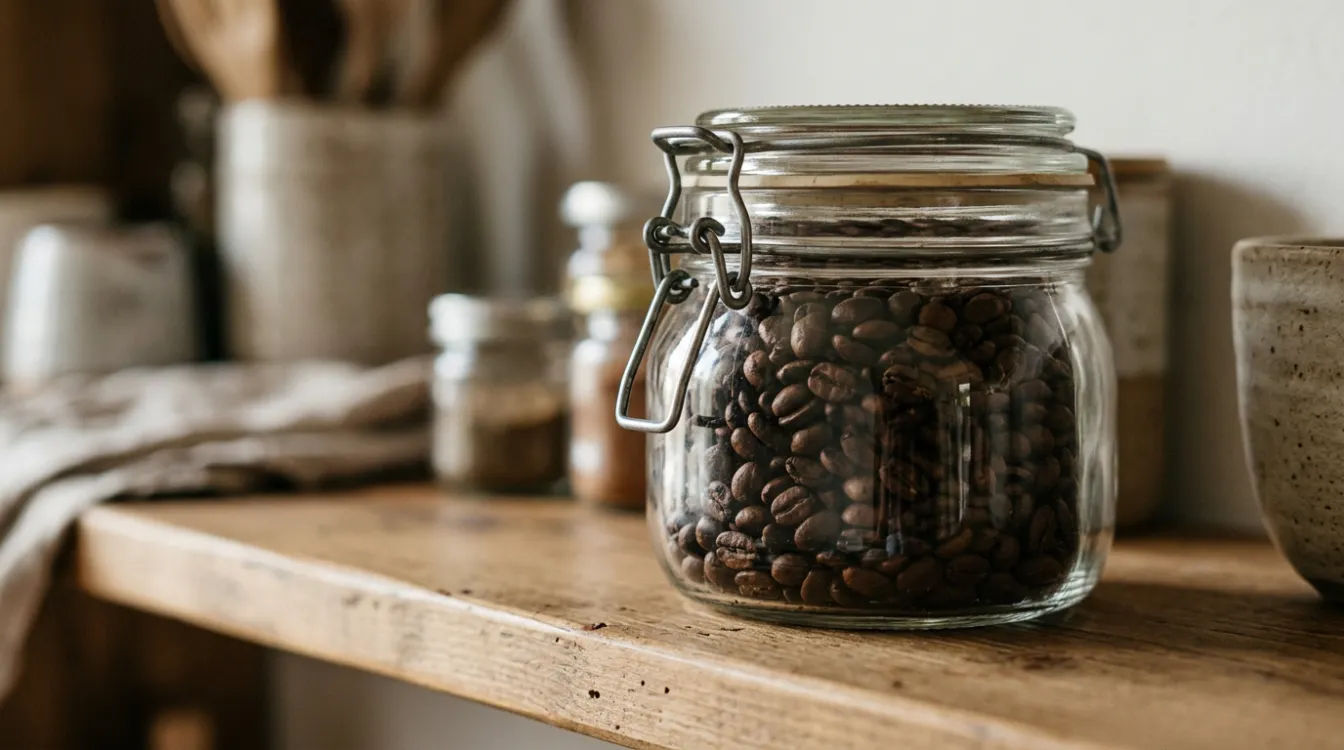
Coffee can be affected by mold during growing, drying, transport and storage, and some molds produce mycotoxins. The two that matter most are ochratoxin A, mainly a kidney concern, and aflatoxins, mainly a liver concern, at high exposure. Levels in commercial coffee are generally low, and studies suggest the risk from normal drinking is very small for healthy adults. Roasting and brewing don't reliably remove mycotoxins, so prevention matters most: buy from reputable sources, store coffee cool, dry and airtight, and discard anything moldy or musty.
Should you worry about mold in your coffee?
Every few months, someone sends me an article or a video claiming that ordinary coffee is "full of mold" and quietly poisoning us. The usual pitch ends with a special "mold-free" coffee that costs a lot more than a normal bag.
It's an unsettling idea, especially if, like me, you drink coffee every single day. So I went through what is actually known about mold and mycotoxins in coffee: where they come from, which ones matter, what the research says about real-world exposure and what you can do at home to keep your coffee in good shape.
The short version is reassuring. Mold contamination is a real food-quality issue in coffee, as it is in grains, nuts and dried fruit. But the levels found in commercially sold coffee are generally low, and for healthy adults drinking normal amounts, the risk appears to be very small. Good storage habits matter far more than expensive marketing claims.
Mold and mycotoxins in coffee at a glance
| Question | Short answer |
|---|---|
| Can coffee contain mold? | Yes, coffee is an agricultural product and can be affected at several stages |
| Which mycotoxins matter most? | Ochratoxin A and aflatoxins |
| Are levels in normal coffee dangerous? | Generally low; risk for typical consumption appears very small |
| Does roasting destroy mycotoxins? | It can reduce some, but doesn't guarantee elimination |
| Does brewing remove them? | Not reliably; filters aren't designed for it |
| Is decaf safer? | Not automatically; some studies found more ochratoxin A in certain decaf samples |
| What helps most? | Buying from reputable sources and storing coffee cool, dry and airtight |
Mold vs mycotoxins: what's the difference?
It helps to separate two ideas that are often mixed up.
- Mold is a type of fungus. It grows on organic material when conditions are right, especially when there's moisture and warmth.
- Mycotoxins are toxic chemical compounds produced by certain species of mold. Not every mold produces them, and not every mold that can produce them does so all the time.
The important point is that mycotoxins can remain in a food even after the mold itself is gone or no longer visible. You usually can't see, smell or taste them; laboratory testing is needed to identify and measure them.
That's why the conversation about coffee focuses less on visible mold and more on the specific toxins that could end up in the cup, and in what amounts.
How mold develops on coffee beans
Coffee begins life on farms in tropical and subtropical regions such as Colombia, Brazil, Vietnam, Mexico and many parts of Central America, Africa and Asia. Warm temperatures and humidity are perfect for growing coffee, but they can also favor mold.
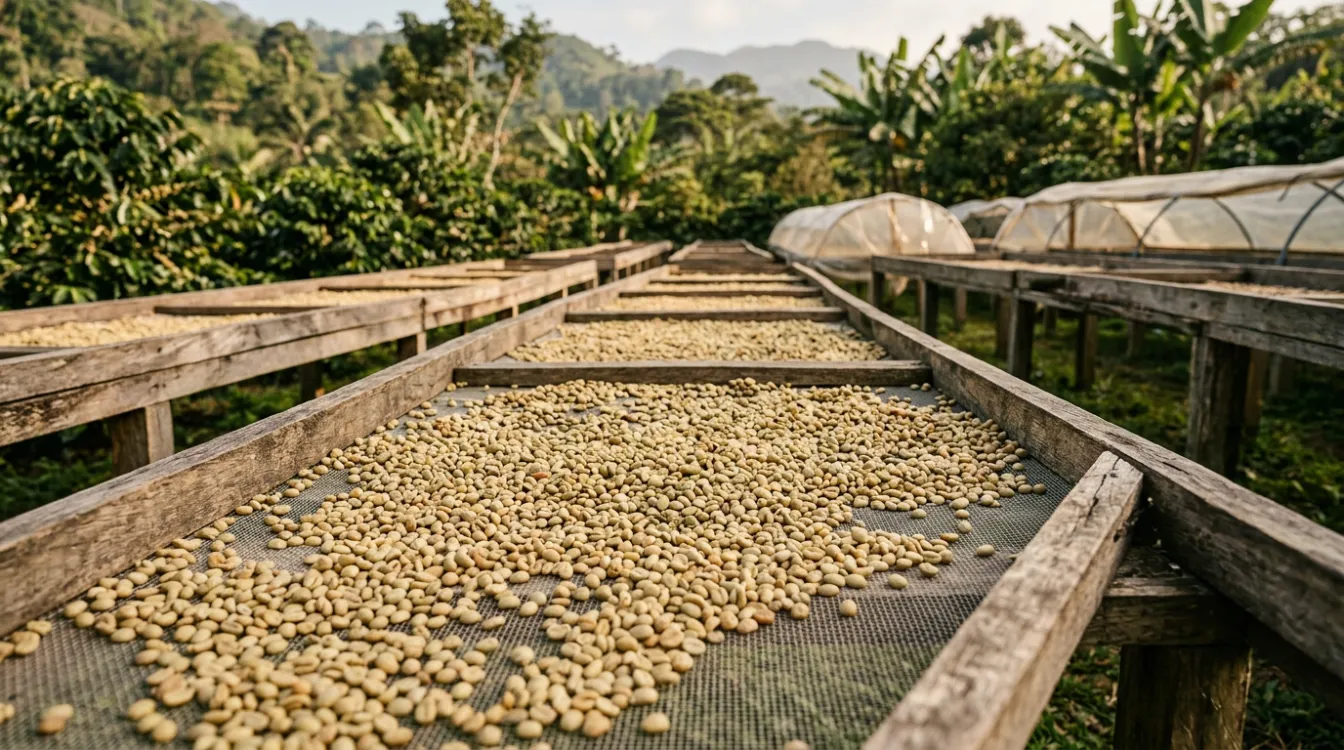
Contamination can happen at several stages.
Growing and harvesting
Rain, humidity, soil and handling all influence the risk of fungal growth. Cherries left on the ground, picked in wet weather or left in damp piles before processing are more vulnerable.
Processing and drying
Drying is one of the most critical steps. After harvest, coffee has to be dried down to a stable moisture level. If beans dry too slowly or unevenly, leftover moisture encourages mold. Good farms dry coffee on raised beds or clean patios, turn it regularly and protect it from rain. My guide to coffee processing methods explains how washed, natural and honey coffees are dried.
Transport and storage
Green coffee often travels a long way, from farm to mill, warehouse, port, importer and roaster. Exposure to water, condensation or poor temperature control along the way can create new opportunities for mold.
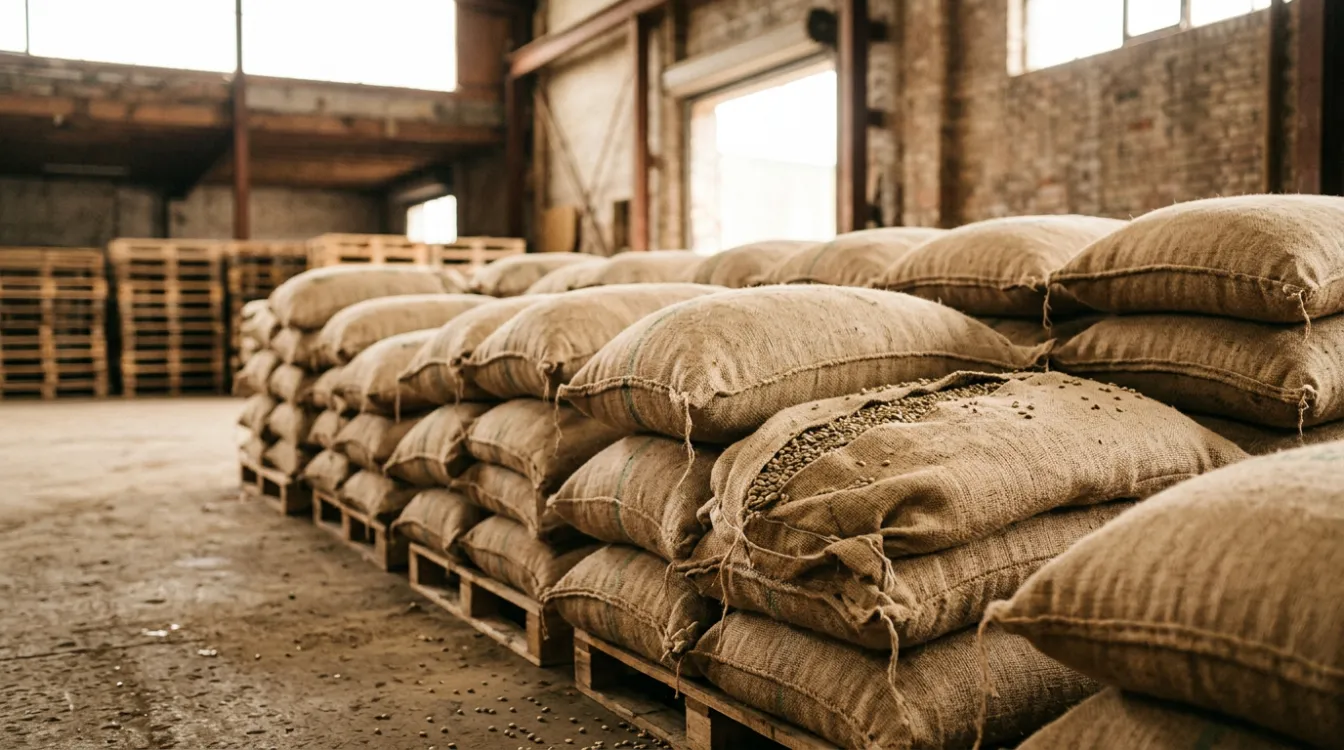
The longer coffee sits in unsuitable conditions, the more chance there is for both quality loss and contamination. That applies at home too, which is why storage gets its own section below.
Where the "moldy coffee" scare came from
Concern about mold in coffee isn't new among scientists. Researchers have studied ochratoxin A in coffee for decades, and regulators in several regions set limits for it.
The scare reached a wider audience more recently through diet and wellness marketing. Some brands built their message around the idea that ordinary coffee is contaminated and that their own beans are uniquely clean. Videos and articles amplified the claim, often without explaining dose, regulation or the actual levels found in commercial coffee.
The underlying facts, that coffee can contain mycotoxins and that ochratoxin A and aflatoxins can be harmful at high exposure, are true. What tends to get lost is proportion: the difference between a hazard existing and a meaningful risk at normal intake. That's the same distinction that matters for many food scares, and it's worth keeping in mind whenever a product is sold as the solution to a frightening problem.
How mycotoxins are tested
Because mycotoxins can't be seen or smelled, testing happens in laboratories. Common methods include:
- Chromatography: techniques such as high-performance liquid chromatography separate and measure specific toxins precisely.
- Mass spectrometry: often combined with chromatography to identify compounds at very low concentrations.
- Rapid tests: test strips and kits based on antibodies give quick screening results for some toxins.
Results are usually reported in very small units, such as micrograms per kilogram, which shows how tiny the amounts involved typically are. Testing is done on samples, so it tells you about a batch rather than every single bean.
Whole beans, ground, instant and pods
Does the format of your coffee change anything?
| Format | Mold considerations | My take |
|---|---|---|
| Whole beans | Keep longest when stored airtight and dry | My first choice for freshness and control |
| Ground coffee | More surface area, absorbs moisture and goes stale faster | Buy small bags and use quickly |
| Instant coffee | Very dry and shelf-stable once sealed | Keep the lid tight; moisture makes it clump |
| Pods and capsules | Individually sealed, so well protected until opened | Convenient; check the use-by date |
| Cold brew and ready-to-drink | Needs refrigeration after opening | Follow the label and use within days |
In every case, the same rules apply: keep it sealed, dry and away from heat, and don't use anything that looks or smells wrong.
Questions to ask your roaster
If you buy from a specialty roaster, it's easy to ask a few questions about quality:
- How is your green coffee stored before roasting?
- Do you check moisture levels when coffee arrives?
- How do you handle defects and sorting?
- What's the roast date on this bag?
- How long do you recommend using it within?
A good roaster will be happy to talk about it. Careful storage and sorting are signs of a supply chain that takes quality seriously, which is exactly what keeps mold out of your cup.
Why moisture is coffee's biggest enemy
Mold needs the right conditions to grow: moisture, suitable temperatures and something to feed on. Coffee beans are organic material, so the main thing standing between them and fungal growth is dryness.
I like to think of a wet kitchen sponge left in the sink for a few days. Warmth, moisture and organic material together create the perfect environment for microbes. Coffee beans exposed to moisture can run into a similar problem.
At home, the main sources of unwanted moisture are:
- Storing coffee near the sink, kettle or dishwasher.
- Using a wet scoop or wet hands.
- Leaving bags open in a humid kitchen.
- Moving coffee in and out of the fridge or freezer, which causes condensation.
- Keeping coffee for a very long time after opening.
Keeping coffee dry is the single most practical way to protect it, both from mold and from simply going stale.
The two mycotoxins that matter in coffee
Of the many mycotoxins that exist, two groups come up again and again in discussions about coffee.
Ochratoxin A (OTA)
Ochratoxin A is produced by certain species of Aspergillus and Penicillium molds. It's found in a range of foods, including coffee, cereals and grains, dried fruit and some other stored products.
Its main health concern is the kidneys. At sufficiently high exposure, ochratoxin A can damage kidney cells and interfere with kidney function. That's why food safety authorities monitor it closely.
But the amount matters enormously. The presence of OTA in a food doesn't mean that eating it will harm your kidneys. The effect depends on concentration, how much you consume, how often and for how long, and on individual susceptibility.
Aflatoxins
Aflatoxins are produced by certain Aspergillus molds and are best known in peanuts, corn, tree nuts and some grains. They can occasionally appear in coffee as well.
Some aflatoxins, especially aflatoxin B1, are classified as carcinogenic to humans, and long-term exposure to significant amounts is linked to a higher risk of liver cancer. Again, the key word is significant. The exposures associated with that risk are very different from the trace amounts that may occasionally appear in regulated coffee.
| Mycotoxin | Produced by | Main health concern at high exposure | Common food sources |
|---|---|---|---|
| Ochratoxin A | Some Aspergillus and Penicillium molds | Kidney damage | Coffee, cereals, dried fruit |
| Aflatoxins | Some Aspergillus molds | Liver damage and liver cancer risk | Peanuts, corn, nuts, grains |
How worried should you be about your morning coffee?
For most healthy adults, the evidence suggests that mycotoxin exposure from normal coffee drinking is low.
Food safety authorities, including the U.S. Food and Drug Administration, monitor contaminants and set rules intended to protect consumers. Other regions, such as the European Union, set specific maximum levels for ochratoxin A in roasted and instant coffee. These systems don't guarantee that every bean is completely free of mold or mycotoxins. Their goal is to keep contamination within limits considered safe.
A useful principle from toxicology is that the dose makes the poison. A very small exposure may carry little or no meaningful risk, while larger or repeated exposure can cause harm. Detecting a contaminant isn't the same as showing it causes harm at the amount actually consumed.
Studies that have estimated mycotoxin exposure from coffee, including research from Spain, have generally concluded that the risk from typical consumption is very low. There's currently little direct evidence that the small amounts found in coffee cause measurable health problems in people drinking ordinary amounts.
How much coffee would it take to be a problem?
This is where many online claims go wrong. There's no single number of cups that is "safe" or "toxic," because coffee products differ in their contamination levels and people differ in how much they drink and how their bodies respond.
What we can say is:
- Most people drink one to a few cups a day.
- At these levels, exposure from properly produced commercial coffee is generally considered low.
- Exposure rises with both the concentration of a contaminant and the total amount consumed.
- If a particular batch were unusually contaminated, drinking a lot of it would increase exposure.
The practical takeaway: there's no compelling reason for healthy adults to stop drinking coffee because mold contamination is possible. Focus on buying from reputable sources, storing coffee well and discarding anything that looks or smells wrong. My guide on how much coffee is too much covers caffeine limits, which are a far more relevant concern for most people.
Does roasting or brewing remove mycotoxins?
A lot of people assume that the high heat of roasting and the hot water of brewing take care of any contamination. The reality is more nuanced.
Heat doesn't guarantee destruction
Some mycotoxins are fairly heat-resistant. Roasting can reduce certain mycotoxins under some conditions, but it doesn't guarantee complete elimination. How much is reduced depends on the specific toxin, the roast temperature and time, and the coffee itself.
So relying on roasting or boiling water to make contaminated coffee safe isn't a sensible strategy. Preventing contamination before roasting matters far more.
Brewing changes what ends up in the cup
Not everything in the bean transfers into the drink. During brewing, different compounds move into the water at different rates; some stay behind in the grounds. That means the amount of a contaminant in brewed coffee can differ from the amount measured in the beans.
Filters have limits
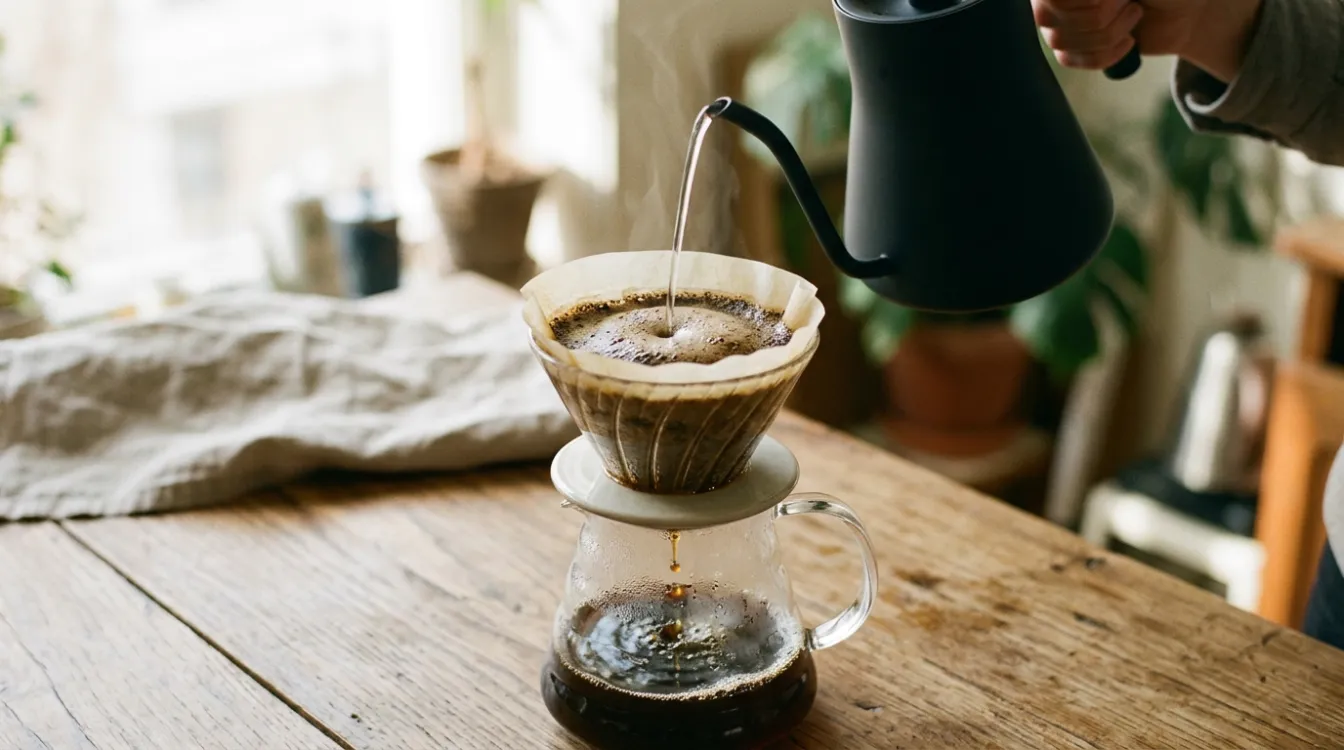
Paper filters trap fine particles and oils, which changes the body and flavor of coffee. But they aren't designed to remove mycotoxins, many of which dissolve into the liquid. Filtered coffee isn't a reliable protection against mycotoxin exposure.
Is decaf coffee higher in mycotoxins?
An interesting finding in some studies is that certain decaffeinated coffee samples contained higher levels of ochratoxin A than regular coffee. This has led some people to claim decaf is "moldier."
That isn't a universal rule. It's an observation from particular studies and samples. Coffee variety, origin, processing, storage and manufacturing practices all influence contamination levels, and the decaffeination process is very different from normal roasting and brewing. Removing caffeine doesn't necessarily remove mycotoxins, but it doesn't automatically add them either.
Caffeine itself doesn't protect you from mycotoxins. The choice between regular and decaf should depend mainly on how well you tolerate caffeine, your sleep and your preferences. My guide on whether decaf coffee is healthy explains how decaf is made and what it keeps from regular coffee.
What can high mycotoxin exposure do?
Although typical coffee-related exposure is low, it's useful to understand why authorities take mycotoxins seriously.
- Kidneys: ochratoxin A mainly targets the kidneys. Significant or prolonged exposure can interfere with kidney function and damage cells.
- Liver: aflatoxins mainly affect the liver. Long-term exposure to significant amounts increases the risk of liver cancer, which is why aflatoxins in peanuts, corn and grains are strictly controlled.
- Total diet: mycotoxins can occur in several foods, so overall exposure comes from the whole diet, not just coffee.
There isn't evidence that normal coffee drinking is a significant source of mycotoxin-related disease for most people. Coffee is also one of the most studied drinks in nutrition research, and moderate consumption is associated with several potential health benefits. My guide to the health benefits of coffee summarizes that research.
How to choose coffee with lower contamination risk
You don't need special "mold-free" coffee to keep risks low. A few simple habits help.
Buy from reputable roasters and brands
Established companies with good sourcing and quality control are more likely to handle coffee carefully. Specialty roasters in particular sort and grade their green coffee strictly, because defects ruin flavor long before they become a safety issue.
Check the packaging
Choose bags that are intact and properly sealed, ideally with a one-way valve and a clear roast date. Avoid packaging that looks damp, water-stained or damaged.
Look and smell
Don't use coffee with visible mold, unusual discoloration or a musty, damp or "off" smell. Don't assume roasting or brewing will make visibly moldy coffee safe; throw it away.
Buy amounts you'll finish
Buying smaller bags more often keeps coffee fresher and reduces long storage. If you do buy in bulk, divide it into airtight portions.
Think about quality signals
Coffees with clear origin information, recent roast dates and careful processing tend to come from supply chains that pay attention to drying and storage. Certifications such as organic focus on farming methods rather than mold, but traceable specialty coffee usually comes with stricter quality control. My guide on whether organic coffee is better explains what organic does and doesn't promise.
How the coffee industry keeps mold in check
Long before coffee reaches your kitchen, several checkpoints aim to stop moldy or damaged beans.
- Drying targets: green coffee is usually dried to a moisture content of roughly 10 to 12%. Drier than that and quality suffers; wetter and the risk of mold rises.
- Moisture meters: mills, exporters and importers measure moisture before bagging and shipping.
- Water activity: some buyers also measure water activity, which shows how much "free" water is available for microbes.
- Grading and sorting: beans are sorted by size, density and color, and defective beans, including moldy, insect-damaged or fermented ones, are removed by machines and by hand.
- Cupping: professional tasters cup samples before buying. Musty, moldy or "earthy" defects are easy to taste and lead to rejected lots.
- Packaging: specialty green coffee is often shipped in hermetic liners or vacuum packs inside jute sacks, protecting it from humidity during long journeys.
- Regulatory testing: in some markets, importers and authorities test for mycotoxins, particularly ochratoxin A.
Specialty coffee standards are strict about defects. A coffee with visible mold or musty flavors simply wouldn't score well enough to be sold as specialty. That's one reason careful sourcing reduces risk as well as improving flavor.
Mycotoxins in coffee vs other foods
Coffee isn't unique. Mycotoxins can appear in many everyday foods, particularly those that are dried and stored.
| Food group | Mycotoxins sometimes found | Why |
|---|---|---|
| Cereals and grains | Ochratoxin A, other mycotoxins | Stored in large quantities, sometimes in damp conditions |
| Peanuts and tree nuts | Aflatoxins | Grown and stored in warm, humid climates |
| Corn | Aflatoxins and others | Vulnerable in the field and in storage |
| Dried fruit | Ochratoxin A | Drying and storage conditions |
| Spices | Aflatoxins, ochratoxin A | Dried and shipped from warm regions |
| Coffee | Ochratoxin A, occasionally aflatoxins | Drying, shipping and storage |
Seen in that context, coffee is one of many foods where good drying and storage keep mycotoxins low. A balanced approach to food safety looks at the whole diet, not just one drink.
How to tell if your coffee has gone bad
Most old coffee isn't moldy; it's just stale. It helps to know the difference.
Stale coffee
- Smells flat, papery or cardboard-like.
- Tastes dull, hollow or bitter, with little aroma.
- Produces little bloom or crema.
- Is unpleasant, but not a safety concern.
Possibly moldy coffee
- Visible fuzzy spots, white or green growth, or clumping.
- A musty, damp, earthy or "basement" smell.
- Beans that feel damp or sticky.
- Ground coffee that has formed hard, damp clumps.
If you notice any of these signs, throw the coffee away. Don't try to rescue it by roasting, brewing or filtering.
Cold brew, leftovers and mold
Brewed coffee can also grow mold, especially when it's left out or stored too long.
- Cold brew is made without heat, so clean equipment and refrigeration matter. Keep concentrate in a clean, sealed bottle in the fridge and use it within about a week or so. My guide to the science of cold brew covers safe storage.
- Leftover coffee in a pot or mug can grow mold within a few days at room temperature. Don't drink coffee that has been sitting out for days.
- Wet grounds left in a filter basket or French press can turn moldy quickly. Empty and rinse equipment after use.
Why specialty coffee tends to be cleaner
Specialty coffee has a strong built-in incentive to avoid mold: flavor. Musty and moldy defects are among the easiest flaws to taste, and they drag down cupping scores and prices. Farms and mills that want to sell specialty coffee therefore invest in careful drying, sorting and storage, because one damp warehouse can ruin a whole season's work. As a coffee drinker, you benefit from that attention to detail without needing to think about it, and it's one more reason I prefer buying traceable coffee from roasters who know their supply chain well.
My own storage routine
After years of buying specialty coffee, this is the simple routine I follow at home:
- I buy whole beans in bags I'll finish within two to four weeks.
- I keep the current bag in an airtight canister in a cupboard away from the kettle and dishwasher.
- I scoop or weigh beans with a dry scoop and close the canister straight away.
- If I have a special bag I want to keep for later, I divide it into small sealed portions and freeze them.
- I clean my grinder hopper and brewer regularly so old oils and grounds don't build up.
- I throw out anything that smells musty, which, honestly, has happened only once or twice in many years, both times with coffee forgotten in a damp cupboard.
It's not complicated, and it protects flavor at least as much as it protects against mold.
When to be more careful
Most healthy adults don't need to change anything. But a few situations call for extra care and a conversation with a doctor:
- Kidney disease: because ochratoxin A mainly affects the kidneys, people with kidney problems may want to be especially careful with food storage and quality in general.
- Liver disease: similar caution applies to foods associated with aflatoxins.
- Pregnancy: caffeine limits are the main coffee concern during pregnancy, but good food hygiene matters too.
- Mold allergies: people with mold allergies or sensitivities may react to moldy foods and should discard anything suspicious.
These aren't reasons to fear coffee, but they are reasons to follow good storage habits and get personalized advice.
What if you accidentally drank moldy coffee?
It happens: you take a sip from a forgotten mug or brew from an old bag and only then notice the musty smell.
For most healthy people, a single exposure is unlikely to cause serious harm. Mycotoxin concerns relate mainly to significant or repeated exposure over time. Some people may feel nauseous or have an upset stomach, particularly if they're sensitive to mold.
Stop drinking it, throw out the coffee and clean the container or equipment thoroughly. If you develop severe symptoms, have a mold allergy or a medical condition, or feel unwell for more than a short time, contact a healthcare professional.
Keeping mold in perspective
It's easy to feel anxious when you hear that a daily drink can contain toxins. But almost every food we eat contains trace amounts of something that would be harmful in large doses. Food safety works by keeping those amounts low, monitoring the supply chain and setting limits with a safety margin.
For coffee, the bigger everyday health questions are about caffeine: how much you drink, when you drink it and how it affects your sleep, heart rate and stomach. Those are things you can feel and control directly. Mold is best handled by the simple habits in this guide, then put out of mind.
If you want to go further, choose traceable coffee from roasters who care about quality, buy fresh, store it properly and keep your equipment clean. Those steps protect flavor and safety at the same time, and they cost far less than any "special" coffee marketed on fear.
A note for home roasters
If you roast coffee at home, you'll be storing green coffee, which brings its own considerations. Green beans are more stable than roasted beans, but they're also more vulnerable to moisture if stored badly.
- Store green coffee in a cool, dry, dark place, ideally in sealed bags or containers.
- Avoid basements, garages and other areas that get damp.
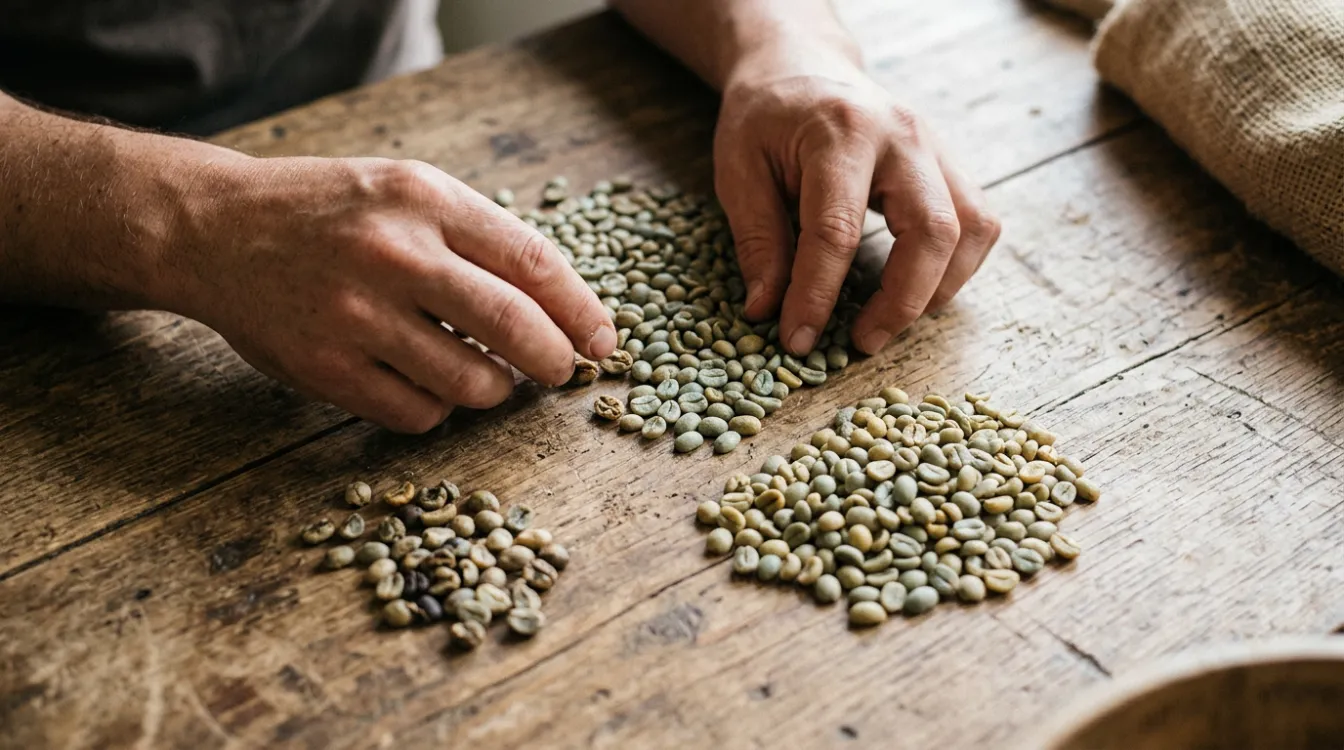
- Inspect beans before roasting and remove any that look discolored, damaged or fuzzy.
- Smell the beans; green coffee should smell grassy or hay-like, not musty.
- Roast older stock first, and don't keep green coffee for years.
Roasting won't fix poorly stored green coffee. If a batch smells musty before roasting, it will usually taste musty afterward too.
Could climate change increase mold risk?
Coffee farmers are already dealing with more unpredictable weather: heavier rains, longer wet seasons in some regions and higher temperatures. These changes can make drying more difficult and increase the risk of fungal problems on farms and during storage.
Some producers are responding with covered drying beds, mechanical dryers, better warehouses and more careful monitoring of moisture levels. These investments help protect both quality and safety. My guide to climate change and coffee explains the wider challenges facing farmers.
Storing coffee when you travel or camp
Taking coffee on trips is another situation where moisture can sneak in.
- Pack beans or grounds in a sealed, airtight container or a resealable bag with the air pressed out.
- Keep coffee away from wet gear, coolers with melting ice and damp tents.
- Bring only what you'll use during the trip.
- Dry your dripper, filter holder or travel press before packing it away.
- Wash travel mugs thoroughly when you get home, including lids and seals.
These small habits keep coffee tasting good and prevent forgotten, damp leftovers from turning into a science experiment at the bottom of a bag.
The best way to store coffee at home
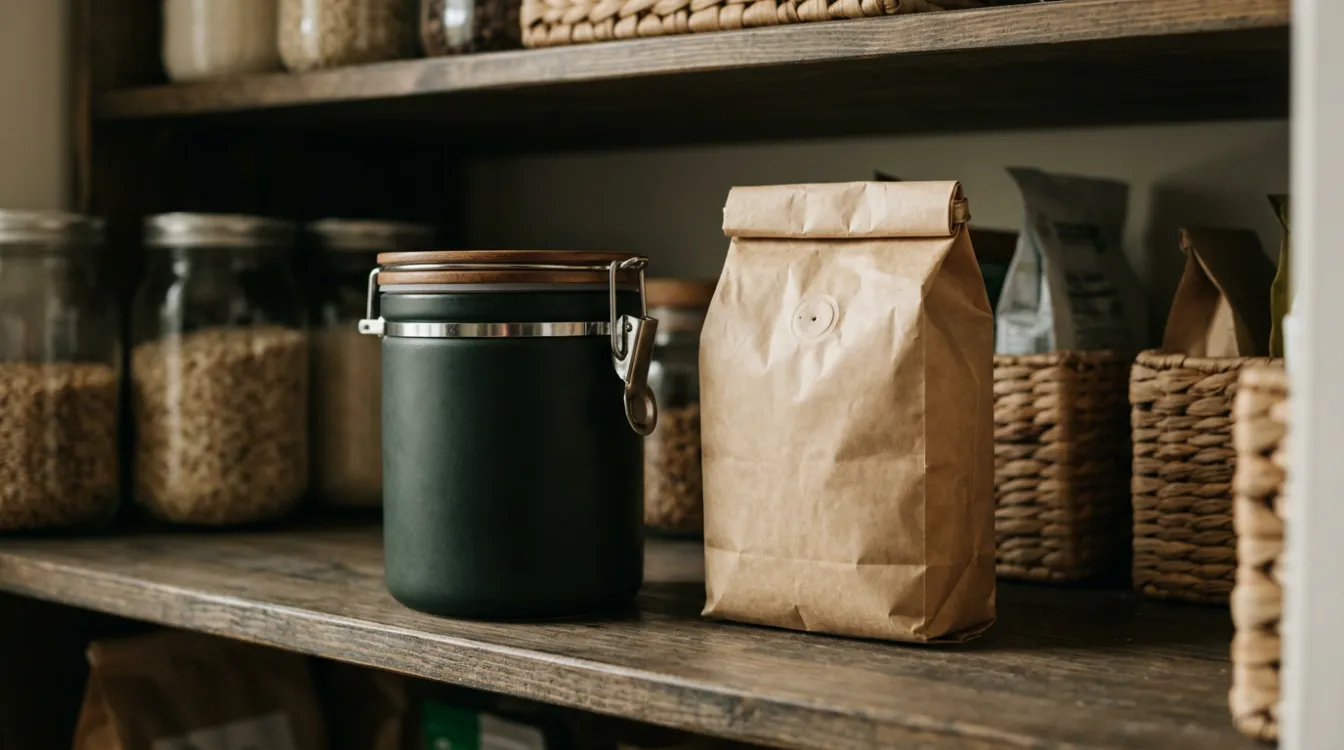
Storage is the easiest place to make a difference, and it protects flavor as well as safety. The goal is to keep beans away from moisture, air, heat and light.
- Use an airtight containerA sealed canister or a resealable bag with the air pressed out limits exposure to moisture and oxygen.
- Keep it cool and dryA cupboard away from the stove, sink and dishwasher is ideal.
- Avoid light and heatSunlight and warm spots speed up staling.
- Use a dry scoopNever put a wet spoon or scoop into the beans.
- Don't mix old and newFinish one bag before adding fresh beans to the container.
- Buy whole beansWhole beans keep their freshness longer than ground coffee because less surface area is exposed to air.
- Freeze extras properlyIf you have more coffee than you can use in a few weeks, freeze it in sealed portions and let it reach room temperature before opening.
Our tip: Repeated temperature changes cause condensation on cold beans. If you freeze coffee, take out only what you need and keep the rest sealed. My guide on whether you can freeze coffee shows the best ways to do it, and my guide on how to store coffee beans covers everyday storage.
Keeping your coffee equipment clean
Mold isn't only a concern in beans. Coffee makers, grinders and accessories can also collect damp residue if they're not cleaned.
- Clean your coffee maker regularly, including the filter basket, carafe and water reservoir.
- Don't leave wet grounds sitting in the machine or filter basket for hours or days.
- Dry accessories such as scoops, filters and drippers before putting them away.
- Empty and refill the water tank with fresh water rather than letting water sit for days.
- Wash travel cups and lids, paying attention to seals where residue hides.
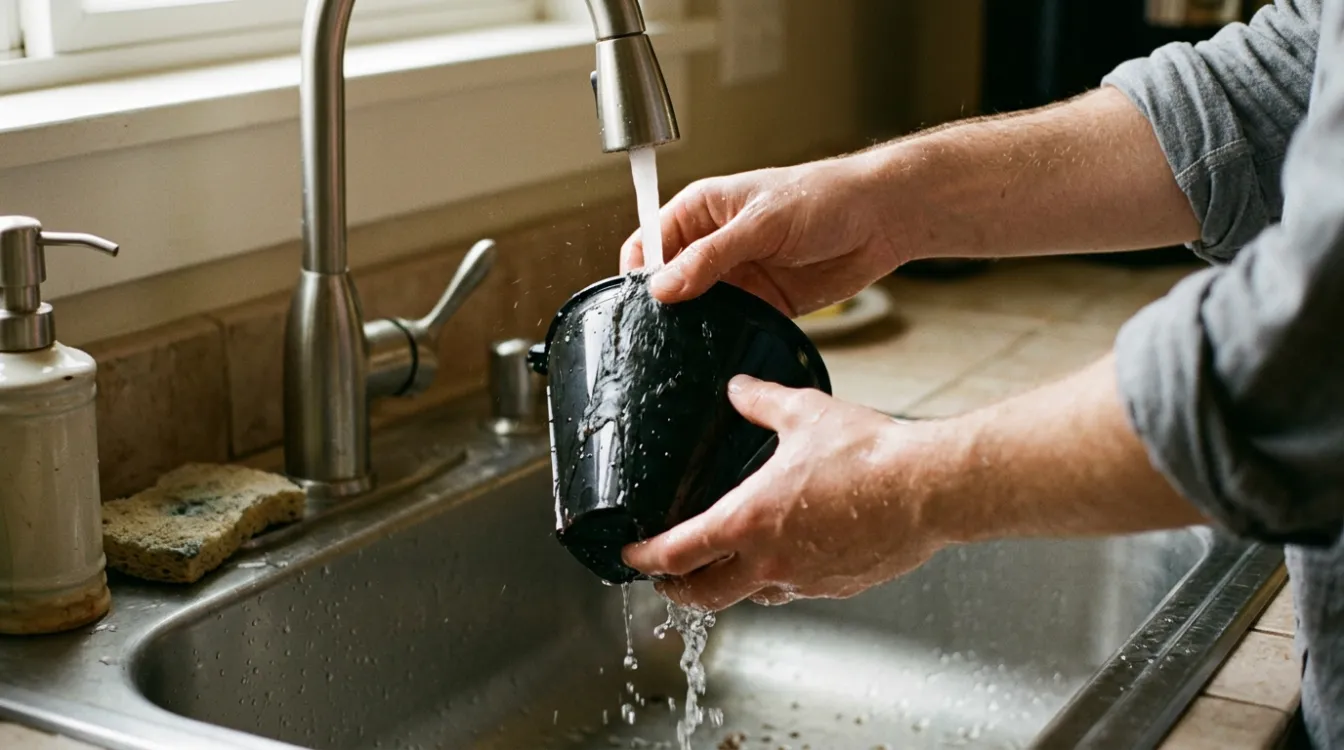
Old coffee residue in a warm, damp machine is a perfect environment for microbes, and it also makes coffee taste bitter and stale. My guide to coffee machine cleaning and descaling walks through a full routine.
What about "mold-free" or "toxin-tested" coffee?
Some brands market their coffee as mold-free, low-toxin or lab-tested. A few test batches for mycotoxins and publish the results, which can be reassuring.
But keep a few things in mind:
- Commercial coffee is already subject to food safety rules, and typical levels are generally low.
- "Mold-free" is a marketing term rather than a regulated standard in most places.
- A test result applies to the batch tested, not every bag.
- Freshness, careful sourcing and good storage at home matter whether a coffee is marketed this way or not.
If lab-tested coffee gives you peace of mind and you like the taste, there's nothing wrong with buying it. Just don't feel you need it to drink coffee safely.
Myths about mold in coffee
"All mold in coffee is dangerous"
Mold doesn't automatically mean dangerous mycotoxin levels. Risk depends on the mold, the toxin and the amount.
"Roasting destroys all mycotoxins"
Roasting can reduce some, but complete elimination can't be assumed.
"Boiling water makes contaminated coffee safe"
Brewing doesn't reliably destroy or remove mycotoxins.
"Decaf is always safer"
Some studies found more ochratoxin A in certain decaf samples. Decaf isn't automatically safer or riskier.
"Every coffee drinker is exposed to dangerous levels"
Most commercial coffee has low levels, and ordinary consumption is associated with low exposure.
"You can see or smell mycotoxins"
Mycotoxins are invisible chemicals. You can spot visible mold or a musty smell, but not the toxins themselves.
The verdict
Mold in coffee is a real quality issue, because coffee is an agricultural product grown and dried in warm, humid places and shipped long distances. Ochratoxin A and aflatoxins are the two mycotoxins worth knowing about, mainly for their effects on the kidneys and liver at high exposure.
But the levels typically found in commercial coffee are low, and for healthy adults drinking normal amounts, the risk appears to be very small. Roasting and brewing don't guarantee removal, so prevention is what counts.
Buy from reputable sources, store coffee cool, dry and airtight, keep your equipment clean and throw out anything that looks or smells wrong. Then enjoy your morning cup without worrying about every possible contaminant.
Frequently asked questions
Is there mold in coffee?
Coffee can be affected by mold during production and storage, but levels of harmful mycotoxins in commercial coffee are generally low.
What are mycotoxins?
Toxic compounds produced by certain molds. They can remain after the mold itself is gone.
Which mycotoxins are found in coffee?
Mainly ochratoxin A and, occasionally, aflatoxins.
Is mold in coffee dangerous?
For healthy adults drinking normal amounts, the risk appears very small.
Does roasting kill mold toxins?
Roasting can reduce some mycotoxins but doesn't guarantee complete elimination.
Is decaf higher in mycotoxins?
Some studies found more ochratoxin A in certain decaf samples, but it's not a universal rule.
Do I need mold-free coffee?
No. Reputable coffee stored properly is fine for most people.
How should I store coffee to prevent mold?
In an airtight container in a cool, dry place, away from sinks and heat.

- Michael Reynolds, review of food safety research
- Mycotoxin, Wikipedia
- Ochratoxin A, Wikipedia
- Aflatoxin, Wikipedia
- Mycotoxins fact sheet, World Health Organization
Related guides
How to store coffee beans Is decaf coffee healthy? Can you freeze coffee?Written by Michael Reynolds. Last updated November 20, 2026.