Health Benefits of Coffee: 6 Evidence-Based Benefits and How Much to Drink
Coffee used to be treated like a guilty habit. Decades of research now paint a much friendlier picture. Here are six health benefits linked to regular coffee drinking, what the evidence really shows, how much you need, and who should be more careful.
We choose products independently. We may earn a commission through links on this page; your price stays the same. Affiliate policy
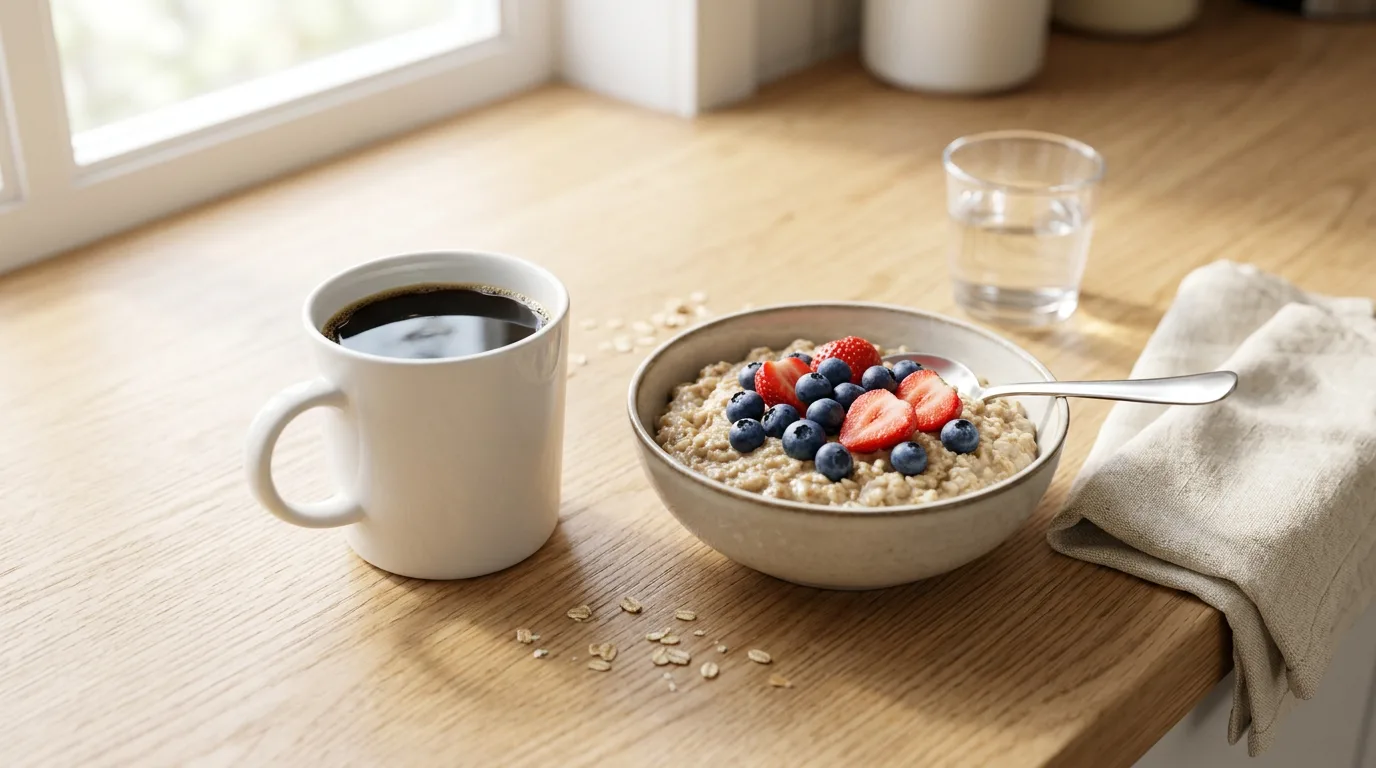
For most healthy adults, moderate coffee drinking, roughly three to four cups a day, is linked to real health benefits. Regular coffee drinkers tend to have better mood, a lower risk of depression and a noticeably lower risk of type 2 diabetes, about 6% lower for each daily cup in one large analysis.
Coffee is also the biggest source of antioxidants in the typical American diet. It's linked to lower rates of heart disease, Parkinson's disease and some cancers, and it can help you exercise harder and recover faster.
Most of this evidence comes from observational studies, so it shows a strong link rather than proof. And the benefits depend on keeping coffee simple: black or lightly sweetened, not loaded with sugar and syrups, and not so much that it hurts your sleep.
Why I wrote this guide
I drink coffee every day. I test machines, compare beans and brew far more cups than most people. So I've always been curious whether all that coffee is doing me good or quietly doing harm.
Growing up, I heard every warning: coffee stunts your growth, dries you out, ruins your heart. Then, over the past couple of decades, the headlines flipped. Suddenly coffee was supposed to help you live longer.
Both extremes are wrong. The truth is more interesting and much more useful. So I went through the big studies, the meta-analyses and the advice of dietitians and health authorities, and pulled out what actually holds up.
Coffee is also a huge part of everyday life. According to the National Coffee Association's 2018 survey, about 64% of American adults had drunk coffee in the previous day, whether as espresso, classic hot drip coffee or cold brew. When that many people share a habit, it matters a lot whether it helps or harms.
The research also covers real-life drinking patterns. Most studies look at ordinary people drinking ordinary coffee, not lab volunteers on special diets. That makes the results more relevant to your own morning cup than many nutrition headlines.
What this guide covers
- Six health benefits linked to regular coffee drinking, and the research behind each one.
- How strong the evidence really is, and what "linked to" means in nutrition research.
- How much coffee seems to be the sweet spot, and when it becomes too much.
- Who should be careful, including during pregnancy and with certain conditions.
- Practical habits that help you get the benefits without the downsides.
A quick note: I'm a coffee writer, not a doctor. This guide is for general information. If you have a health condition, are pregnant or take medication, talk to your doctor about what's right for you.
What is actually in a cup of coffee?
When people say "coffee," they often mean caffeine. But a cup of brewed coffee contains hundreds, possibly more than a thousand, different compounds. Many of the health benefits seem to come from compounds other than caffeine.
That's an important point, because it explains why decaf shows some of the same benefits as regular coffee.
| Compound | What it is | Why it matters |
|---|---|---|
| Caffeine | A natural stimulant | Alertness, focus, mood, exercise performance |
| Chlorogenic acids | Polyphenol antioxidants | Linked to lower inflammation, blood pressure and blood sugar |
| Trigonelline | An alkaloid that partly turns into niacin when roasted | Contributes to aroma; studied for metabolic effects |
| Melanoidins | Brown compounds formed during roasting | Act as antioxidants and dietary fiber |
| Cafestol and kahweol | Coffee oils (diterpenes) | Can raise LDL cholesterol in unfiltered coffee |
| Minerals and vitamins | Potassium, magnesium, niacin, riboflavin | Small amounts that add up for daily drinkers |
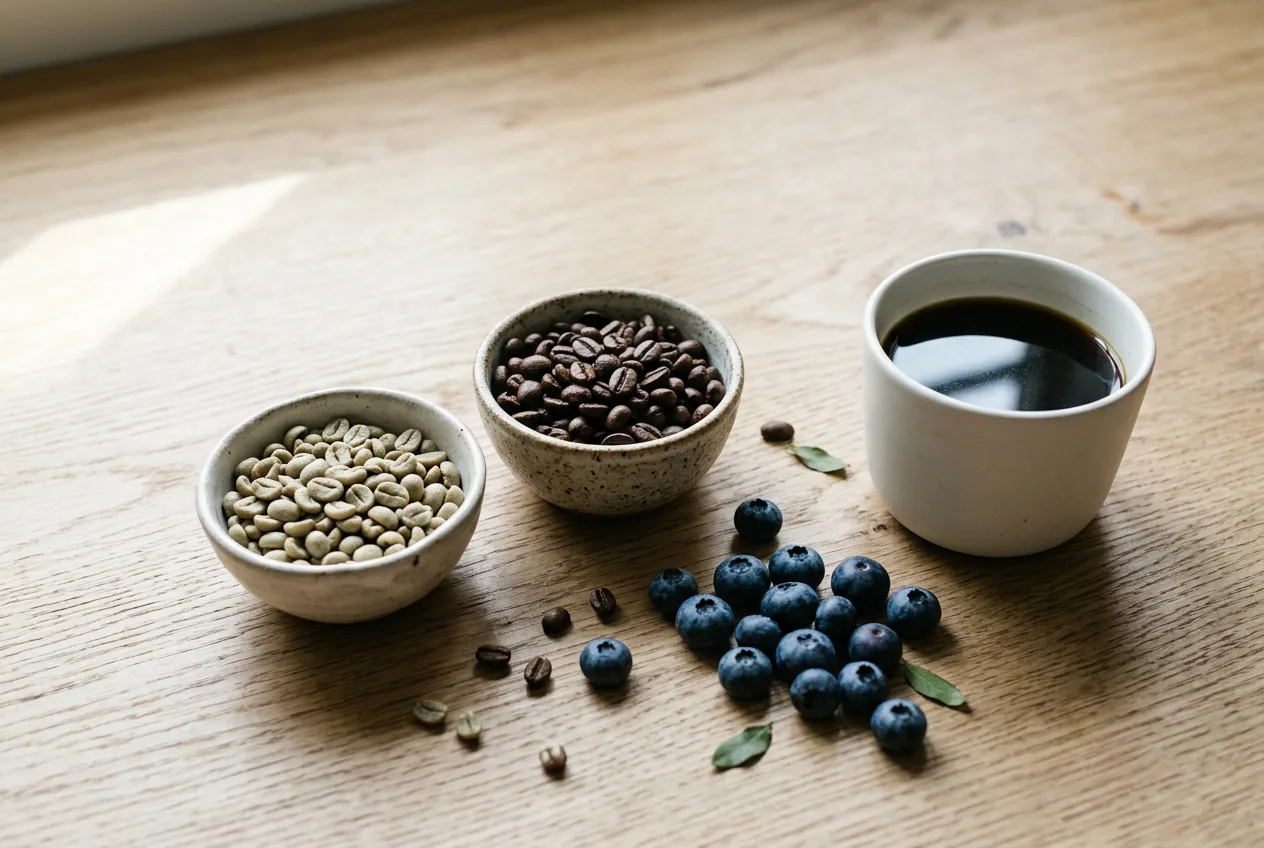
A plain cup of black coffee has almost no calories: about 2 calories for an 8-ounce cup. That's one reason it can be such a healthy habit, as long as you don't turn it into a dessert.
Roasting changes the mix. Lighter roasts tend to keep more chlorogenic acids, while darker roasts build more melanoidins. I explain the chemistry in my guide to how coffee is roasted.
Our tip: If you want the most chlorogenic acids, choose a light or medium roast and drink it black. My guide to coffee roast levels shows what changes from light to dark.
Benefit 1: Coffee can lift your mood and support mental health
Plenty of people say their morning cup makes the day feel easier. It turns out that feeling has research behind it.
Registered dietitian Cynthia Sass has called coffee "happy juice," and studies back up the nickname. Regular coffee drinking is consistently linked to more positive emotions.

What the research shows
- More positive emotions. Habitual coffee drinkers report more pleasure, kindness, affection, friendliness, calm and happiness.
- No link to negative emotions. The same research found no association between regular coffee drinking and negative emotional states, at least within reasonable limits.
- Lower risk of depression. Long-term studies of women have found that regular coffee drinkers were less likely to develop depression over time.
- A dose effect, up to a point. Mood benefits seem to rise with intake up to around five cups a day. Beyond that, side effects like anxiety become more likely.
Why it might work
Scientists haven't pinned down one exact reason. It's probably a mix of things:
- Caffeine blocks adenosine, a chemical that makes you feel tired, and boosts dopamine signaling, which affects motivation and reward.
- Plant compounds in coffee may reduce inflammation, which is increasingly linked to mood.
- The ritual itself. A warm cup, a quiet moment or a coffee with a friend can be good for your mood in its own right.
I explain the adenosine effect in more detail in my guide to coffee and sleep.
Our tip: If coffee makes you feel jittery or anxious rather than happy, you've passed your personal sweet spot. Try a smaller cup, a half-caf blend or stopping after the first one.
Benefit 2: Coffee is packed with antioxidants
Antioxidants are the body's cleanup crew. They neutralize free radicals, which are unstable molecules produced by normal metabolism and by things like pollution and smoking.
When free radicals build up, they cause oxidative stress that damages cells, proteins and DNA. Over time, that damage is thought to contribute to chronic diseases, including heart disease and diabetes.
The biggest antioxidant source in the American diet
Here's the surprising part. A study published in the Journal of Nutrition found that coffee was the single biggest contributor to antioxidant intake among American adults.
That's not because coffee has more antioxidants than fruit or vegetables. It's because so many people drink it, every day, often in larger amounts than they eat antioxidant-rich produce.
Chlorogenic acid
The most studied antioxidant in coffee is chlorogenic acid, a type of polyphenol. Research suggests it helps to:
- Reduce inflammation throughout the body.
- Relax blood vessels and support healthy blood pressure.
- Improve how the body handles blood sugar.
- Protect cells from oxidative damage linked to chronic illness.
Main sources of antioxidants for a typical coffee drinker (illustrative share of daily intake)
Illustrative ranking based on studies of US and European diets. Your own mix depends on how much coffee, tea, fruit and vegetables you eat.
Our tip: Coffee is a great antioxidant source, but it's not a replacement for fruit and vegetables. Think of it as a bonus on top of a good diet, not a substitute for one.
Benefit 3: A lower risk of type 2 diabetes
This is one of the most consistent findings in all of nutrition research. Across many large studies, people who drink more coffee are less likely to develop type 2 diabetes.
The numbers
A 2018 meta-analysis in Nutrition Reviews pooled 30 long-term studies with more than 1.1 million participants. It found that the risk of type 2 diabetes fell by about 6% for each extra cup of coffee per day.
People in the highest intake group, around five cups a day, had roughly a 29% lower risk than non-drinkers. Both caffeinated and decaf coffee showed the benefit, which suggests it isn't only about caffeine.
Approximate reduction in type 2 diabetes risk by daily cups
Rough figures based on the pooled results of a 2018 meta-analysis of 30 prospective studies. Individual risk depends on weight, activity, diet and genetics.
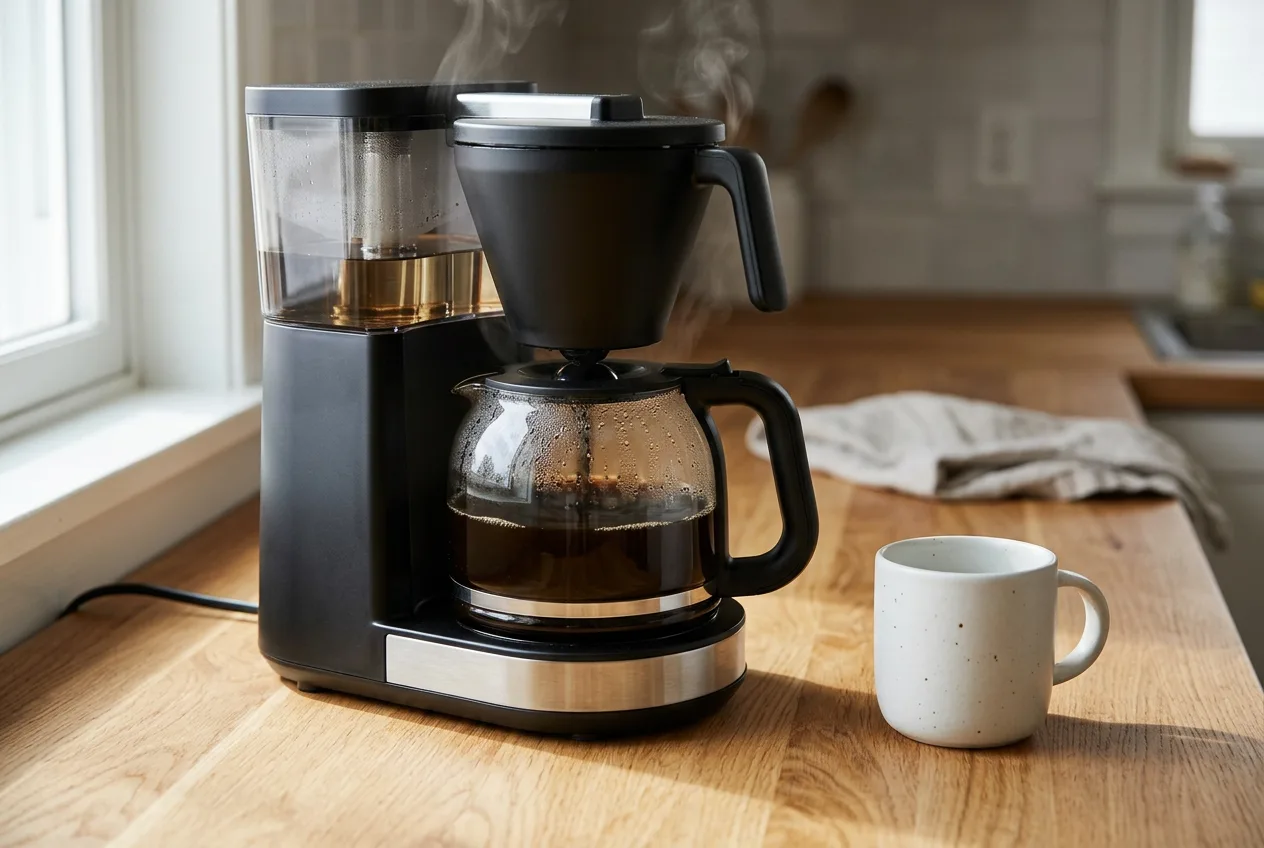
Why coffee might help
- Antioxidants and anti-inflammatory compounds may help keep the body sensitive to insulin and protect the cells in the pancreas that make it.
- A small boost to metabolism. Caffeine slightly increases the number of calories the body burns, which may help with weight management.
- The gut microbiome. Compounds in coffee appear to support healthy gut bacteria, which play a role in blood sugar control.
One caveat: a big, sugary coffee drink can contain more sugar than a can of soda. That cancels out much of the point. The benefit is linked to coffee, not to syrup.
Our tip: If you're watching your blood sugar, switch from flavored syrups to a dash of cinnamon or a little milk. You keep the comforting flavor without the sugar spike.
Benefit 4: Lower rates of chronic disease and long-term brain health
Beyond diabetes, regular coffee drinking is linked to lower rates of several serious chronic diseases. Large population studies also suggest coffee drinkers tend to live slightly longer than non-drinkers.
| Condition | What studies have found | Strength of evidence |
|---|---|---|
| Heart disease | Moderate coffee drinkers have lower rates of heart disease | Good, from large observational studies |
| Parkinson's disease | Markedly lower risk among regular coffee drinkers | Good and consistent |
| Colorectal cancer | Lower risk linked to regular intake | Moderate |
| Endometrial cancer | Lower risk linked to regular intake | Moderate |
| Prostate cancer | Lower risk, especially for advanced cancer | Moderate |
| Breast cancer | Some studies show a modestly lower risk | Mixed |
| Overall mortality | Coffee drinkers tend to live slightly longer | Good, but hard to separate from lifestyle |
Short-term and long-term brain benefits
Most of us know the short-term effects. Within an hour of a cup, you feel more alert, more focused and quicker to react. Research also shows short-term improvements in attention and working memory.
What's more interesting is the long-term picture. Studies suggest that regular coffee drinkers keep their mental sharpness better as they age.
Cynthia Sass points to coffee's antioxidants as a likely reason. By helping to calm chronic inflammation in the brain, coffee may help protect nerve pathways and lower the risk of brain-related chronic illness over time.
Correlation vs causation
It's worth being honest here. Most of this evidence comes from observational studies, which follow large groups of people and compare their habits with their health. They can show a strong link, but they can't fully prove that coffee causes the benefit.
Researchers try to adjust for things like smoking, diet and exercise. Even so, it's possible that some of the benefit comes from the kind of lifestyle coffee drinkers tend to have. The good news is that the findings are remarkably consistent across many countries and decades.
Benefit 5: Better workouts and faster recovery
Caffeine is one of the few supplements that sports scientists broadly agree actually works. Coffee is simply a natural, familiar way to get it.

Before a workout
- Exercise feels easier. Caffeine reduces how hard and painful exercise feels, so you can push a little harder, longer or faster.
- More strength and endurance. Research shows improvements in both muscular strength and cardiovascular endurance after caffeine.
- Less soreness. Some studies find caffeine helps reduce muscle soreness in the days after a hard session.
After a workout
This is the part most people haven't heard about. Sports science research has found that having caffeine together with a carbohydrate-rich meal after exhausting exercise helps muscles refill their glycogen stores faster.
Glycogen is the form of carbohydrate your muscles use for fuel. In one well-known study, athletes who had caffeine with carbohydrates after hard exercise restored noticeably more muscle glycogen over the following hours than those who had carbohydrates alone.
In practice, that means you can wake up the next day with more energy in the tank for your next workout.
- 30 to 60 minutes beforeA cup of coffee can boost performance. Many studies use roughly 1.5 to 3 mg of caffeine per kg of body weight.
- During long sessionsWater first. Coffee isn't a replacement for fluids and electrolytes during long, hot workouts.
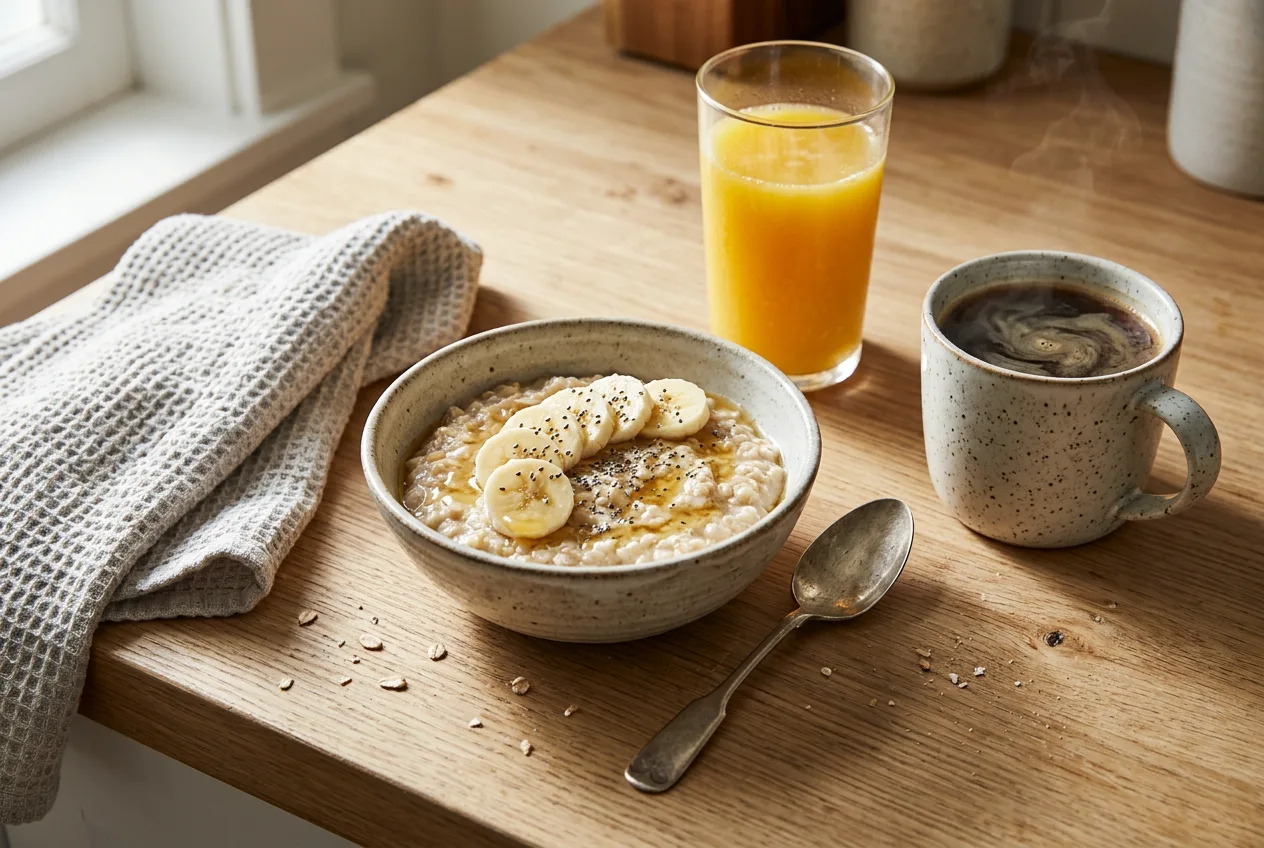
- After hard exercisePair a cup of coffee with a carb-rich meal, such as oatmeal with fruit, to support glycogen recovery.
- Late in the daySkip it if your workout is in the evening. Poor sleep undoes far more than coffee adds.
Our tip: Try your pre-workout coffee on an easy training day first. Some people get an upset stomach if they drink coffee right before running.
Benefit 6: Coffee counts toward your hydration
You've probably heard that coffee dehydrates you. It's one of the most stubborn coffee myths around.
Caffeine is a mild diuretic, which means it can make the kidneys release a little more water. But brewed coffee is over 98% water, and for regular drinkers the diuretic effect largely disappears.
How the body adapts
- About four days. According to Cynthia Sass, research shows the body adapts to coffee's mild diuretic effect after roughly four days of regular drinking.
- Consistency matters. If you normally have two cups and suddenly drink four, you may notice more trips to the bathroom that day.
- Sudden jumps have other costs. Big swings in intake can also bring afternoon energy dips and caffeine headaches.
For a steady daily drinker, coffee is a net contributor to fluid intake, much like tea or milk. I go into the details, including when the diuretic effect does show up, in my guide does coffee dehydrate you?
Our tip: Keep your daily coffee intake roughly the same from day to day. Your body adapts to a steady routine, and you'll avoid the crashes and headaches that come with big swings.
Bonus: coffee and your liver
The six benefits above come from my notes and the research I trust most. But there's one more area that comes up again and again in the studies, and I think it's worth a mention: the liver.
Large population studies have repeatedly linked regular coffee drinking with lower rates of chronic liver disease, including fatty liver disease, liver scarring (fibrosis and cirrhosis) and liver cancer.
The link appears for both caffeinated and, to a lesser extent, decaf coffee. Researchers think coffee's antioxidants and anti-inflammatory compounds may help protect liver cells, although the exact mechanism isn't settled.
- Most consistent finding: lower rates of cirrhosis and liver scarring among regular coffee drinkers.
- Also studied: fatty liver disease and liver cancer, with generally favorable results.
- Important caveat: coffee doesn't undo the damage of heavy drinking or an unhealthy diet. It's a small helper, not a cure.
Coffee, weight and appetite
Coffee is often sold as a weight-loss aid. The real effect is modest, but it's not zero.
- Slightly higher calorie burn. Caffeine gives a small, temporary boost to metabolic rate. It's real, but it's not dramatic.
- More fat used for fuel. Caffeine can increase the share of fat the body burns during exercise.
- Appetite. Some people find a cup of coffee takes the edge off hunger for a while, though this varies a lot.
- Fewer liquid calories. Swapping a sugary soda or a sweet coffee drink for black coffee is probably the biggest win of all.
In other words, black coffee can be a helpful part of a healthy routine. But a large caramel coffee drink can easily wipe out any benefit with its extra sugar and calories.
Coffee and digestion
If you've ever needed the bathroom shortly after your morning coffee, you're not alone. Coffee stimulates the muscles of the large intestine for many people, sometimes within minutes.
That effect isn't only caused by caffeine, because decaf can do it too. It's linked to coffee's influence on gut hormones and the natural reflex that kicks in after eating or drinking.
- The good side: moderate coffee intake is associated with healthy gut motility and may support a diverse gut microbiome.
- The less good side: for people with acid reflux or a sensitive stomach, coffee can trigger heartburn or discomfort.
- What helps: drinking coffee with food, choosing a slightly darker or lower-acid coffee, or switching to cold brew can make it easier on the stomach.
Coffee vs tea vs energy drinks
If you're choosing a daily caffeine source with your health in mind, here's how coffee compares with the other popular options.
| Drink | Caffeine per serving | Health notes |
|---|---|---|
| Black coffee | 80 to 150 mg per 8 oz | Rich in antioxidants; strongest evidence for long-term benefits |
| Black or green tea | 30 to 70 mg per 8 oz | Also rich in polyphenols; gentler caffeine dose |
| Matcha | 60 to 80 mg per serving | Concentrated green tea; also high in antioxidants |
| Energy drinks | 80 to 300 mg per can | Often high in sugar; not recommended for teens |
| Cola | 30 to 40 mg per 12 oz | Sugar or sweeteners with little nutritional benefit |
Tea is a great alternative if coffee makes you jittery. Energy drinks are the ones I'd be most careful with, because of the sugar and the very high caffeine doses in some brands.
Signs you may be overdoing it
The benefits of coffee only apply when you stay within your personal comfort zone. These are the most common signs you've gone past it:
- Jitters, shaky hands or feeling on edge.
- A racing or pounding heart.
- Heartburn or an upset stomach.
- Trouble falling asleep, or waking up unrefreshed.
- Headaches when you skip your usual cup.
- Feeling tired again soon after each cup and reaching for more.
If several of these sound familiar, try cutting back gradually, by about half a cup every few days. Stopping suddenly can bring headaches and fatigue for a few days.
Our tip: Swap your last cup of the day for decaf first. It's the easiest change to make, and for many people it improves sleep within a week.
What a healthy coffee day looks like
Putting all of this together, here's a simple example of a day that gets the most from coffee without the downsides. Adjust the times to your own schedule; the key is the pattern, not the exact clock.
| Time | What I drink | Why |
|---|---|---|
| 7:00 am | A glass of water, then a mug of black filter coffee with breakfast | Hydration first; coffee with food is easier on the stomach |
| 9:30 am | A second cup, black or with a little milk | Keeps focus up during the busiest part of the morning |
| 12:30 pm | Optional third cup or an espresso after lunch | Still early enough to clear before bedtime |
| After a workout | Coffee with a carb-rich snack if training was hard | Supports glycogen recovery |
| After 2 pm | Decaf, herbal tea or water | Protects deep sleep |
| Evening | No caffeine | Lets adenosine build so you fall asleep naturally |
That adds up to roughly 250 to 350 mg of caffeine, comfortably inside the FDA's 400 mg guideline, and it leaves plenty of time for the caffeine to clear before bed.
Small swaps that make a big difference
- Swap a large flavored coffee drink for a regular latte or a black coffee with a splash of milk.
- Swap your 4 pm coffee for a decaf or a short walk outside.
- Swap pre-ground supermarket coffee for fresh whole beans you actually enjoy black.
- Swap the third refill at work for a glass of water.
- Swap a French press for a paper filter on most days if your cholesterol is high.
None of these swaps means giving up coffee. They just tilt the balance toward the benefits.
Does coffee help you live longer?
Several very large studies, following hundreds of thousands of people for many years, have found that coffee drinkers are slightly less likely to die during the study period than non-drinkers.
The lowest risk usually shows up at moderate intake, around two to four cups a day. The link holds for both caffeinated and decaf coffee in many of these studies.
Researchers are careful not to oversell this. Coffee drinkers may differ from non-drinkers in other ways, and these studies can't prove that coffee itself adds years. But the findings are consistent and reassuring: for most people, a daily coffee habit is very unlikely to be shortening their life, and it may well be helping.
Our tip: Think of coffee as one healthy habit among many. Sleep, movement, diet and relationships matter far more for a long life than how many cups you drink.
How strong is the evidence?
Not every coffee benefit is backed by the same quality of research. Here's how I'd rate them, based on how consistent and how large the studies are.
| Benefit | Main type of evidence | My confidence |
|---|---|---|
| Short-term alertness and focus | Controlled trials | Very high |
| Better exercise performance | Controlled trials | Very high |
| Lower type 2 diabetes risk | Large cohort studies and meta-analyses | High |
| Lower Parkinson's risk | Large cohort studies | High |
| Better mood, lower depression risk | Cohort studies and surveys | Moderate to high |
| Lower heart disease risk | Cohort studies | Moderate to high |
| Lower risk of some cancers | Cohort studies | Moderate |
| Faster glycogen recovery | Small controlled studies | Moderate |
The pattern is encouraging. Where scientists can run controlled trials, the short-term effects are clear. Where they rely on long-term population studies, the links are strong and consistent, even if they can't prove cause and effect on their own.
How much coffee is best?
Most of the benefits in large studies show up at around three to four cups a day. Some, like the mood link, continue up to about five cups.
For caffeine, the US Food and Drug Administration says up to 400 mg a day is generally not associated with negative effects for healthy adults. That's roughly four 8-ounce cups of brewed coffee, depending on how strong it is.
| Drink | Typical caffeine |
|---|---|
| Brewed coffee, 8 oz | 80 to 100 mg (often up to ~150 mg) |
| Espresso, single shot | About 60 to 65 mg |
| Decaf coffee, 8 oz | About 2 to 15 mg |
| Black tea, 8 oz | About 40 to 70 mg |
| Green tea, 8 oz | About 30 to 40 mg |
Typical ranges. Caffeine varies a lot with the beans, roast, grind, brew method and cup size.
Cup size matters a lot. A "cup" in research usually means about 8 ounces. A large coffee-shop drink can be 16 to 20 ounces and contain two or three times as much caffeine.
If you want the full breakdown of limits, warning signs and caffeine in common drinks, see my guide to how much coffee is too much.
Our tip: Count your coffee in milligrams of caffeine, not in mugs. One giant travel mug can easily equal three standard cups.
Who should be careful with coffee?
Before going through the groups below, it's worth remembering that caffeine sensitivity is personal. Two people of the same size and age can react completely differently to the same cup. Your body's signals are a better guide than any general rule.
Coffee isn't right for everyone in the same amounts. Too much can cause heartburn, an upset stomach, anxiety, a racing heart and, ironically, fatigue once the caffeine wears off.
Groups who should talk to their doctor
- Pregnant people. Most health authorities advise limiting caffeine during pregnancy, commonly to about 200 mg a day. Very high intake has been linked in some studies to lower birth weight and miscarriage risk, though the evidence is mixed.
- People with acid reflux (GERD). Coffee can make heartburn worse for some people.
- People with anxiety or panic disorders. Caffeine can intensify anxiety symptoms.
- People with heart rhythm problems or uncontrolled high blood pressure. Caffeine can temporarily raise heart rate and blood pressure.
- People with sleep problems. Even a morning-only habit can affect some sensitive sleepers.
- People taking certain medications. Some drugs interact with caffeine or slow how fast the body clears it.
- Children and teenagers. They're more sensitive to caffeine, and energy drinks in particular aren't recommended.
Slow and fast metabolizers
Genes affect how quickly your liver breaks down caffeine. Fast metabolizers can drink coffee in the afternoon and barely notice. Slow metabolizers might feel one morning cup until evening.
If you're a slow metabolizer, you'll probably get the best balance with fewer, earlier cups. My guide to coffee and sleep explains how to find your cutoff time.
Does the brewing method matter?
Yes, mainly because of coffee oils. Unfiltered coffee contains more cafestol and kahweol, natural compounds that can raise LDL ("bad") cholesterol when you drink a lot of it.
| Brew method | Coffee oils | What to know |
|---|---|---|
| Paper-filtered drip or pour-over | Very low | The paper traps most of the oils |
| Espresso | Moderate | Small servings keep total intake low |
| French press | High | No paper filter, so oils pass through |
| Boiled, Turkish or Scandinavian boiled coffee | High | Linked to raised cholesterol at high intake |
| Instant coffee | Very low | Fewer oils, but also fewer aromatics |
If your cholesterol is high, it makes sense to favor paper-filtered coffee for most of your daily cups. Whatever method you use, a good grinder helps you get a clean, well-extracted cup; I compare the options in my burr vs blade grinder guide.
Our tip: If you love French press, you don't have to give it up. Just make it one of your cups rather than all of them, or pour it through a paper filter.
What about decaf?
Decaf still contains most of coffee's antioxidants and plant compounds. That's why it shows many of the same associations, including a lower risk of type 2 diabetes in the 2018 meta-analysis.
What decaf doesn't give you is the caffeine-driven benefits: the alertness, the mood lift and the exercise boost.
- Good choice for: evenings, pregnancy, anxiety, sleep problems or anyone who wants a second or third cup without more caffeine.
- Not completely caffeine-free: an 8-ounce cup typically has around 2 to 15 mg.
- Taste has improved a lot: modern decaf, especially Swiss Water and CO2 processed coffee, can be excellent.
If you're curious how caffeine is removed, read my guide on how decaf coffee is made.
Milk, sugar and syrups: where the benefits disappear
Black coffee is close to calorie-free. A large flavored coffee drink with whipped cream can contain several hundred calories and more sugar than you'd want in a whole day.

| Drink | Approximate calories | Added sugar |
|---|---|---|
| Black coffee, 8 oz | 2 | None |
| Coffee with a splash of milk | 15 to 25 | None |
| Coffee with 1 tsp sugar | about 18 | 4 g |
| Latte, 12 oz, whole milk | about 180 | None (natural milk sugar only) |
| Large flavored iced coffee with syrup and cream | 300 to 500+ | Often 40 g or more |
Rough figures. Exact numbers depend on the recipe and serving size.
A little milk is fine and even adds protein and calcium. The problem is heavy, regular amounts of sugar, syrups and sweetened creamers, which can work against the very benefits you're hoping for, especially for blood sugar and weight.
Our tip: If you're used to sweet coffee, cut the sugar gradually, by about a quarter each week. Most people find their taste adapts within a month.
My habits for getting the benefits without the downsides
Here's how I drink coffee day to day. None of it is complicated.
- Keep it consistentI drink about the same amount every day, usually two or three cups. That avoids crashes, headaches and the diuretic effect of sudden extra cups.
- Drink it mostly blackI enjoy milk drinks now and then, but most of my cups are black filter coffee.
- Stop earlyMy last caffeinated cup is in the early afternoon, about eight to ten hours before bed.
- Pair it with waterA glass of water with my morning coffee is an easy habit that keeps me well hydrated.
- Use it for workoutsA cup before a hard session, and coffee with a proper breakfast afterward.
- Switch to decaf laterIf I want a cup in the evening, it's decaf.
- Buy good beansBetter beans taste good black, which makes it much easier to skip sugar. My guide on how to choose coffee beans helps here.
Coffee health myths
| Myth | Reality |
|---|---|
| Coffee dehydrates you | Brewed coffee is mostly water, and regular drinkers adapt to its mild diuretic effect |
| Coffee stunts your growth | There is no good evidence that coffee affects height |
| Coffee is bad for your heart | Moderate intake is linked to lower heart disease risk in most studies, though people with certain conditions should be careful |
| Dark roast has more caffeine | Caffeine is similar by weight; light roasts can have slightly more per scoop |
| Decaf has no benefits | Decaf keeps most antioxidants and shows some of the same health links |
| More coffee is always better | Benefits level off, and side effects rise beyond about four or five cups |
Coffee has been accused of everything over the centuries, from causing paralysis to curing the plague. You can read more of those wild claims in my history of coffee.
Health benefits of coffee at a glance
Frequently asked questions
Is coffee good for you?
For most healthy adults, yes. Moderate coffee drinking, around three to four cups a day, is linked to better mood, lower type 2 diabetes risk, lower rates of several chronic diseases and better exercise performance.
How many cups of coffee a day are healthy?
Most benefits show up at about three to four 8-ounce cups a day. The FDA says up to 400 mg of caffeine a day is generally safe for healthy adults.
Does coffee lower the risk of diabetes?
Large studies consistently link coffee to a lower risk of type 2 diabetes. A 2018 meta-analysis found about a 6% lower risk for each additional daily cup.
Is black coffee healthier?
Yes. Black coffee has almost no calories or sugar. Adding lots of sugar, syrup or sweetened creamer can cancel out many of the benefits.
Does decaf have health benefits?
Decaf keeps most of coffee's antioxidants and is linked to some of the same benefits, such as lower type 2 diabetes risk, but not the caffeine-related effects.
Is coffee bad for your heart?
For most people, moderate coffee drinking is linked to lower heart disease risk. People with heart rhythm problems or uncontrolled high blood pressure should ask their doctor.
Can coffee help you exercise?
Yes. Caffeine reduces how hard exercise feels and improves strength and endurance. Coffee with carbohydrates after hard exercise may also speed up glycogen recovery.
Should pregnant people drink coffee?
Most health authorities recommend limiting caffeine during pregnancy, commonly to about 200 mg a day. Check with your doctor or midwife.
Does coffee count toward water intake?
Yes. Brewed coffee is over 98% water, and regular drinkers adapt to its mild diuretic effect.
Is French press coffee unhealthy?
Unfiltered coffee contains oils that can raise LDL cholesterol when you drink a lot of it. Paper-filtered coffee is a better choice for people watching their cholesterol.

- Michael Reynolds, notes on daily coffee habits and testing
- Coffee consumption and reduced risk of developing type 2 diabetes: a systematic review with meta-analysis, Nutrition Reviews (2018)
- Spilling the beans: how much caffeine is too much?, US Food and Drug Administration
- Coffee, The Nutrition Source, Harvard T.H. Chan School of Public Health
- 6 ways coffee benefits your health, Health (with registered dietitian Cynthia Sass)
- National Coffee Data Trends 2018, National Coffee Association
Related guides
Does coffee dehydrate you? Coffee and sleep How much coffee is too muchWritten by Michael Reynolds. Last updated November 19, 2026.