How Much Coffee Is Too Much? Safe Caffeine Limits, Warning Signs and Who Should Cut Back
Most of us drink coffee every day without thinking twice. But there is a limit, and it's lower for some people than others. Here's how much caffeine is considered safe, how many cups that really means, the warning signs you've had too much, and why concentrated caffeine products are far riskier than any cup of coffee.
We choose products independently. We may earn a commission through links on this page; your price stays the same. Affiliate policy
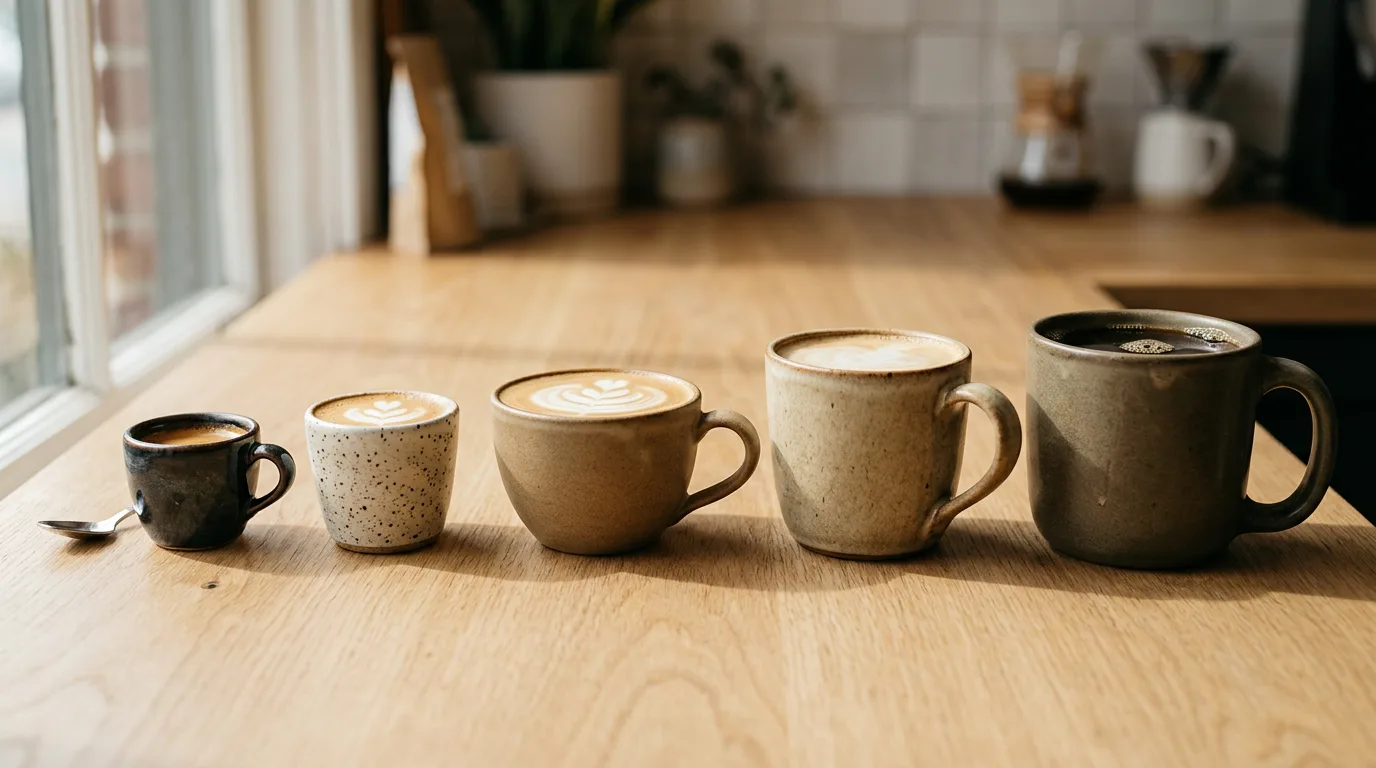
For most healthy adults, up to 400 mg of caffeine a day is considered safe by the US FDA. That's roughly four 8-ounce cups of brewed coffee, but cup size and strength change the math a lot.
Lower limits apply to some people: around 200 mg a day during pregnancy, much less for children and teens, and less for anyone who is sensitive to caffeine, has certain heart conditions or takes medications that interact with it.
You'd have to drink an enormous amount of coffee to reach a truly dangerous dose, and your body would usually stop you first. The real risk comes from concentrated caffeine, such as pure powders and high-dose pills, where a dangerous amount can fit in a teaspoon.
Why I wrote this guide
I drink more coffee than most people, mainly because tasting and testing is part of my job. On busy testing days, it's easy to lose track. A shot here, a sip there, a full cup to check a new grinder setting.
So I've had to think carefully about where my own limit is. I've also had plenty of readers ask the same thing: how many cups is too many?
The answer is more personal than a single number, but there are clear guidelines, clear warning signs and a few situations where you really need to be careful.
The question matters because caffeine is so easy to underestimate. It's in our coffee, our tea, our sodas, our chocolate and, increasingly, in supplements and energy products. Each one feels small, but together they add up.
What this guide covers
- The daily caffeine limit for healthy adults, and how it translates into real cups.
- How much caffeine is in common drinks, from espresso to energy drinks.
- Why some people need less, including during pregnancy, for teens and with some medical conditions.
- The signs you've had too much, and what to do about it.
- Why concentrated caffeine products are dangerous, and how to stay safe.
- How to cut back without headaches if you decide you're overdoing it.
This guide is general information, not medical advice. If you have a health condition, are pregnant or take medication, ask your doctor what's right for you. If someone has symptoms of a caffeine overdose, call emergency services or Poison Control (1-800-222-1222 in the US).
How much caffeine is safe per day?
Caffeine is the most widely used psychoactive substance in the world. It's found naturally in more than 60 plants, including coffee, tea, cacao and guarana. In the United States, depending on the survey, around 80% to 90% of people consume caffeine every day, many at 200 mg or more.
So what's the upper limit for a healthy adult?
It's worth asking why a limit is needed at all if coffee is so widely enjoyed. The answer is that caffeine is a real drug, with real effects on the brain, heart and nervous system. At normal doses those effects are mostly pleasant and useful. As the dose climbs, the balance tips toward side effects.
Health authorities set their guidelines by looking at large amounts of research on heart rhythm, blood pressure, bone health, behavior and pregnancy outcomes, then picking a level below which healthy adults are unlikely to have problems. That's where the 400 mg figure comes from.
The official guideline
The US Food and Drug Administration says that 400 mg a day is an amount not generally associated with dangerous, negative effects for healthy adults. Europe's food safety authority uses the same 400 mg figure.
Some physicians talk about 500 to 600 mg as an upper range for people who tolerate caffeine well. But going above 400 mg regularly increases the chance of side effects and puts more strain on your body, so I'd treat 400 mg as the sensible ceiling.
| Group | Common guideline |
|---|---|
| Healthy adults | Up to about 400 mg a day |
| Pregnant or breastfeeding | About 200 mg a day (check with your doctor) |
| Teens 12 to 18 | Pediatric experts advise caution; often no more than about 100 mg a day, and no energy drinks |
| Children under 12 | Caffeine generally not recommended |
| People with heart, anxiety or sleep issues | Often lower; ask your doctor |
These are general guidelines. Your own limit depends on your body, your health and how you react to caffeine.
Our tip: Think of 400 mg as a ceiling, not a target. Most of the health benefits linked to coffee show up at three to four regular cups or fewer, as I explain in my guide to the health benefits of coffee.
How many cups of coffee is 400 mg?
The "four cups" rule is a useful shortcut, but it assumes an 8-ounce cup of average brewed coffee. Real-life cups are often bigger and stronger.
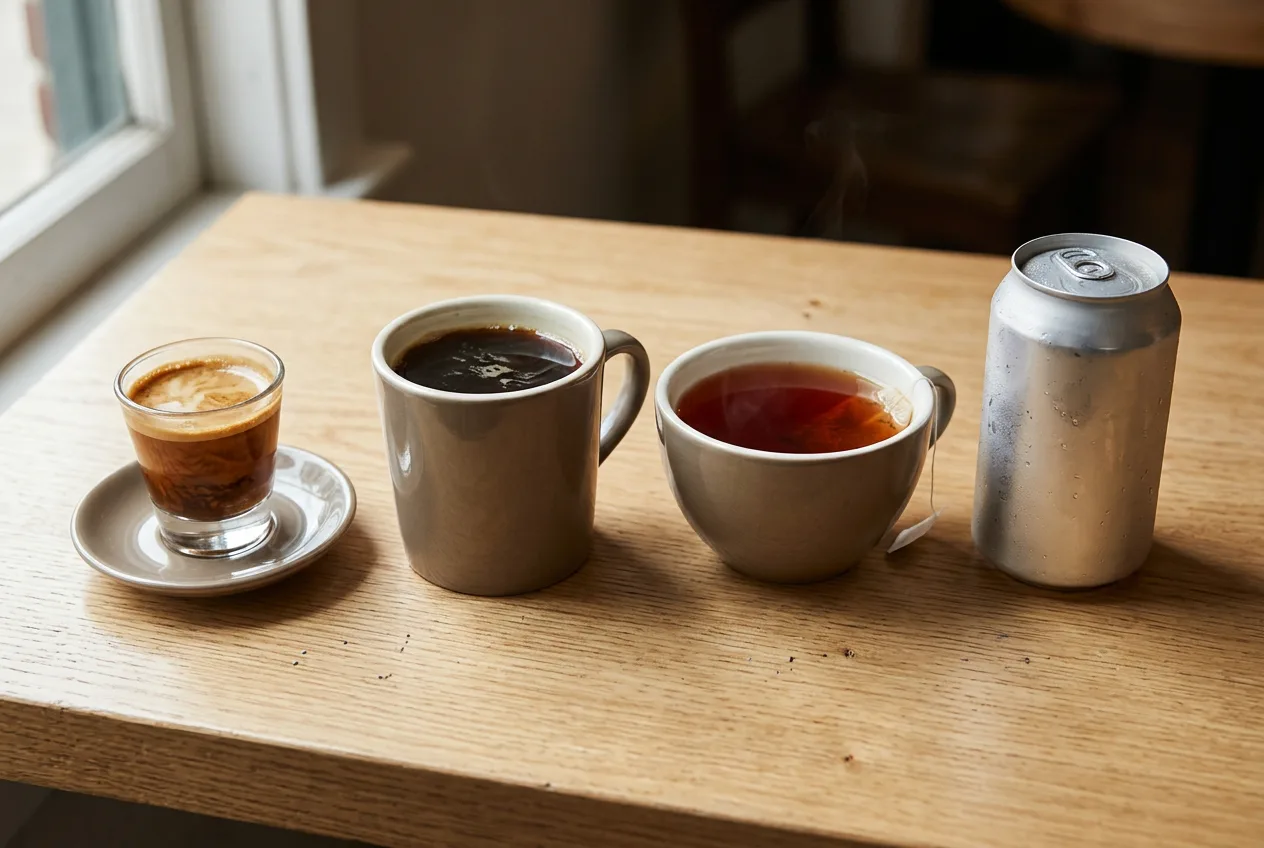
How quickly common drinks add up to 400 mg
Approximate. Caffeine varies by beans, roast, grind, brewing method and brand.
This is where people go over without realizing it. One large coffee-shop drip coffee can contain as much caffeine as four homemade cups. Two high-caffeine pods can put you over the limit before lunch.
Espresso, on the other hand, has a lot of caffeine per ounce but a small total per shot. A double espresso usually has less caffeine than a large mug of drip coffee.
Our tip: If you brew at home, a typical 15 g dose of coffee for one mug contains very roughly 120 to 180 mg of caffeine, depending on the beans. Weighing your coffee is the easiest way to keep track.
Caffeine in common drinks
Here's a reference table you can use to estimate your daily intake.
| Drink | Serving | Approximate caffeine |
|---|---|---|
| Brewed coffee | 8 oz | 80 to 150 mg (average ~95 mg) |
| Espresso | 1 oz single shot | about 60 to 65 mg |
| Cold brew | 16 oz | 150 to 250+ mg |
| Standard coffee pod | 1 pod | about 100 to 130 mg |
| Extra-caffeine coffee pod | 1 pod | about 260 mg |
| Instant coffee | 8 oz | about 60 to 80 mg |
| Decaf coffee | 8 oz | about 2 to 15 mg |
| Black tea | 8 oz | about 40 to 70 mg |
| Green tea | 8 oz | about 30 to 40 mg |
| Energy drink | 16 oz can | about 150 to 300 mg (many around 160 mg) |
| Caffeinated soda | 12 oz can | about 30 to 60 mg |
| Dark chocolate | 1 oz | about 12 to 25 mg |

A few things stand out:
- Coffee varies more than you'd think. Robusta beans have roughly twice the caffeine of arabica, and some "high-caffeine" brands use them deliberately. My guide to arabica vs robusta explains the difference.
- Roast level makes little difference. Dark roasts don't have more caffeine. By weight, light and dark roasts are very similar.
- Cold brew can be strong. Its high coffee-to-water ratio often means more caffeine per serving than hot drip.
- Pods are easy to stack. It takes seconds to brew a second or third pod, so intake can climb quickly.
Why there is no single safe number for everyone
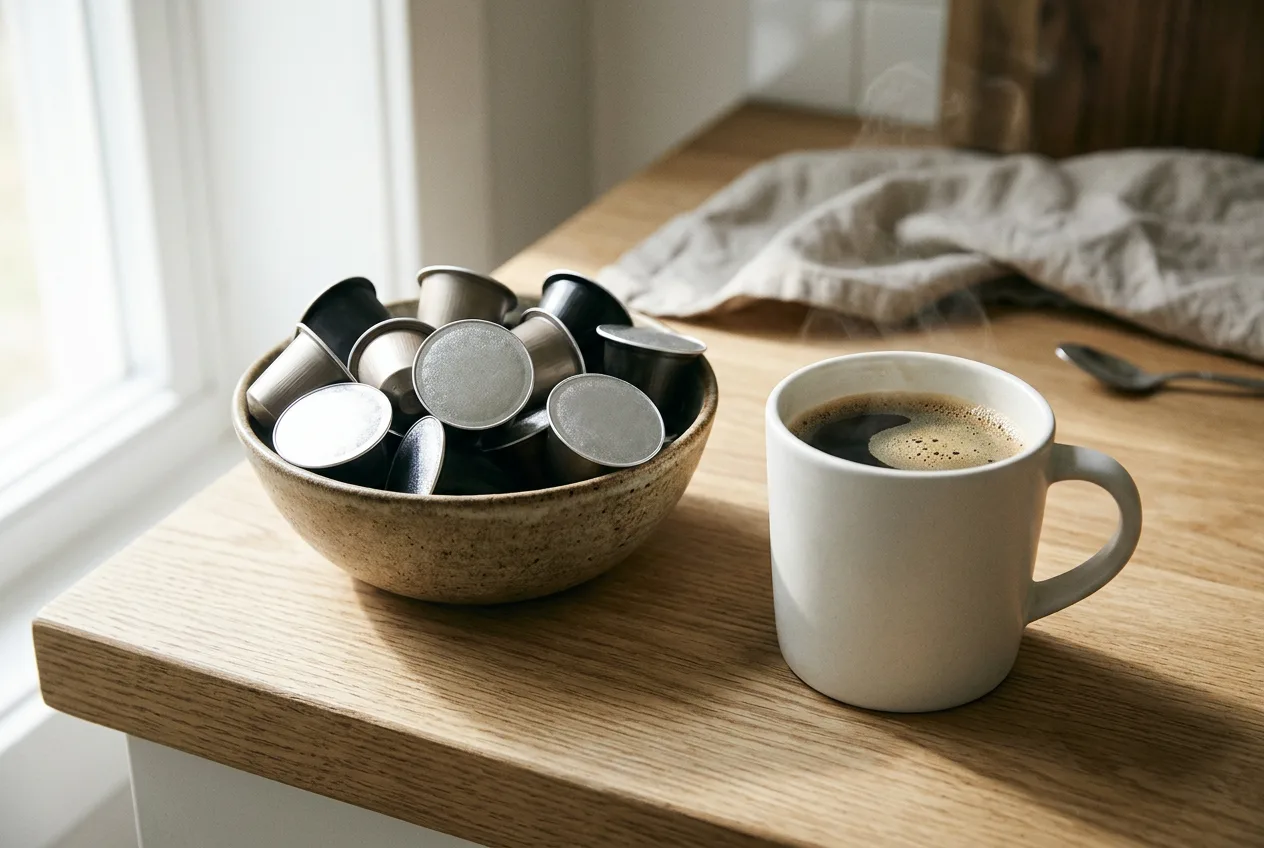
Even the experts avoid giving one exact limit for every person. Several factors change how caffeine affects you.
- Genetics. Differences in liver enzymes, especially one called CYP1A2, make some people fast caffeine metabolizers and others slow ones.
- Tolerance. Regular coffee drinkers adapt. A dose that leaves a non-drinker shaky might barely register for a daily drinker.
- Body size and age. Smaller people and older adults usually feel the same dose more strongly.
- Health conditions. Heart rhythm problems, high blood pressure, anxiety disorders and reflux can all lower your comfortable limit.
- Medications. Some drugs slow caffeine breakdown, so it builds up more.
- Pregnancy. Caffeine clears much more slowly, especially later in pregnancy.
That's why the best limit is the one where you feel good: alert but calm, sleeping well and free of jitters or a racing heart.
Who should drink less coffee?
Pregnancy and breastfeeding
Most health authorities advise limiting caffeine to about 200 mg a day during pregnancy. Some studies have linked very high caffeine intake to lower birth weight and a higher risk of miscarriage, though the evidence isn't settled. Caffeine also passes into breast milk in small amounts.
Children and teenagers
Young people are more sensitive to caffeine. Too much can cause a fast heart rate, palpitations, high blood pressure, anxiety, sleep problems and stomach upset. Pediatric experts generally advise that children avoid caffeine and that teens keep it low, and both groups should avoid energy drinks.
People with certain health conditions
- Heart rhythm problems or uncontrolled high blood pressure. Caffeine can raise heart rate and blood pressure.
- Anxiety or panic disorders. Caffeine can intensify symptoms.
- Acid reflux (GERD). Coffee can trigger heartburn.
- Insomnia. Even moderate amounts, especially later in the day, can make sleep worse.
- An unruptured brain aneurysm. Doctors may advise avoiding sudden spikes in blood pressure, including from stimulants.
People taking certain medications
Some antibiotics, antidepressants, asthma medications and other drugs interact with caffeine or slow down how fast your body clears it. If you take regular medication, ask your pharmacist whether caffeine is an issue.
Our tip: If you're in one of these groups, decaf and half-caf are your friends. You keep the ritual and most of the flavor with a fraction of the caffeine.
What caffeine does in your body
Chemically, caffeine belongs to a family of natural compounds called xanthines. Its relatives include theobromine, found in chocolate, and theophylline, found in tea and used in some asthma medicines.
Xanthines act as stimulants for the brain and heart, and they relax certain smooth muscles, such as those in the airways.
How it works: blocking adenosine
Caffeine's main effect is to block adenosine receptors. Adenosine is a natural chemical found in every cell. Among other things, it signals tiredness, calms nerve activity and helps protect tissues.
Caffeine's shape is similar enough to adenosine that it can sit in the same receptors. But it doesn't activate them. It just blocks them, so adenosine can't deliver its calming signal.
The result is more nerve activity, a stronger heartbeat, relaxed airways and a mild diuretic effect on the kidneys. I explain the sleep side of this in detail in my guide to coffee and sleep.
Low to moderate doses: the benefits
- More alertness, focus and wakefulness.
- A better mood and sense of well-being.
- Help with pain relief, which is why caffeine is added to some headache medicines.
- Better exercise performance.
Higher doses: the downsides
- Nervousness, jitters and anxiety.
- Raised blood pressure, palpitations and sometimes chest discomfort.
- Headaches and stomach upset.
- More trips to the bathroom.
- Poor sleep.
- Dependence, with withdrawal symptoms if you skip your usual dose.
| Daily caffeine | What most healthy adults notice |
|---|---|
| Up to ~200 mg | Alert and focused; few side effects |
| 200 to 400 mg | Still comfortable for most regular drinkers |
| 400 to 600 mg | More jitters, anxiety, stomach upset and sleep problems for many people |
| 600 mg and above | Side effects likely; unhealthy as a regular habit |
| Very large single doses | Risk of serious toxicity, usually only from concentrated products |
General pattern only. Sensitive people may notice side effects at much lower amounts.
Signs you have had too much coffee
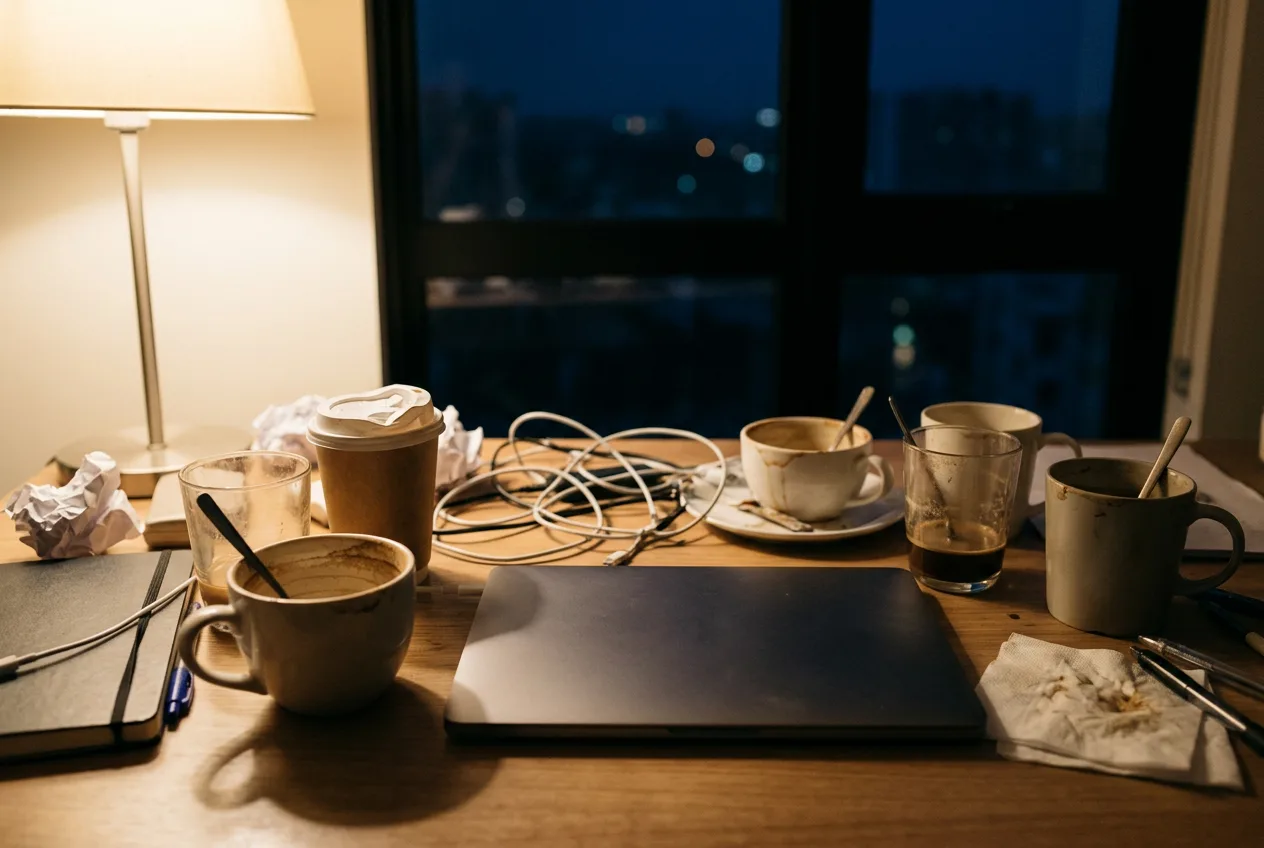
Your body is usually very clear when you've overdone it. These are the most common signs:
- Jitters or shaky hands.
- Feeling anxious, restless or on edge.
- A fast or pounding heartbeat or palpitations.
- Upset stomach, nausea or heartburn.
- Headache.
- Trouble sleeping, or waking up unrefreshed.
- Needing to pee often.
- Irritability or feeling low after the caffeine wears off.
What to do if you have had too much
- Stop drinking caffeineDon't try to "push through" with more.
- Drink water and eat somethingA snack and water can ease nausea and jitters for many people.
- Move gentlyA calm walk can help burn off nervous energy.
- Breathe slowlySlow breathing can calm a racing heart and anxious feelings.
- Wait it outMild symptoms usually fade over a few hours as your body clears the caffeine.
Get urgent medical help if someone has chest pain, a very fast or irregular heartbeat, trouble breathing, confusion, hallucinations, seizures, severe vomiting or fainting. In the US, Poison Control is available 24/7 at 1-800-222-1222.
When does caffeine become dangerous?
Severe caffeine poisoning is rare compared with how many people use caffeine every day. But it does happen, and deaths have been documented. Almost all of them involve concentrated caffeine products rather than coffee.
I want to be clear about why this section is here. It isn't to scare anyone away from their morning cup. It's because understanding where the real danger lies helps you avoid it, and helps you relax about the things that aren't dangerous at all.
Why there is no exact lethal dose
It's impossible to give one precise dangerous dose for everyone. People differ in genetics, tolerance, body size, age and health. Someone with an existing heart condition can be harmed by far less caffeine than a healthy adult.
Medical science also can't test this directly, for obvious ethical reasons. Estimates come from emergency room cases, poison center data and toxicology reports.
What the estimates say
Toxicology sources often cite around 10 grams (10,000 mg) of caffeine as a potentially lethal amount for an adult, with serious toxicity possible at lower doses. That's about 25 times the daily guideline.
To get that much from regular brewed coffee, you'd need something like 70 to 100 cups in a short time. In practice, nausea and vomiting would stop you long before, and drinking that much liquid would itself be dangerous because it dilutes the sodium in your blood.
What happens in severe overdose
At toxic levels, caffeine's stimulant effects run out of control. Doctors see dangerously fast or irregular heart rhythms, seizures, very low blood pressure, low blood potassium and, in severe cases, muscle breakdown that can damage the kidneys.
This is a medical emergency, and it's treatable when people get help quickly. The key point for everyday life is simple: this kind of poisoning comes from concentrated products, not from your morning coffee.
The real danger: concentrated caffeine
If there's one warning in this guide that really matters, it's this one.
The FDA has warned consumers about pure and highly concentrated caffeine sold as powders and liquids. A single teaspoon of pure caffeine powder can contain around 3,200 mg, roughly the caffeine in 28 cups of coffee. The difference between a safe and a dangerous amount can be tiny and very hard to measure at home.
| Product | Why it is risky |
|---|---|
| Pure caffeine powder | Huge doses in tiny amounts; easy to mismeasure |
| Highly concentrated liquid caffeine | Very strong per serving; easy to take too much |
| Caffeine pills and some diet pills | Several pills can add up fast, especially with coffee |
| Pre-workout supplements | Often 150 to 300+ mg per scoop, plus other stimulants |
| Energy shots and some energy drinks | High caffeine quickly, often combined with coffee |
Part of what makes concentrated products risky is that they remove coffee's natural safety brake. With coffee, you have to drink a lot of liquid to get a lot of caffeine, and your stomach tends to object long before you reach a harmful amount. A powder or a handful of pills skips that step completely.
Concentrated caffeine is also often combined with other stimulants in supplements, and labels aren't always as clear as they should be. Adding several of these products on top of a normal coffee habit is how people end up far above a safe dose without meaning to.
How to stay safe
- Avoid pure caffeine powders and highly concentrated liquids altogether.
- Read labels on energy drinks, pre-workouts and supplements, and add them to your daily total.
- Don't stack products, such as caffeine pills on top of several coffees and an energy drink.
- Keep caffeine pills and diet pills locked away from children. Small children can be seriously harmed by doses an adult would barely notice.
Our tip: If you want more energy for a workout, a regular cup of coffee 30 to 60 minutes before is a well-studied, much safer option than a high-dose pre-workout.
Caffeine dependence and withdrawal
Regular caffeine use changes your brain chemistry a little. Your body adjusts to having caffeine around, and if you suddenly stop, you notice.
Common withdrawal symptoms
- Headache, often throbbing, usually starting 12 to 24 hours after your last dose.
- Tiredness and low energy.
- Irritability and low mood.
- Difficulty concentrating.
- Sometimes flu-like feelings or muscle aches.
Symptoms usually peak after one or two days and fade within about a week. They're unpleasant but not dangerous.
Dependence on its own isn't a reason to quit coffee. But if you need more and more to feel normal, or you feel unwell whenever you miss a cup, it may be a sign to scale back a little.
Our tip: If you know you'll miss your usual coffee, such as before a medical procedure or during travel, cut back gradually over a few days beforehand to avoid the headache.
How to cut back on coffee without the headaches
If you've decided you're drinking more than you'd like, a slow taper works far better than going cold turkey.
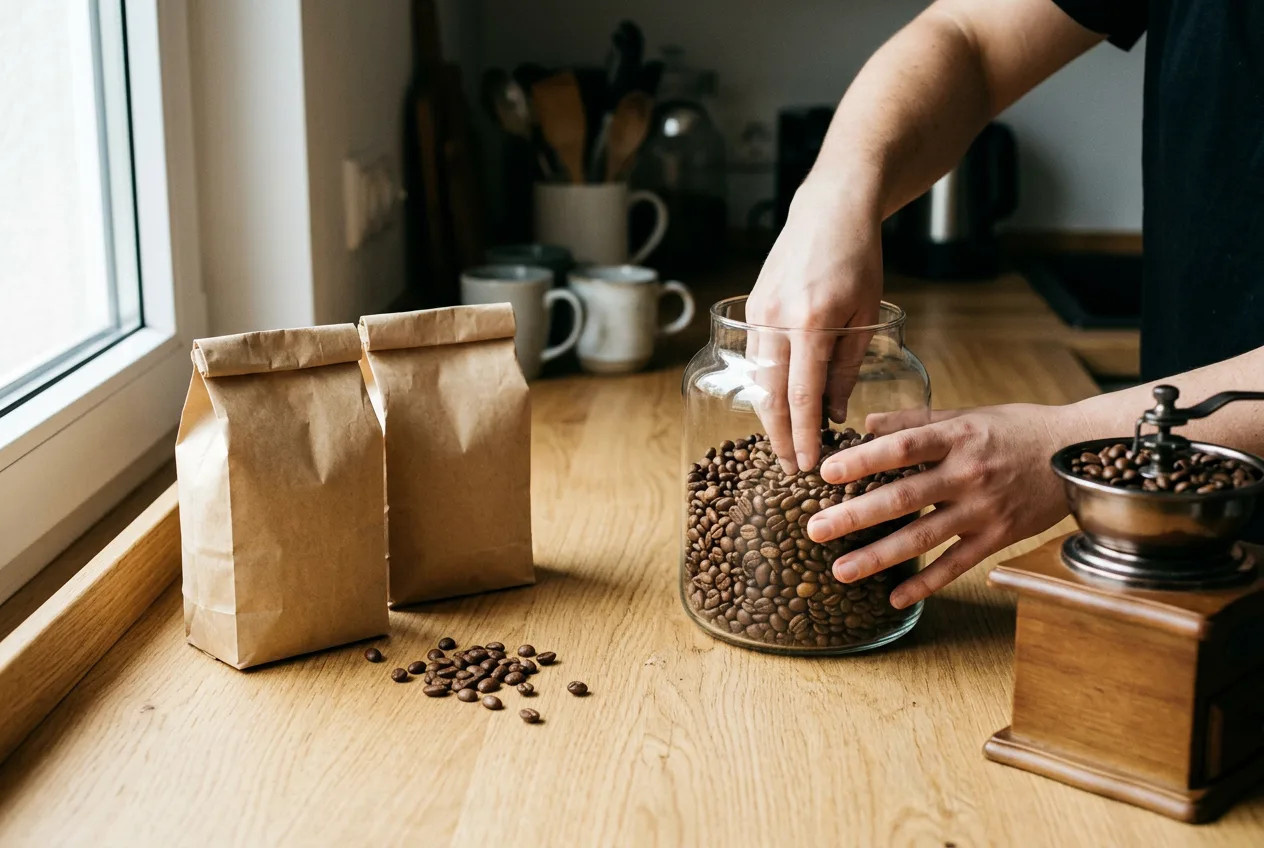
- Track a normal weekWrite down every caffeinated drink and estimate the milligrams. Most people are surprised by the total.
- Cut the latest cup firstMoving caffeine earlier helps your sleep straight away, which makes you need less in the morning. My guide to coffee and sleep explains the cutoff.
- Shrink the biggest servingSwitch a large coffee-shop drink to a small or a regular homemade mug.
- Go half-cafMix regular and decaf beans, gradually increasing the share of decaf.
- Reduce by about 25% a weekSmall steps keep withdrawal symptoms mild.
- Swap in water and decafKeep the ritual and the warmth without the caffeine.
If you're curious how decaf is made, and why good decaf now tastes so much better than it used to, read my guide on how decaf coffee is made.
Work out your own daily caffeine
Here's a quick way to estimate where you stand. Add up a typical day using the figures below.
| Example day | Caffeine |
|---|---|
| Large mug of home-brewed coffee at breakfast | ~150 mg |
| Double espresso mid-morning | ~125 mg |
| Can of cola with lunch | ~35 mg |
| Afternoon black tea | ~50 mg |
| Square of dark chocolate after dinner | ~20 mg |
| Total | ~380 mg |
That example day lands just under 400 mg, but swap the home-brewed mug for a large coffee-shop drink and you're well over.
If your total regularly comes out above 400 mg, or you have any of the warning signs above, it's worth cutting back.
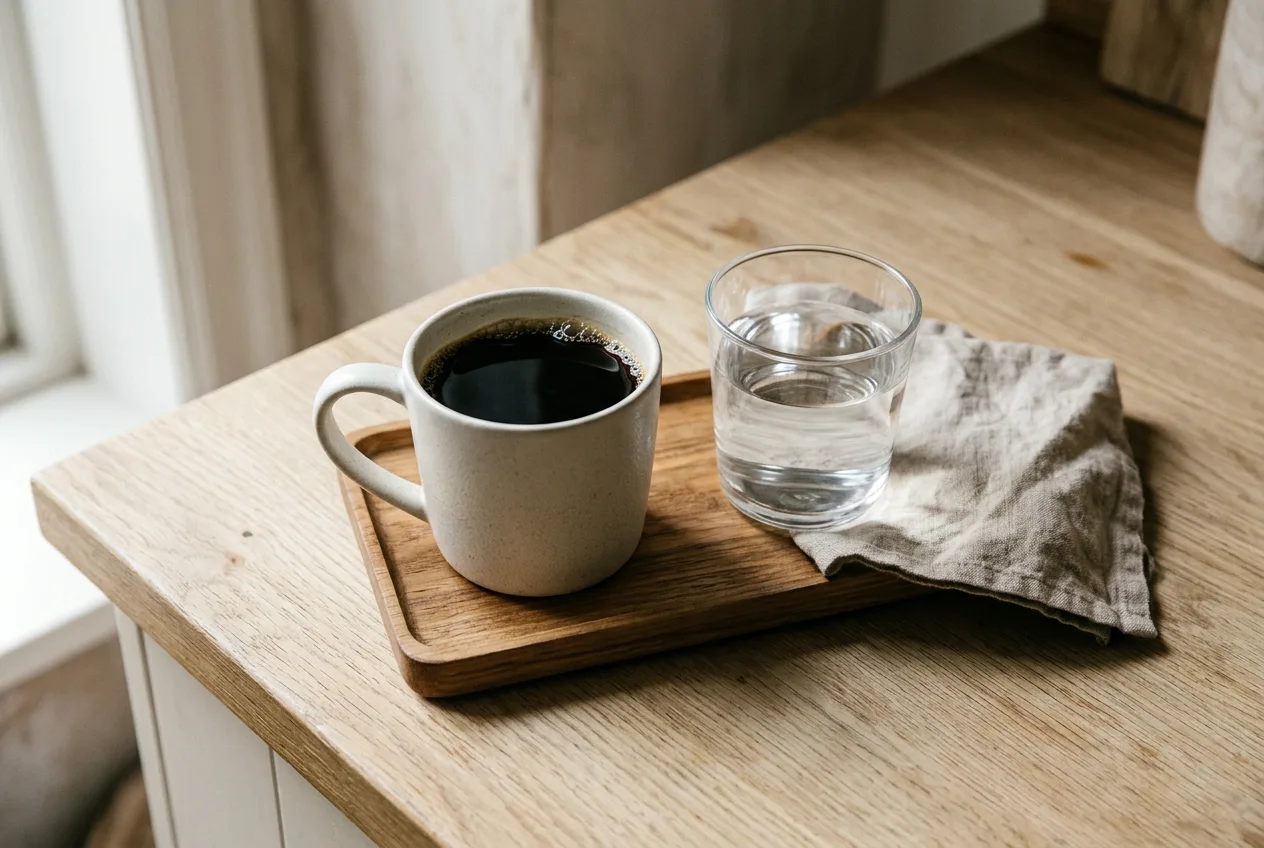
My own limit
On normal days I aim for two or three cups, usually somewhere around 250 to 350 mg, all before early afternoon. On heavy testing days I taste more coffees, but I take small sips and spit when I'm cupping, the way professional tasters do.
I also always have water alongside. It isn't because coffee dehydrates me, which it doesn't for regular drinkers, as I explain in does coffee dehydrate you? It's simply a good habit that slows me down between cups.
How brewing changes the caffeine in your cup
Two cups that look the same can contain very different amounts of caffeine. The beans, the dose and the brewing method all matter.
| Factor | Effect on caffeine | What it means for you |
|---|---|---|
| Arabica vs robusta | Robusta has roughly twice as much caffeine | "Extra strong" blends often contain robusta |
| Amount of coffee used | More grounds means more caffeine | A strong home brew can rival a coffee-shop cup |
| Brew time | Longer contact extracts more caffeine | French press and cold brew tend to be high |
| Grind size | Finer grinds extract faster | Over-extracted coffee can be stronger and more bitter |
| Cup size | Bigger cup, more caffeine | A 20 oz mug is two and a half 8 oz cups |
| Roast level | Little difference by weight | Dark roast tastes stronger but isn't more caffeinated |
This is why I find caffeine estimates per "cup" only roughly useful. If you brew at home, thinking in grams of coffee is more reliable. A 15 g dose of arabica typically gives somewhere around 120 to 180 mg, while the same amount of robusta can push well past 250 mg.
If you want to understand the extraction side, my guide to coffee roast levels covers how roasting affects strength and flavor.
Caffeine and your heart
Heart worries are one of the main reasons people ask about coffee limits. The good news is that, for most people, moderate coffee drinking is linked to a lower, not higher, risk of heart disease in large studies.
Caffeine does cause a short-term rise in heart rate and blood pressure, especially in people who don't drink it often. In regular drinkers, the effect on blood pressure tends to be small.
- Palpitations: some people feel extra or skipped beats after a lot of caffeine. If this happens to you, cut back and mention it to your doctor.
- Uncontrolled high blood pressure: talk to your doctor about a sensible limit.
- Known heart rhythm disorders: your cardiologist may advise lower amounts or decaf.
- Energy drinks: combine high caffeine with other stimulants and sugar, and have been linked to more heart-related emergencies than coffee.
For a fuller picture of the research, including the links to diabetes, Parkinson's disease and longevity, see my guide to the health benefits of coffee.
Caffeine in everyday situations
Studying and deadlines
When you're working late, it's tempting to keep refilling. Caffeine helps focus in the short term, but too much makes you jittery and scattered, and late caffeine wrecks the sleep that consolidates what you've learned. One or two well-timed cups beat a pot.
Driving
A coffee can help on a long drive, but it doesn't replace sleep. If you're truly drowsy, the safest options are to stop, rest or take a short nap. Caffeine only hides tiredness for a while.
Exercise
A moderate dose of caffeine before exercise is one of the best-studied performance aids. You don't need huge amounts; many studies show benefits at 1.5 to 3 mg per kg of body weight, which for many people is one or two cups. Stacking coffee with a high-dose pre-workout is where people get into trouble.
Social coffee
Meeting friends for coffee, a cup after dinner, an espresso at a restaurant: these add up. If you know you'll have a social coffee in the afternoon, it makes sense to have one fewer at home.
Building a sensible coffee routine
You don't need to count every milligram forever. A few simple habits keep most people comfortably within a healthy range.
- Pick your number of cupsFor most people, two to three regular cups is a comfortable everyday amount.
- Know your cup sizeUse the same mug at home so you know what one "cup" means for you.
- Set a cutoff timeStop caffeine 8 to 10 hours before bed.
- Count other sourcesTea, soda, energy drinks, pre-workouts and chocolate all add to the total.
- Have decaf readyA good decaf makes it easy to have "one more cup" without more caffeine.
- Check in with yourselfIf you feel jittery, anxious or sleep badly, scale back.
Our tip: Treat coffee like a pleasure, not a crutch. Better beans and a little care in brewing make one great cup more satisfying than three average ones. My guide on how to choose coffee beans can help.
Five questions to check your own coffee habit
Rather than worrying about an exact number, I find these questions more useful. If you answer "yes" to two or more, it's probably time to cut back a little.
| Question | Why it matters |
|---|---|
| Do you feel shaky, anxious or on edge after coffee? | A clear sign you've gone past your comfortable dose |
| Do you need coffee just to feel normal in the morning? | Can point to poor sleep or growing dependence |
| Do you drink caffeine within 8 hours of bedtime? | Likely reducing your deep sleep, even if you fall asleep easily |
| Do you regularly have large coffee-shop drinks or energy drinks? | These can push you past 400 mg very quickly |
| Do you get headaches when you miss your usual coffee? | A sign of dependence; a gradual taper helps |
None of these mean you have to give up coffee. Usually, small changes, like an earlier cutoff, a smaller cup or a switch to half-caf, are enough.
The goal is a coffee habit that makes your days better without costing you sleep, calm or health. For most people, that's two to three good cups in the morning and early afternoon, enjoyed slowly.
Our tip: Write your answers down today, make one small change, and ask yourself the same questions again in two weeks. The difference is often obvious.
A short history of worrying about coffee
People have argued about how much coffee is too much for as long as they've been drinking it.
- EthiopiaAccording to legend, a goat herder named Kaldi noticed his goats becoming unusually lively after eating red coffee berries. Early on, people chewed the berries or mixed them with animal fat into energy-rich snacks.
- Yemen and the Arab worldBy around the 15th century, coffee was being roasted and brewed in Yemen. Sufi mystics used it to stay awake for night-time prayers, and coffeehouses soon followed in Mecca and Constantinople.
- Early bansSome religious and political leaders worried that coffee was an intoxicant, or that coffeehouses encouraged dangerous ideas. Coffee was banned more than once, and every ban eventually failed.
- Venice and the PopeWhen coffee reached Venice, some clergy called it the devil's drink. Around 1600, Pope Clement VIII is said to have tasted it, enjoyed it and joked that it should be "baptized" rather than banned.
- Medical mythsOver the centuries, coffee was accused of causing everything from exhaustion to paralysis, and praised as a cure for the plague.
- TodayModern research shows moderate coffee is safe and even beneficial for most people, while the real risks lie with very high doses and concentrated caffeine products.
The pattern is interesting: for most of history, people worried about the wrong things. The modern concern, concentrated caffeine in powders, pills and supplements, is something earlier generations never had to deal with.
You can read the full story in my history of coffee.
Coffee and caffeine myths
| Myth | Reality |
|---|---|
| Dark roast has more caffeine | Caffeine is similar by weight; dark roast just tastes stronger |
| Espresso has more caffeine than coffee | Per ounce yes, but a single shot usually has less than a mug of drip coffee |
| Decaf is caffeine-free | Decaf usually has 2 to 15 mg per cup |
| You can overdose on a few cups of coffee | Dangerous doses from coffee alone are practically impossible for healthy adults |
| Caffeine pills are the same as coffee | Pills and powders deliver concentrated doses with none of the safety brake of drinking liquid |
| If you're used to coffee, there's no limit | Tolerance reduces some effects, but heart, sleep and anxiety effects can still build up |
For centuries, coffee has been blamed for everything from exhaustion to paralysis, and praised as a cure for the plague. My history of coffee has more of those claims.
How much coffee is too much? At a glance
Frequently asked questions
How much coffee is too much in a day?
For most healthy adults, more than about 400 mg of caffeine a day, roughly four 8-ounce cups of brewed coffee, increases the chance of side effects. Your personal limit may be lower.
How many mg of caffeine are in a cup of coffee?
An 8-ounce cup of brewed coffee usually has 80 to 150 mg, with about 95 mg as a common average. A single espresso shot has about 60 to 65 mg.
Is 5 cups of coffee a day too much?
Five regular 8-ounce cups is roughly 475 mg, a little above the FDA guideline. Some people tolerate it, but many will notice side effects like jitters or poor sleep.
What are the signs of too much caffeine?
Jitters, anxiety, a racing heart, upset stomach, headache, frequent urination and trouble sleeping are the most common signs.
How much caffeine is safe during pregnancy?
Most health authorities recommend limiting caffeine to about 200 mg a day during pregnancy. Check with your doctor or midwife.
Can you overdose on coffee?
It's practically impossible for a healthy adult to reach a dangerous dose from coffee alone. Serious caffeine poisoning almost always involves concentrated powders, liquids or pills.
Why are caffeine powders dangerous?
A teaspoon of pure caffeine powder can contain around 3,200 mg, about 28 cups of coffee. It's very easy to take a harmful amount by mistake.
How long does caffeine last?
Caffeine has a half-life of about five to six hours in most adults, so a quarter of a dose can still be active 10 to 12 hours later.
How can I cut back on coffee without headaches?
Cut back gradually by about a quarter each week, start with your latest cup, and use half-caf or decaf to keep the ritual.
Is decaf a good option?
Yes. Decaf has only a little caffeine and still contains most of coffee's antioxidants.

- Michael Reynolds, notes on daily caffeine intake and testing habits
- Spilling the beans: how much caffeine is too much?, US Food and Drug Administration
- Pure and highly concentrated caffeine, US Food and Drug Administration
- How much coffee is too much?, Doctor Mike
- Caffeine: how much is too much?, Mayo Clinic
- Scientific opinion on the safety of caffeine, European Food Safety Authority (2015)
Related guides
Health benefits of coffee Coffee and sleep Does coffee dehydrate you?Written by Michael Reynolds. Last updated November 19, 2026.