The Most Expensive Coffees in the World: What They Cost, How They Taste and Why
Some coffees sell for more per pound than a good watch. A few are processed by elephants or civets, others come from one tiny island or one record-breaking farm. Here are the world's most expensive coffees, what actually drives their prices, what they taste like, and which ones I think are worth your money.
We choose products independently. We may earn a commission through links on this page; your price stays the same. Affiliate policy
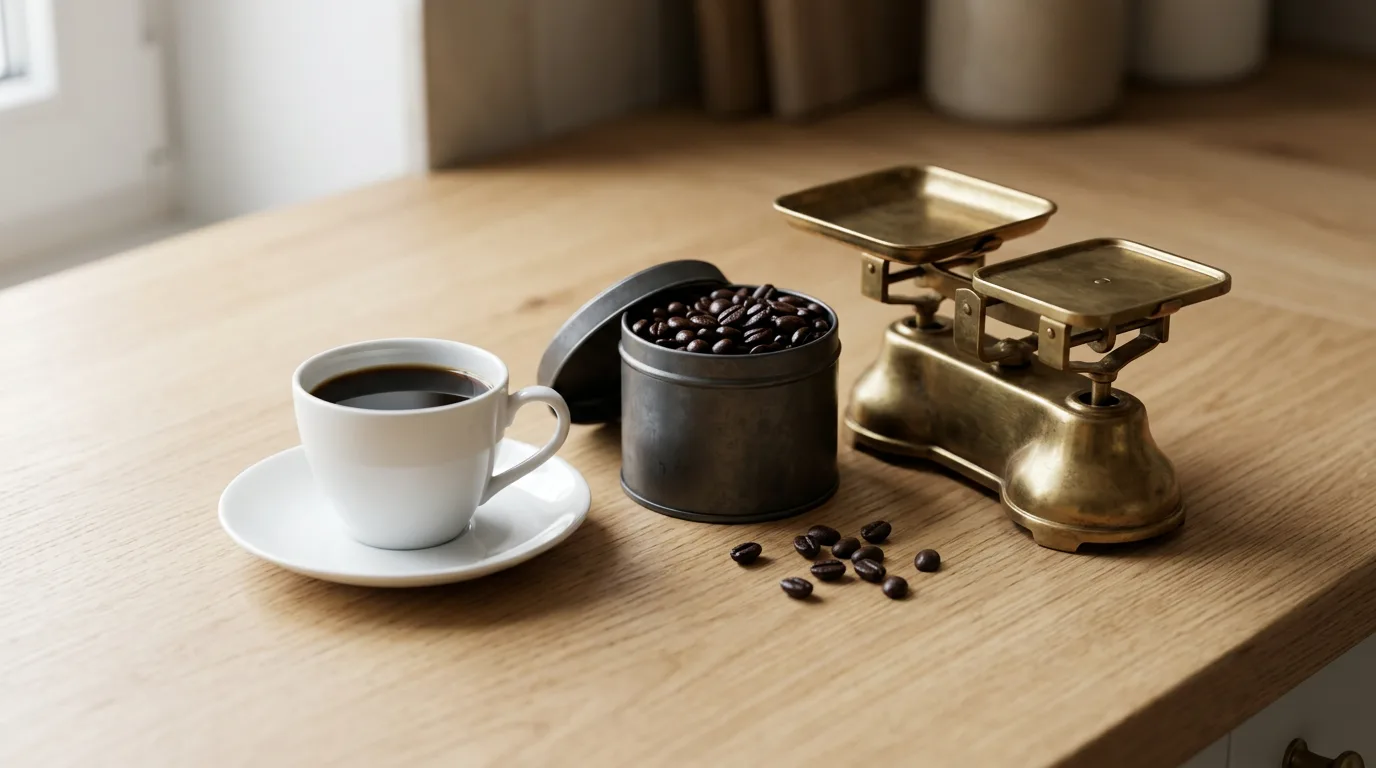
The most expensive coffees in the world fall into two groups. The first is animal-processed coffee: Black Ivory from Thailand, made with elephants, at roughly $1,000 to $1,135 a pound, and kopi luwak from Indonesia, made with civets, at up to about $600 a pound.
The second is rare, high-scoring coffee from famous farms: Hacienda La Esmeralda's Geisha from Panama, Finca El Injerto in Guatemala, Ospina in Colombia, Saint Helena island coffee and Fazenda Santa Ines in Brazil.
The single highest price ever paid for coffee came from that second group. In 2025, a washed Geisha from Hacienda La Esmeralda sold for $30,204 per kilogram, about $13,705 a pound, at the Best of Panama auction. That's green, unroasted coffee, sold in a tiny 20 kg lot.
Why I wrote this guide
Every few months, someone sends me a headline about "the world's most expensive coffee." Sometimes it's elephant coffee. Sometimes it's a Panama Geisha that sold for a price that sounds like a typo.
The lists online rarely agree. One puts kopi luwak at the top, another puts a Colombian brand there, and a third mixes up auction prices for green coffee with retail prices for roasted bags.
So I went back to the sources: auction results, producers' own price lists, competition scores and the reporting around each coffee. I also drew on my own experience tasting a few of them, including several Panama Geishas and a small bag of Saint Helena coffee.
What this guide covers
- The seven coffees that come up again and again as the world's most expensive, and what really sets their price.
- How the prices are measured, because a price per kilo of green coffee is a very different thing from a price per tin of roasted beans.
- What each one tastes like, and which I'd actually recommend.
- How to get a taste of luxury coffee without spending hundreds of dollars.
One thing to keep in mind as you read: prices for these coffees move a lot. Auction results change every year, and many brands set prices more for prestige than for any measurable quality. I've given approximate figures and explained where each one comes from.
What makes a coffee expensive?
Most of us think of coffee as an everyday staple. Even a six-dollar latte doesn't feel outrageous anymore.
But coffee is a fussy crop with a long, fragile supply chain. When several hard-to-control factors come together in one bag, the price can climb far beyond anything you'd see in a supermarket.
The main price drivers
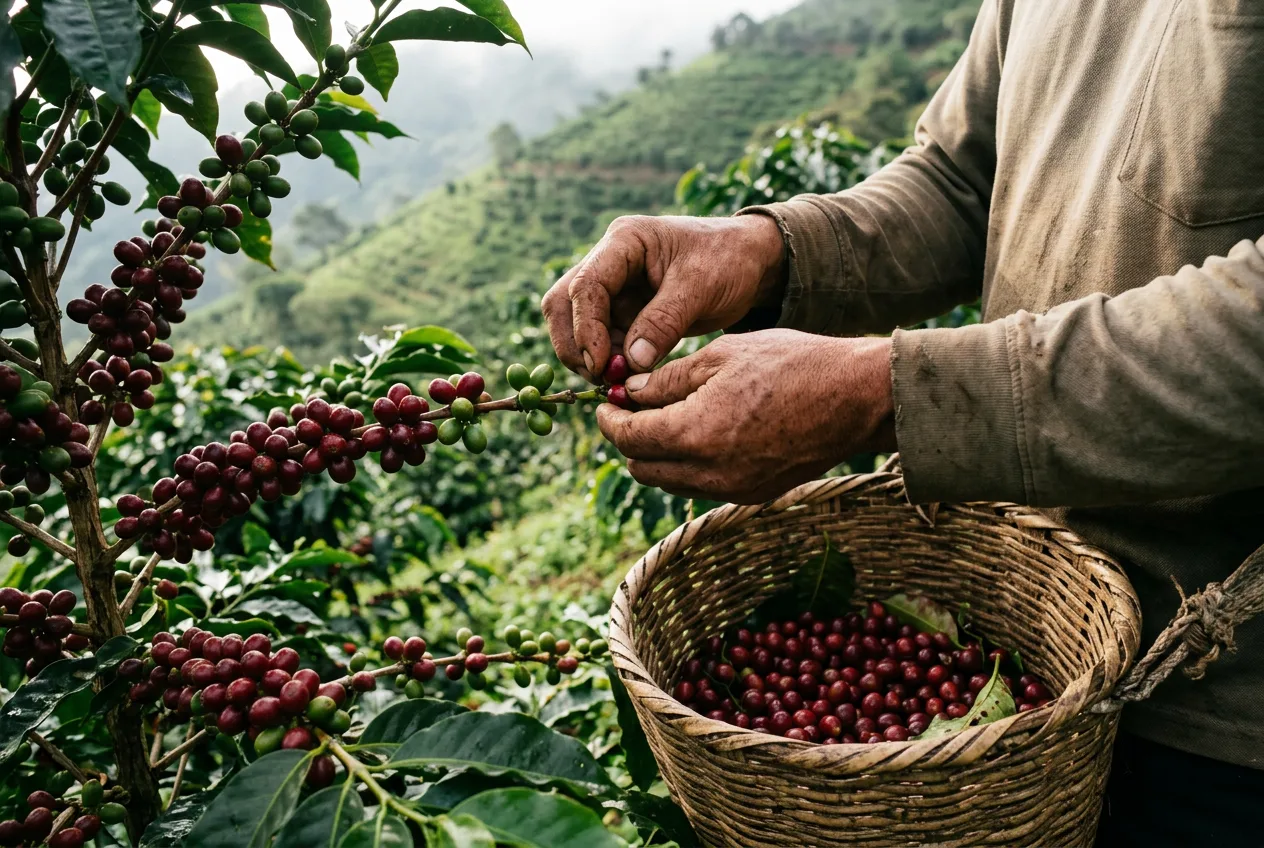
- Rare plant varietiesSome varieties, like Geisha or old Typica, produce far less fruit than modern high-yield plants and are more vulnerable to weather and disease.
- Extreme growing conditionsHigh altitude, specific soils and cool nights slow the cherry's ripening. That builds more sugar and acidity in the bean, but it also means lower yields and harder farming.
- Hand laborThe best cherries are picked by hand, often several passes over the same trees, picking only the ripe ones each time. On steep mountain farms there's no other way.
- Unusual processingFermenting coffee inside an elephant, collecting beans from civet droppings or carefully controlled experimental fermentations all add cost and loss.
- Tiny supplyA whole farm might produce a few hundred kilos of its top coffee. A competition-winning lot can be just 20 kg.
- Remote logisticsCoffee from an isolated island or a single estate costs more to ship, store and export in small amounts.
- Reputation and competitionA high score at a major competition, a famous family name or a great story can push bidding far beyond the cost of production.
If you've read my guide on why single-origin coffee is so expensive, many of these will look familiar. The coffees in this list are simply those factors turned up to the maximum.
Two very different kinds of "expensive"
It helps to split these coffees into two camps.
| Type | Examples | What drives the price |
|---|---|---|
| Novelty and processing | Black Ivory, kopi luwak | An unusual method, a great story and very low yields |
| Quality and scarcity | Esmeralda Geisha, El Injerto, Santa Ines | Blind-tasted scores, rare varieties and auction bidding |
| Origin and brand prestige | Saint Helena, Ospina | History, isolation, family name and limited releases |
That split matters when you decide whether a coffee is "worth it." A coffee in the quality camp earned its price in a blind tasting. A coffee in the novelty camp earned it through a story.
Our tip: When you see a price headline, ask two questions: is this green or roasted coffee, and was it sold at auction or set by the seller? Those two answers explain most of the confusion.
The most expensive coffees at a glance
Here's the full list, ordered roughly by typical price per pound of roasted coffee. Auction records for single lots are covered separately, because they're one-off sales rather than prices you could pay.
| Coffee | Country | Approximate price | Why it's expensive |
|---|---|---|---|
| Ospina Dynasty | Colombia | From ~$790 per 8.8 oz tin | Family name, heirloom Typica, tiny luxury releases |
| Black Ivory | Thailand | ~$1,000 to $1,135 per lb | Fermented by elephants, very low yield |
| Kopi luwak | Indonesia | ~$100 to $600 per lb | Processed by civets, novelty demand |
| Finca El Injerto | Guatemala | Up to ~$500 per lb at auction | Prize-winning estate, rare varieties |
| Saint Helena | South Atlantic | ~$145 to $224 per lb | Remote island, tiny output, Napoleon link |
| Hacienda La Esmeralda | Panama | $200+ per lb; record lots far higher | The Geisha that changed specialty coffee |
| Fazenda Santa Ines | Brazil | ~$20 to $50 per lb | Record Cup of Excellence score |
Typical prices from producers, retailers and published reports. Prices change every harvest and vary by lot and seller.
Approximate price per pound of roasted coffee
Notice the huge range. The coffee at the bottom of this list still costs more than twice as much as a supermarket bag, but the one at the top costs about seventy times more again.
1. Black Ivory Coffee (Thailand)
If any coffee deserves the title of "most expensive you can actually buy," it's Black Ivory. It's made in northern Thailand, and the key ingredient isn't a rare variety or a famous mountain. It's an elephant.
How Black Ivory is made
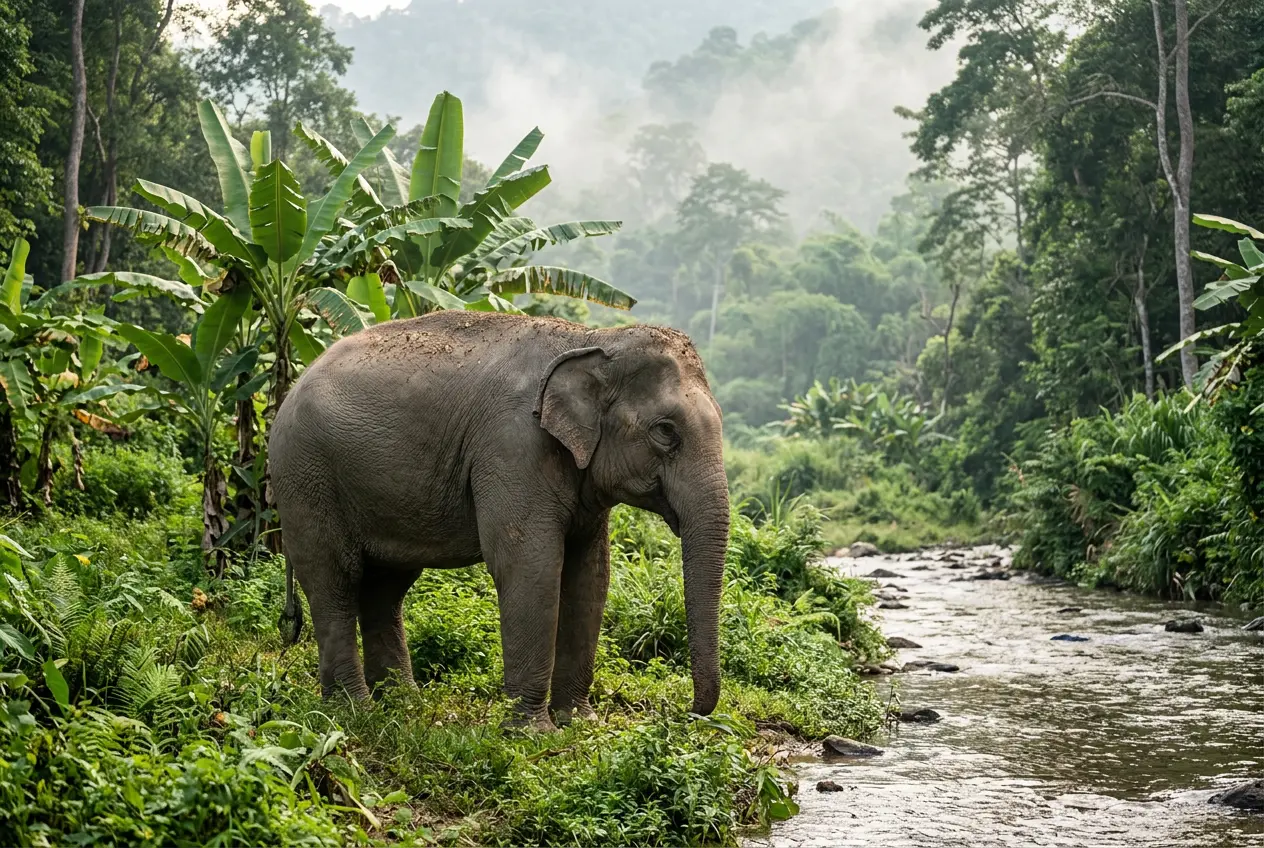
The coffee starts as high-altitude Thai arabica cherries. These are fed to Asian elephants along with their normal diet of fruit like bananas, plus rice and tamarind.
As the cherries pass through the elephant, the beans sit inside a huge, warm fermentation chamber for somewhere between 15 and 70 hours. Then they come out the other end, mostly intact.
- FeedingRipe arabica cherries are mixed into the elephants' food.
- DigestionEnzymes and gut microbes act on the beans for up to about three days.
- CollectionCaregivers and their families pick the beans out of the dung by hand.
- Cleaning and dryingThe beans are washed thoroughly and dried in the sun.
- RoastingThe dried beans are hulled, sorted and roasted in small batches.
Why it costs so much
The biggest reason is waste. It takes about 33 kg of coffee cherries, roughly 72 pounds, to make just 1 kg of finished Black Ivory coffee.
Elephants chew their food, so many beans get crushed. Others are digested completely, lost in tall grass, or washed away when the elephants bathe in the river. Around 10,000 beans have to be picked out by hand for every kilogram of roasted coffee.
What it tastes like
Elephants are herbivores, and the producer's explanation is that their digestion breaks down the proteins in the bean that contribute to bitterness. The fruit and other plants in the elephant's diet are said to add their own subtle notes.
The result is usually described as almost completely free of bitterness, with chocolate, malt, a little spice and an earthy sweetness. Think of it as soft and mellow rather than bright and fruity.
Where you can drink it
Black Ivory is sold mostly to five-star hotels and fine-dining restaurants. When it launched, a serving of a couple of cups cost around $50, and that hasn't gotten any cheaper.
The company says part of its income supports the care of rescued elephants and pays local families who do the collecting. That's a big contrast with caged civet farms, though, as with any luxury product, it's worth reading up on the claims yourself.
Our tip: If you ever see Black Ivory on a hotel menu, order it brewed simply, without milk. Its whole appeal is a smooth, low-bitterness cup, and milk will hide exactly that.
2. Ospina Coffee (Colombia)
Ospina is the most "luxury brand" coffee on this list. It comes from a family that has grown coffee in Colombia for five generations and is closely tied to the history of Colombian coffee itself.
Mariano Ospina Pérez, one of the family's most famous members, helped found Colombia's National Federation of Coffee Growers and later became the country's president. I touch on that federation's role in my guide to Brazilian vs Colombian coffee.
How it's grown
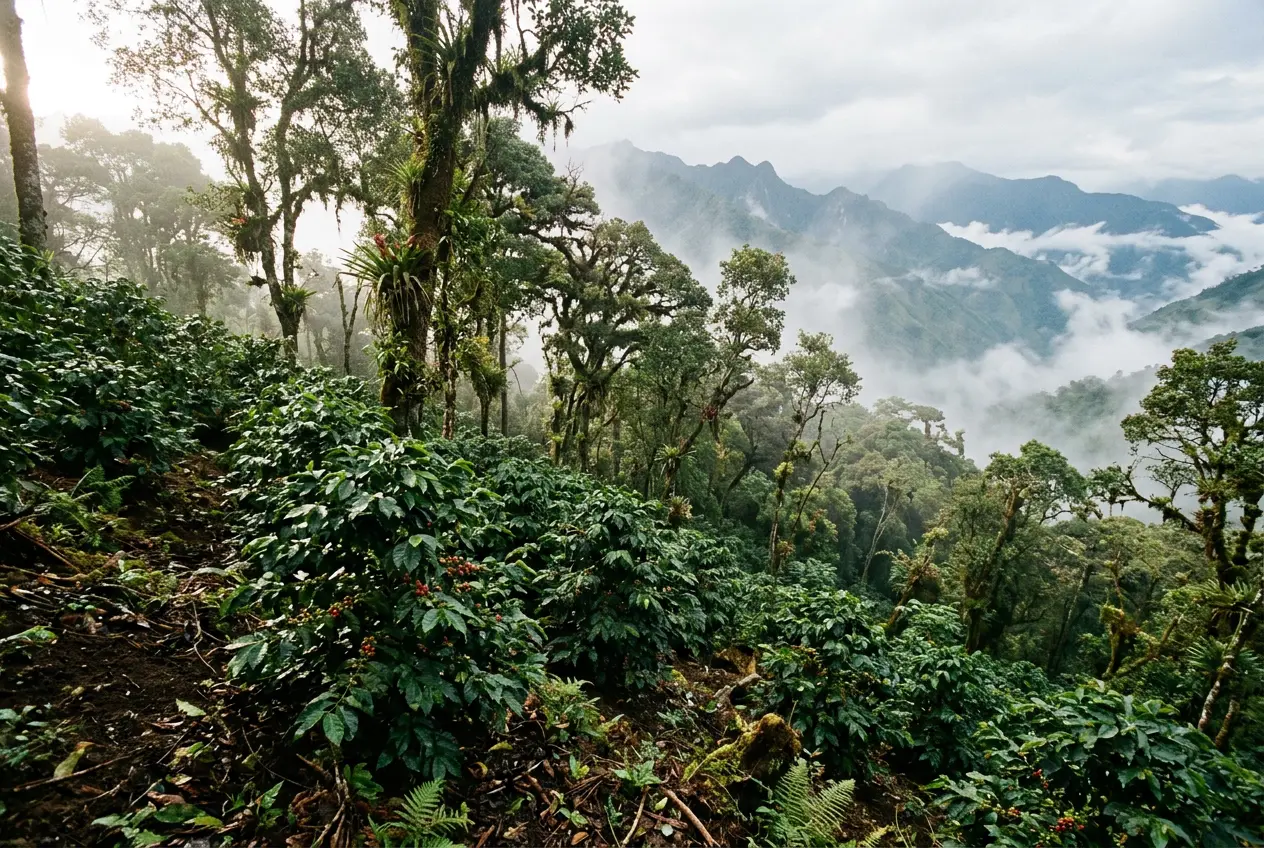
Ospina's top coffees are shade-grown Arabica Typica, one of the oldest coffee varieties. Typica is known for a clean, sweet cup, but it yields much less fruit than modern hybrids.
The trees grow high in the cloud forests of the Colombian Andes, on slopes enriched by volcanic ash. The company lists its top lines as grown above 7,000 feet, which is very high for coffee.
- Variety. Heirloom Arabica Typica.
- Altitude. Above 7,000 feet for the top Dynasty lines, according to the company.
- Soil. Volcanic ash, rich in nutrients.
- Flavor. Warm, smooth and nutty, with notes of almond, chocolate and berries.
The price, and a caveat
The figure most often quoted for Ospina's luxury coffee is about $790 for a single 8.8-ounce (250 g) tin. That works out to more than $1,400 a pound, which would put it at the top of this list.
The company's own product pages list some Dynasty tins at several thousand dollars each. Those are prices set by the brand for limited releases, not results from an open, blind-judged auction.
That's the important difference between Ospina and coffees like Esmeralda Geisha. With Ospina, you're paying for heritage, presentation and exclusivity. I haven't seen independent blind scores that would justify the price on taste alone.
How Ospina recommends brewing it
The company recommends grinding whole beans just before brewing and using pure, filtered water at a carefully controlled temperature, rather than pre-ground coffee or a basic drip machine. That's good advice for any coffee, and essential if you've spent this much.
3. Kopi Luwak (Indonesia)
Kopi luwak is the coffee most people think of first when they hear "world's most expensive." It's made from coffee cherries eaten and excreted by the Asian palm civet, mainly on the Indonesian islands of Sumatra, Java and Bali.
I wrote a full guide on kopi luwak, including my own tasting, so here's the short version.
The essentials
- How it's made. The civet eats ripe cherries, digests the fruit, and passes the beans. They're collected, washed, dried and roasted.
- Flavor. Usually smooth, low in bitterness and low in acidity, with earthy and chocolate notes.
- Price. Typically $100 to $600 a pound, with wild-labeled bags near the top. The figure of about $590 a pound is often quoted.
- The science. Digestion does change the beans slightly, but blind tastings by coffee professionals haven't found it clearly better than good regular coffee.
The ethical problem
Traditional kopi luwak was collected from the droppings of wild civets roaming coffee farms. Wild civets pick only the ripest cherries, and supply is naturally small.
To meet demand, many producers now catch wild civets and keep them in small, barren cages, feeding them mostly coffee cherries. Welfare researchers have documented poor conditions across these farms, and "wild" labels are often impossible to verify.
Caged civets can't choose their cherries either, which undermines the main argument for kopi luwak's flavor in the first place.
Our tip: If you're tempted by kopi luwak, spend the same money on a Panama Geisha or a top natural Ethiopian instead. You'll get a more exciting cup with no animal welfare worries.
4. Finca El Injerto (Guatemala)
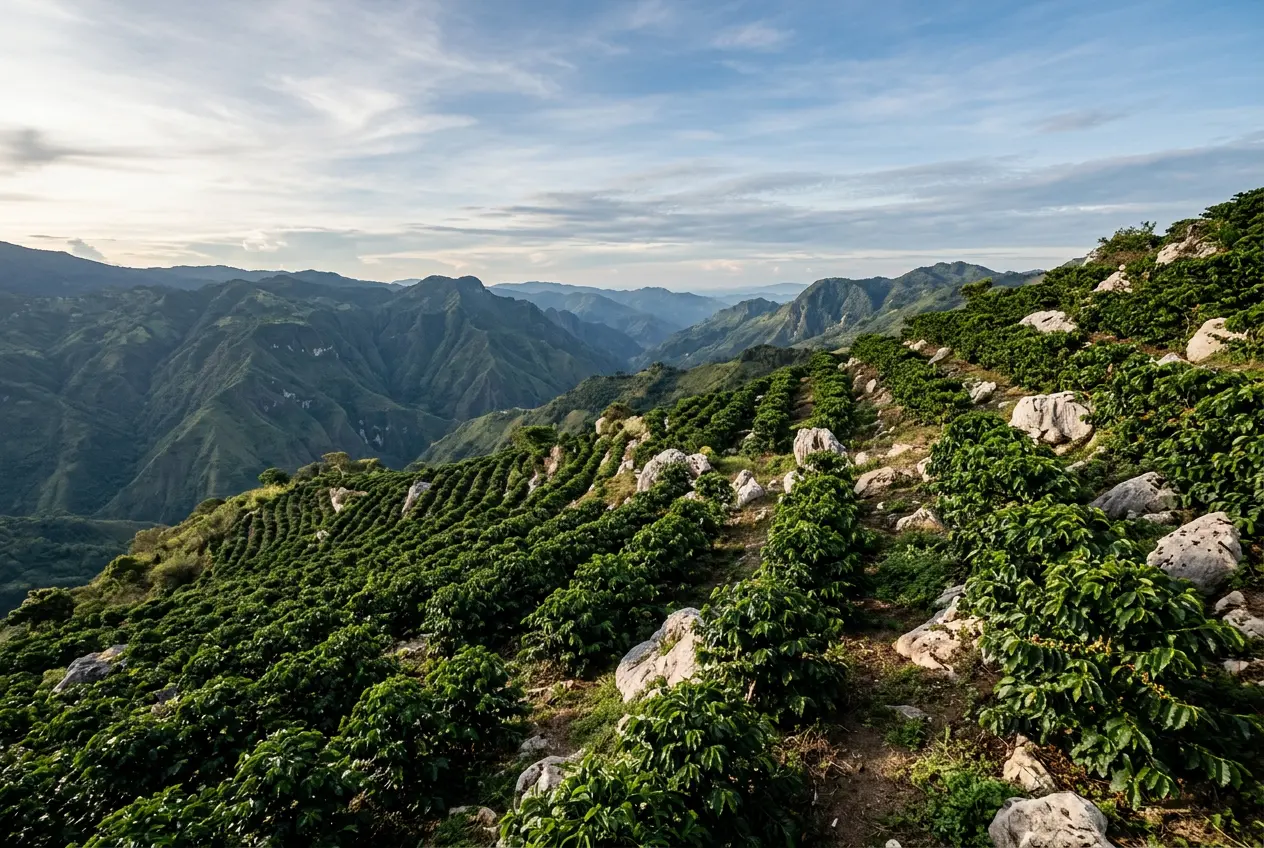
Now we move away from novelty and into pure farming excellence. Finca El Injerto, in the Huehuetenango region of Guatemala, is one of the most celebrated coffee estates in Central America.
The farm is run by the Aguirre family and named after a native local fruit. It has won Guatemala's Cup of Excellence competition several times.
The record price
In 2012, El Injerto held its own private auction. An 8-pound lot of its Mocca, a rare tiny-bean variety, sold for $4,004, or $500.50 a pound. At the time, that was the highest price ever paid for coffee at auction.
The farm also sells a range of more affordable lots. You don't have to pay record prices to taste El Injerto, but its top micro-lots are still among the most expensive coffees in the world.
What makes the coffee special
- High elevation. Cooler mountain conditions slow ripening, building denser beans with more sugar and acidity.
- Limestone soil. Unlike many Central American farms on volcanic slopes, Huehuetenango has mineral-rich, non-volcanic soils that many tasters associate with a clean, bright cup.
- Rare varieties. Alongside classic varieties, El Injerto grows Pacamara, Geisha and Mocca in small, separated lots.
- Certifications. El Injerto was the first coffee farm in Guatemala certified as both carbon neutral and Rainforest Alliance.
If you want to understand why the same plant tastes different in Guatemala, Kenya or Brazil, my guide to coffee growing regions and flavor goes much deeper.
Watch for fakes
Because the El Injerto name carries so much prestige, it gets borrowed. Genuine estate lots are carefully traced. Be cautious of retail bags that use the farm's name but can't tell you which lot, variety and harvest year you're buying.
5. Saint Helena Coffee (South Atlantic)
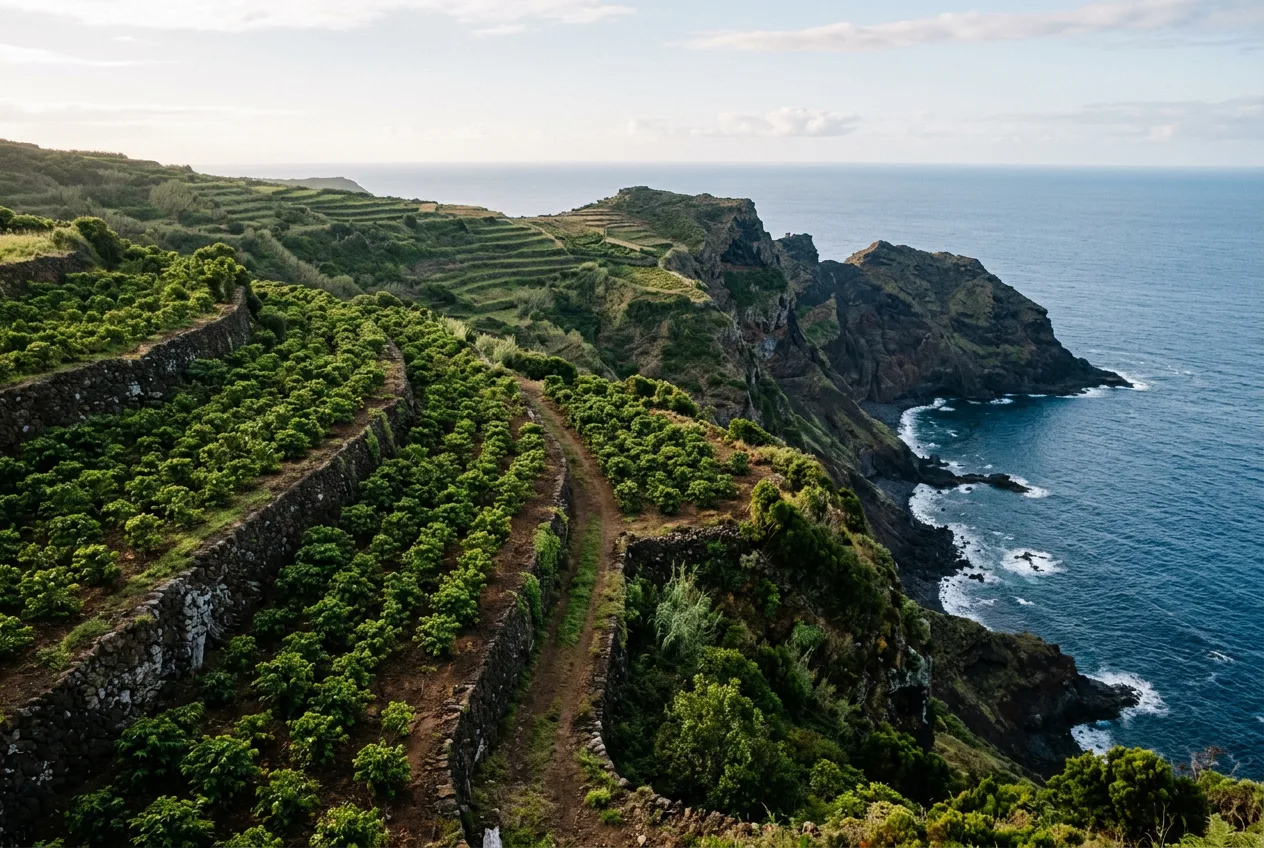
Saint Helena is a tiny volcanic island in the middle of the South Atlantic, more than 1,200 miles from the nearest major landmass. It's best known as the place where the British exiled Napoleon Bonaparte in 1815.
It also grows some of the rarest coffee on the planet. Napoleon reportedly loved it during his final years on the island.
An isolated variety
Coffee arrived on Saint Helena from Yemen in 1733, brought by the British East India Company. The island's trees are a Bourbon type known as green-tipped Bourbon, named for the color of the young leaves.
Because the island is so remote, those trees have been largely isolated from cross-breeding and many of the pests and diseases that affect coffee elsewhere. For coffee lovers, it's a living link to the earliest days of the coffee trade, which I describe in my history of coffee.
Why it's so expensive
- Tiny output. The island produces very little coffee each year.
- Everything happens on the island. Picking, wet processing with local spring water and often roasting are done locally.
- Hard logistics. Shipping to and from Saint Helena is infrequent and expensive.
- History. The Napoleon connection makes it a collector's coffee.
The Starbucks release
In 2016, Starbucks released a small amount of Saint Helena coffee through its Reserve program. It sold 204 numbered 8.8-ounce bags online at $80 each, about $145 a pound, making it the most expensive coffee the company had ever sold. That release represented about a third of the island's crop that year.
Specialty sellers have since listed Saint Helena coffee at around $224 a pound, depending on the harvest and the roaster.
What it tastes like
I've had Saint Helena coffee once, from a small bag a friend brought back. It was beautifully balanced: dark chocolate and black cherry up front, a gentle floral aroma, a little citrus and a smooth, caramel-like finish.
It wasn't loud or wildly fruity. It was clean, round and elegant, which matches the descriptions from professional tasters, including Starbucks' own notes of citrus and caramel.
6. Hacienda La Esmeralda (Panama)
If I had to name one farm that changed specialty coffee, it would be Hacienda La Esmeralda. It's run by the Peterson family on the slopes of Volcán Barú, near Boquete in western Panama.
The Geisha moment
In 2004, the Petersons separated out coffee from Geisha trees growing high on their Jaramillo farm and entered it into the Best of Panama competition. Geisha was an obscure variety, originally from the Gesha area of Ethiopia.
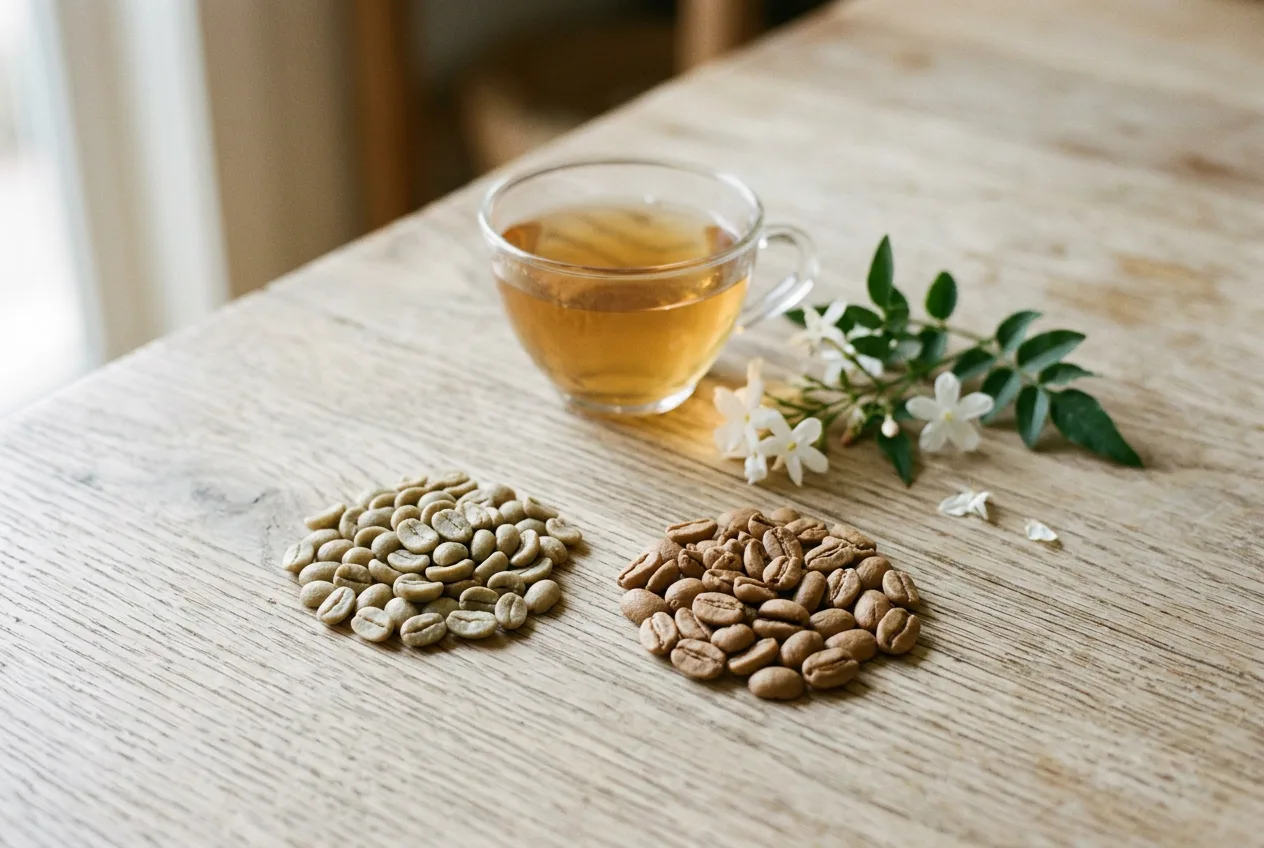
The judges had never tasted anything like it. The coffee was so floral and tea-like that some reportedly suspected it had been flavored. It won, set an auction record, and launched Panama Geisha as the most sought-after coffee in the world.
The farm went on to win Best of Panama many more times, and it now also sells its best lots through its own private auction each year.
Record-breaking prices
Esmeralda's regular top lots typically sell for $200 a pound or more. But its competition lots have set record after record.
Record auction prices for Panama Geisha (green coffee, per pound)
Best of Panama auction highs. The 2024 and 2025 figures were reported per kilogram ($10,013 and $30,204) and converted here.
The 2025 record lot was a washed Geisha that scored 98 points, the highest score ever given at Best of Panama. The 20 kg lot sold for $604,080, which works out to $30,204 per kilogram, to a buyer in Dubai.
The same auction saw Esmeralda sell a natural Geisha for $23,608 per kilogram. The estate took the three highest prices of the event.
What Geisha tastes like
I've tasted several Panama Geishas, including one Esmeralda lot, and the experience is unlike most coffee. It's light, delicate and very aromatic.
- Aroma. Jasmine and other white flowers, often very strong as soon as you grind.
- Flavor. Bergamot, like Earl Grey tea, plus peach, papaya, citrus and honey.
- Body. Light and silky, closer to tea than to a heavy espresso blend.
- Finish. Long, sweet and clean.
The price reflects real scarcity: Geisha trees yield little, are sensitive to weather and need very high altitude to taste like this. Here, unlike with most novelty coffees, the price is backed by blind scores from professional judges.
Our tip: You don't need an auction lot to taste great Geisha. Many specialty roasters sell Panama Geisha in 100 g or 4 oz bags, which is enough for six or seven careful pour-overs.
7. Fazenda Santa Ines (Brazil)
Brazil is the world's biggest coffee producer, and most of its coffee is grown for volume, not luxury. Fazenda Santa Ines is the exception that proves Brazil can compete at the very top.
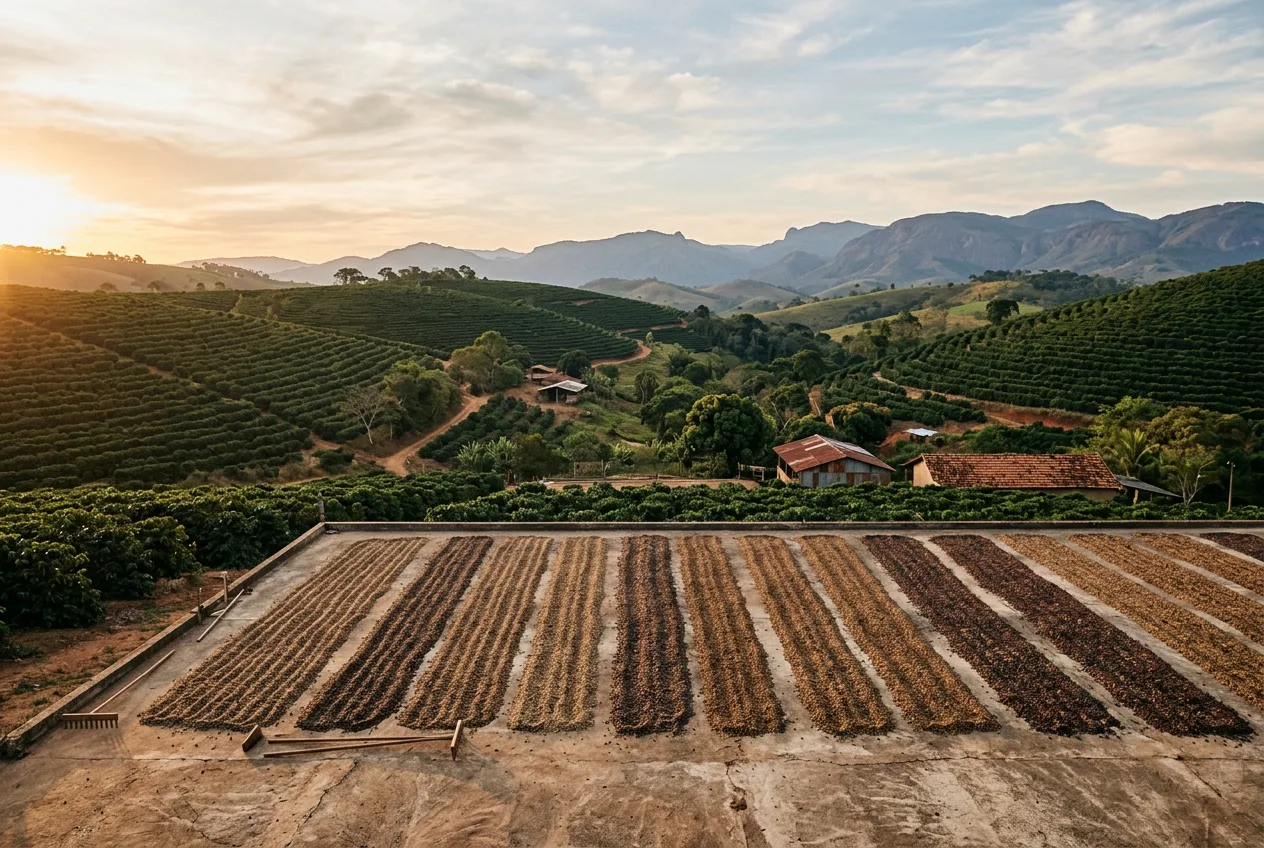
The farm is in Carmo de Minas, in the south of Minas Gerais state, near the foot of the Mantiqueira mountains. It has been run by the Pereira family since 1979.
The record score
In 2005, Fazenda Santa Ines entered a pulped natural Bourbon into Brazil's Cup of Excellence. An international jury scored it 95.85 out of 100.
That was a record score for the competition at the time, and it remains one of the most famous results in Cup of Excellence history. Most specialty coffee scores in the mid-80s, so a score above 95 is extraordinary. I explain the scoring scale in my guide to what specialty coffee is.
The price
Santa Ines coffee usually sells for around $20 to $50 a pound. That's the cheapest coffee on this list by far, and it's fair to ask whether it belongs here at all.
I think it does, because it shows something important. Compared with ordinary Brazilian coffee, which trades for a few dollars a pound, it's a huge premium. And unlike several coffees above it, the price is earned entirely in the cup.
What it tastes like
Santa Ines is known for very low acidity, syrupy sweetness and notes of stone fruit, caramel and berries. The farm benefits from high elevation for Brazil, good soils and careful sorting and drying.
It's a good example of how processing shapes flavor. A pulped natural, sometimes called honey process, keeps some of the fruit's sweetness on the bean while it dries. My guide to coffee processing methods explains how that works.
Our tip: If you want to see how good Brazilian coffee can be, look for Cup of Excellence lots from the Mantiqueira de Minas region. They cost a fraction of the coffees above and taste far better than a typical espresso blend.
How coffee auction prices really work
Most record-breaking coffee headlines come from auctions. To read them properly, it helps to understand what's actually being sold.
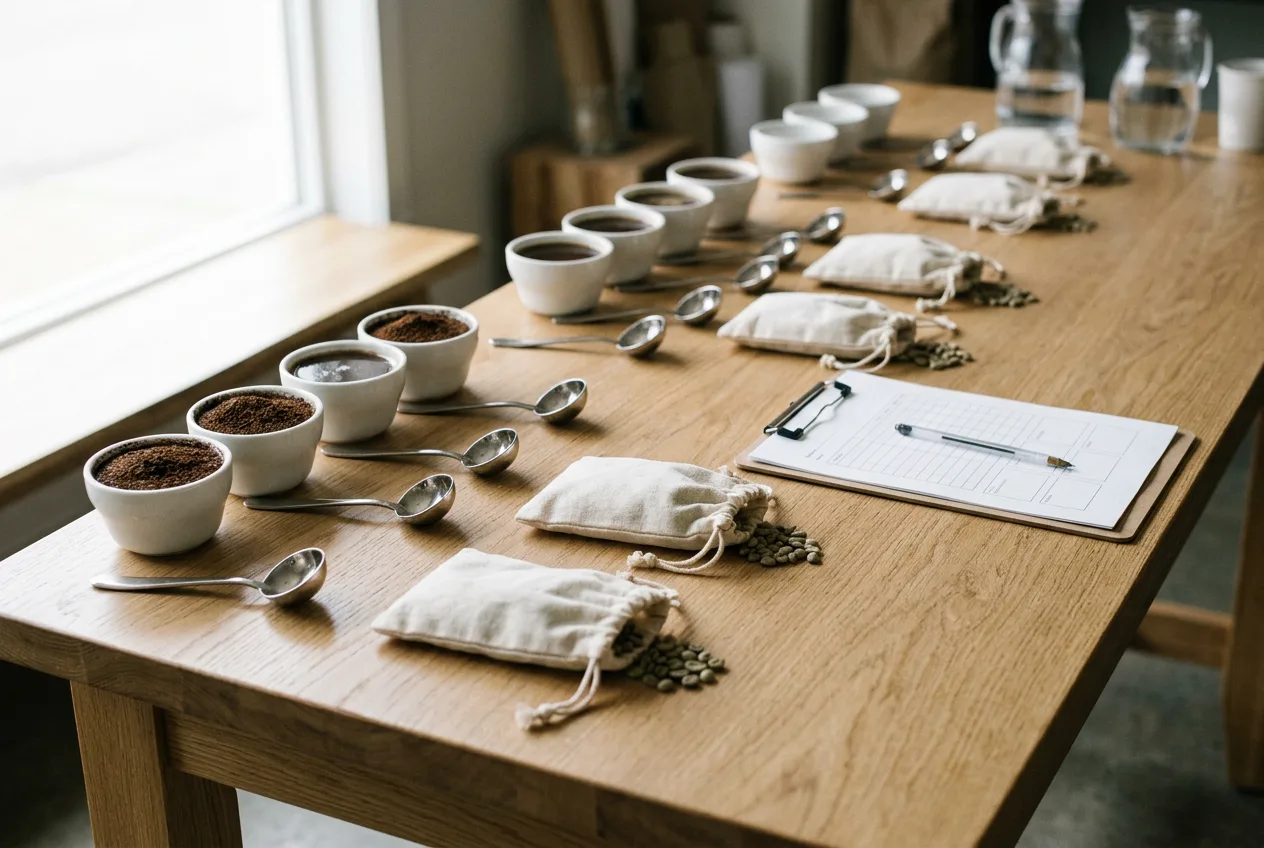
Green coffee, not roasted
Auction prices are almost always for green coffee, the raw, unroasted seeds. Roasting removes moisture, so beans lose roughly 15 to 20 percent of their weight in the roaster.
The roaster who buys the lot also pays for shipping, roasting, packaging and their own margin. So the price per pound of roasted coffee on the shelf is always much higher than the auction price per pound of green coffee.
Per kilo vs per pound
Many auctions now report results per kilogram, while many shops in the US price per pound. One kilogram is about 2.2 pounds, so a price per kilo looks more than twice as big.
Small lots, big headlines
Record lots are tiny, sometimes just 10 or 20 kg. For a big buyer, paying a record price for a small lot is partly about prestige and publicity. The coffee might be served by the cup at a premium café, or sold in very small tins.
The same auctions also sell many lots at much lower prices. At the 2025 Best of Panama auction, the average price across all lots was about $2,861 per kilogram, still very high, but a long way below the headline.
How the main auctions work
- Farmers submit samplesProducers enter their best lots into a national competition such as Cup of Excellence or Best of Panama.
- Blind judgingPanels of trained cuppers taste and score the coffees without knowing who grew them.
- Winners go to auctionThe top-scoring lots are sold in an online auction to buyers around the world.
- Money goes back to the farmMost of the sale price goes to the producer, which is why these auctions matter so much to farmers.
Private auctions like Esmeralda's and El Injerto's work in a similar way, but the farm controls which lots are offered.
What these coffees cost per cup
Price per pound is abstract. Price per cup is easier to picture. I use about 15 g of coffee for a typical mug, which means one pound of roasted coffee makes about 30 cups.
| Coffee | Approx. price per lb | Approx. cost per cup |
|---|---|---|
| Supermarket ground coffee | $9 | $0.30 |
| Good specialty single origin | $30 | $1 |
| Fazenda Santa Ines | $21 to $50 | $0.70 to $1.70 |
| Saint Helena | $145 to $224 | $5 to $7.50 |
| Kopi luwak (wild-labeled) | $590 | About $20 |
| Black Ivory | $1,135 | About $38 |
| Ospina Dynasty tin | $1,430 | About $48 |
| 2025 record Esmeralda lot | About $16,300 roasted* | About $540 |
*The green price of about $13,705 per pound adjusted for roughly 16% roasting weight loss, before any roaster costs or margin. Home brewing at 15 g per cup.
Seen this way, most of these coffees are expensive but not absurd as a treat. A cup of Saint Helena costs about the same as a fancy café latte. A cup of Black Ivory costs about the same as a cocktail at a hotel bar.
The record auction lots are a different world. At roughly $540 a cup in beans alone, they're closer to rare wine than to coffee.
Our tip: Weigh your coffee when you brew a rare bag. Eyeballing scoops wastes beans, and at these prices every gram counts.
Are the world's most expensive coffees worth it?
It depends on what you're paying for. Here's how I'd think about each one.
| Coffee | What you pay for | My verdict |
|---|---|---|
| Hacienda La Esmeralda | Proven quality, rare variety | Worth it in small amounts |
| Finca El Injerto | Prize-winning farm, rare varieties | Worth it, especially regular lots |
| Fazenda Santa Ines | Exceptional Brazilian quality | Great value |
| Saint Helena | History, isolation, rarity | A lovely once-in-a-while treat |
| Black Ivory | Novelty, experience | An experience, not an everyday coffee |
| Ospina | Brand and heritage | Hard to justify on taste alone |
| Kopi luwak | Novelty | I'd skip it |
The case for buying one
- A great Geisha or Cup of Excellence lot can genuinely change how you think about coffee.
- Competition and auction coffees pay farmers far more than commodity prices, which rewards quality.
- Rare coffees make memorable gifts and special-occasion treats. I list more ideas in my gifts for coffee lovers guide.
The case against
- Above a certain price, you're paying mostly for scarcity, story or brand, not for a better cup.
- Delicate coffees are easy to ruin with a poor grinder, the wrong water or stale beans.
- Animal-processed coffees raise welfare questions and are often hard to verify.
My view
If you want the most exciting coffee money can buy, I'd point you to a top Panama Geisha, not to animal-processed coffee. It's the one luxury coffee where the price has been tested again and again by blind judges.
For most people, the sweet spot is a good Geisha or a Cup of Excellence lot at $20 to $60 for a small bag. That gets you about 90 percent of the magic for a tiny fraction of the record prices.
How to brew a rare, expensive coffee
If you've spent serious money on a bag, the last thing you want is to waste it. Expensive coffees are often light-roasted and delicate, so a gentle, careful brew shows them off best.
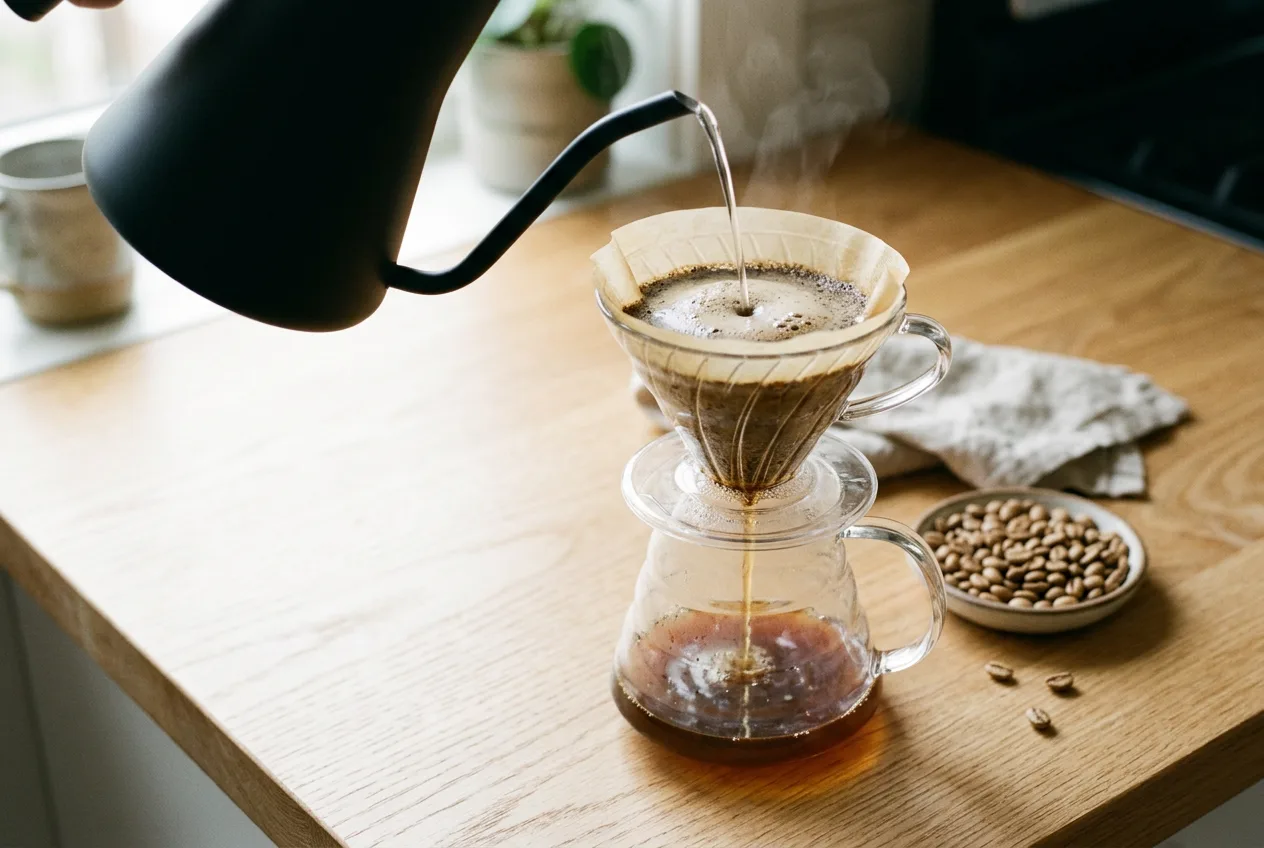
My go-to pour-over recipe
- Rest the beansLight-roasted specialty coffee usually tastes best one to three weeks after roasting. My guide to coffee freshness and resting explains why.
- Weigh itUse 15 g of coffee to 250 g of water, about 1:16.
- Grind just before brewingMedium-fine, a bit like table salt. A good burr grinder makes a big difference with delicate coffees.
- Use good waterFiltered water at about 200 to 205°F. Very hard or very soft water can flatten flavor.
- BloomPour about 40 g of water, wait 30 to 45 seconds, then pour the rest slowly in circles.
- Taste as it coolsFloral and fruity notes often open up after five to ten minutes.
Which coffee for which method
- Geisha, El Injerto, Saint Helena. Pour-over brings out their aroma and clarity.
- Black Ivory, kopi luwak, Santa Ines. A French press suits their smooth, heavier, chocolaty style.
- Espresso. Possible with any of them, but you'll use more coffee per cup and lose some of the subtle aromatics.
What to avoid
- Milk and sugar. They cover exactly what you paid for.
- Pre-ground coffee. Grinding releases aroma within minutes.
- Poor storage. Keep beans in an airtight, opaque container away from heat. My guide to storing coffee beans covers freezing rare coffee too.
Our tip: Brew your first cup of a rare coffee side by side with a coffee you know well. The comparison makes the differences much easier to notice.
How to taste luxury coffee on a budget
You don't need to spend hundreds of dollars to taste what makes these coffees special. Here's what I'd suggest instead.
| If you're curious about | Try | Why |
|---|---|---|
| Esmeralda Geisha | A 100 g bag of Panama or Colombian Geisha | Same jasmine and bergamot style, far lower price |
| Competition-level quality | Cup of Excellence lots from roasters | Blind-scored coffees, often under $40 a bag |
| Fruity, unusual cups | Natural-processed Ethiopian coffee | Berry and floral notes from drying in the fruit |
| Smooth, low bitterness | A good Brazilian pulped natural | Sweet, chocolaty and gentle |
| Rare varieties | Pacamara, Sidra or old Bourbon lots | Distinctive flavors without auction pricing |
Other ways to save
- Buy small. Many roasters sell rare coffees in 50 to 100 g bags or sample packs.
- Order by the cup. Some specialty cafés serve Geisha or competition lots by the cup, so you can taste before buying a bag.
- Share a bag. Split a rare coffee with a few friends and turn it into a tasting.
- Join a subscription. Some specialty subscriptions include rare lots that would be hard to buy otherwise.
If you're new to buying good coffee, my guide on how to choose coffee beans explains what to look for on the label.
Where coffee prices are heading
Coffee is one of the most heavily traded agricultural products in the world, and producing countries export millions of bags every year. Behind each one is a lot of human work, from planting seedlings to picking cherries by hand on steep slopes.
Why prices are likely to keep rising
- Climate change. Rising temperatures and erratic rain threaten to shrink the areas where good arabica can grow.
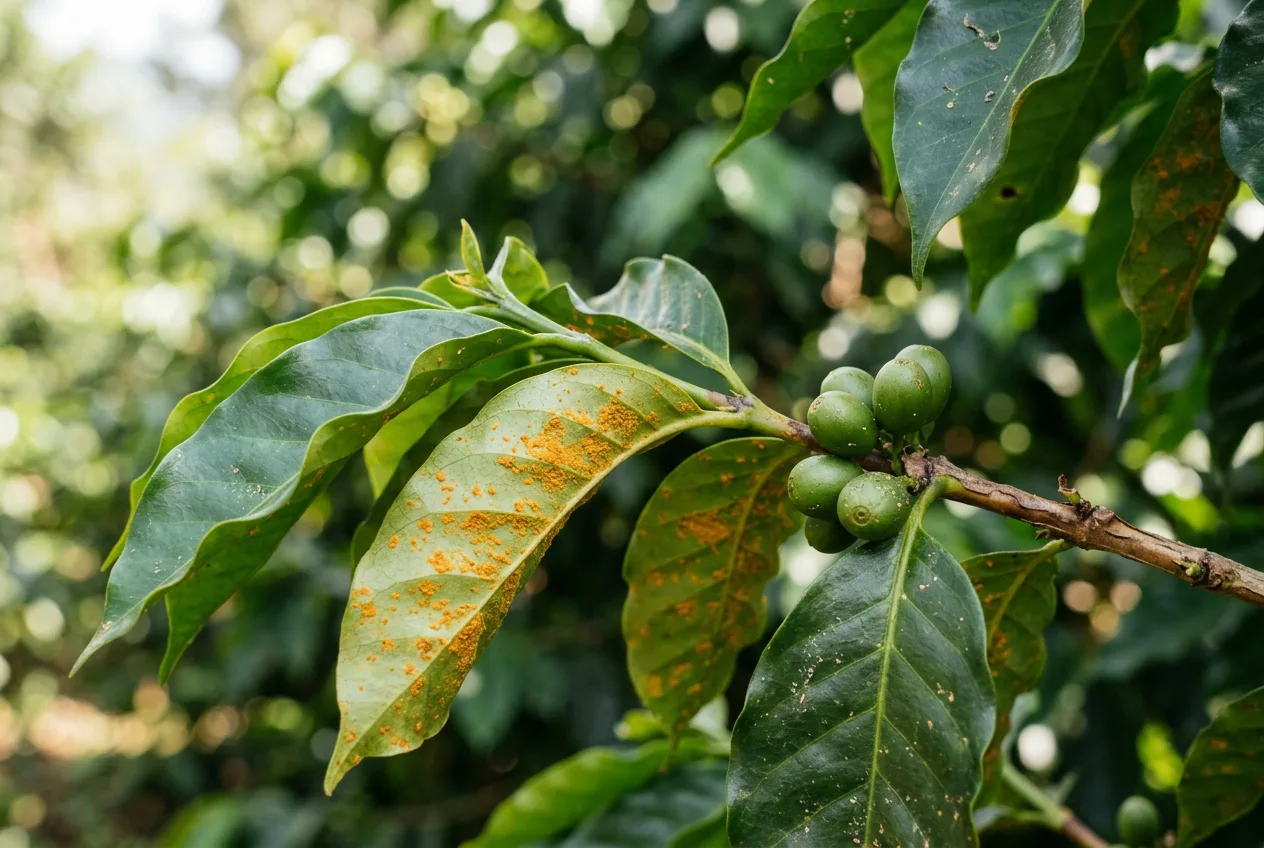
- Plant disease. Coffee leaf rust and other diseases spread more easily in warmer, wetter conditions.
- Labor costs. Hand-picking is expensive, and fewer young people want to work on coffee farms.
- Growing demand. More people around the world are drinking specialty coffee, especially in Asia and the Middle East.
That pressure affects everyday coffee too, not just luxury lots. But it hits fragile, low-yield varieties like Geisha and Typica hardest, which means the coffees on this list are likely to stay scarce and expensive.
A new kind of buyer
Recent record lots have gone to buyers in Dubai, China, Japan and Taiwan. Luxury coffee is increasingly treated like fine wine or rare whisky, with collectors and prestige cafés willing to pay a premium for a famous name and score.
For farmers, that's mostly good news. For home brewers, it means the very top lots will keep moving further out of reach, while excellent coffee at a few dollars a cup remains easy to find.
Myths about expensive coffee
"Kopi luwak is the most expensive coffee in the world"
It's the most famous, not the most expensive. Black Ivory, Ospina and top Panama Geisha lots all cost more, and record Geisha lots cost many times more.
"More expensive always means better"
Not necessarily. Some prices are driven by novelty or brand rather than taste. Blind-judged coffees are the best guide to quality.
"Auction prices are what you'll pay in a shop"
Auction prices are for tiny lots of green coffee. What you pay for a roasted bag depends on the roaster, and the record lots are rarely sold to the public by the bag at all.
"Animal digestion makes coffee better"
It changes the beans slightly, mostly making them smoother. But blind tastings haven't shown animal-processed coffee to beat great regular specialty coffee.
"Expensive coffee needs fancy equipment"
A decent burr grinder, a simple pour-over cone, a scale and filtered water are all you need to do a rare coffee justice.
"Brazilian coffee can't be luxury coffee"
Fazenda Santa Ines set a record Cup of Excellence score. Brazil produces plenty of exceptional coffee alongside its huge commodity crop.
The most expensive coffees at a glance
| Coffee | Key fact | Flavor |
|---|---|---|
| Black Ivory | Fermented by elephants; 33 kg cherries per kg | Chocolate, malt, spice, no bitterness |
| Ospina | Five-generation family; heirloom Typica | Warm, nutty, smooth |
| Kopi luwak | Processed by civets; serious welfare concerns | Smooth, low acidity, earthy |
| Finca El Injerto | $500.50 per lb record in 2012 | Clean, bright, complex |
| Saint Helena | Green-tipped Bourbon from Yemen, 1733 | Black cherry, chocolate, citrus, caramel |
| Hacienda La Esmeralda | $30,204 per kg record in 2025 | Jasmine, bergamot, tropical fruit |
| Fazenda Santa Ines | 95.85 Cup of Excellence score in 2005 | Sweet, low acidity, fruit and caramel |
My bottom line
The world's most expensive coffees are a mix of genuine excellence, extreme scarcity and clever storytelling. The best of them, like Esmeralda Geisha and El Injerto, show just how extraordinary coffee can be.
If you want to splurge, buy a small bag of a top Geisha or a Cup of Excellence winner, brew it carefully, and share it with someone who'll appreciate it. That's the most rewarding way I know to spend money on coffee.
Frequently asked questions
What is the most expensive coffee in the world?
The highest price ever paid for coffee was $30,204 per kilogram for a washed Geisha from Hacienda La Esmeralda in Panama, at the 2025 Best of Panama auction. Among coffees you can regularly buy, Black Ivory from Thailand and Ospina's luxury tins from Colombia are usually the most expensive, at well over $1,000 a pound.
How much does the most expensive coffee cost per cup?
At about 15 g per cup, a pound of Black Ivory works out to roughly $38 a cup in beans. The 2025 record Esmeralda lot would cost around $540 a cup in beans alone.
Is kopi luwak the most expensive coffee?
No. It's the most famous expensive coffee, usually selling for $100 to $600 a pound, but Black Ivory, Ospina and top Panama Geisha lots cost more.
What is Black Ivory coffee?
Black Ivory is a Thai coffee made from arabica cherries eaten by elephants. The beans ferment in the elephant's gut, are collected by hand from the dung, then washed, dried and roasted. It takes about 33 kg of cherries to make 1 kg of coffee.
Why is Geisha coffee so expensive?
Geisha trees produce little fruit, need very high altitudes and are sensitive to weather. Top lots also score extremely well in blind competitions, which drives fierce bidding at auctions.
Why is Saint Helena coffee so rare?
It's grown only on a tiny, remote island in the South Atlantic, from an isolated Bourbon variety that arrived from Yemen in 1733. The island produces very little coffee, and shipping is difficult.
Are expensive coffees worth it?
Some are. Blind-judged coffees like Panama Geisha and Cup of Excellence winners often taste remarkable. Coffees priced mainly on novelty or brand, like kopi luwak, are much harder to justify.
Where can I buy the world's most expensive coffees?
Black Ivory is mostly served in luxury hotels and restaurants. Geisha, El Injerto and Cup of Excellence lots are sold by specialty roasters, often in small bags. Saint Helena coffee appears occasionally from specialty sellers.
How should I brew an expensive coffee?
Grind fresh, weigh your coffee and water, use filtered water at about 200 to 205°F and brew with a pour-over or French press. Skip milk and sugar so you can taste what you paid for.
Will coffee keep getting more expensive?
Most likely. Climate change, plant diseases and rising labor costs are putting pressure on supply, especially for delicate, low-yield varieties like Geisha and Typica.

- Michael Reynolds, notes from tasting Panama Geisha and Saint Helena coffee at home
- Best of Panama auction sees world-record price, Global Coffee Report (2025)
- A Panama Gesha broke price records (again), Sprudge
- Best of Panama auction sets new Washed Geisha record, BeanScene
- Our story, Hacienda La Esmeralda
- Journeying deep into Panama to try a $1,000 coffee bean, InsideHook
- The most exclusive coffee in the world is harvested from elephant poo, Smithsonian Magazine
- World's most expensive coffee, Luxury Travel Magazine
- Guatemalan coffee brings highest price ever paid for coffee beans, Blackout Coffee
- Starbucks selling truly rare St. Helena coffee for about $145 per pound, Daily Coffee News
- Fazenda Santa Ines, Brazil 2005, 95.85, Alliance for Coffee Excellence
- Ospina Coffee products, Ospina Coffee
Related guides
Kopi luwak explained Why single-origin coffee is so expensive What is specialty coffeeWritten by Michael Reynolds. Last updated November 18, 2026.