Kopi Luwak Explained: What Civet Coffee Is, How It Tastes and Why It's So Controversial
Kopi luwak is coffee made from beans that have passed through an Asian palm civet. It's famous for its price, its strange story and a smooth, mellow cup. It's also tied up with caged animals and fake bags. Here's what it is, what the science says, what I tasted, and what I'd tell a friend before they buy.
We choose products independently. We may earn a commission through links on this page; your price stays the same. Affiliate policy
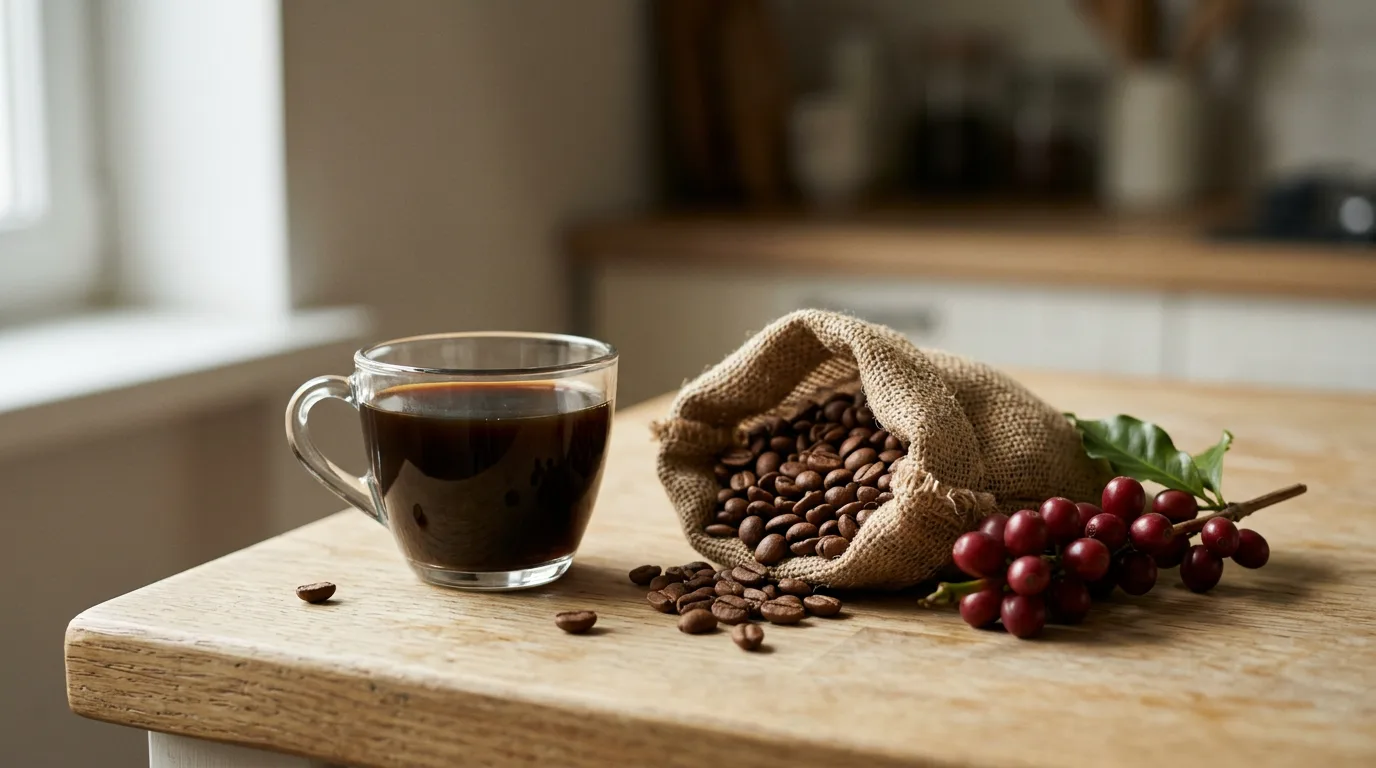
Kopi luwak, or civet coffee, is made from coffee cherries that have been eaten and excreted by the Asian palm civet, a small, cat-sized mammal from Southeast Asia. Workers collect the beans from the droppings, wash them thoroughly, dry, hull and roast them.
It's one of the most expensive coffees in the world, usually somewhere between $100 and $600 a pound. Fans describe a smooth, low-bitterness cup. Studies do show the beans change chemically in the animal's gut, but blind tastings by coffee professionals haven't found it clearly better than good regular coffee.
The big problem is how most of it is made today. Much kopi luwak now comes from wild civets caught and kept in small cages and fed coffee cherries, and bags labeled "wild" are often impossible to verify. If you buy it, buy carefully, or not at all.
My first cup of kopi luwak
I'll be honest: I resisted kopi luwak for years. Part of that was the obvious squeamishness. Most of it was price. A one-pound bag cost me about $200, which is roughly what I'd spend on six or seven bags of excellent specialty coffee.
When I finally bought one, I treated it like an event. I weighed the beans, ground them fresh, brewed a careful pour-over and sat down with nothing else to do.
The aroma was remarkable: floral, with ripe peach, grapefruit and something like kiwi, plus a gentle earthy note underneath. The cup itself was soft and smooth, with berry sweetness up front, chocolate and nougat in the middle and a long, clean finish that reminded me of white tea.
I loved it. I'd have scored it around 9.5 out of 10 on my own home scale.
Then I did the reading
After that cup, I wanted to know why it tasted the way it did. What I found was more complicated than the marketing on the bag.
There's real science showing that a civet's gut changes the beans. There's also good evidence that blind tasters don't reliably prefer it, that a lot of it is fake, and that much of it is produced by keeping wild animals in wire cages.
I can't prove that my $200 bag came from wild civets. That's the honest truth, and it's the part of the story most kopi luwak sellers leave out.
So this guide covers both sides: what makes kopi luwak interesting, and what you should know before you spend money on it.
What is kopi luwak?
"Kopi" is the Indonesian word for coffee, and "luwak" is the local name for the Asian palm civet. So kopi luwak simply means civet coffee.
It's made from coffee beans that have passed through the digestive tract of the civet. The animal eats ripe coffee cherries, digests the sweet fruit, and passes the hard seeds inside, which are the coffee beans.
People then collect those beans from the droppings, clean them, and process them much like any other coffee. In English it's sometimes jokingly called "cat poop coffee," though civets aren't actually cats.
Where it comes from
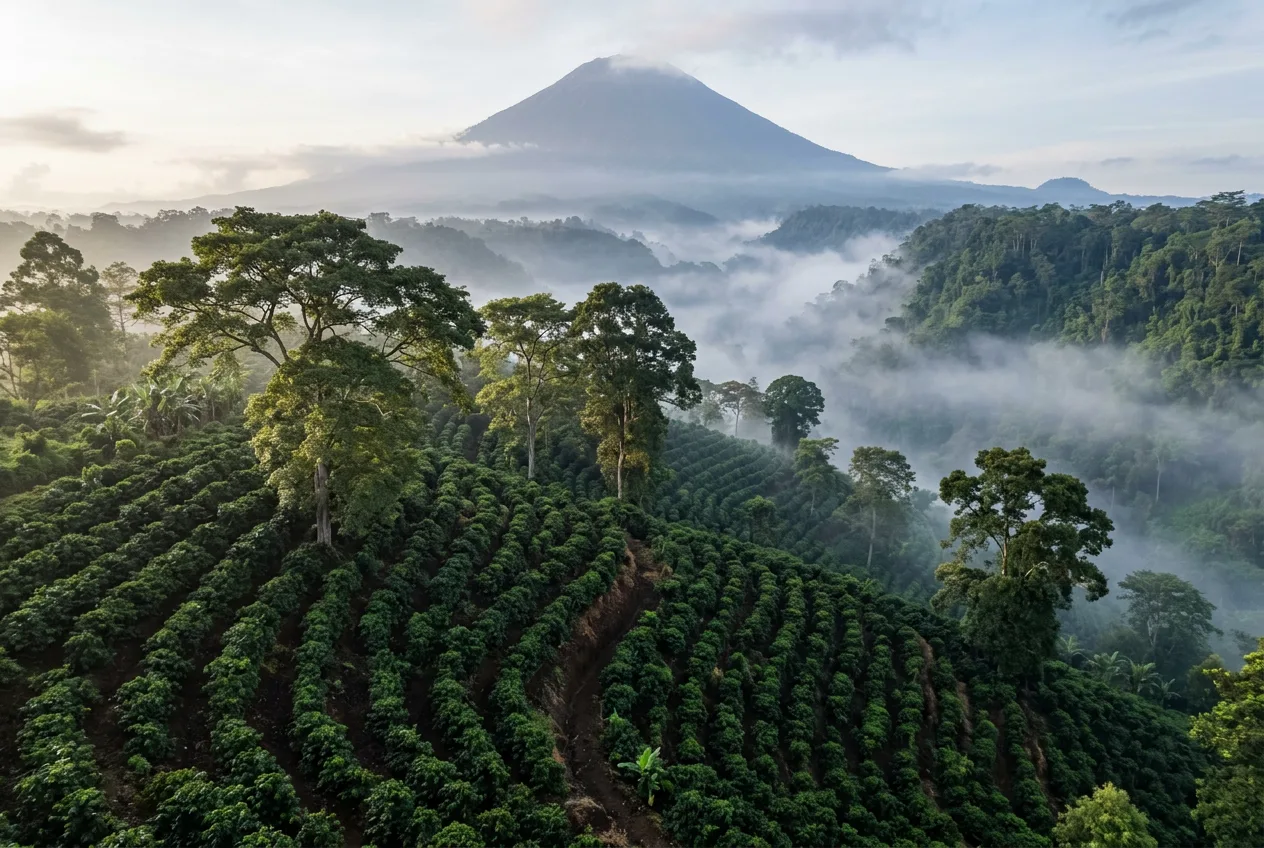
Kopi luwak is most closely linked with Indonesia, especially the islands of Sumatra, Java, Bali and Sulawesi. Similar civet coffees are also made in the Philippines, Vietnam, East Timor, Thailand and parts of southern India.
- Indonesia. Kopi luwak. The original and best-known source.
- Philippines. Known locally as kape alamid or motit coffee.
- Vietnam. Often sold as weasel coffee. Many Vietnamese "weasel" coffees are actually regular beans flavored or processed to imitate it.
- East Timor. Known locally as kafé-laku.
Which coffee species is it?
Kopi luwak isn't a variety or a species of coffee. It's a processing method. The civet will eat whatever ripe cherries it finds, so kopi luwak can be arabica, robusta or the less common liberica.
That matters more than most labels admit. A civet coffee made from good highland arabica will taste very different from one made from lowland robusta. If you want a refresher on the species, see my guide to arabica vs robusta.
Our tip: If a kopi luwak bag doesn't tell you the species, the island or region, and whether the beans are wild-collected, treat that as a warning sign rather than a minor detail.
Meet the Asian palm civet
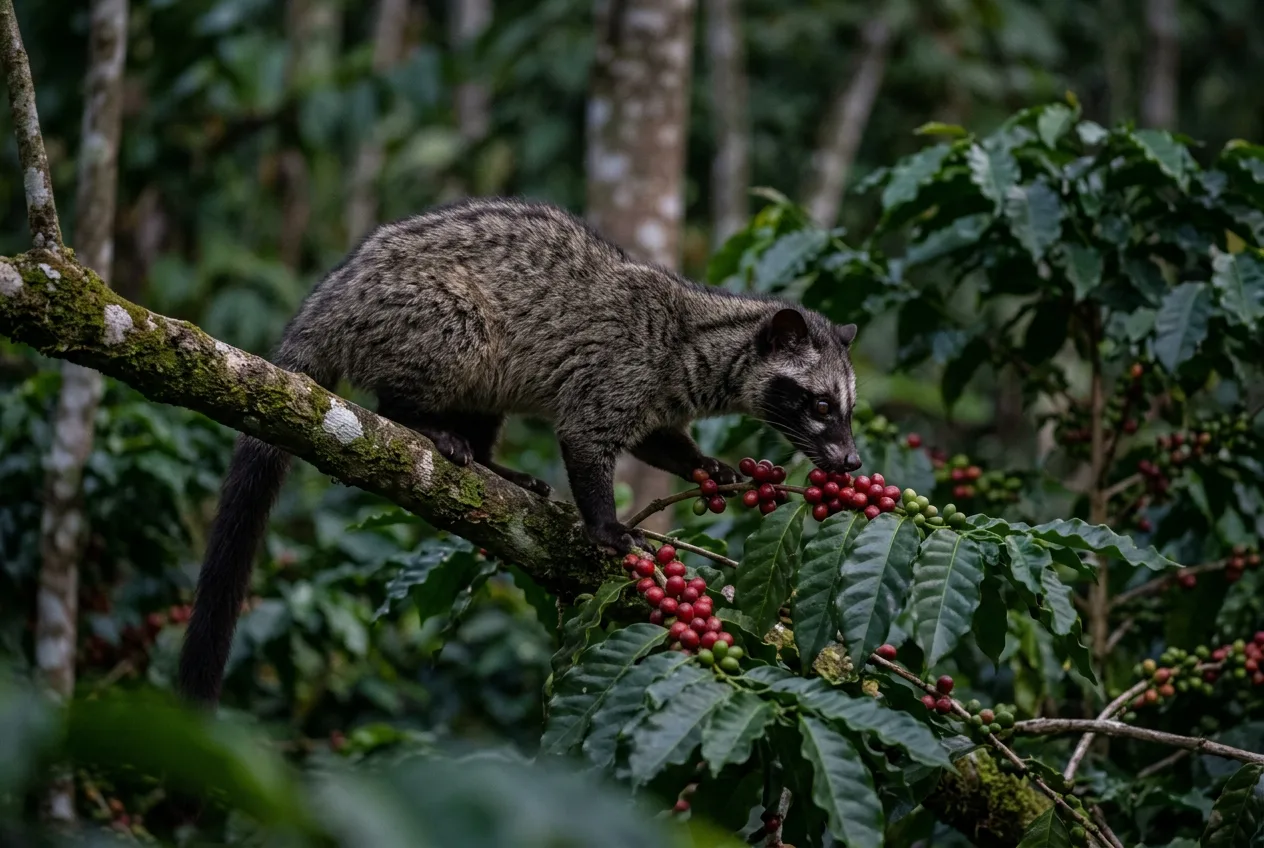
The animal behind kopi luwak is the Asian palm civet, Paradoxurus hermaphroditus. It's a slender, long-tailed mammal about the size of a house cat, with grey-brown fur and a dark, mask-like face.
Despite the "civet cat" nickname, it isn't a cat at all. Civets belong to their own family of small carnivores, closer to mongooses than to anything in your living room.
How it lives in the wild
- Nocturnal. It's active at night and spends much of its time in trees.
- Omnivorous. It eats ripe fruit, insects, small animals and nectar, not just coffee.
- Choosy with fruit. In the wild, civets tend to pick the ripest, sweetest cherries they can find.
- Solitary. Adults usually live and forage alone across a wide home range.
Those last two points matter. The traditional argument for kopi luwak is that a wild civet acts like a very picky harvester, choosing only perfectly ripe cherries, and eats coffee as one small part of a varied diet.
A caged civet has no such choice. It's given whatever cherries it's fed, often in far larger amounts than it would ever eat naturally.
Is the Asian palm civet endangered?
No. The species is widespread across South and Southeast Asia and isn't considered globally threatened. But researchers have warned that taking civets from the wild to supply coffee farms could put pressure on local populations, and the animals' welfare in captivity is a separate and serious problem.
The history of kopi luwak
Kopi luwak's story begins with colonial coffee farming in what is now Indonesia.
Dutch coffee on Java
Dutch traders brought coffee plants to Java in the late 1600s and built a large, profitable export trade around them. By the 18th century, Java coffee was famous across Europe. I've covered that wider story in my guide to the history of coffee.
In the 19th century, the Dutch colonial government introduced the Cultivation System, or cultuurstelsel, from around 1830 to 1870. Indonesian farmers were forced to grow export crops such as coffee and sugar and hand them over to the colonial state.
The origin story
The most commonly told story is that plantation workers weren't allowed to keep the coffee they grew. Nothing stopped them, though, from picking up the beans that wild civets left behind after raiding the trees at night.
Workers gathered those beans, washed them, roasted them and brewed their own coffee. Word of the unusual drink eventually reached the plantation owners, and it gained a reputation as something special.
Historians can't pin down every detail, and there are other versions of the tale. But it's worth remembering that kopi luwak's origin is tied to forced labor, not luxury.
From local curiosity to global luxury
- 1991British coffee trader Tony Wild, then working for Taylors of Harrogate, imports kopi luwak to the West as a rare curiosity.
- 2003Kopi luwak appears on a hugely popular American daytime TV show, and international interest grows.
- 2007The film The Bucket List makes it a punchline and a bucket-list item, turning it into a mainstream curiosity.
- 2010sDemand soars, caged civet farms and civet coffee tourist stops spread, and investigations expose cruelty and mislabeling.
- 2013Tony Wild publicly campaigns against the trade he helped start, calling it cruel and fraudulent.
That arc, from a small wild product to a mass-market novelty, explains most of what's wrong with kopi luwak today.
How kopi luwak is made
Whether the civets are wild or caged, the basic process is similar. The difference is where the beans come from and how many there are.
Step by step
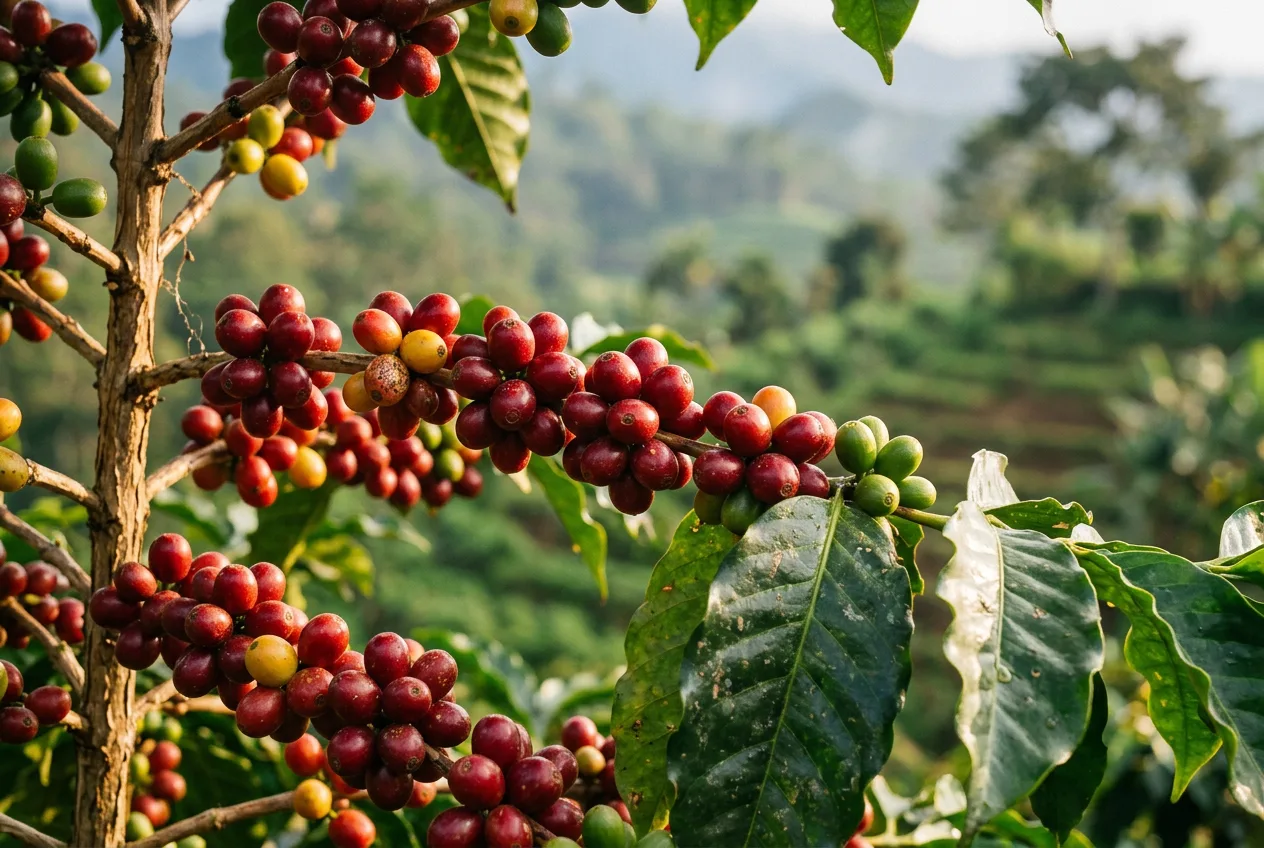
- The civet eats ripe cherriesIn the wild, it seeks out the ripest coffee cherries at night. In cages, it's fed cherries by farm workers.
- DigestionThe civet digests the fruit pulp. The seeds, still in their tough inner layers, pass through its gut, where enzymes and microbes act on them.
- CollectionWorkers find the droppings, which look like clusters of beans stuck together, and collect them by hand.
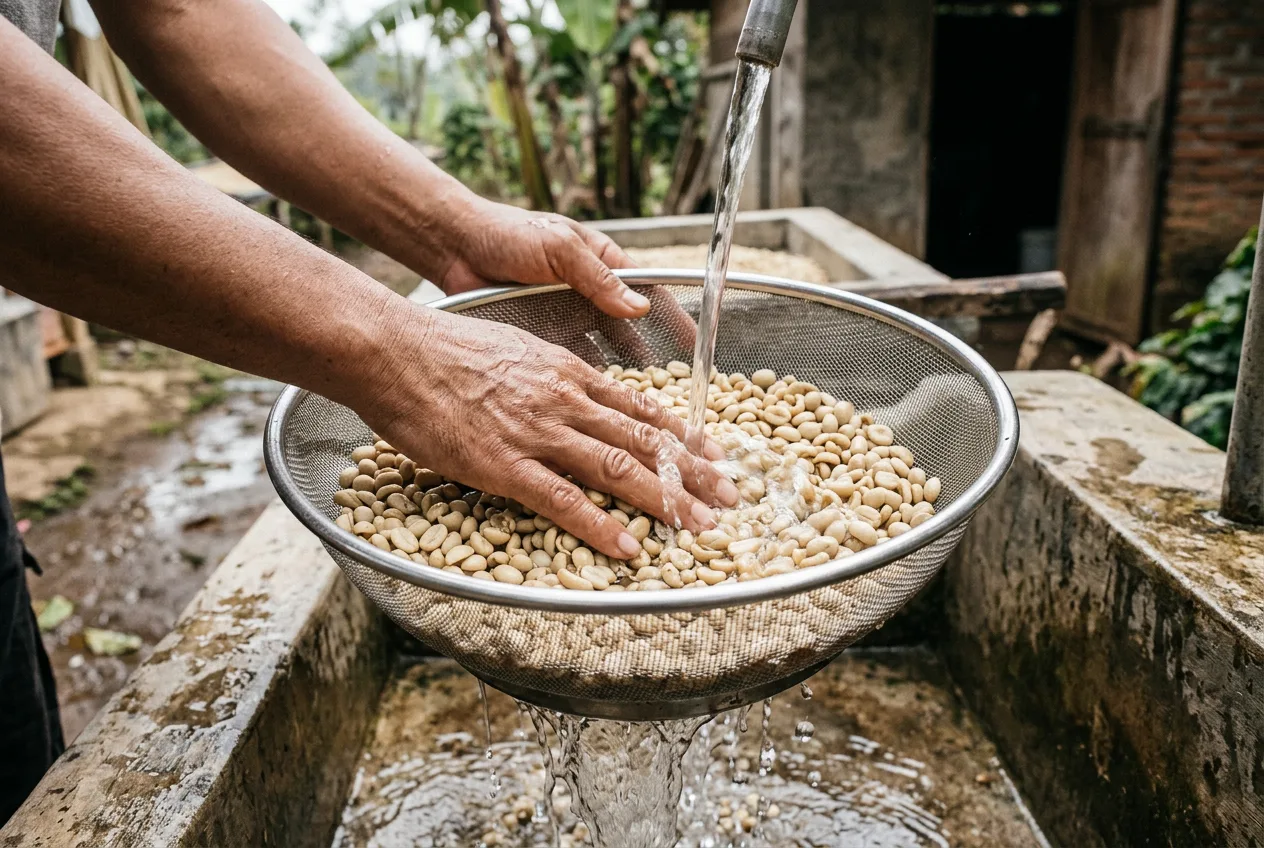
- WashingThe beans are separated and washed thoroughly under running water to remove every trace of droppings.
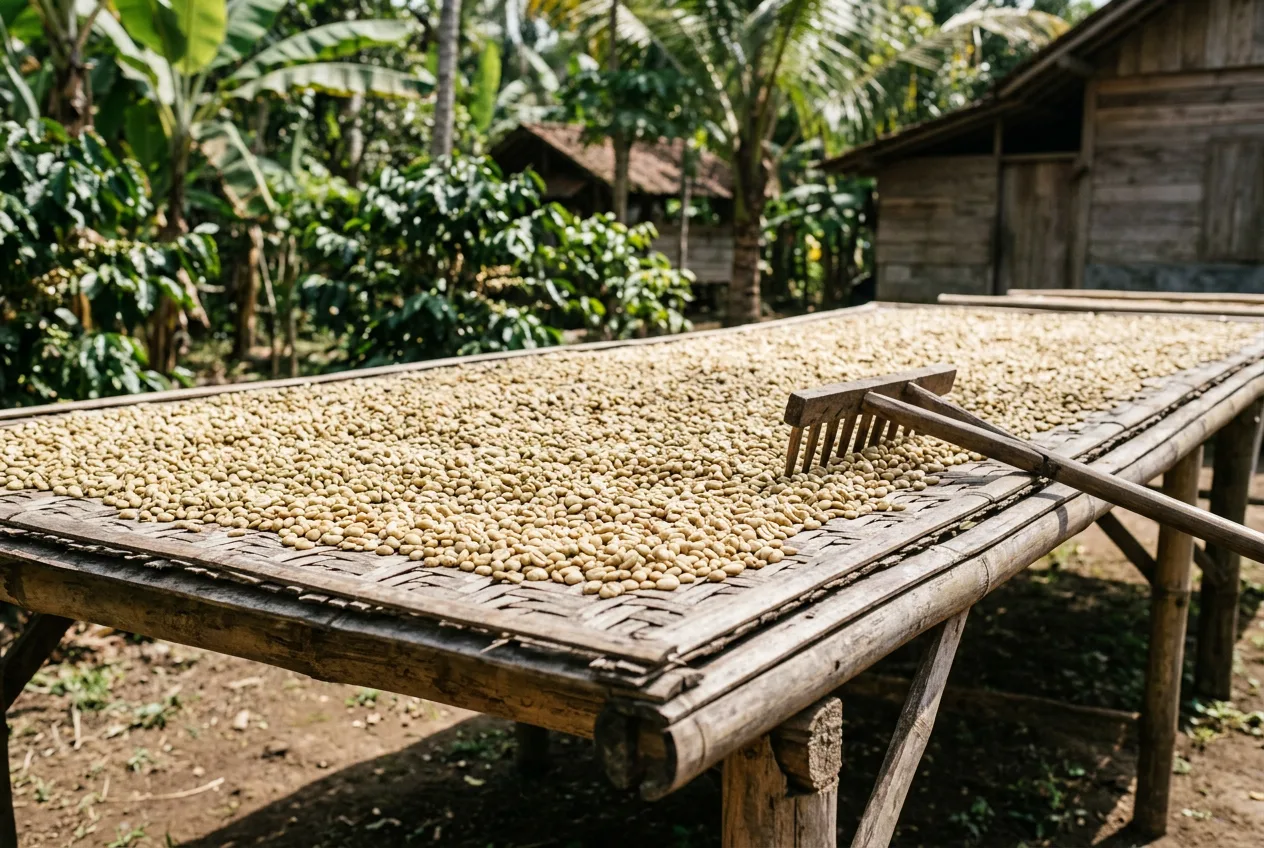
- DryingThey're spread out in the sun until the moisture drops to a safe, stable level.
- Hulling and sortingThe dry outer parchment layer is removed, and the green beans are sorted to remove broken or defective ones.
- RoastingThe green beans are roasted, usually in small batches, and packed.
Is it safe to drink?
This is usually the first question people ask, and it's a fair one.
Food scientist Massimo Marcone at the University of Guelph tested kopi luwak in the early 2000s. He found that the beans were more contaminated before washing, as you'd expect, but that the beans sold on the market were clean, with negligible levels of the gut bacteria associated with feces.
Thorough washing does the heavy lifting. Then roasting at well over 400°F adds another safety margin. Properly processed kopi luwak is considered safe to drink.
Why there's so little real wild kopi luwak
Collecting from wild civets is slow and unpredictable. The animals roam widely, so droppings are scattered across farms and forest, and each one holds only a small amount of coffee.
That's the main reason genuine wild kopi luwak has always been rare and expensive. It's also why so many producers turned to cages: a caged civet produces beans in one predictable place, every day.
Our tip: Never try to recreate this at home with a pet. Caffeine is toxic to cats and dogs, and eating coffee cherries or beans can make them seriously ill or even kill them.
What the science says about civet coffee
Does passing through a civet really change the coffee? Researchers have looked at this several times, and the short answer is yes, a little. Whether that makes it taste better is a different question.
2004: lower protein, less bitterness
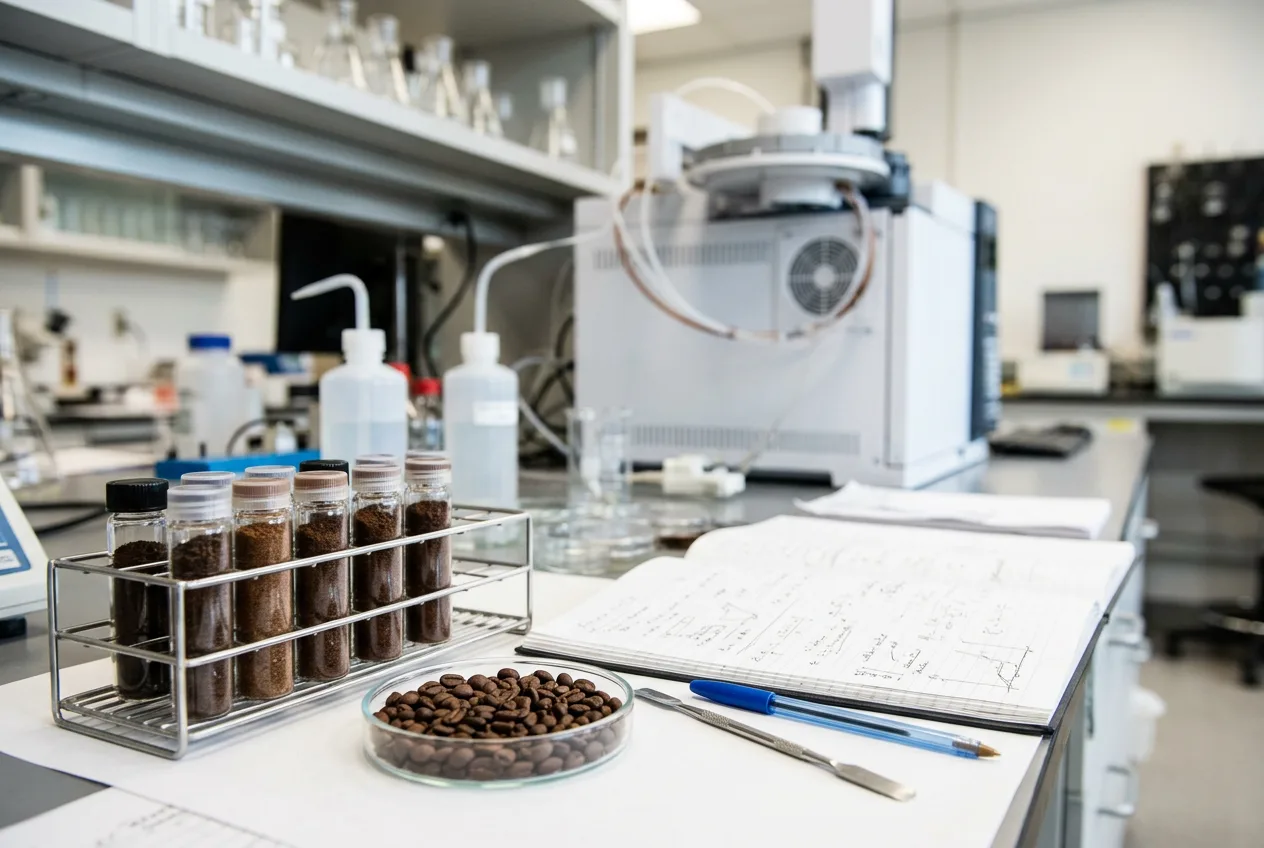
Massimo Marcone's study, published in Food Research International, compared kopi luwak with regular beans. He found that civet beans had a different surface texture, were harder and slightly darker, and contained less protein.
His explanation was that digestive enzymes break down some proteins in the bean. Since proteins contribute to bitterness during roasting, lower protein could mean a smoother, less bitter cup.
He also pointed out that lactic acid bacteria, which are common in the civet's gut, are the same kind of microbes that help in wet processing on coffee farms. In other words, the civet's gut may act a bit like a natural fermentation tank.
2013: a chemical fingerprint
Researchers at Osaka University in Japan, working with the Indonesian Coffee and Cocoa Research Institute, analyzed kopi luwak and regular coffees from across Indonesia. They found that genuine kopi luwak had a distinct chemical fingerprint.
Two markers stood out: higher levels of citric acid and malic acid, which are linked to citrus and apple-like fruitiness. They also used the ratio of two other compounds, inositol and pyroglutamic acid, to tell real kopi luwak apart from fakes and blends.
2021: is it really the civet, or the species?
A 2021 review in the journal Foods took a more skeptical view. Its authors argued that many earlier studies hadn't properly controlled for which coffee species they were testing.
Wild civets may prefer the sweeter fruit of Coffea liberica, while caged civets are usually fed arabica or robusta. So some of the "civet effect" could really be a species effect, combined with the animal's careful choice of ripe, defect-free cherries.
2025: more fat, more aroma compounds
The most recent study I found, published in Scientific Reports in 2025, came from the Central University of Kerala in India. The team collected 68 samples of wild civet droppings from five robusta estates in Kodagu, along with ripe cherries from the same farms.
The civet beans had significantly more total fat, and higher levels of two fat-based compounds, caprylic and capric acid methyl esters, which are linked to creamy, dairy-like aromas in other foods.
That supports the idea that civet coffee can feel richer and smoother. But the authors also noted that, taking all their measurements together, the civet and non-civet beans weren't very distinct, and they only studied robusta.
What I take from the science
| Finding | What it suggests | The catch |
|---|---|---|
| Lower protein (2004) | Less bitterness after roasting | Small sample from one supplier |
| Citric and malic acid markers (2013) | Fruitier acidity, and a way to spot fakes | Not yet a widely used commercial test |
| Species mix-ups (2021) | Some differences may come from liberica, not digestion | A review, not a new tasting trial |
| More fat and creamy esters (2025) | Richer, smoother mouthfeel | Robusta only, overall differences modest |
So the civet does leave a mark on the bean. But "different" isn't the same as "better," and none of these studies show that kopi luwak beats a well-grown, well-processed specialty coffee.
What kopi luwak tastes like
Here's what I noticed in my own bag, from the moment I opened it to the last sip. Remember this is one person and one bag, not a lab result.
The beans
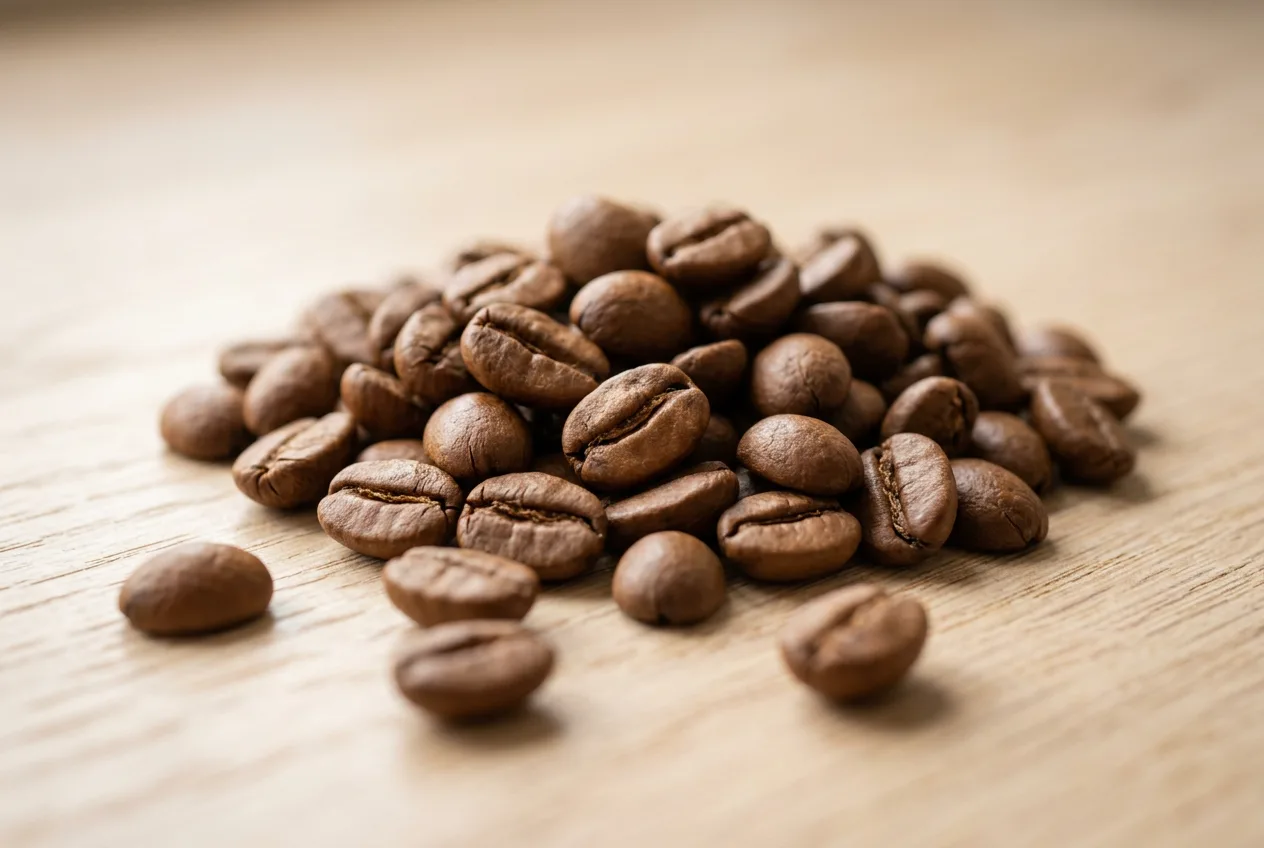
Before grinding, the roasted beans looked almost perfect. The roast color was even, there were no chips or cracks, and the center cut on each bean looked full and well developed.
That's a sign of careful sorting and good roasting, which you'd hope for at this price. It doesn't tell you anything about whether the beans came from wild civets.
Aroma
This was the highlight for me. The smell rising from the cup was rich and expressive, with a strong floral note and bright fruit: ripe peach, grapefruit and fresh kiwi.
The best way I can describe it is standing between a fruit stall and a flower shop at a busy market. Underneath, there was a soft earthy note that kept it grounded without smelling dirty or over-fermented.
Flavor, sip by sip
- First impressionDelicate and bright, with floral notes and juicy blackberry and raspberry. Nothing sharp or aggressive.
- Mid-palateSmooth transitions into chocolate and sweet nougat, adding body and warmth without harsh acidity or bitterness.
- FinishThe earthy note comes back gently, then fades into a soft, clean finish that reminded me of white tea.
The balance
What struck me most was the balance. There was a bit of sweetness and a bit of bitterness, a lot of smoothness and just enough edge to keep it interesting. No single flavor took over.
It's the kind of coffee that rewards slow sipping. I spent a good half hour with one cup, noticing something new as it cooled.
How that fits with what others report
The most common descriptions of kopi luwak are smooth, low in bitterness, low to medium acidity, with earthy, chocolate and syrupy notes. My bag was fruitier and more floral than most descriptions suggest, which could come from the species, the region, the roast or the processing.
That variety is part of the problem. "Kopi luwak" on a bag tells you how the beans were processed, not what's in the cup.
What happens in a blind tasting?
My tasting wasn't blind. I knew I was drinking a $200 coffee, and that knowledge almost certainly shaped my experience. Price and story are powerful seasonings.
So I looked for a blind comparison by coffee professionals.
The 2014 Michigan cupping
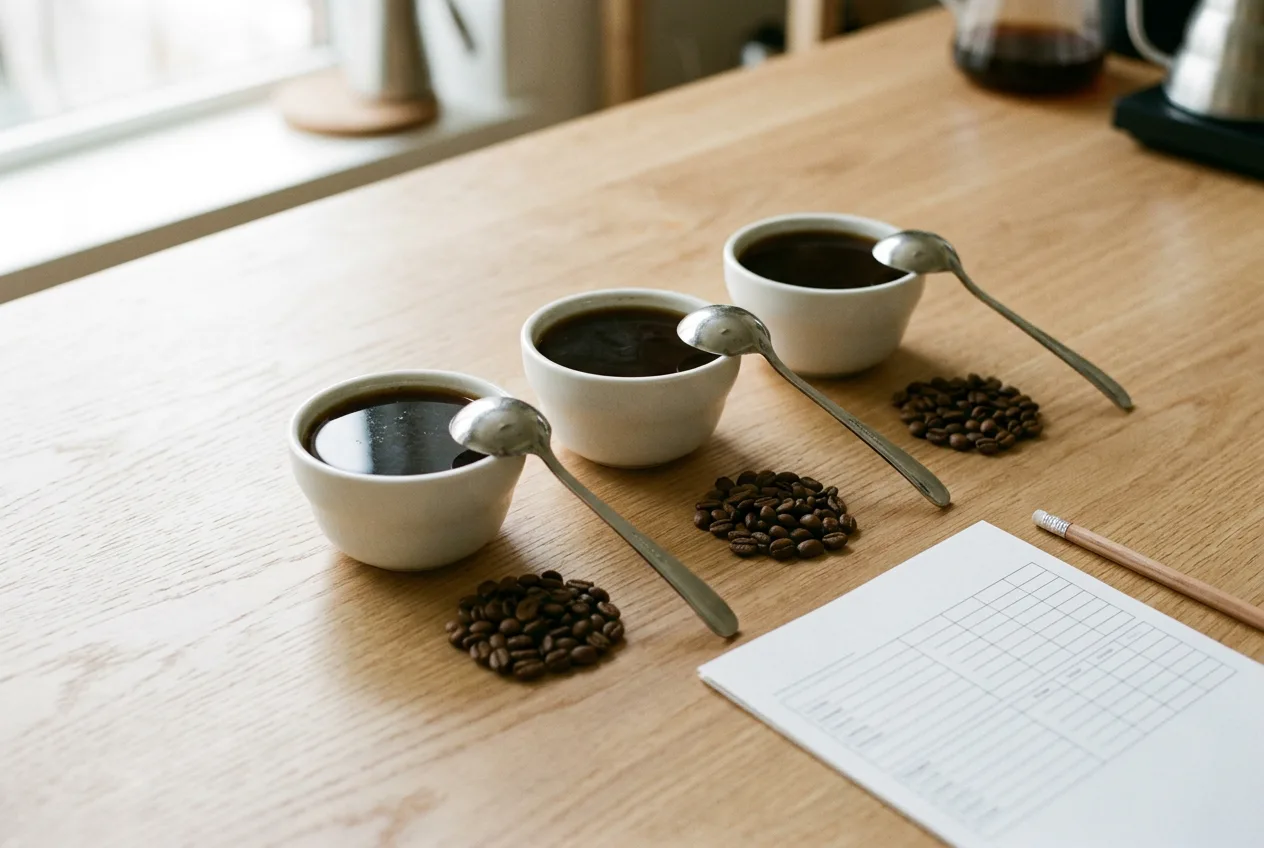
In 2014, coffee roaster Jack Groot organized a blind cupping at his café in Holland, Michigan. Seven tasters, including a certified Q grader, scored two kopi luwak samples from Sumatra alongside regular Sumatran coffees, using the standard specialty coffee cupping form.
Average blind cupping scores (out of 100)
Bars are scaled to the top score to make the small gaps visible. 80 points is the usual threshold for specialty coffee.
One kopi luwak came first, by just 0.6 points. The other came fourth. Groot called it a statistical dead heat. None of the coffees reached 80 points, the usual line for specialty grade.
What that means
One small tasting isn't the final word. But it fits what many coffee professionals say: kopi luwak is usually pleasant and smooth, but not in the same league as top specialty coffees that sell for a fraction of the price.
For context, the best specialty coffees score in the high 80s and 90s. I explain what those numbers mean in my guide to what specialty coffee is.
My own conclusion: my bag was genuinely lovely, but I can't separate how much of that came from the beans and how much came from the occasion.
Our tip: If you ever get a chance, taste kopi luwak blind next to a good natural-processed Ethiopian or a high-scoring single origin. It's the best way to find out whether you personally taste the difference.
Wild vs caged civets: the welfare problem
This is the part of the kopi luwak story I think every buyer should know.
Traditionally, kopi luwak was collected from the droppings of wild civets. As demand grew, many producers started catching civets and keeping them in cages, feeding them coffee cherries to produce beans on demand.
What researchers found
In 2016, researchers from Oxford University's Wildlife Conservation Research Unit and the charity World Animal Protection published a study in the journal Animal Welfare. They examined the conditions of 48 caged civets at 16 civet coffee plantations aimed at tourists in Bali.
Every plantation they visited had poor welfare conditions. They reported:
- Small cages that severely restricted movement for an active, tree-climbing animal.
- Wire mesh floors that can cause pain and sores, with nowhere else to rest.
- Poor hygiene, with old and new droppings and urine building up.
- Little access to clean water and a poor diet, often mainly coffee cherries.
- Noise and disturbance from visitors and farm activity, for a shy, nocturnal animal.
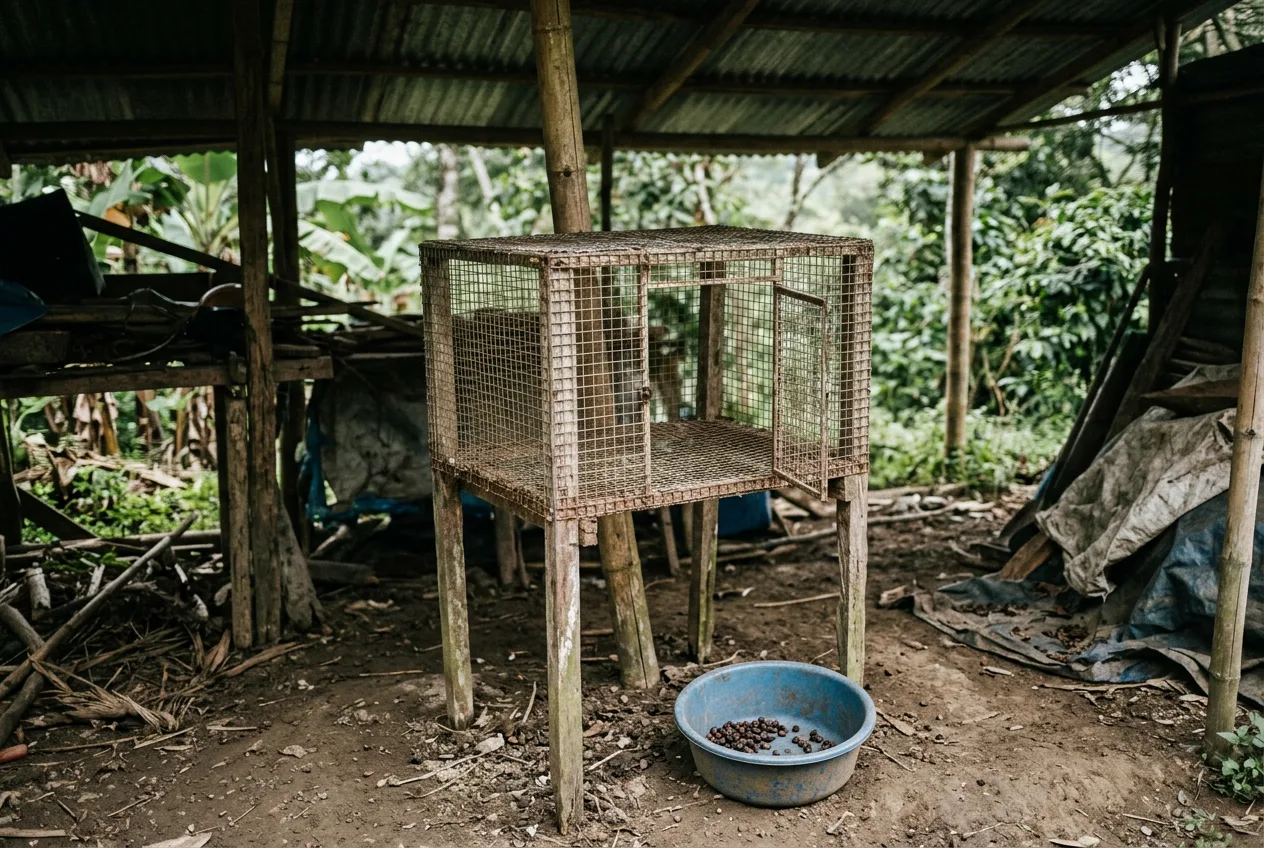
An illustration of the kind of barren wire cage described in welfare reports, not a photo of a specific farm.
Undercover investigations
In 2013, a BBC undercover investigation in Sumatra found civets kept in battery-cage conditions. Some farmers said they supplied beans to an exporter whose coffee was sold in Europe as "wild" kopi luwak, and the exporter admitted it couldn't control what went into that product.
Animal rights investigators reported similar conditions on farms in Indonesia and the Philippines the same year. A major London department store removed kopi luwak from its shelves after the reports.
The man who brought it West now regrets it
Tony Wild, the trader who first imported kopi luwak to the West in 1991, became one of its strongest critics. In 2013 he launched a public campaign to end the trade, arguing that it had become industrialized, cruel and riddled with fraud.
It's rare for someone to campaign against a product they helped make famous. I think that says a lot.
Certification won't help you here
Mainstream sustainability labels don't solve this. As of 2016, the Sustainable Agriculture Network's coffee guidelines for Indonesia specifically prohibited caged civets, and the UTZ certification program refused to certify any kopi luwak at all.
There's no widely recognized certification that proves a bag of kopi luwak came from wild, free-roaming civets. If you want to understand what coffee certifications do cover, see my guide to fair trade coffee.
Fake kopi luwak and how to spot the warning signs
When a coffee sells for hundreds of dollars a pound, fraud follows. Fake kopi luwak usually takes one of three forms:
- Regular coffee sold as kopi luwak. Ordinary beans in a fancy bag.
- Diluted kopi luwak. A small amount of real civet coffee mixed with cheaper beans.
- Caged sold as wild. Real civet coffee, but from caged animals, labeled as wild-sourced.
Can it be tested?
The Osaka University team behind the 2013 chemical fingerprint study developed their method precisely because fakes were such a problem. Their test can separate real kopi luwak from regular coffee and spot blends.
But there's an important limit. Chemistry can tell you whether beans went through a civet. It can't easily tell you whether that civet was wild or sitting in a cage.
Red flags
- Prices that seem too good to be true. Cheap "wild" kopi luwak almost certainly isn't.
- No information on species, region, harvest year or how the beans were collected.
- Vague claims like "100% authentic" or "luxury civet coffee" with no traceability.
- Instant or pre-ground "kopi luwak" sold in sachets or gift packs.
- "Weasel coffee" that turns out to be flavored regular coffee.
- Tourist farms where you can see the civets in cages next to the tasting area.
Our tip: If a seller can't tell you exactly where the beans were collected and how they know the civets were wild, assume they don't know either.
How much does kopi luwak cost?
Kopi luwak prices vary hugely, which is itself a clue to how inconsistent the product is.
| Type | Typical price | What it usually is |
|---|---|---|
| Farmed kopi luwak, in Indonesia | From about $45 a pound | Usually from caged civets |
| Typical retail bag in the US | About $100 to $350 a pound | Mixed or unclear sourcing |
| Labeled wild-collected | About $350 to $600+ a pound | Claimed wild civets, hard to verify |
| Brewed cup in a café or hotel | About $25 to $100 a cup | Price depends heavily on venue |
Typical ranges from retail listings and published reports. Prices vary by seller, origin and claimed sourcing.
Compared with other coffees
Rough price per pound (roasted)
Why it costs so much
- Scarcity. Genuine wild collection produces very little coffee.
- Labor. Finding, collecting, washing and sorting droppings by hand takes time.
- Novelty and story. A big part of the price is the experience of drinking something famous and strange.
- Gift and tourist markets. Much kopi luwak is sold as a one-off gift or souvenir, where buyers are less price-sensitive.
Notice what's missing from that list: proven superior flavor. That's very different from what drives the price of top specialty coffee, which I explain in why single-origin coffee is so expensive.
Is kopi luwak worth it?
My honest answer is: for most people, no.
The case for it
- It can be smooth, low in bitterness and genuinely pleasant.
- Genuine wild-collected kopi luwak can support small farmers who gather beans without harming animals.
- It's a fascinating piece of coffee history and culture.
The case against it
- Much of the supply comes from caged civets in poor conditions.
- You usually can't verify whether a bag is wild, caged, blended or fake.
- Blind tastings haven't shown it to be clearly better than good regular coffee.
- For the price of one pound, you could buy six or more bags of outstanding specialty coffee.
My view
I don't regret tasting it, and I'm not going to pretend that cup wasn't lovely. But knowing what I know now, I wouldn't buy kopi luwak again unless I could genuinely trace it to wild civets, and that's very hard to do.
If what you want is an unforgettable, special-occasion coffee, there are better ways to spend $200, with flavors that are at least as exciting and no animals in cages behind them.
If you still want to try kopi luwak
It's your choice, and I understand the curiosity. If you're going to try it, here's how to reduce the risk of supporting cruelty or getting ripped off.
- Look for wild-collected onlyOnly consider coffee clearly sold as collected from wild, free-roaming civets, with a specific region named.
- Ask hard questionsWho collected the beans, where, and how does the seller know the civets were wild? A good seller will have real answers.
- Expect to pay moreWild collection is slow and limited. A cheap "wild" bag is a contradiction.
- Buy smallA small pack is enough to taste it properly. There's no reason to buy a pound.
- Buy whole beansPre-ground and instant "kopi luwak" is harder to judge and more often fake.
- Skip caged tourist stopsIf you travel in Indonesia, avoid plantations that keep civets in cages for visitors to look at.
Some coffee-growing communities, for example in the Gayo highlands of Aceh in Sumatra, have a long tradition of collecting beans from wild civets that roam their farms. If you can find coffee from producers like that, with real traceability, that's the version I'd consider.
Our tip: Treat kopi luwak like a rare treat, not a habit. Even if money were no object, it's best saved for a special occasion with someone curious enough to share it.
How to brew kopi luwak
If you've spent this much on coffee, brew it simply and carefully so you can actually taste it.
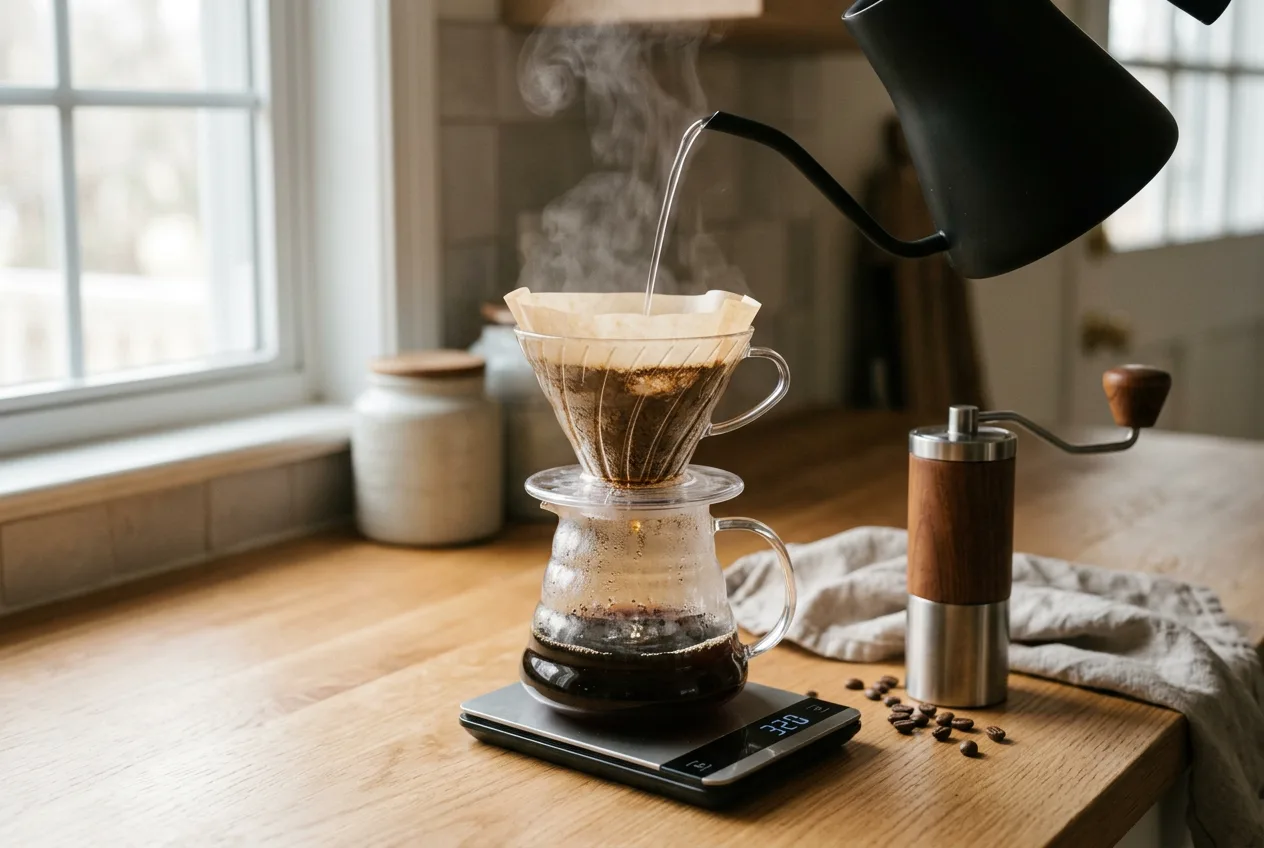
My pour-over recipe
- Ratio. 15 g coffee to 250 g water (about 1:16).
- Grind. Medium-fine, a bit like table salt, ground just before brewing.
- Water. Filtered, around 200 to 205°F.
- Bloom. Pour about 40 g of water and wait 30 to 45 seconds.
- Total time. About 3 minutes.
Other good options
- French press. Gives a fuller body and brings out the smooth, chocolaty side.
- Kopi tubruk. The traditional Indonesian way: coarse grounds and hot water in a glass, left to settle before sipping.
- Espresso. Possible, but you'll use more coffee per cup and lose some of the subtle aroma.
What to avoid
- Milk and sugar. They'll cover up exactly what you paid for.
- Very hot water or long steeping. It can pull out bitterness and flatten the delicate notes.
- Old beans. Kopi luwak goes stale like any coffee. Store it in an airtight, opaque container, as I explain in how to store coffee beans.
Above all, let the cup cool a little. My bag tasted best about five to ten minutes after brewing, when the fruit and floral notes opened up.
Better alternatives to kopi luwak
If what draws you to kopi luwak is a smooth, unusual or special-occasion coffee, there are ways to get that without the ethical baggage, and usually for far less money.
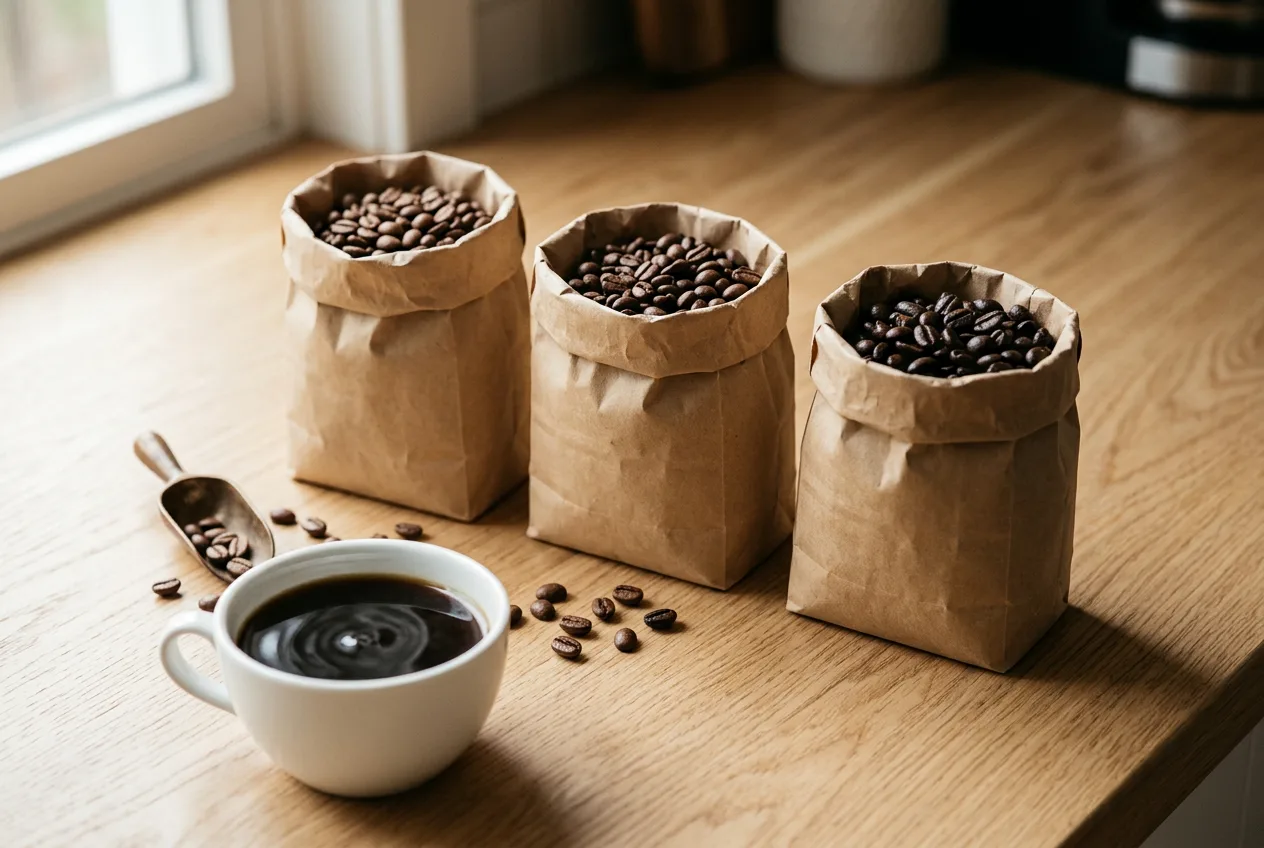
| If you want | Try | Why |
|---|---|---|
| Fruity, floral aroma | Natural-processed Ethiopian coffee | Berry and floral notes from drying in the fruit |
| Something fermented and unusual | Anaerobic or carbonic maceration lots | Controlled fermentation creates bold, wine-like flavors |
| Smooth, earthy Indonesian style | Wet-hulled Sumatra | Low acidity, heavy body, earthy and spicy notes |
| A true luxury coffee | Geisha from Panama or Ethiopia | Jasmine and tea-like elegance, priced for quality |
| Low bitterness | A light-roasted washed Central American coffee | Clean, sweet and gentle when brewed well |
The processing methods behind several of these are explained in my guide to coffee processing methods. If you're curious how flavor changes by country, see coffee growing regions and flavor.
Honestly, a top natural Ethiopian gave me many of the same fruit and flower notes I loved in my kopi luwak, for around a tenth of the price.
Kopi luwak myths
"Kopi luwak is the best coffee in the world"
It's one of the most expensive and most famous, not the best. Blind cuppings haven't placed it above good specialty coffee.
"All kopi luwak comes from wild civets"
Much of it now comes from caged animals, and "wild" labels are frequently unverifiable or false.
"It's dirty and unsafe"
Properly washed and roasted kopi luwak has been tested and found to be clean. The real concerns are welfare and fraud, not hygiene.
"Civets are cats"
They're not. The Asian palm civet belongs to a separate family of small carnivores.
"Civet digestion transforms any coffee into something special"
The gut does change the beans a bit, but the species, the ripeness of the cherries and the quality of processing and roasting still matter more.
"A higher price means it's real"
Not necessarily. High prices make fraud more profitable, not less. Traceability matters more than price.
Kopi luwak at a glance
| Question | Short answer |
|---|---|
| What is it? | Coffee from beans eaten and excreted by the Asian palm civet |
| Where is it from? | Mainly Indonesia, plus the Philippines, Vietnam, East Timor and India |
| Is it safe? | Yes, when washed and roasted properly |
| How does it taste? | Smooth, low bitterness; flavor depends on species and origin |
| Does the civet change it? | Slightly: less protein, more fat, distinct acids |
| Is it better? | Not clearly, in blind tastings |
| Price | Usually $100 to $600 a pound |
| Main concern | Caged civets and mislabeled "wild" coffee |
My bottom line
Kopi luwak is a genuinely interesting coffee with a real chemical twist and a fascinating history. My own cup was one I won't forget.
But the modern trade has a serious animal welfare problem, a fraud problem and a value problem. Unless you can trace your beans to wild civets, I'd spend the money on an exceptional specialty coffee instead, and enjoy it with a clear conscience.
Frequently asked questions
What is kopi luwak?
Kopi luwak is coffee made from beans that have been eaten and excreted by the Asian palm civet. The beans are collected, washed, dried, hulled and roasted before brewing.
Is kopi luwak made from cat poop?
Not quite. It's made from beans collected from civet droppings. Civets are small mammals often called civet cats, but they aren't actually cats.
Is kopi luwak safe to drink?
Yes. Studies found that properly washed kopi luwak beans have negligible levels of fecal bacteria, and roasting adds another safety step.
What does kopi luwak taste like?
Most people describe it as smooth and low in bitterness, with earthy, chocolate and syrupy notes. Some bags, like mine, are fruitier and more floral. Flavor depends on the coffee species, origin and roast.
Why is kopi luwak so expensive?
Genuine wild collection is slow and produces very little coffee, collecting and cleaning beans is labor-intensive, and much of the price comes from novelty and its reputation as a luxury.
How much does kopi luwak cost?
Usually somewhere between $100 and $600 a pound, depending on the seller and whether it's claimed to be wild-collected. Farmed kopi luwak in Indonesia can cost much less, and a brewed cup can cost $25 to $100.
Is kopi luwak cruel?
Much of it is. Studies and investigations have found civets kept in small wire cages with poor food, water and hygiene. Coffee collected from wild, free-roaming civets avoids that problem, but it's hard to verify.
How can I tell if kopi luwak is real?
It's difficult. Look for detailed traceability, whole beans, a named region and a seller who can explain how the beans were collected. Lab tests can detect real civet coffee, but not whether the civet was wild.
Does kopi luwak have less caffeine?
There's no good evidence that it has meaningfully less caffeine. Caffeine depends mostly on the coffee species and how you brew it.
Can I make civet-style coffee with my pet cat?
No, never. Caffeine is toxic to cats and dogs, and eating coffee cherries or beans can make them seriously ill or kill them.

- Michael Reynolds, notes from buying, brewing and tasting a bag of kopi luwak at home
- The animal welfare implications of civet coffee tourism in Bali, Animal Welfare (Carder, Proctor, Schmidt-Burbach and D'Cruze, 2016)
- World's most expensive coffee often produced from caged, abused civets, study finds, Mongabay
- The disturbing secret behind the world's most expensive coffee, National Geographic
- New research explains structure, taste of Kopi Luwak coffee, University of Guelph
- World's priciest coffee put to test, Live Science
- Digested civet coffee beans (Kopi Luwak): an unfortunate trend in specialty coffee caused by mislabeling of Coffea liberica?, Foods (2021)
- The key to civet coffee is in the chemistry, Scientific Reports press release (2025)
- Kopi Luwak put to the test in the US, Global Coffee Report
- The reason to avoid poop coffee isn't what you think, Science News
- The last traces of kopi luwak in the Gayo Highlands of Indonesia, Pulitzer Center
Related guides
Why single-origin coffee is so expensive Coffee processing methods What is specialty coffeeWritten by Michael Reynolds. Last updated November 18, 2026.