How Starbucks Changed Coffee: From One Seattle Bean Shop to a Global Ritual
Starbucks didn't invent espresso, the latte or the cafe. What it did was take the European coffee bar, scale it, standardize it and make it personal, until a custom drink in a paper cup became an everyday habit around the world. Here's how that happened, what went wrong along the way and what it means for how we drink coffee today.
We choose products independently. We may earn a commission through links on this page; your price stays the same. Affiliate policy
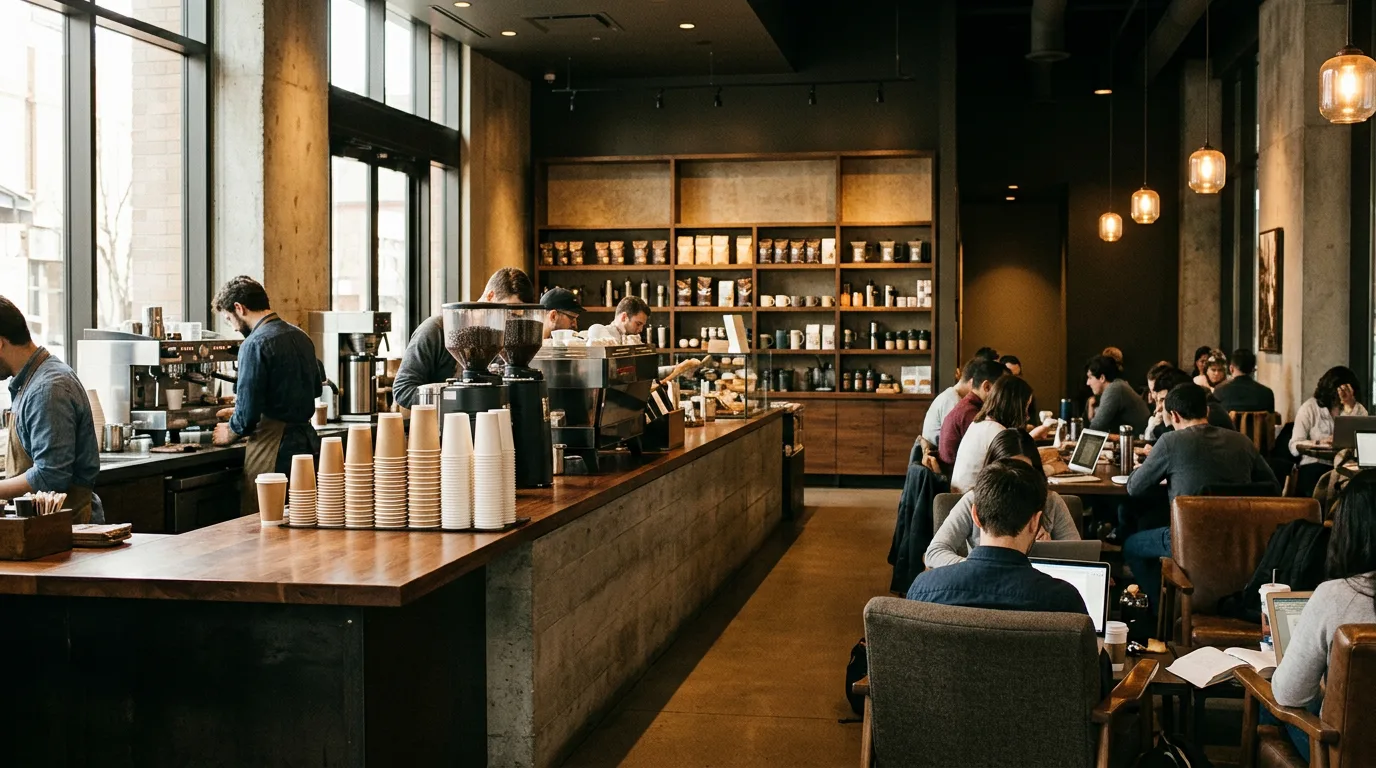
Starbucks changed coffee by turning the Italian espresso bar into a comfortable, customizable, everyday American, and then global, ritual. It started in 1971 as a Seattle shop selling whole beans. After Howard Schultz visited Milan, it became a chain of cafes serving lattes and cappuccinos, then grew into more than 41,000 locations. Along the way it taught the world a new coffee vocabulary, invented whole drink categories, pioneered mobile ordering and loyalty apps, and made the cafe an office, meeting room and "third place."
Why I wrote this
Whatever you think of Starbucks, it's hard to talk about modern coffee without it. I've had my first-ever latte, a lot of airport coffees and more than a few laptop afternoons in its stores.
I've also spent years drinking specialty coffee, brewing at home and visiting small independent roasters. It's easy, from that side, to be dismissive of the green siren.
But when I started reading the company's history, I realized how much of what we take for granted came through Starbucks: the words on the menu, the idea of sitting in a cafe for hours, ordering on your phone, even why many independent cafes exist at all.
This isn't a love letter or a takedown. It's an attempt to explain what actually changed, and why it matters to anyone who drinks coffee, even if you never set foot in a Starbucks.
What you'll learn
- How Starbucks began and why it didn't sell coffee by the cup at first.
- The Milan trip that changed everything.
- How the company grew, stumbled and rebuilt itself.
- The lasting effects on cafes, menus, technology and work.
- The criticisms, and how to take the best of it home.
American coffee before Starbucks
To understand Starbucks, you have to remember what most American coffee was like in the early 1970s. For most people, coffee meant pre-ground beans from a can, or instant coffee from a jar. It was cheap, it was everywhere, and much of it was made with low-grade beans.
Coffee was brewed in percolators or drip machines, often kept hot on a burner for hours, and served in diners and offices by the bottomless cup. Espresso was something you might find in an Italian neighborhood, not on Main Street.
There was nothing wrong with it as a caffeine delivery system. But almost nobody thought about where coffee came from, how fresh it was or what it could taste like. That gap is where Starbucks began.
| Then (early 1970s) | Now |
|---|---|
| Canned, pre-ground coffee | Whole beans, often freshly roasted |
| Instant coffee at home | Espresso machines, pour-over and pods |
| Diner coffee, bottomless refills | Custom drinks, made to order |
| "Regular" or "black" | Latte, flat white, cold brew, oat milk |
| Coffee as fuel | Coffee as experience and identity |
The founding: a bean shop, 1971
Starbucks was founded in 1971 by three friends, Jerry Baldwin, Zev Siegl and Gordon Bowker, who loved high-quality, freshly roasted coffee. Their first shop opened near Seattle's historic Pike Place Market.
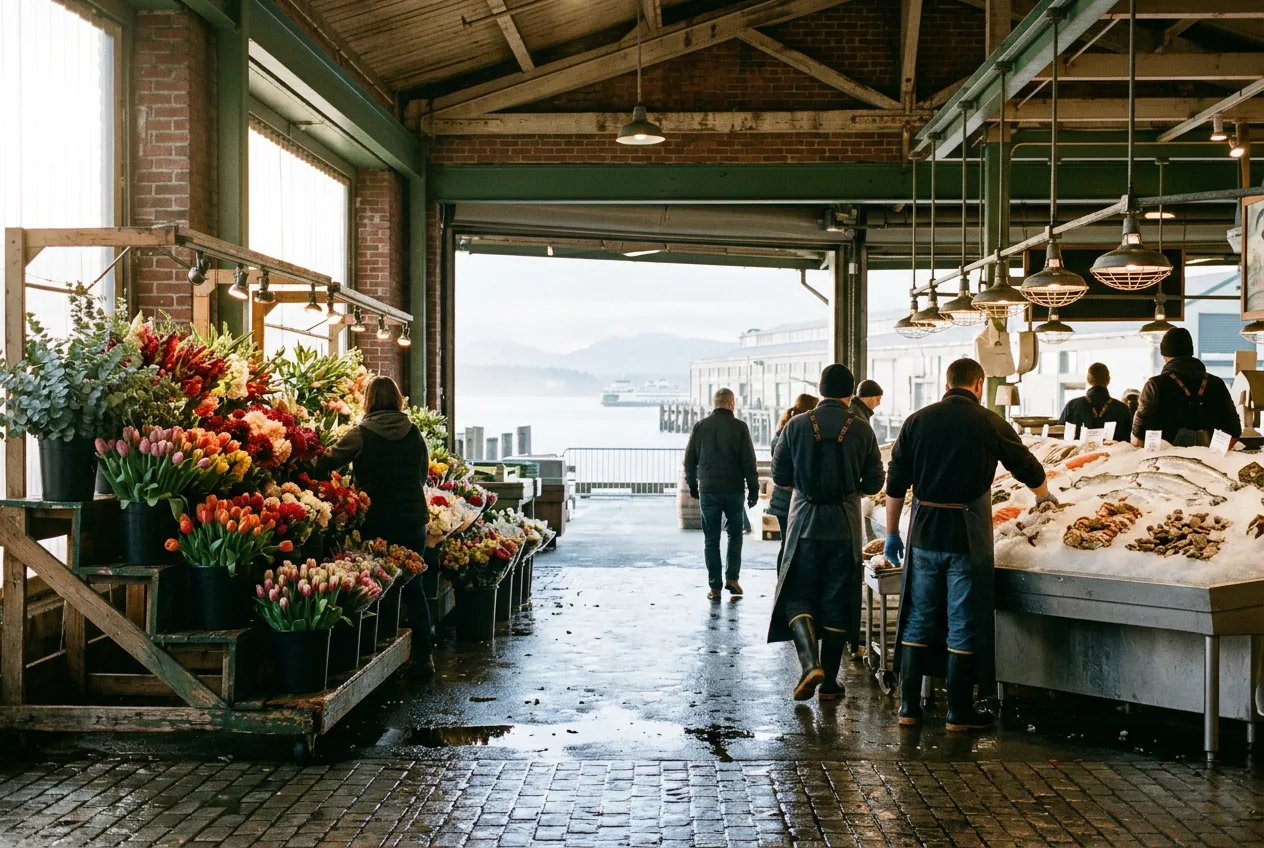
Here's the surprising part: the original Starbucks did not sell coffee by the cup. It sold whole-bean coffee, tea, spices and brewing equipment for people to use at home. Brewed coffee in the store was mostly for free samples, to persuade customers to buy beans.
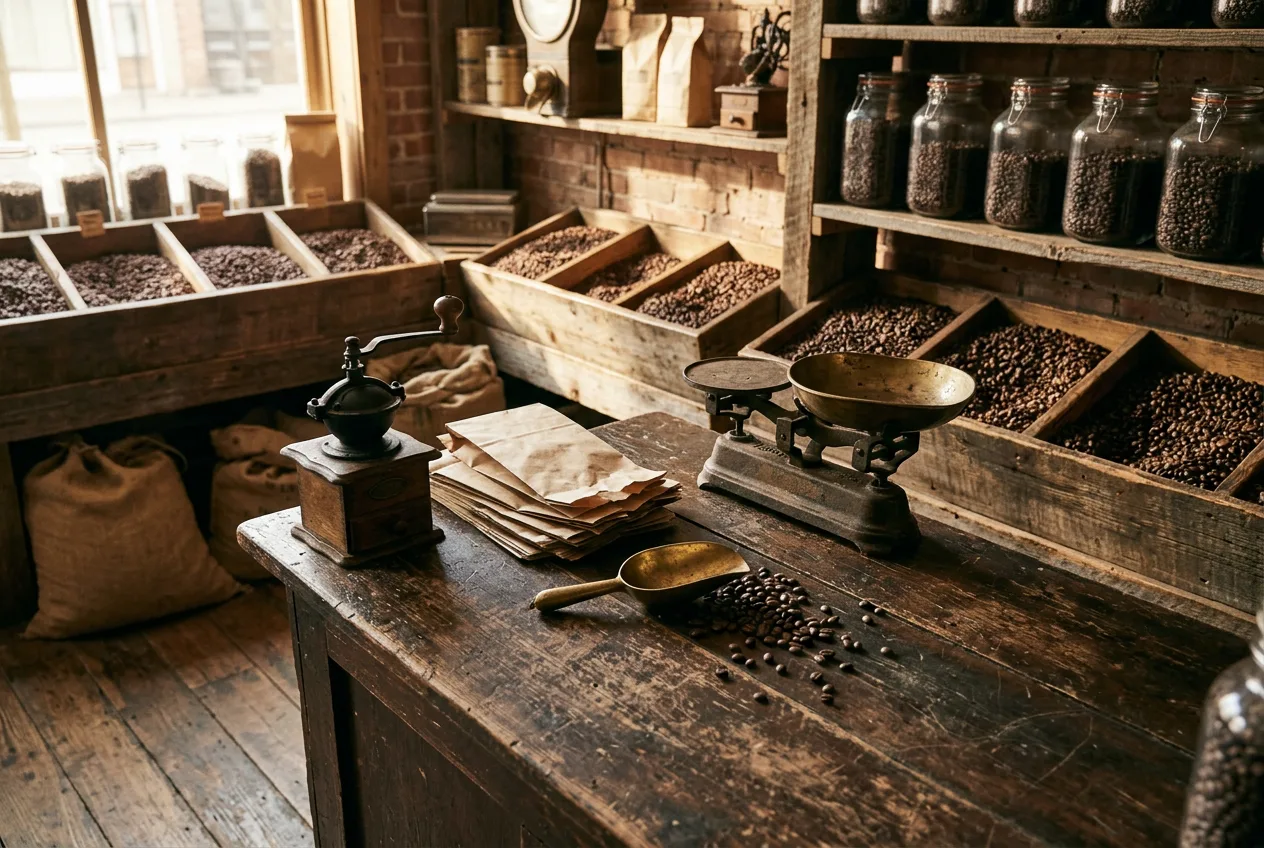
For its first decade, Starbucks was a small regional specialty retailer, with a handful of stores in the Seattle area. It was respected by coffee lovers, but almost unknown outside the Pacific Northwest.
The name and the siren
The name comes from Starbuck, the first mate in Herman Melville's 1851 novel Moby-Dick. The founders wanted something that evoked the seafaring romance of the early coffee trade and the Pacific Northwest's maritime history.
The original logo was a brown, two-tailed siren, a mythological sea creature, inspired by an old woodcut. Over the decades it was simplified and turned green and white, becoming one of the most recognizable corporate symbols on earth.
Howard Schultz in Milan, 1983
In 1982, Starbucks hired Howard Schultz as director of retail operations and marketing. A year later, he traveled to Milan for an international housewares trade show. That trip changed the company, and arguably the coffee world.
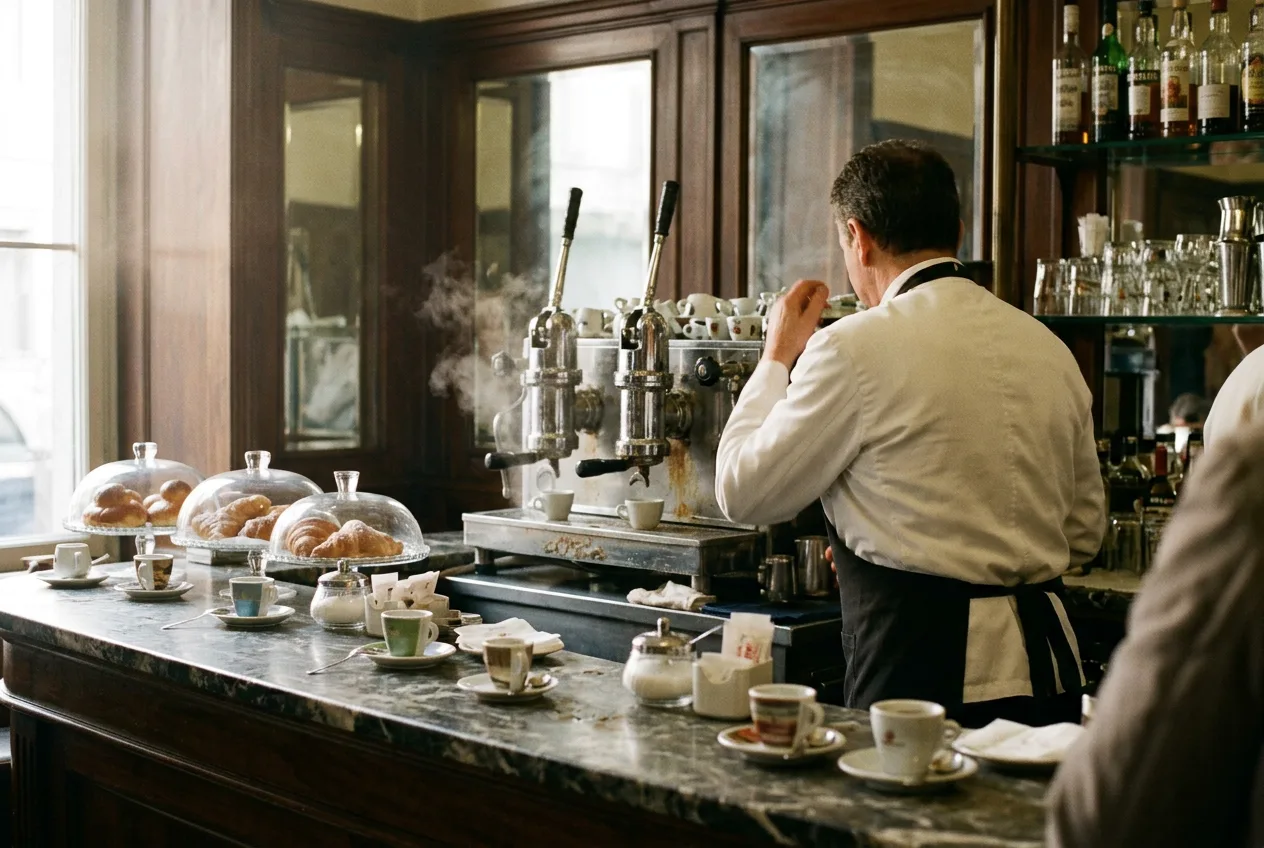
In Milan, Schultz saw Italian espresso bars everywhere. They weren't just places to buy caffeine. They were social hubs, somewhere between home and work, where people stopped every day, chatted with a barista who knew them, and drank expertly made espresso and cappuccino.
He came home convinced that America needed this: a warm, welcoming coffee bar serving handcrafted espresso drinks. The founders weren't convinced. They saw Starbucks as a coffee bean merchant and feared that serving drinks would turn it into a restaurant business and dilute what they'd built.
If you want to know what Schultz actually experienced, my guide to Italian coffee culture describes the bar, the counter and the rituals in detail. It's quite different from the Starbucks model that eventually emerged.
Il Giornale: proving the idea
Unwilling to drop the idea, Schultz left Starbucks in 1985 and started his own coffee bar company, Il Giornale, named after an Italian newspaper.
Il Giornale leaned hard into Italian style. It served espresso drinks, played opera and had baristas in bow ties. Not all of that translated, and some of it was dropped quickly, like the lack of seating. But the core idea worked. Americans were willing to pay for good espresso drinks made to order.
The 1987 buyout
In 1987, the original founders decided to sell Starbucks' retail business. Jerry Baldwin and Gordon Bowker were also involved with Peet's Coffee, and they chose to focus there.
Schultz raised money from local investors and bought Starbucks. He merged it with Il Giornale, kept the Starbucks name and siren, and set about turning a bean shop into a chain of coffeehouses.
That's the moment the Starbucks most people know was born: a Seattle coffee bean company with a reputation for quality, combined with an Italian-inspired coffee bar concept and a very ambitious leader.
The "third place"
The idea that defined Starbucks' rise was the "third place," a term borrowed from the sociologist Ray Oldenburg. Home is the first place, work is the second, and the third is a public space where people gather, relax and socialize.
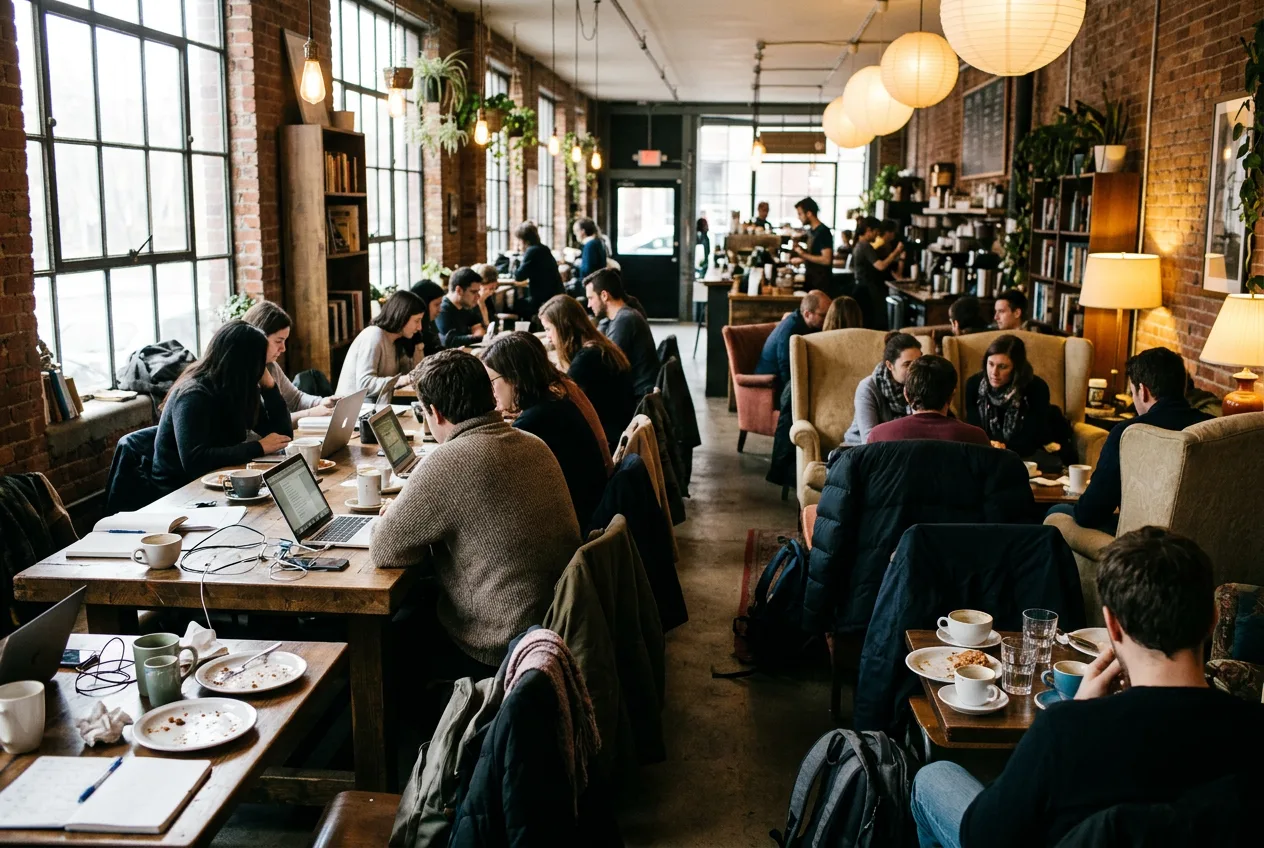
Starbucks designed its stores around that idea. Warm lighting, comfortable chairs, music, the smell of coffee, friendly baristas who might remember your name. It positioned itself as an upscale, relaxing alternative to fast-food restaurants, not a place to grab a cup and run.
| Element | What Starbucks did |
|---|---|
| Coffee | Dark-roasted arabica, espresso-based drinks |
| Space | Comfortable seating, warm design, music |
| Service | Made-to-order, names on cups, personal touch |
| Position | Affordable luxury, a step up from diners and fast food |
| Time | Stay as long as you like |
Through the late 1980s and early 1990s, Starbucks expanded from Seattle to Chicago, Vancouver, Portland, Los Angeles, New York and beyond. In many cities, it was the first time people had a comfortable cafe on their corner.
Interestingly, it's the opposite of the Italian bar Schultz admired, where you stand at the counter for a minute. Starbucks kept the drinks and the barista, but swapped quick standing for long sitting. In a way, it was closer to the old London coffeehouse than to a Milan espresso bar.
A new coffee vocabulary
One of Starbucks' biggest cultural effects was linguistic. It taught millions of people a new set of words: cappuccino, caffè latte, macchiato, Americano, extra shot, skim, half-caf, with whip.
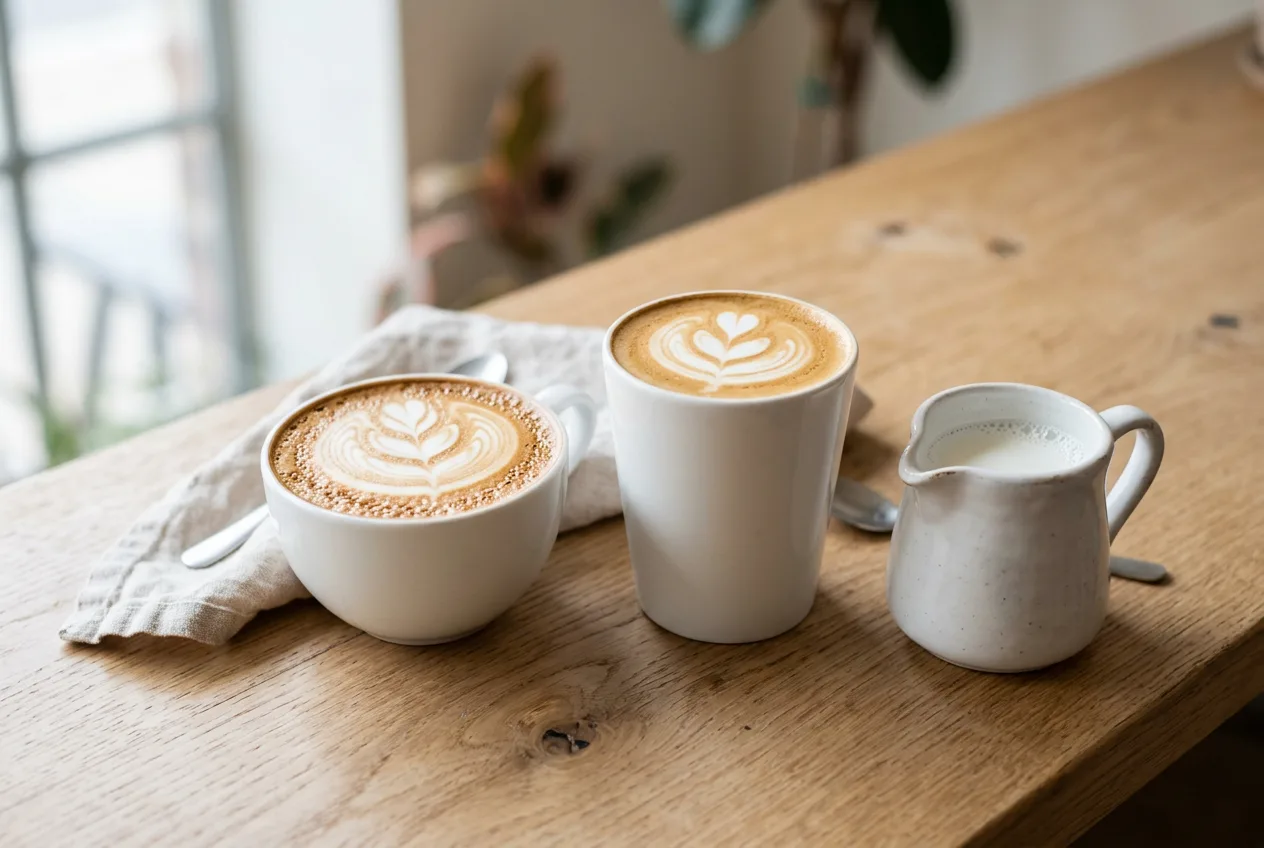
It also introduced its own size names, like tall, grande and venti, which confused many first-time customers and became a running joke. And it made customization normal. Ordering a drink became something personal, with your choice of milk, syrup, shots and temperature.
For many Americans, ordering a "grande skim latte" was a small daily luxury and a bit of self-expression. That shift, from "coffee, black" to a personalized order, is one of the most important changes Starbucks brought. It's also why many people still don't know the difference between the classic drinks. I explain them in cappuccino vs latte vs flat white.
Names on cups and the personal ritual
Writing a customer's name on the cup sounds trivial, but it captured something central to Starbucks. Your drink wasn't just "a latte"; it was yours, made for you, with your name on it.
Combined with endless customization, that turned coffee into a small daily ritual of self-expression. Your order said something about you: oat milk or whole, extra shot or decaf, sugar-free vanilla or none. For many people, the barista knowing "the usual" became part of the appeal.
It also turned into a cultural running joke, with misspelled names on cups becoming a meme. But the core idea, that coffee could be personal, spread across the whole industry.
The Frappuccino and the sweet coffee boom
In 1995, Starbucks launched the Frappuccino, a blended drink of coffee, milk, ice and sugar. It was a huge hit.
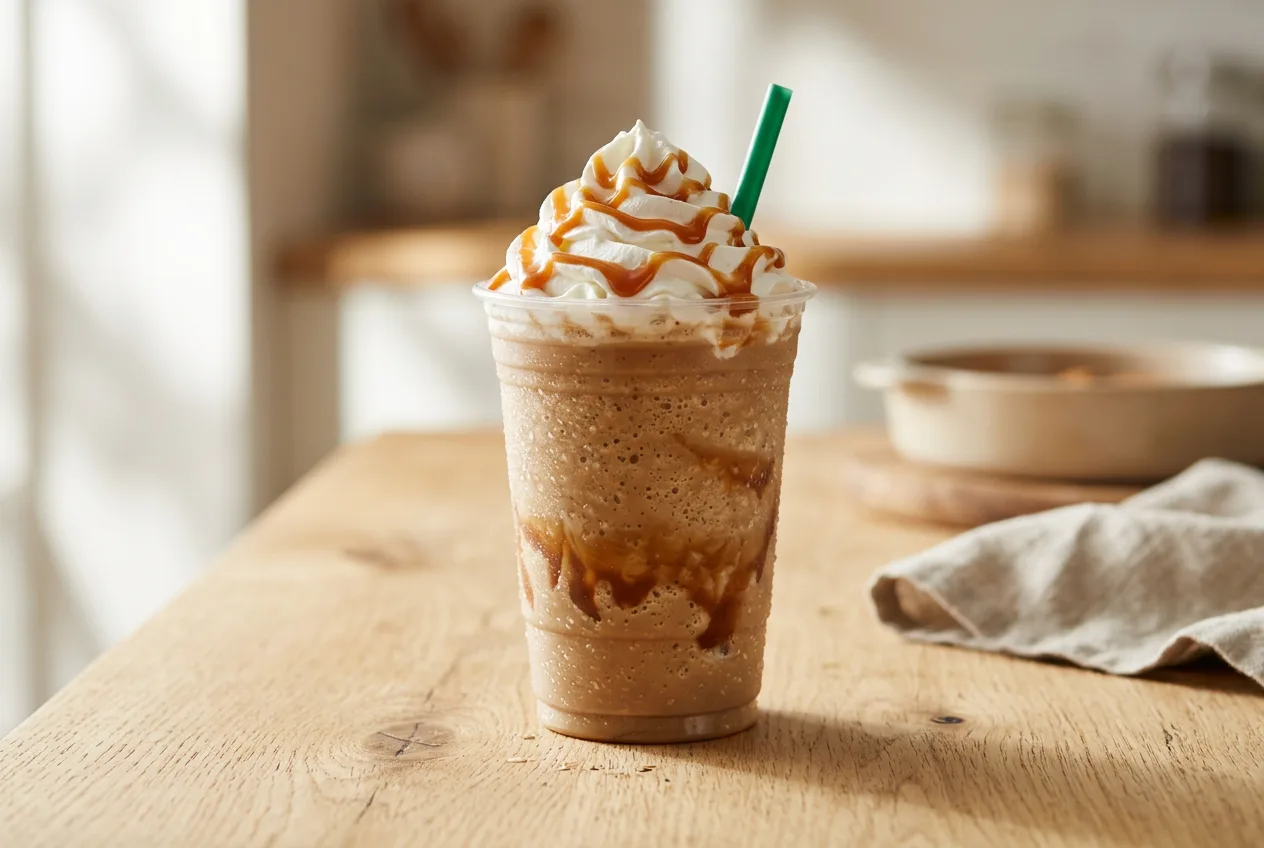
The Frappuccino created a whole category of cold, sweet, blended coffee drinks. It brought in younger customers and people who didn't like the taste of plain coffee, and it smoothed out the summer slump that hot-coffee businesses used to suffer.
Coffee purists rolled their eyes, and many still do. But it's hard to argue with the impact. Sweet, cold, dessert-like coffee drinks are now a massive part of the coffee business worldwide, and many people's first coffee experience is something like a Frappuccino rather than a cup of black coffee.
Seasonal drinks and the coffee calendar
Starbucks also turned the calendar into a marketing tool. Its Pumpkin Spice Latte, introduced in 2003, became so popular that "PSL season" is now a recognized sign of autumn in the US, copied by countless cafes, bakeries and grocery brands.
Holiday drinks, red cups and limited-time flavors followed. Seasonal launches give customers a reason to come back and try something new, and they generate a lot of free publicity every year.
For coffee purists, these drinks are more about syrup and spice than coffee. But they're a big reason many people associate coffee with seasons and celebrations, much as Finns associate certain cakes with certain holidays.
Beyond the cafe walls
Starbucks also pushed its brand far beyond its stores. It sold whole-bean and ground coffee in supermarkets, launched bottled ready-to-drink coffees (including bottled Frappuccinos), and sold mugs, tumblers and seasonal merchandise that became collectibles for some fans.
That move mattered for the wider market. It got better-quality, darker-roasted arabica into ordinary grocery stores and kitchens, and it helped make the idea of "premium" coffee at home normal.
Going global: Tokyo, 1996
In 1996, Starbucks opened its first store outside North America, in Tokyo's Ginza district. Many analysts doubted it would work. Japan had a long and refined cafe culture, and walking around with a takeaway cup wasn't a common habit.
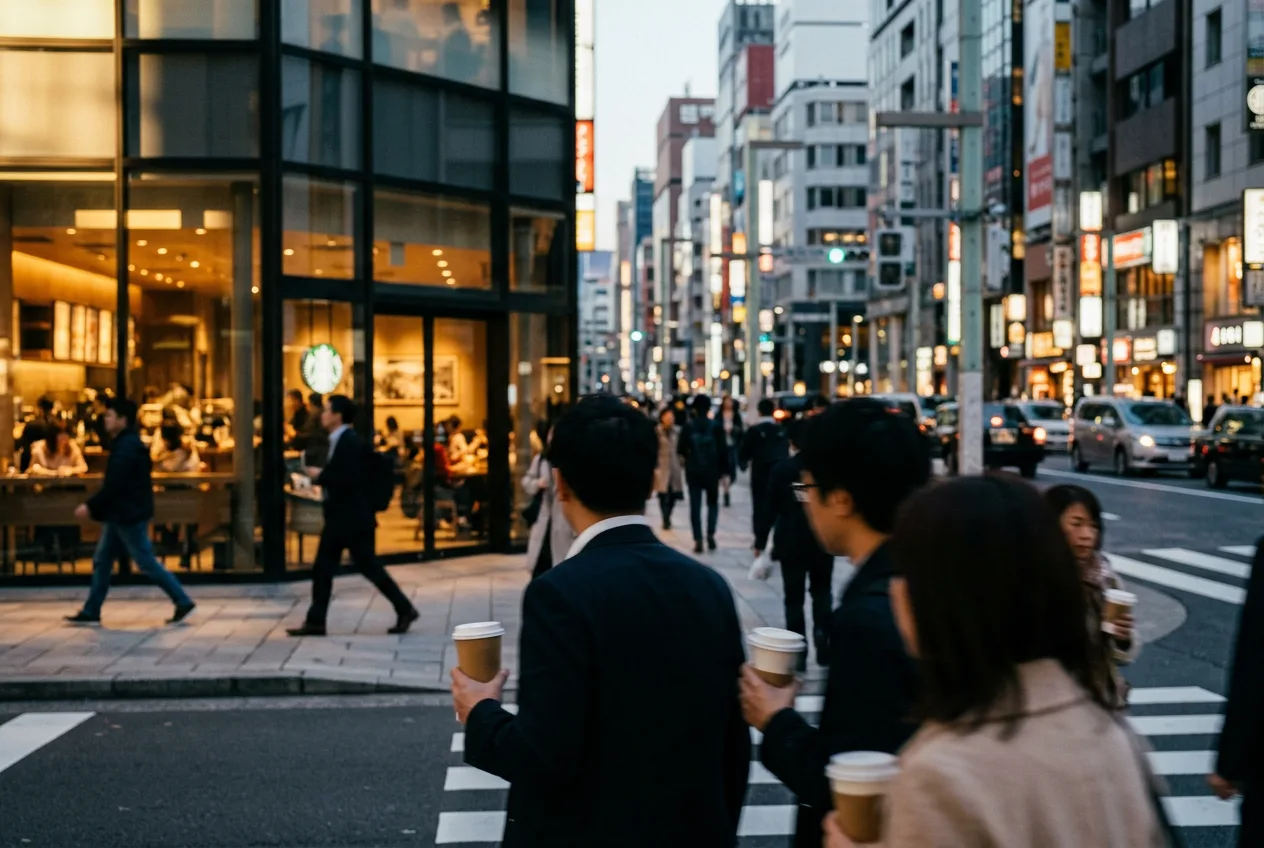
The Tokyo store was an immediate success, and it kicked off rapid expansion across Asia, then Europe, Latin America and the Middle East. Today, Starbucks is in dozens of countries, from China and Korea to the UK and Mexico.
In many places, Starbucks was the first exposure people had to espresso-based drinks made to order. Its arrival often sparked a wave of local competitors and independent cafes, which in turn helped create local specialty scenes. For a look at how different countries drink coffee, see coffee culture around the world.
Hyper-growth and an identity crisis
In the early 2000s, Starbucks expanded at an extraordinary pace, opening thousands of stores in shopping centers, airports, offices, campuses and on seemingly every other corner. In some cities, you could see one Starbucks from the door of another.
That speed came at a cost.
- Automation: to serve customers faster, many stores used automatic espresso machines, which removed some of the theater of grinding and pulling shots by hand.
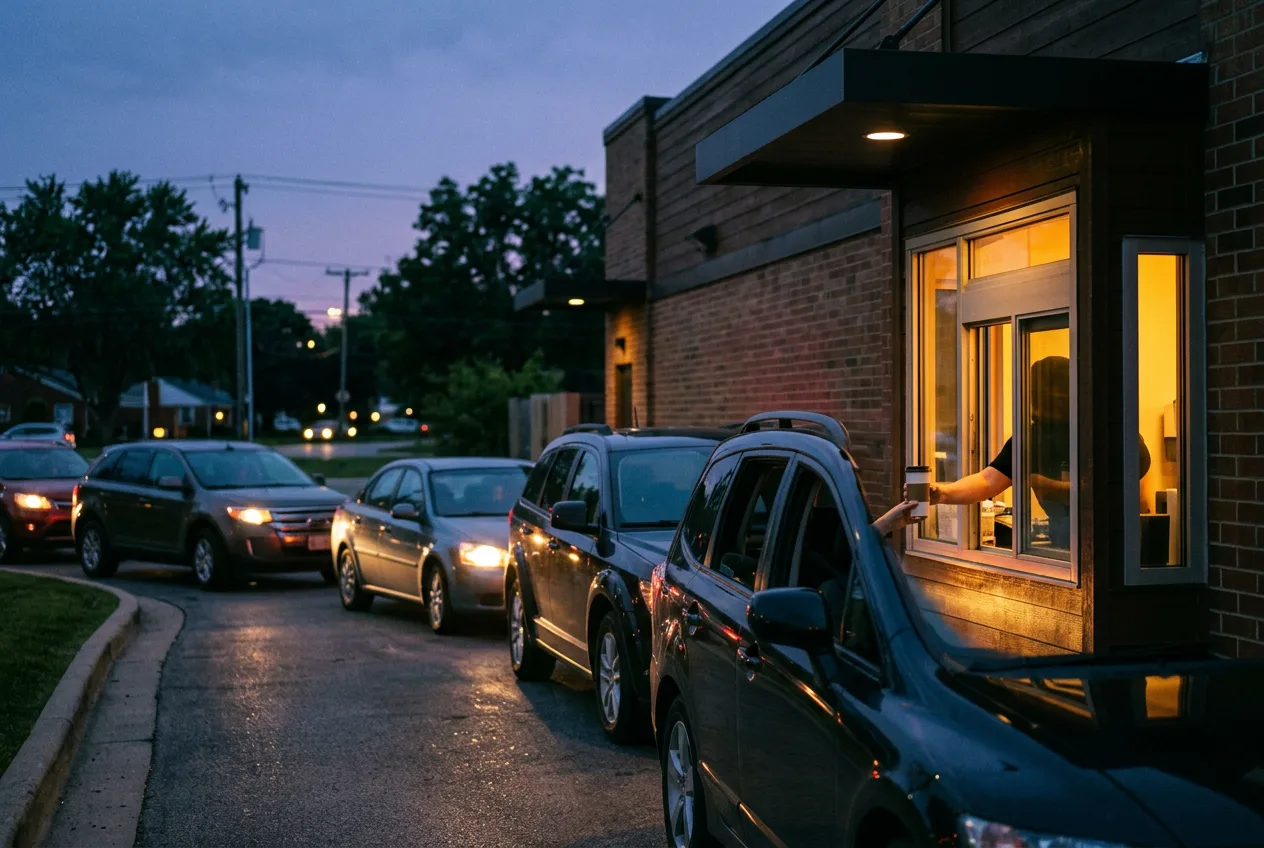
- Standardization: stores began to feel cookie-cutter, and drive-thrus grew, eroding the cozy neighborhood atmosphere.
- Cannibalization: new stores close to old ones drew customers away from each other, while same-store sales growth slowed.
Starbucks was everywhere, but it was starting to lose what had made it special.
The 2007 memo
In February 2007, Howard Schultz, then chairman, wrote an internal memo that later leaked. He warned that in the pursuit of growth, Starbucks had made decisions that led to what he called "the commoditization of the Starbucks experience."
The memo pointed to things like automatic machines and flavor-locked packaging that reduced the aroma of fresh coffee in stores. It was an unusually frank admission that the company was losing its soul, and a sign that big changes were coming.
The 2008 turnaround
With the stock falling and the Great Recession arriving, Schultz returned as CEO in January 2008. What followed was one of the best-known corporate turnarounds in retail.
- Closing storesAbout 600 underperforming US stores were closed to reduce over-saturation.
- Retraining baristasOn one evening in February 2008, Starbucks closed its US stores for several hours to retrain around 135,000 baristas on pulling shots and steaming milk.
- New machinesLower-profile espresso machines let baristas see and talk to customers over the counter.
- Better brewed coffeeThe company introduced a milder everyday house roast and experimented with premium brewing systems.
- Refocusing on the experienceThe message was back to coffee, back to customers and back to the store.
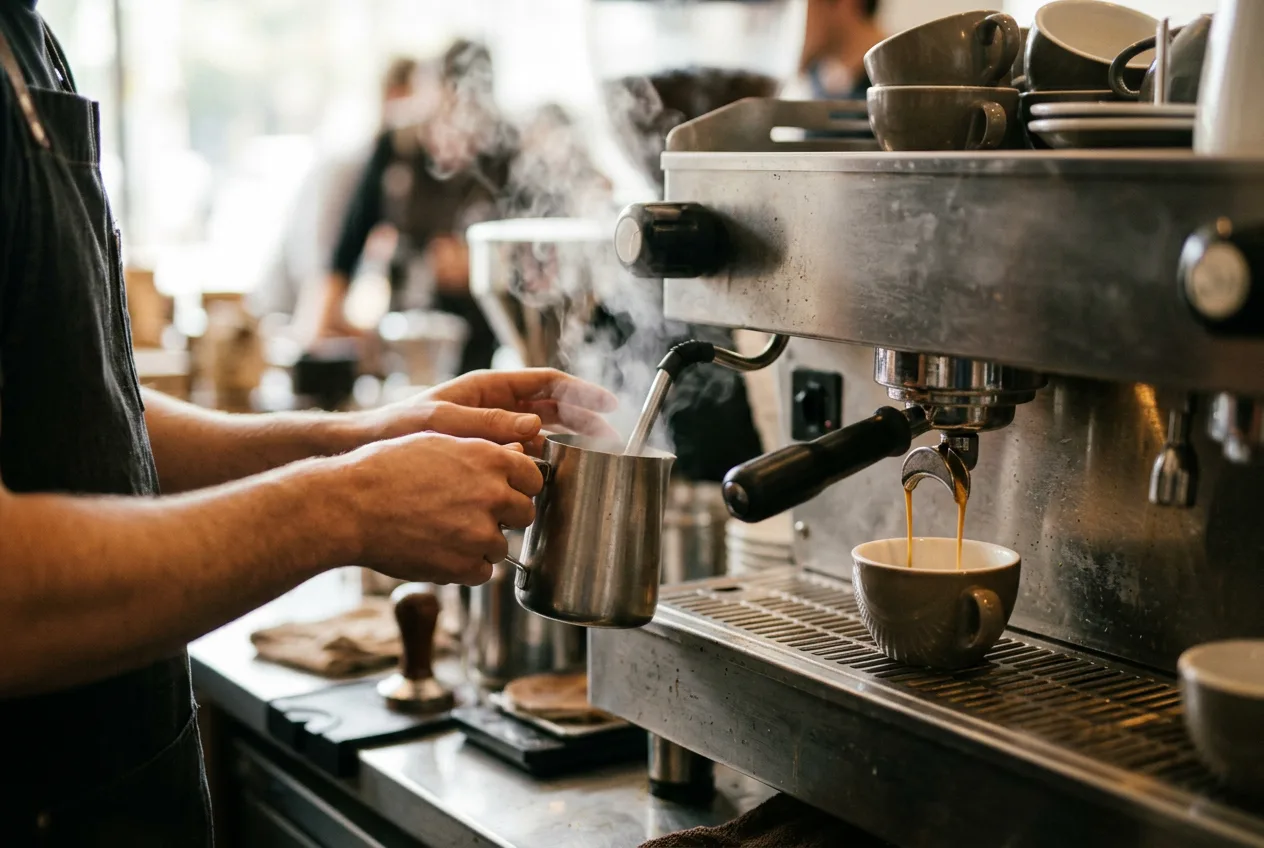
Closing every store at once to teach baristas how to make espresso properly was a remarkable statement. It told employees and customers alike that coffee quality mattered again.
The digital revolution
One of Starbucks' least appreciated innovations is technology. It was an early adopter of mobile apps, digital gift cards and mobile payments, years before most restaurants.
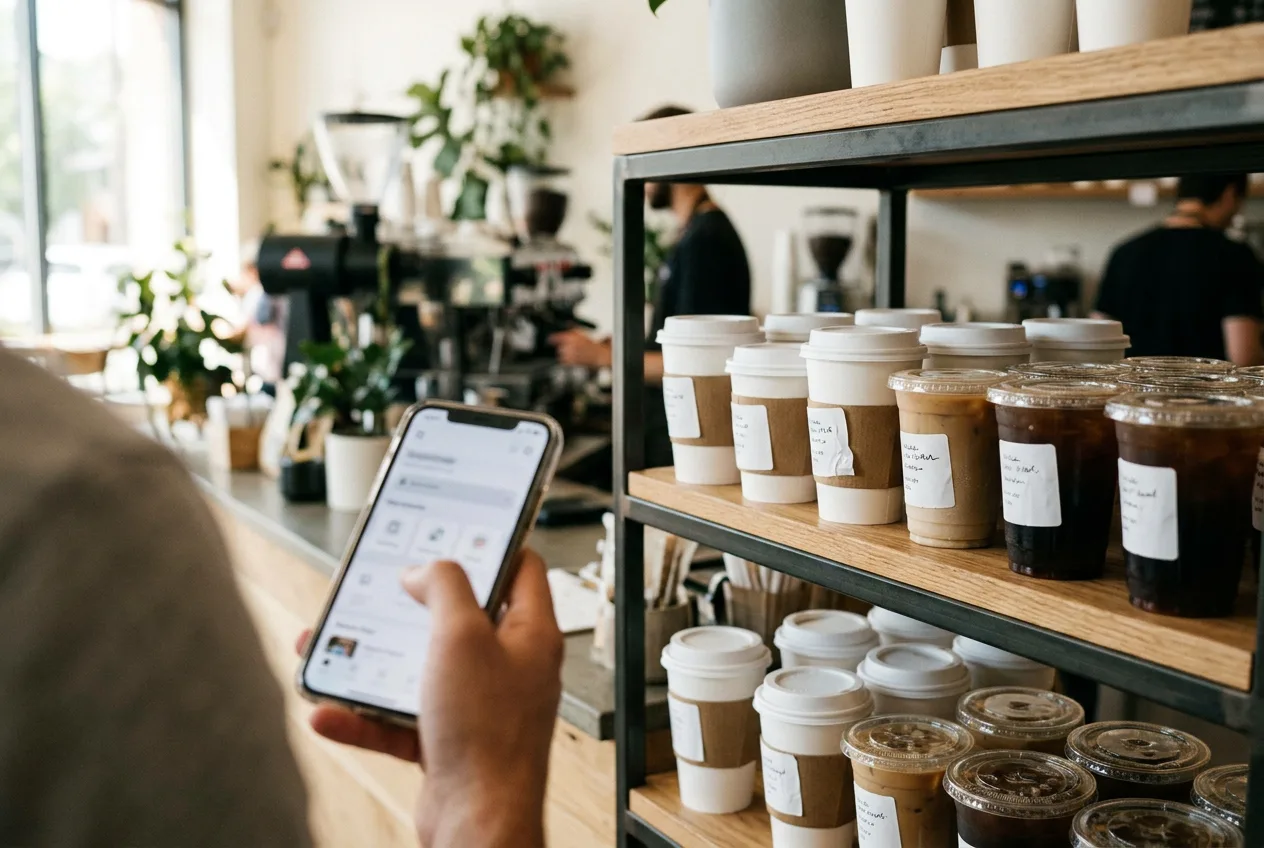
- Mobile Order and Pay: customers can customize drinks, pay ahead on their phones and skip the line, which hugely increased how many drinks a store can serve at peak times.
- Starbucks Rewards: one of the most successful loyalty programs in retail, driving repeat visits and capturing data about what customers buy. In late 2026, it reported a record 36 million active members in the US.
- Stored value: customers pre-load money onto cards and apps, so Starbucks holds large balances of customer funds, a quiet financial advantage.
Much of the restaurant industry has since copied these ideas. If you've ever ordered a coffee or a burger on an app and picked it up from a shelf, you've seen Starbucks' influence.
Our tip: Mobile ordering is convenient, but it changed the cafe. Counters now often serve as much as a production line for app orders as a place to talk to a barista. If you want the old experience, order at the counter at a quiet time and ask the barista what they'd recommend.
Prices, unions and rivals
Through the late 2010s and early 2020s, Starbucks faced pressure from several directions.
- Price pushback: repeated price rises, plus costly add-ons for milk swaps, syrups and extra shots, led many customers to complain about value.
- Staff discontent: employees, whom Starbucks calls partners, raised concerns about pay, scheduling, understaffing and the stress of juggling counter, drive-thru and mobile orders at once.
- Unionization: starting in Buffalo, New York, in late 2021, union campaigns spread to hundreds of US stores, followed by long legal disputes and walkouts.
- Competition at both ends: independent specialty cafes competed on quality and atmosphere, while cheaper chains, fast-food breakfast menus and drive-thru-only beverage brands competed on price and speed.
The company that had once been the upscale option was now squeezed between "better" and "cheaper."
The cold drink shift
At the same time, tastes changed. Younger customers, especially millennials and Gen Z, moved away from hot espresso drinks toward cold, iced and highly customizable drinks, all year round.
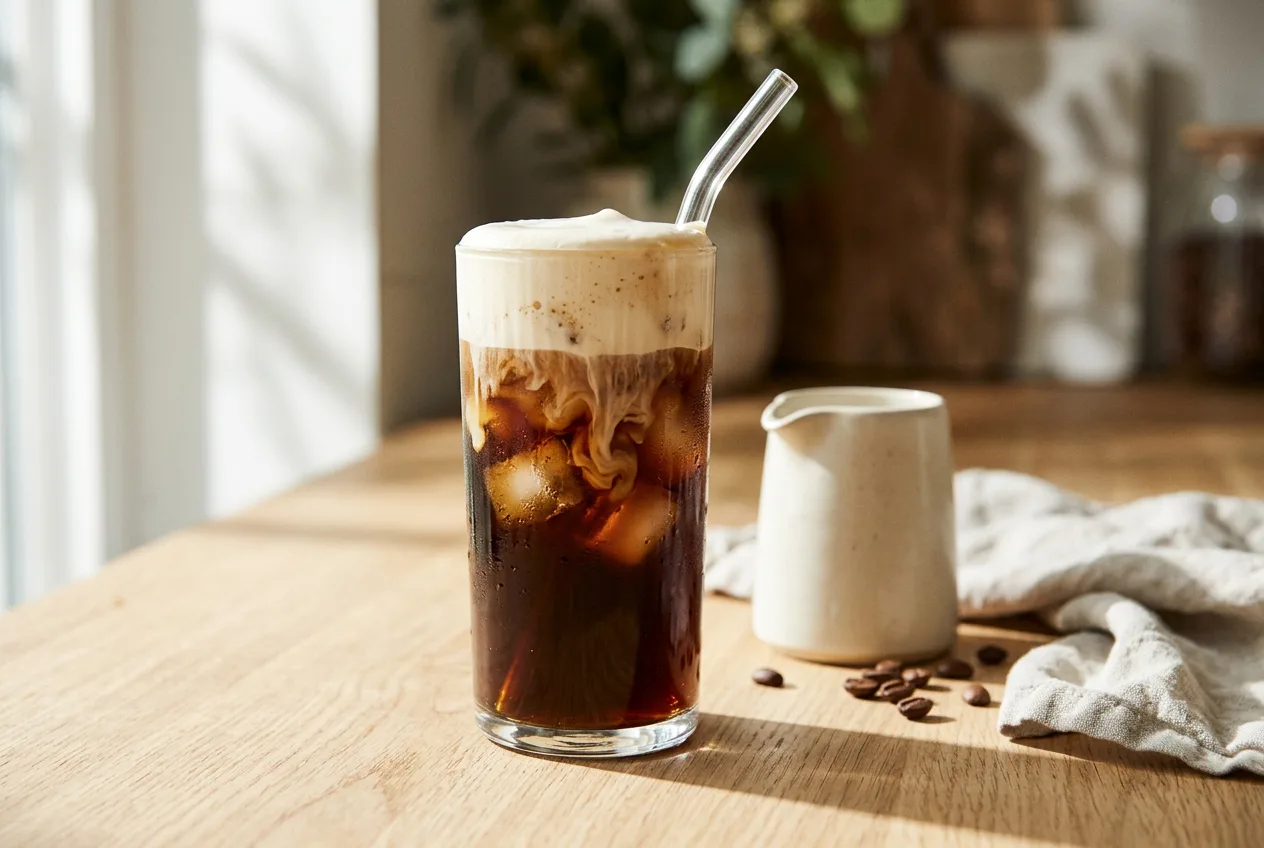
Starbucks moved with them. Cold brew, nitro cold brew, iced shaken espressos, cold foam, oat and almond milk, and colorful fruit-based Refreshers moved to the center of the menu. In many stores, cold drinks now outsell hot ones.
That shift has spread far beyond Starbucks. If you want to make the cold drinks at home, see iced coffee vs cold brew.
"Back to Starbucks": the latest chapter
In 2024, Starbucks hired Brian Niccol as chairman and CEO. He had led turnarounds at Taco Bell and Chipotle, and he launched a plan called "Back to Starbucks."
- Speed and reliability: simpler workflows and targets so drinks come out quickly without a chaotic pickup counter.
- A simpler menu: trimming complicated items and excessive customizations that slowed baristas down.
- Investing in staff: better staffing, more predictable schedules and clearer career paths.
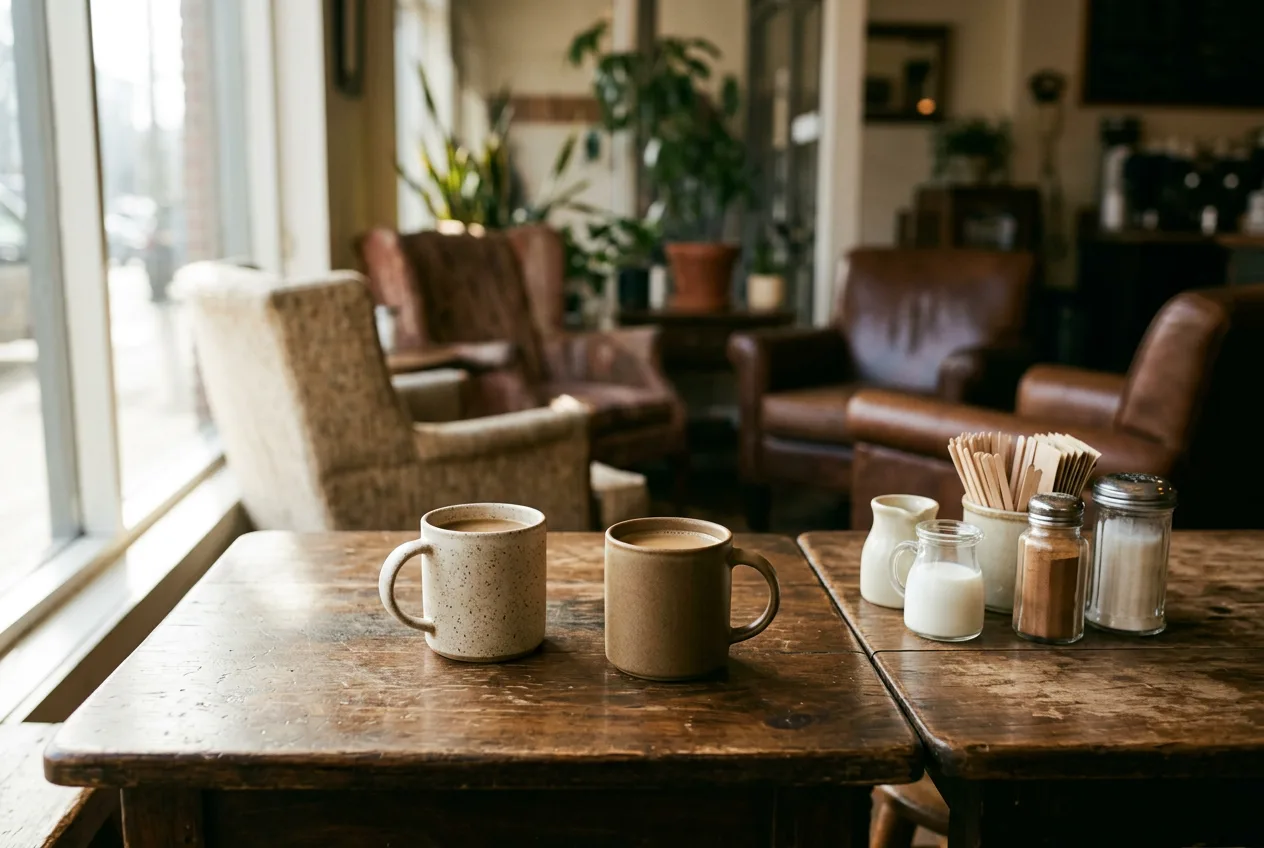
- Restoring the coffeehouse: more comfortable seating, ceramic mugs for customers staying in, the return of condiment bars and a warmer atmosphere.
The company also closed underperforming stores in two rounds, including several hundred in North America and Europe in September 2025 and about 250 more in the last quarter of fiscal 2026.
By its fiscal fourth quarter of 2026, the plan was showing results. Starbucks reported global comparable coffeehouse sales up 7.2% and US comparable sales up 7.7%, its fifth straight quarter of growth. Quarterly revenue dipped about 4% to around $9.1 billion, mainly because Starbucks sold control of its retail operations in China into a joint venture, which changes how that business shows up in its accounts.
Starbucks fiscal Q4 2026, comparable sales growth
The company ended fiscal 2026 with just over 41,600 locations worldwide. Whether the warmer, slower, more personal Starbucks can coexist with its huge drive-thru and app business is the big open question for the next decade.
What Starbucks actually changed
Stepping back, here's what I think Starbucks changed about coffee, for better and for worse.
| Area | What changed |
|---|---|
| Menus | Espresso drinks became standard; a global coffee vocabulary was born |
| Customization | Ordering became personal: milk, shots, syrups, sizes, temperature |
| Price expectations | People got used to paying several dollars for a coffee |
| Spaces | The cafe became an office, study room and meeting place |
| Technology | Mobile ordering, payments and loyalty apps spread across food retail |
| Drinks | Sweet, cold and blended coffee became a huge category |
| Home coffee | Premium whole-bean coffee went mainstream in supermarkets |
| Competitors | It opened the door for thousands of independent cafes |
The insight that runs through all of this: Starbucks didn't invent espresso, steamed milk or the European cafe. Its real innovation was scaling, standardizing and personalizing the coffeehouse until it became an accessible everyday habit around the world.
The "Starbucks effect" on independent cafes
It's natural to assume a giant chain crushes small competitors. With coffee, the story is more complicated.
When Starbucks moved into a new city or neighborhood, it often created demand that hadn't existed before. People who had never paid more than a dollar for coffee learned to enjoy a latte. Some of them then went looking for something more local, more personal or better than what the chain offered.
Independent cafe owners have long noted that a Starbucks opening nearby could actually bring them new customers. The chain did the hard work of teaching the market; the independents offered an alternative to people who wanted one.
That doesn't mean every small cafe benefited. Some did close when a chain opened next door, especially in the hyper-growth years. But the overall number of cafes in many countries rose dramatically after Starbucks arrived, and the specialty scene that many coffee lovers prefer today grew up in that space.
Our tip: If you have a good independent cafe near you, support it. The coffee world is healthier with both big chains and small, characterful shops.
The criticisms
A fair account has to include the criticisms, many of which come from coffee lovers.
- The roast: traditionally dark roasts that some find bitter or "burnt," hiding the character of the beans. If you're curious about why, see coffee roast levels explained.
- Sugar and calories: many popular drinks are closer to desserts than coffee.
- Sameness: critics argue chains flatten local cafe culture and make streets look alike.
- Price: customized drinks can be expensive, and add-ons add up fast.
- Labor: the long-running dispute with unionizing workers has hurt the company's image with some customers.
- Waste: billions of single-use cups and lids, though Starbucks has pushed reusables and ceramic mugs in stores. More on coffee waste in coffee pods and their environmental impact.
All of these are real. But it's also true that Starbucks raised the baseline of what many people expect from a cup of coffee, and made the cafe a normal part of life in places where it wasn't before.
Sourcing, farms and ethics
As Starbucks grew into one of the world's biggest coffee buyers, where and how it bought coffee came under scrutiny. In response, it built its own sourcing guidelines in the early 2000s, covering quality, farmer pay, working conditions and environmental practices.
The company also set up farmer support centers in coffee-growing regions, offering agronomy advice, and bought its own research farm in Costa Rica to study coffee varieties and disease resistance, including the leaf rust that devastates arabica crops. I explain that disease in coffee leaf rust.
Critics argue that large buyers still hold most of the power in the coffee chain and that farmers often earn too little. Supporters point out that Starbucks' scale makes its standards matter far more than any small roaster's. Both can be true. For background on certification schemes, see fair trade coffee explained.
Reserve roasteries: coffee as theater
From the mid-2010s, Starbucks opened huge Reserve Roasteries in cities like Seattle, Milan, Shanghai, Tokyo, New York and Chicago. These are part cafe, part working roastery and part museum, with copper roasters, coffee bars, bakeries and cocktail bars under one roof.
The Milan roastery, which opened in 2018, was symbolic. Decades after Howard Schultz brought the Italian espresso bar to America, Starbucks finally opened in Italy itself, in a grand building in the city that had inspired it.
The roasteries also show how the company learned from specialty coffee: small-lot single origins, many brewing methods and a focus on showing how coffee is roasted, all wrapped in a very Starbucks sense of spectacle.
The cafe as an office
Another lasting change is how we use cafes. Free Wi-Fi, power outlets and long opening hours helped turn coffee shops into offices, study rooms and meeting places.
Freelancers, students and remote workers made the cafe their daily desk, and many independent cafes followed the same model. In some cities, the laptop crowd became so dominant that cafes started limiting seating time or covering power outlets.
That shift changed the feel of cafes. They became quieter, more solitary places, where people sit near each other but rarely talk. It's an interesting contrast with the noisy, conversational coffeehouses of 18th-century London.
Myths about Starbucks
- "Starbucks invented the latte." Espresso and steamed milk drinks existed in Italy long before. Starbucks popularized them.
- "The first Starbucks was a cafe." It was a bean and equipment shop.
- "Starbucks killed independent cafes." In many places, it helped create the demand that independent cafes later served.
- "All Starbucks coffee is dark roast." It offers blonde (light) and medium roasts too, though dark roasting is part of its history.
- "It's all about coffee." Today a large share of sales are cold, sweet and non-coffee drinks.
Starbucks and the specialty coffee movement
Coffee people often describe three "waves" of coffee. The first wave was mass-market canned and instant coffee. The second wave was the rise of espresso drinks and branded coffeehouses, with Starbucks as the biggest example. The third wave is specialty coffee: light roasts, single origins, careful brewing and transparency about farms.
The third wave partly defined itself against Starbucks. Lighter roasts were a reaction to dark roasts; small, independent cafes were a reaction to chains. But the third wave also depended on Starbucks. It had already taught millions of people to pay more for coffee, to sit in cafes and to order espresso drinks. Independent cafes could build on that.
Starbucks, in turn, borrowed back from the third wave with premium Reserve roasteries, single-origin coffees and pour-over options. The relationship is more of a conversation than a fight. For more, see what is specialty coffee.
How to order better coffee at a big chain
If you end up in a Starbucks or any large chain, a few simple choices can get you a noticeably better cup.
- Try a lighter roast: blonde or medium roasts are less bitter than the darkest options.
- Ask for a pour-over if it's available, which is brewed fresh just for you.
- Order fewer pumps: ask for one or two pumps of syrup instead of the default.
- Go smaller: a short or small cappuccino has a better coffee-to-milk balance than a giant latte.
- Ask for "for here": a ceramic mug keeps the drink hotter and tastes better than paper.
- Try an Americano: espresso with hot water is a simple, low-calorie, reliable choice.
These tips work in most chains. The bigger the menu, the more your small choices matter.
How to bring the best of it home
You don't need a chain store to enjoy what Starbucks made popular. A few habits capture the best of it for much less money.
- Buy fresh whole beansThis was the original Starbucks idea in 1971, and it's still the single biggest upgrade for home coffee.
- Grind just before brewingA decent burr grinder makes a huge difference. See burr vs blade grinder.
- Make espresso drinks your wayA home espresso machine or a moka pot plus a milk frother gets you lattes and cappuccinos.
- Cold brew in the fridgeSteep coarse coffee in cold water overnight for an easy iced drink.
- Go easy on syrupsA little vanilla or caramel is nice; a coffee shop-sized pump of syrup adds a lot of sugar.
- Create your own third placeA comfortable chair, a good cup and twenty quiet minutes at home can do the same job.
Timeline: how Starbucks changed coffee
| Year | What happened |
|---|---|
| 1971 | Starbucks opens in Seattle selling whole beans and equipment |
| 1982 | Howard Schultz joins the company |
| 1983 | Schultz visits Milan's espresso bars |
| 1985-1986 | Schultz leaves and starts Il Giornale |
| 1987 | Schultz buys Starbucks and merges it with Il Giornale |
| 1995 | The Frappuccino launches |
| 1996 | First store outside North America, in Tokyo |
| 2000s | Hyper-growth to thousands of stores worldwide |
| 2007 | Schultz's memo on the "commoditization" of the experience |
| 2008 | Schultz returns as CEO; stores close for barista retraining |
| 2010s | Mobile ordering and rewards app transform the business |
| 2021 | First union drives begin in Buffalo, New York |
| 2024 | Brian Niccol becomes CEO; "Back to Starbucks" begins |
| 2026 | China retail moves into a joint venture; comparable sales grow for a fifth straight quarter |
The verdict
Starbucks changed coffee more than any other company of the last fifty years. It turned a Seattle bean shop into a global habit, taught the world a new coffee language, made the cafe a place to live part of your day, and rewrote how we order and pay.
It also showed the risks of growing too fast: losing the warmth and craft that made people love it in the first place. Its recent history is largely about trying to win that back.
For home coffee lovers, the most useful lesson is surprisingly simple. Starbucks started by selling fresh, well-roasted beans so people could make better coffee in their own kitchens, and it became a giant by making coffee feel personal and worth a pause. You can do both at home today: buy fresh beans, brew them carefully, make the drink you actually like, and give yourself ten minutes to enjoy it. That is the original idea, before the drive-thrus and apps, and it still works.
Love it or avoid it, the way most of us think about coffee, from lattes and cold foam to sitting in a cafe with a laptop, runs through that first Seattle shop and one trip to Milan.
Frequently asked questions
When and where was Starbucks founded?
In 1971 in Seattle, near the Pike Place Market, by Jerry Baldwin, Zev Siegl and Gordon Bowker.
Did the first Starbucks sell coffee drinks?
No. It sold whole-bean coffee, tea and brewing equipment. Brewed coffee was mainly for free samples.
Where does the name Starbucks come from?
From Starbuck, the first mate in Herman Melville's novel Moby-Dick.
What inspired Howard Schultz?
A 1983 trip to Milan, where he saw Italian espresso bars acting as daily social hubs.
What is the "third place"?
A public space between home (the first place) and work (the second), where people gather and relax. Starbucks built its stores around the idea.
When was the Frappuccino introduced?
In 1995. It created a huge category of cold, blended coffee drinks.
How many Starbucks stores are there?
Just over 41,600 locations worldwide at the end of fiscal 2026, including licensed stores.
What is "Back to Starbucks"?
CEO Brian Niccol's plan, launched in 2024, to improve speed, simplify the menu, invest in staff and restore a warmer coffeehouse atmosphere.

- Michael Reynolds, notes on coffee industry history
- Starbucks Reports Q4 and Full Fiscal Year 2026 Results, Starbucks Investor Relations
- Starbucks, Wikipedia
- Howard Schultz, Wikipedia
- Third place, Wikipedia
- Frappuccino, Wikipedia
Related guides
History of the London coffeehouse Italian coffee culture Cappuccino vs latte vs flat whiteWritten by Michael Reynolds. Last updated November 20, 2026.