Coffee Varieties Explained: Typica, Bourbon, Gesha, SL28 and More
Arabica isn't one coffee. It's a whole family of varieties, each with its own history, plant shape and flavor. Here's a clear guide to the varieties you'll see on specialty coffee bags, from Typica and Bourbon to Gesha, SL28 and Ethiopian heirlooms.
We choose products independently. We may earn a commission through links on this page; your price stays the same. Affiliate policy
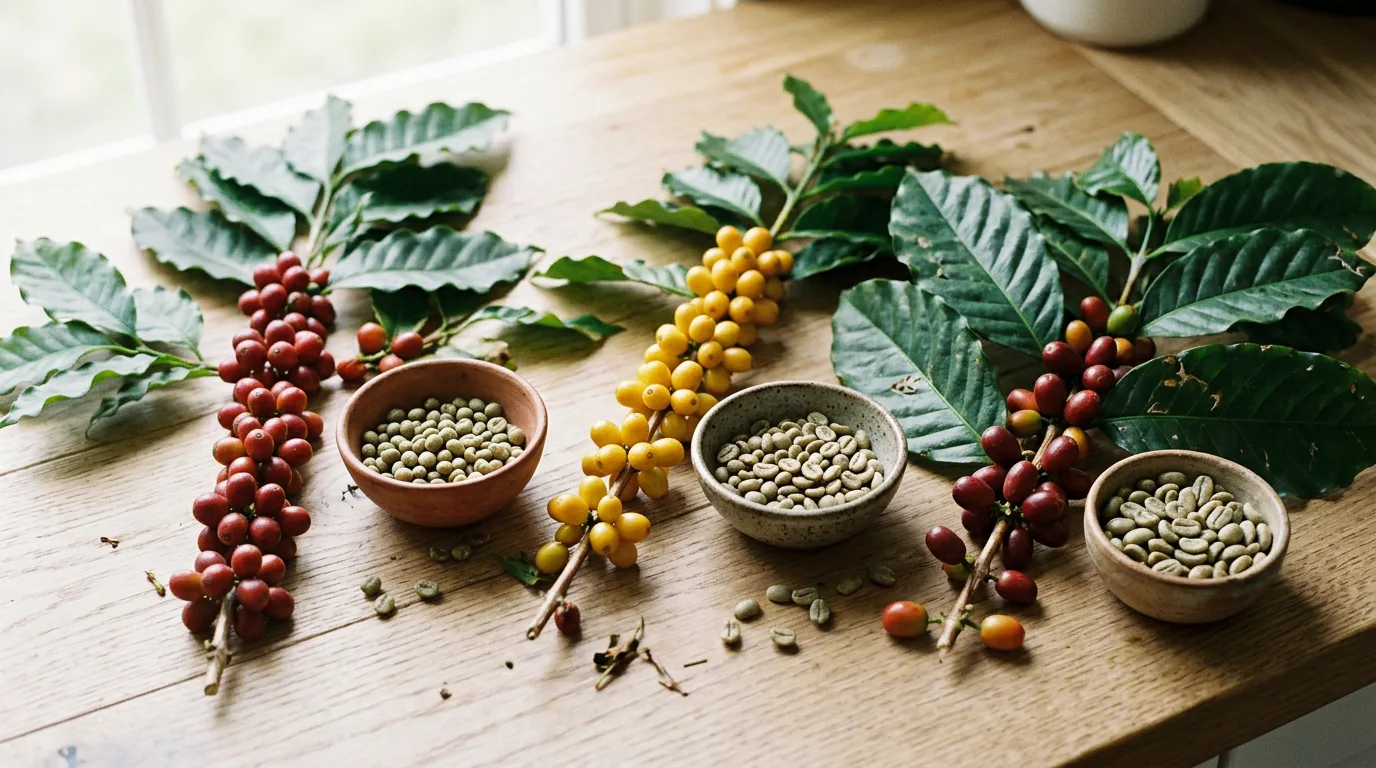
A coffee variety is a distinct type of coffee plant within a species, a bit like Granny Smith and Honeycrisp are both apples. Most specialty coffee is arabica, and arabica includes dozens of varieties.
Typica and Bourbon are the two historic foundations. Many modern varieties, like Caturra, Catuai and Mundo Novo, descend from them. Ethiopia holds the greatest genetic diversity, and gave the world Gesha, famous for its jasmine and tropical fruit notes.
Variety shapes flavor, yield and disease resistance, but it doesn't guarantee a taste. Altitude, climate, farming, processing and roasting matter just as much.
Why I wrote this
The first time I saw "Variety: Pacamara" on a bag of coffee, I assumed it was a farm name.
Then I tasted it next to a Caturra from the same country, and the difference was startling. The Pacamara was creamy, fruity and almost spicy. The Caturra was clean, bright and caramel-sweet.
Same country, same roaster, same week. Different plants.
Since then I've made a habit of tasting single-variety coffees side by side whenever I can, at home, at roasteries and on origin trips. Some differences are subtle. Others, like Gesha next to Catuai, are as obvious as white wine next to red.
That's when I realized variety is one of the most overlooked lines on a coffee label. Once you understand it, you start to see why two coffees from the same region can taste completely different, and you get much better at choosing beans you'll love.
What you'll learn
- The difference between species, variety and cultivar
- How Typica and Bourbon shaped most of the coffee grown today
- Why Ethiopian heirloom coffees are so diverse
- The story of Gesha, from Ethiopian forest to record auctions
- The main varieties of Central and South America, Asia and the Pacific
- Rare varieties like SL28 and naturally low-caffeine Laurina
- Why variety matters, and why it isn't the whole story
Species, variety and cultivar: quick definitions
These words get mixed up a lot. Here's the simple version.
You'll also see the word "heirloom" on Ethiopian bags and "landrace" in some research. Both describe traditional local plant populations that developed naturally over time rather than through formal breeding.
In everyday coffee talk, "variety" and "cultivar" are often used interchangeably. I'll mostly say "variety" in this guide.
If you want the species side of the story first, my guide to arabica vs robusta covers it.
Arabica at a glance
Arabica is the dominant species in specialty coffee, and it makes up well over half of the world's coffee production.
But it isn't uniform. It includes many varieties with different genetic backgrounds, growing needs, yields, disease resistance and flavors.
What shapes a coffee's taste
- Variety and geneticsThe plant's built-in flavor potential.
- Growing conditionsClimate, altitude, soil and shade.
- FarmingPlant health, nutrition and care.
- Harvest and processingPicking ripe cherries, then washing, drying or fermenting them.
- Roasting and brewingHow the potential is finally expressed in your cup.
Variety sets the starting point. Everything else decides how much of that potential reaches you.
Ethiopia, arabica's birthplace, holds especially important genetic diversity. Central and South America, Asia, the Pacific and other regions have developed their own varieties and traditions.
The coffee family tree (simplified)
Most of the arabica grown outside Ethiopia traces back to a small number of plants that left Yemen centuries ago. That narrow starting point is why Typica and Bourbon matter so much.
| Parent line | Descendant | How it came about |
|---|---|---|
| Typica | Maragogype | Large-bean natural mutation |
| Bourbon | Caturra | Dwarf natural mutation, Brazil |
| Bourbon | Pacas | Dwarf natural mutation, El Salvador |
| Typica × Bourbon | Mundo Novo | Natural hybrid, Brazil |
| Mundo Novo × Caturra | Catuai | Bred in Brazil |
| Pacas × Maragogype | Pacamara | Bred in El Salvador |
| Caturra × Timor hybrid | Catimor | Bred for leaf rust resistance |
| Bourbon and Typica background | SL28, SL34 | Selected in Kenya |
A simplified view. Real coffee genetics are more tangled, and researchers keep refining these relationships.
How arabica spread around the world
Understanding the journey explains why so much of the world's arabica is genetically similar, and why Ethiopia stands apart.
- EthiopiaArabica originated in the highland forests of southwestern Ethiopia and nearby South Sudan, where wild and semi-wild coffee still grows today.
- YemenCoffee was carried across the Red Sea to Yemen, where it was cultivated on terraces and traded through the port of Mocha. Only a small selection of Ethiopia's diversity made this trip.
- Into AsiaIn the 17th century, Dutch traders took plants from Yemen toward their colonies in what is now Indonesia. These became the Typica line.
- Into Europe and the AmericasPlants from that line traveled through European botanical gardens and on to the Caribbean and Latin America, spreading Typica across the region.
- Via Bourbon IslandA separate group of Yemeni plants was taken by the French to Bourbon Island, now Réunion. Their descendants became Bourbon, which later reached Latin America and East Africa.
Because most of the coffee planted outside Ethiopia came from just these few introductions, commercial arabica has a surprisingly narrow genetic base. That's one reason it's so vulnerable to diseases like leaf rust, and why breeders keep returning to Ethiopian and wild coffees for new traits.
Typica: the original
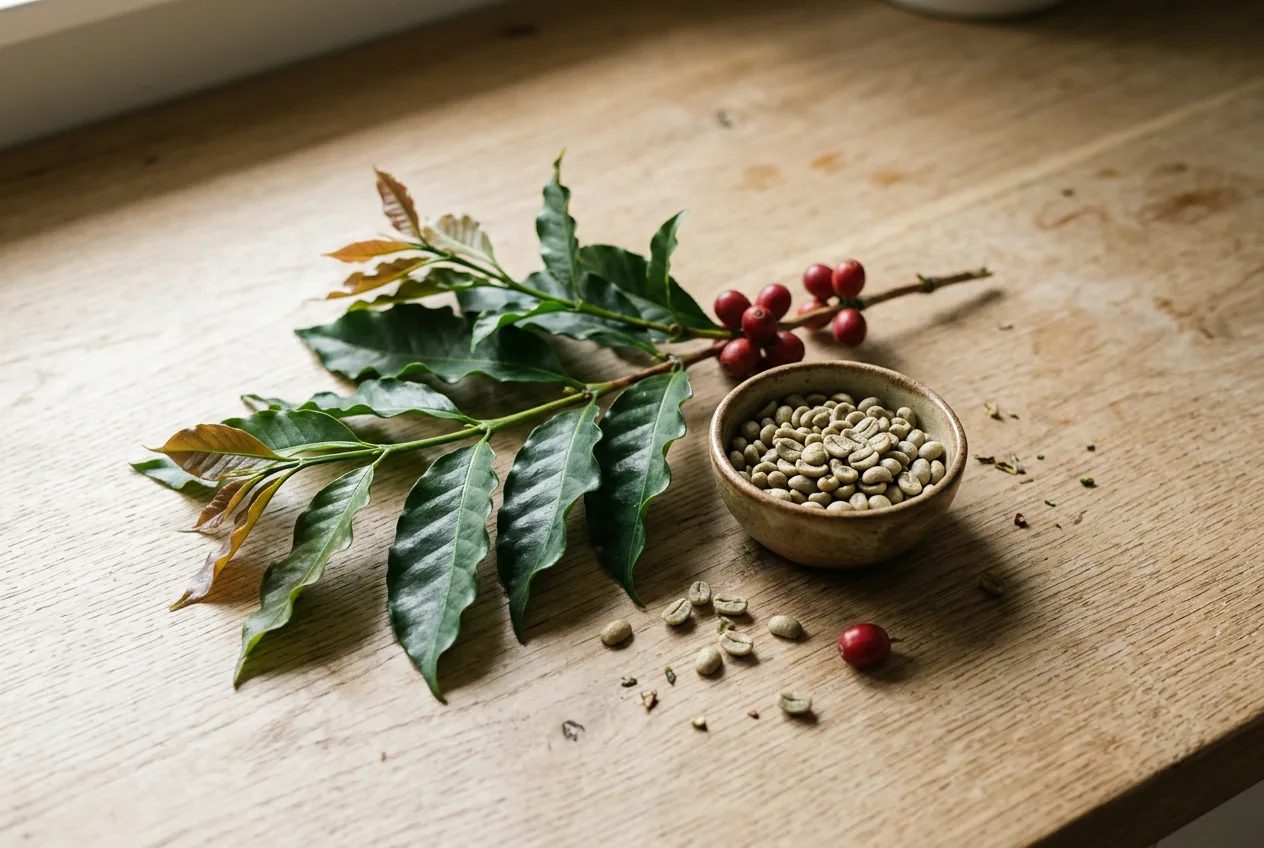
Typica is one of the oldest known arabica varieties. You'll also see it called Arabigo or Indio in some countries.
History
Typica's story is tied to Yemen. In the 17th century, Dutch traders took it to Indonesia, and from there it spread to the Americas. A huge share of the world's coffee has Typica somewhere in its family tree.
The plant
Typica plants are tall and conical, often with bronze-colored young leaves. Their big drawback is low productivity. They produce less coffee than many newer varieties, which is why many farmers replaced them over the 20th century.
The cup
Typica is loved for a clean, sweet, balanced cup, often with fruit, nut and chocolate notes. It's rarely loud, but it's elegant.
Bourbon: sweet and productive
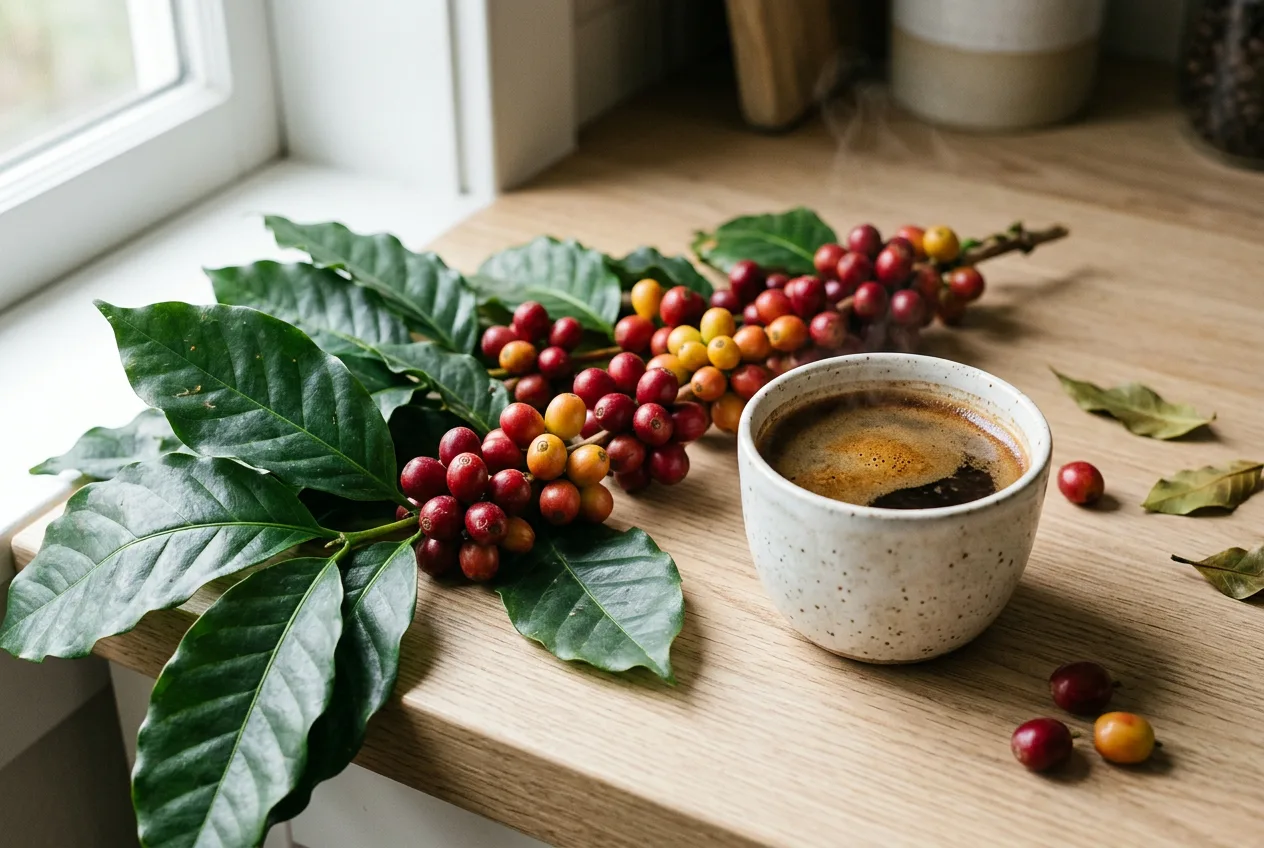
Bourbon is named after the island now called Réunion, in the Indian Ocean, which used to be called Bourbon Island. It reached Latin America in the middle of the 19th century.
The plant
Bourbon plants usually have broad leaves and round, plump cherries. Compared with Typica, Bourbon gives higher yields while keeping excellent cup quality. Red Bourbon is most common, but yellow and pink versions exist too.
The cup
Bourbon coffees are known for complex sweetness, often with caramel, vanilla and red fruit notes. Many specialty roasters consider a great Bourbon one of the sweetest, most rounded coffees you can buy.
Bourbon has also passed its genes to many later varieties, which is why so many modern coffees share some of its sweetness.
Our tip: If you love sweet, balanced coffee and you see "Bourbon" or "Red Bourbon" on a bag from Rwanda, Burundi, El Salvador or Brazil, it's often a very safe bet.
How place changes a variety
Varieties don't taste exactly the same everywhere. Local conditions influence acidity, sweetness, body and aroma.
| Region | Typica and Bourbon often show |
|---|---|
| Central America (high altitude) | Bright acidity, clean finish, citrus or honey notes |
| Brazil and lower South America | Fuller body, smoother texture, nutty or chocolate undertones |
| East Africa | Juicy acidity, red fruit, vivid sweetness |
That's why "Bourbon" on a bag gives you a clue, not a promise. A Bourbon from a cool, high farm in Guatemala and one from a warmer farm in Brazil can taste like cousins rather than twins.
Typica and Bourbon also matter because they formed the genetic base of varieties like Caturra, Catuai and Mundo Novo.
Ethiopian heirloom coffees
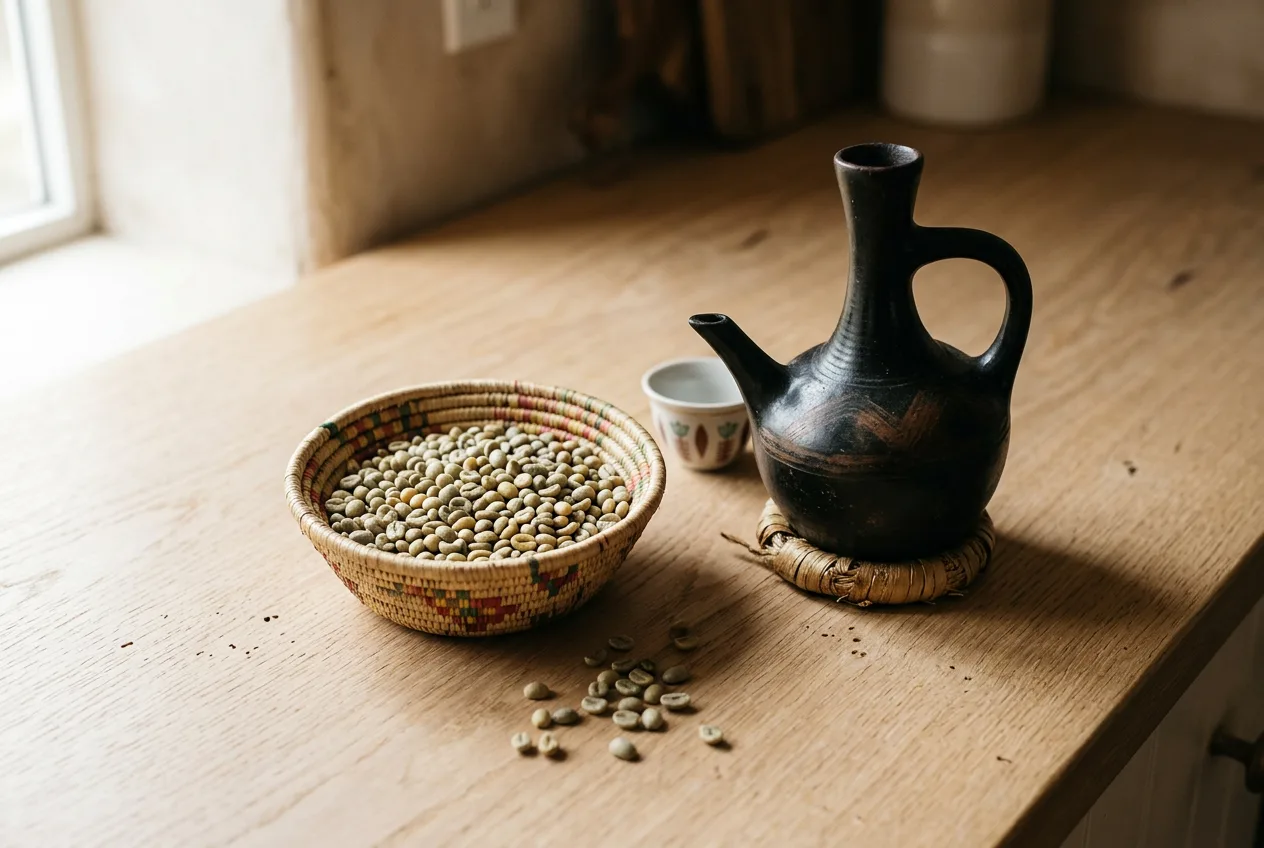
Ethiopia is the birthplace of arabica, and it holds more coffee genetic diversity than anywhere else on Earth.
What "heirloom" really means
"Ethiopian heirloom" usually doesn't mean one single variety. It often refers to traditional local populations: mixtures of many genetically different plants growing together in gardens, forests and small farms.
These coffees can vary enormously in plant shape and flavor, even between farms close to each other.
Why that diversity matters
- For drinkers: an incredible range of flavors, from jasmine and lemon to blueberry and wine.
- For farmers: plants adapted to local conditions over centuries.
- For researchers: a genetic library for breeding the coffees of the future.
As climate change, pests and diseases put more pressure on coffee, Ethiopia's diversity is becoming more valuable, not less. My guide to climate change and the future of coffee explains why.
Gesha (Geisha)
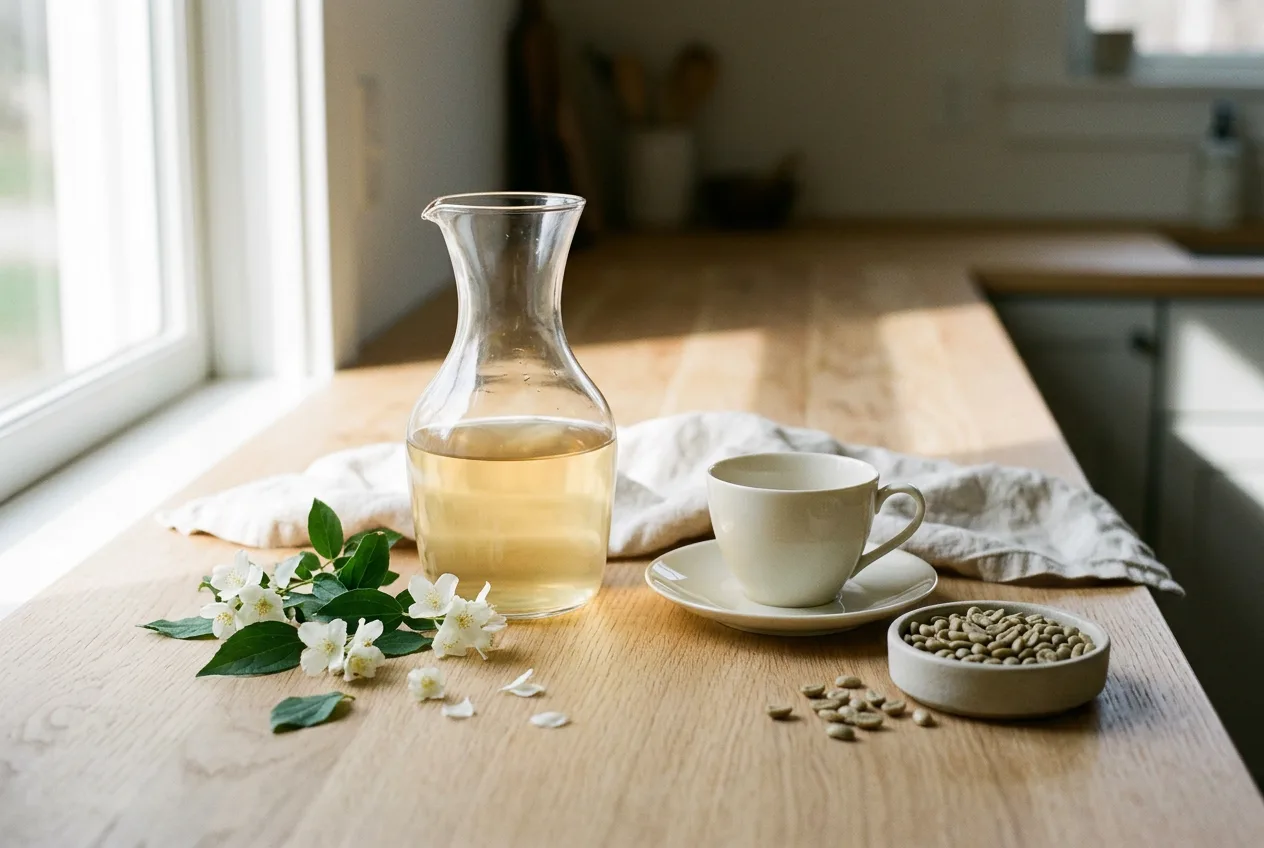
Gesha is the most famous coffee variety in the world right now. It originated in the Gori Gesha forest in southwestern Ethiopia, but became an international star after being grown in Panama.
Why people love it
Gesha's reputation comes from an unusually expressive aroma. Typical notes include:
- Jasmine and rose
- Bergamot (the flavor in Earl Grey tea)
- Stone fruit and citrus
- Tropical fruit
It usually has a light, silky body and a very clean finish. Drinking a great Gesha can feel more like drinking a delicate tea than a cup of coffee.
Why it's so expensive
Its rarity, distinctive cup and reputation have made top lots extremely valuable. Exceptional Gesha lots have sold for more than $1,000 per pound at auction.
Gesha has also been studied for some resistance to coffee leaf rust in certain conditions, which adds to breeders' interest in it.
I go deeper into Gesha, including how to brew it, in my dedicated guide to Geisha (Gesha) coffee.
Our tip: Brew Gesha as a light pour-over and drink it black. Milk, sugar or a dark brew method hide exactly the floral delicacy you're paying for.
Kurume, Harrar and other Ethiopian coffees
Kurume
Kurume is associated with the Yirgacheffe area. The plants are relatively compact and known for resistance to coffee berry disease.
In the cup, Kurume is often delicate, clean and bright, with jasmine, bergamot, citrus and honey-like sweetness, a medium body and a sweet finish.
Harrar
Harrar coffee grows in the eastern highlands around the historic city of Harar. It's famous for a wine-like, spicy character, often with blueberry, dark chocolate and black pepper.
The body is usually full and syrupy, with a long, slightly dry finish. Natural processing is common there and intensifies the fruit.
Guji, Sidamo and Limu
| Name | Often associated with |
|---|---|
| Guji | Sweet and complex, sometimes strawberry and chocolate |
| Sidamo | Balanced citrus acidity and floral aromas |
| Limu | Nutty qualities with spice and fruit |
| Yirgacheffe | Floral, citrus, tea-like elegance |
| Harrar | Blueberry, wine, spice, heavy body |
Note that these names often describe growing regions and their coffee traditions, not single, precise varieties. Treat them as region labels with typical styles.
Central and South American varieties
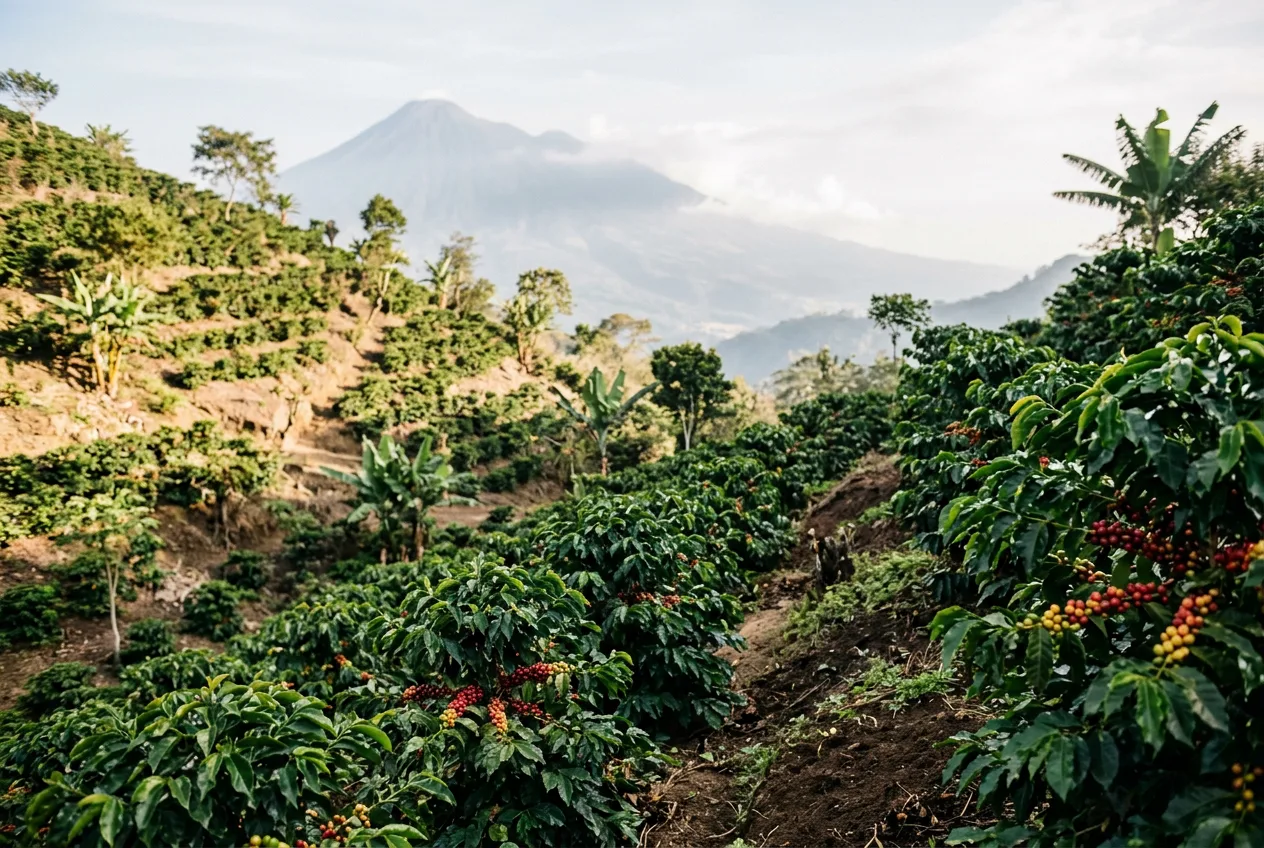
Caturra
Caturra is a natural mutation of Bourbon, first identified in Brazil in the early 20th century. The plants are much shorter than traditional coffee trees.
That compact size makes harvesting and farm management easier, and its productivity helped it spread widely. It's associated with good tolerance of wind and sun, though performance depends on local conditions.
In the cup: light to bright acidity, medium body, and notes of citrus, apple and caramel. It's very common in Guatemala, Costa Rica and Colombia, including at high altitudes.
Catuai
Catuai is a cross of Mundo Novo and Caturra, developed in Brazil in the 1940s. The plants are vigorous, compact and productive, so farmers can plant them closer together than taller varieties.
In the cup: balanced, with chocolate and nut flavors and a touch of fruit. It's well established in Honduras, El Salvador, Brazil and beyond.
Mundo Novo
Mundo Novo is a natural hybrid of Typica and Bourbon, identified in Brazil in the 1940s. The plants are tall and productive, with large leaves and cherries.
In the cup: full-bodied, relatively low in acidity, with chocolate and nut notes. Brazilian producers often use it in blends for body, sweetness and a smooth mouthfeel.
Pacamara
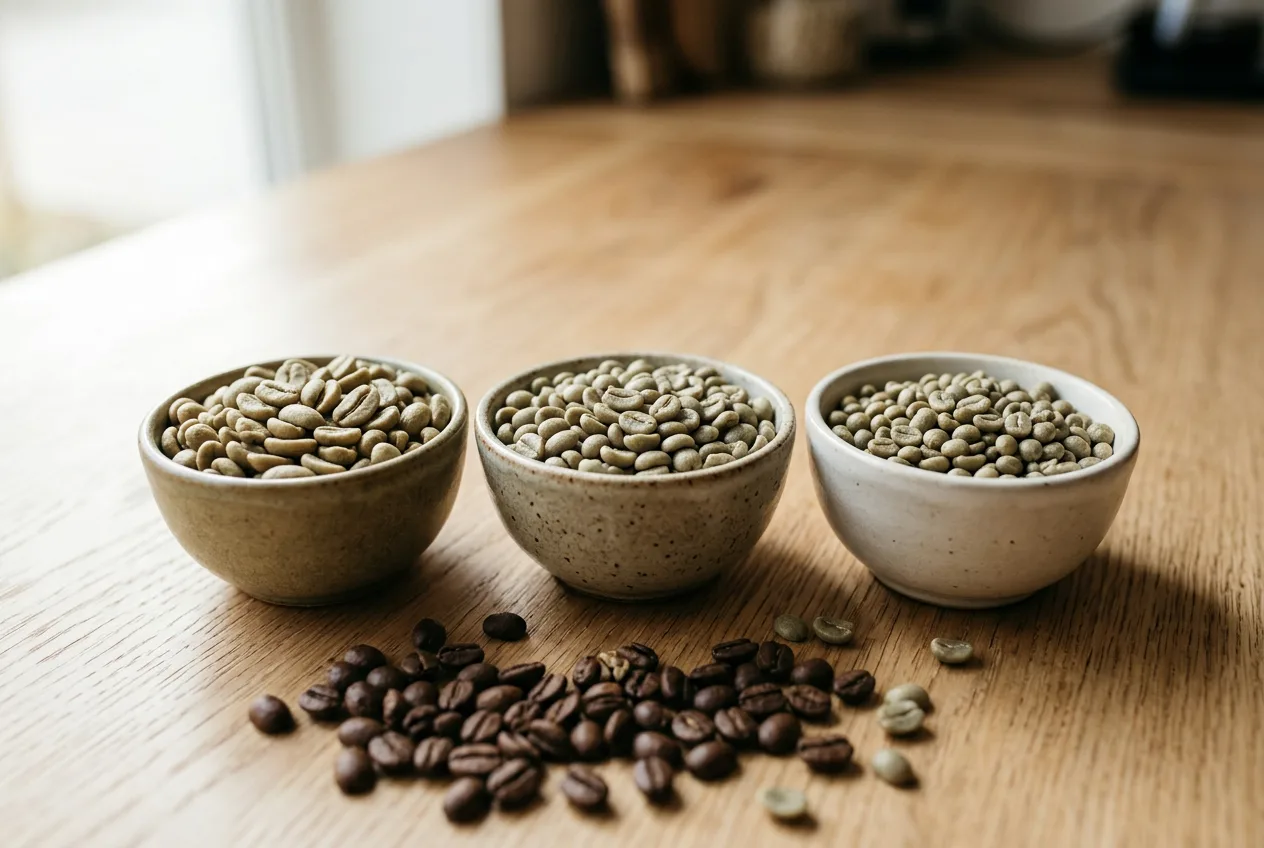
Pacamara was developed in El Salvador in the 1950s. It combines Pacas, a natural Bourbon mutation, with Maragogype, a large-bean Typica mutation.
The result is a plant with notably large, elongated beans. Pacamara can be wonderfully complex, combining fruit, chocolate and spice, often with a creamy or buttery texture.
Specialty drinkers love its character, but it needs careful growing and processing to reach its potential. A poorly handled Pacamara can taste oddly savory or herbal.
| Variety | Origin | Plant | Typical cup |
|---|---|---|---|
| Caturra | Bourbon mutation, Brazil | Short, productive | Bright, citrus, apple, caramel |
| Catuai | Mundo Novo × Caturra, Brazil | Compact, vigorous | Balanced, chocolate, nut |
| Mundo Novo | Typica × Bourbon, Brazil | Tall, productive | Full body, low acidity, chocolate |
| Pacamara | Pacas × Maragogype, El Salvador | Very large beans | Complex, fruit, chocolate, spice, creamy |
Varieties by country in the Americas
Growing conditions across the Americas range from high, volcanic slopes in Central America to Brazil's huge range of tropical and subtropical landscapes. These differences shape how each variety develops.
Colombia
Colombia grows Caturra, Typica and the rust-resistant Colombia cultivar, among others. Colombian coffees are often associated with bright acidity and fruit or caramel notes. High-altitude farms and a well-established coffee sector have built a reputation for consistency and quality.
Costa Rica
Costa Rica's Tarrazú region is known for Caturra and Catuai coffees with clean acidity and citrus or honey notes. A strong focus on quality and sustainable farming has helped Costa Rica's specialty reputation.
Brazil
Brazil grows huge volumes of Mundo Novo, Catuai and Bourbon. Lower altitudes and natural processing often give nutty, chocolatey, full-bodied coffees.
Origin gives useful clues about a coffee's likely character, but it doesn't guarantee a flavor. Farming, processing, harvest conditions and roasting all matter. My guide to coffee growing regions and flavor goes into more detail.
How Gesha went from forest to fame
Gesha's rise is one of the great stories in coffee. It shows how one variety can change an entire industry.
- 1930s: collected in EthiopiaBritish researchers collected coffee samples near the village of Gesha in southwestern Ethiopia.
- Studied in East AfricaSamples went to research stations, including in Kenya and Tanzania, where they were studied and propagated.
- 1960s: planted in PanamaPanamanian producer Pachi Serracín obtained Gesha seeds through a research station in Costa Rica and planted them at Hacienda La Esmeralda.
- Decades of obscurityFor years the plants got little attention. Farmers preferred varieties like Caturra and Catuai.
- 2004: the breakthroughThe Peterson family, owners of La Esmeralda, entered a Gesha lot in the Best of Panama competition. Its floral aroma and complex fruit stunned the judges. It won first place and drew exceptional auction prices.
- A global movementProducers in Panama and elsewhere rushed to plant Gesha. It became a symbol of premium specialty coffee.
Beyond the price tag
Gesha's influence goes beyond auction records. It encouraged professionals and drinkers to pay closer attention to aroma, cultivar, farm practices and how genetics interact with growing conditions.
But high prices also raise real questions about affordability, market concentration and whether farmers get a fair share of the value.
Arabica in Asia and the Pacific
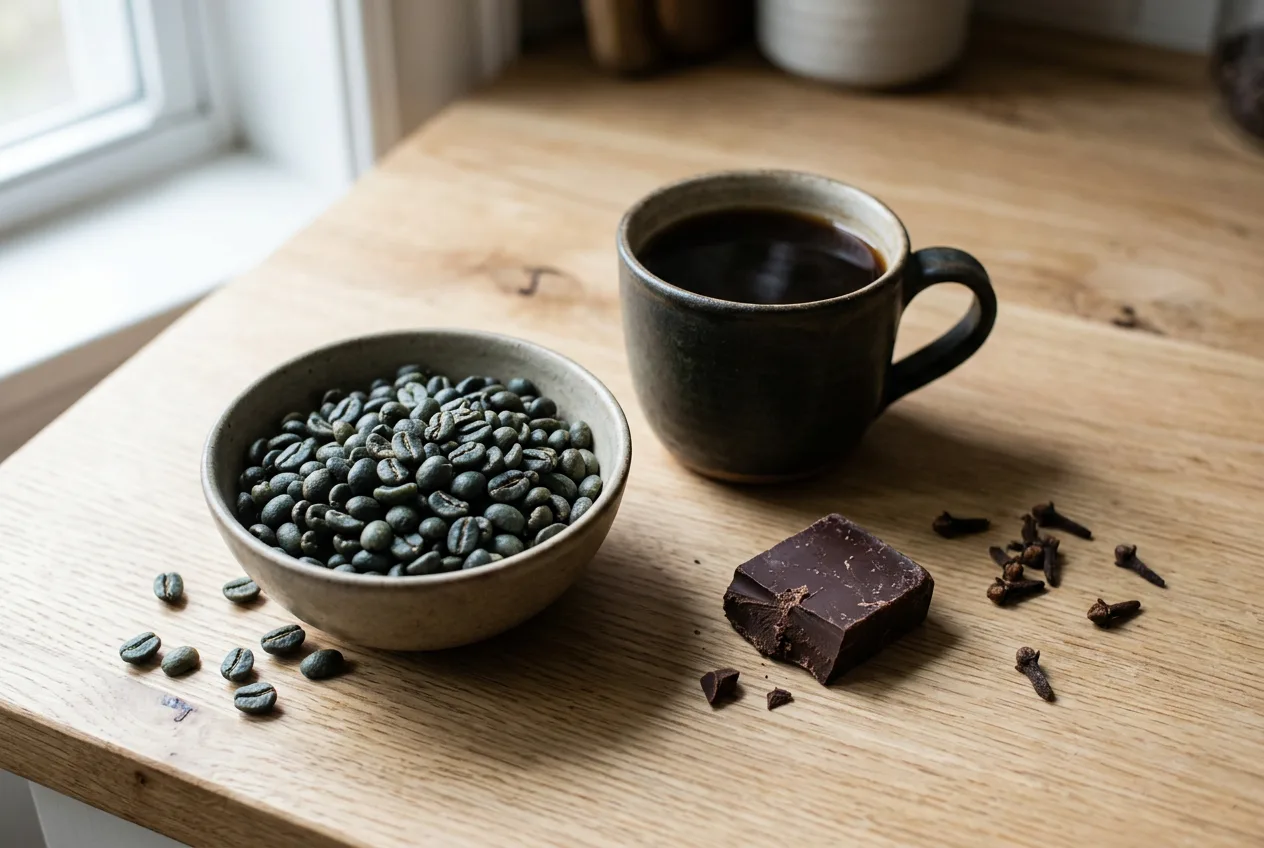
Catimor
Catimor is a hybrid involving Caturra and the Timor hybrid, developed in Portugal in the 1950s. Its biggest advantage is resistance to coffee leaf rust, and it adapts to a range of conditions.
That makes it valuable to farmers in countries like Vietnam, Indonesia and China. Catimor coffees are often full-bodied, low in acidity and nutty or spicy. It shows how breeding helps farmers manage disease and keep producing.
Jember
Jember comes from the Ijen Plateau in East Java, Indonesia. It's considered a natural hybrid of Typica and Ankola, a local variety associated with Sumatra.
Expect an earthy, spicy, complex cup with wood, tobacco and dark chocolate. Wet-hulling, a processing method used in parts of Indonesia, adds to that distinctive character.
Papua New Guinea
Rugged terrain, volcanic soils and a tropical climate support arabica in Papua New Guinea. Varieties include Arusha and Blue Mountain. Coffees can show complex fruit, spice and nut notes, often with a smooth, creamy mouthfeel.
China (Yunnan)
China is a fast-growing arabica producer, with Yunnan province at the center. Catimor and Typica are among the varieties grown. High-altitude farms there can produce floral, fruity and chocolatey coffees.
Australia
Arabica farming in Australia is young compared with traditional origins. Varieties include Bourbon and Catuai, and coffees can show bright acidity, medium body and fruit or caramel notes.
Rare and distinctive varieties
SL28
SL28 is a Kenyan variety selected in the 1930s, with Bourbon and Typica in its background. It's prized for exceptional cup quality and a very distinctive profile: blackcurrant, juicy tomato-like acidity and dark chocolate.
It has useful drought tolerance and some disease resistance, though its resilience varies by threat. Many specialty roasters consider top Kenyan SL28 lots among the most exciting coffees in the world.
SL34
SL34 was developed in Kenya alongside SL28. It's associated with high productivity and resistance to coffee berry disease. In the cup it can be bright, with citrus and berry notes. It's less famous than SL28 but can be excellent when grown and processed well.
Laurina
Laurina comes from Réunion, the same island that gave Bourbon its name. It's a naturally low-caffeine arabica, with roughly half the caffeine of typical arabica.
The plants have distinctive pointed leaves and elongated seeds. The coffee is often smooth and sweet, with nut and caramel notes.
For anyone who wants less caffeine without decaffeination, Laurina is a fascinating option. If you're curious how regular decaf is made, see my guide on how decaf coffee is made.
Ruiru 11
Ruiru 11 is a disease-resistant cultivar from Kenya, bred using genetic material that includes wild Ethiopian coffee. It was developed with both productivity and quality in mind, and can taste balanced with fruit and spice notes.
It's a good example of why preserving wild coffee genetics matters for solving real farming problems.
A few unusual varieties worth knowing
Cherry color doesn't change much on its own, but yellow and pink varieties often ripen differently, and farmers have to learn new cues for when to pick them.
Coffee varieties compared
| Variety | Where you'll find it | Main strength | Typical flavor |
|---|---|---|---|
| Typica | Worldwide, older farms | Elegant cup quality | Clean, sweet, balanced |
| Bourbon | Rwanda, Burundi, Central America, Brazil | Sweetness with better yield | Caramel, vanilla, red fruit |
| Ethiopian heirloom | Ethiopia | Diversity | Floral, citrus, berry, wine |
| Gesha | Panama, Ethiopia, Colombia and more | Aromatic intensity | Jasmine, bergamot, tropical fruit |
| Caturra | Colombia, Central America | Compact, productive | Bright, citrus, caramel |
| Catuai | Brazil, Honduras, El Salvador | Vigorous, dense planting | Chocolate, nut, balanced |
| Mundo Novo | Brazil | Productive, full body | Chocolate, nut, low acidity |
| Pacamara | El Salvador, Guatemala | Distinctive complexity | Fruit, chocolate, spice, creamy |
| Catimor | Asia, Latin America | Leaf rust resistance | Full body, nutty, spicy |
| SL28 | Kenya | Exceptional cup quality | Blackcurrant, juicy acidity |
| SL34 | Kenya | Productivity, disease resistance | Bright citrus and berry |
| Laurina | Réunion, small specialty lots | Naturally low caffeine | Smooth, nutty, caramel |
Typical tendencies only. The same variety can taste quite different depending on where and how it's grown and processed.
My variety tasting: same country, four plants
To see how much variety alone matters, I cupped four washed coffees from the same region of Colombia, all from neighboring farms at similar altitudes and roasted to a similar light-medium level.
| Variety | What I noticed | Body | Favorite? |
|---|---|---|---|
| Caturra | Bright, green apple, caramel, very clean | Medium | Great everyday coffee |
| Castillo | Rounder, chocolate, softer acidity | Medium-full | Best with milk |
| Pink Bourbon | Floral, peach, red berries, very sweet | Light-medium | My favorite black |
| Gesha | Jasmine, bergamot, lime, tea-like | Light | Most unusual |
Same country, same processing, similar farms. Four clearly different coffees. That's the power of variety. If I had tasted any one of them alone, I would simply have called it "good Colombian coffee." Side by side, each had its own personality.
It also showed me something else: "best" depends on how you drink coffee. The rust-resistant Castillo, which some specialty drinkers dismiss, made the nicest latte of the four.
Our tip: Ask a specialty roaster whether they have two coffees from the same origin with different varieties. Many do, and it's the cleanest variety comparison you can make at home.
Disease resistance: why newer varieties exist
If Typica and Bourbon taste so good, why did farmers ever plant anything else? In large part, because of disease.
Coffee leaf rust, a fungus that attacks the leaves, has repeatedly devastated arabica farms. Classic varieties like Typica, Bourbon and Caturra are highly susceptible to it.
In the 20th century, breeders turned to the Timor hybrid, a natural cross between arabica and robusta found on the island of Timor, which carried resistance genes. Crossing it with arabica varieties produced rust-resistant families such as Catimor and Sarchimor, and national cultivars like Colombia and Castillo.
| Group | Examples | Rust resistance | Reputation in the cup |
|---|---|---|---|
| Classic arabica | Typica, Bourbon, Caturra | Low | High potential |
| Timor hybrid descendants | Catimor, Sarchimor, Castillo | Higher | Variable, improving with selection |
| Ethiopian-based selections | Ruiru 11 and others | Varies | Often good |
| F1 hybrids | Newer vigorous crosses | Often good | Promising |
Early resistant varieties sometimes had a reputation for lower cup quality. Careful selection has narrowed that gap a lot, and many resistant coffees now score very well. I cover rust itself in detail in my guide to coffee leaf rust and coffee diseases.
Why variety matters (and why it isn't everything)
Variety influences a coffee tree's flavor potential, aroma, shape, productivity and how it handles disease.
The farmer's trade-off
For a farmer, choosing a variety is a business decision as much as a flavor one. A variety that loses half its crop to disease isn't a good choice, however delicious it is.
No variety guarantees a taste
The same variety can taste very different depending on altitude, temperature, rainfall, soil, shade, farm management, cherry ripeness, processing and roasting.
And tasting notes like jasmine, citrus, blueberry or chocolate describe impressions. They don't mean those ingredients were added.
Understanding varieties simply helps you compare coffees, and explains why two coffees from the same country can taste so different.
How to use variety when buying coffee
Many specialty bags list the variety. Here's how I use that line when choosing beans.
- Start with what you likeSweet and balanced? Look for Bourbon, Typica or Caturra. Floral and delicate? Look for Ethiopian heirloom or Gesha. Bold and juicy? Try Kenyan SL28.
- Combine variety with originA Bourbon from Rwanda and a Bourbon from Brazil will taste different. Use both clues together.
- Check the processWashed coffees show variety character more clearly. Naturals add fruit and body of their own. My processing methods guide explains more.
- Try a variety flightBuy two coffees from the same country but different varieties and taste them side by side. It's the fastest way to learn.
- Don't chase names aloneA well-grown Catuai can beat a poorly handled Gesha. Freshness, roast and the roaster's skill still matter most.
Our tip: Cupping two single-variety coffees side by side is the clearest way to taste the difference. My guide to coffee cupping at home shows you how.
What about robusta varieties?
This guide focuses on arabica, because that's what most specialty bags list. But robusta (Coffea canephora) has varieties too, and far more genetic diversity than arabica.
Robusta is grown mainly in Vietnam, Brazil, Uganda, India and Indonesia. Its varieties are usually grouped into broad genetic families rather than famous named cultivars, and farmers often grow selected clones chosen for yield and disease resistance.
Specialty "fine robusta" is a growing niche. Carefully grown and processed robusta can taste of dark chocolate, nuts and spice with a heavy body, and it's increasingly used in espresso blends for crema and punch.
Because robusta handles heat better than arabica, its varieties are also becoming more important as the climate changes. My guide to arabica vs robusta covers the species differences in detail.
Questions to ask your roaster about variety
Good roasters love talking about the coffees they buy. If a bag doesn't list the variety, or you want to know more, these questions usually start a great conversation:
- What variety is this, and is it a single variety or a mix?Many farms grow several varieties together, and some lots blend them.
- Why did the farmer choose it?The answer often tells you about the farm's altitude, disease pressure and goals.
- What does this variety usually taste like where it was grown?It helps you set expectations before you brew.
- Do you have another coffee from the same origin with a different variety?The perfect setup for a side-by-side tasting.
- How was it processed?Processing can change the cup as much as variety does.
Over a few months of asking, you'll build a personal map of which varieties you enjoy most, and you'll find great coffee much more reliably.
Our tip: Keep a short list in your phone of every variety you've tried and a one-line verdict. After ten coffees you'll see clear patterns in what you like.
A starter flight: five varieties to try first
If you want to explore varieties without getting overwhelmed, here's the order I'd suggest. Each one teaches you something different.
| Order | Variety and origin | What it teaches you |
|---|---|---|
| 1 | Washed Bourbon from Rwanda or Burundi | What classic arabica sweetness tastes like |
| 2 | Caturra or Castillo from Colombia | The bright, clean "everyday specialty" profile |
| 3 | Ethiopian heirloom from Yirgacheffe | How floral and tea-like coffee can be |
| 4 | SL28 or SL34 from Kenya | Juicy, intense acidity and dark fruit |
| 5 | Gesha from Panama or Colombia | The aromatic peak, and whether it's worth the price to you |
Brew them all the same way, ideally as a pour-over, and keep a note for each. By the end, you'll know more about coffee varieties than most casual drinkers ever will, and you'll know which ones to look for next time.
Genetic diversity and the future of coffee
Coffee faces growing pressure from climate change, disease, pests and economic uncertainty. Rising temperatures and shifting rain can make established regions less suitable, and coffee leaf rust and coffee berry disease can wipe out harvests.
Genetic diversity gives breeders a bigger pool of traits to work with. Ethiopia's wild and traditional coffees are especially important, because they preserve variation that's missing from the few varieties planted commercially elsewhere.
The traits that will matter most:
- Drought and heat tolerance
- Resistance to leaf rust and other diseases
- Adaptability to new conditions
- Productivity
- Cup quality
Protecting these genetic resources means protecting healthy coffee landscapes and the communities who care for them. And breeding should balance farm performance with quality and farmers' needs, not just yield.
Sustainability and fairness
The quality and diversity of arabica depend on the people who grow, harvest, process, trade, roast and brew it.
Farmers often face high costs, unstable prices, limited access to credit and weak bargaining power. And premium prices for rare coffees don't automatically mean fair returns for the people who grew them.
Sustainable farming protects soil, water, biodiversity and long-term productivity. Fair and transparent supply chains build better relationships between producers and buyers.
As a drinker, you can help by learning about origins, asking where your coffee comes from, and supporting businesses that value responsible production and fair pay. My guide to fair trade coffee covers one part of that picture.
Key takeaways
- Arabica is diverse. It's a species made up of many varieties, not one flavor.
- Typica and Bourbon are the foundations behind many modern varieties.
- Ethiopia holds extraordinary diversity, from Yirgacheffe and Kurume to Harrar, Guji, Sidamo and Limu.
- Caturra, Catuai, Mundo Novo and Pacamara show how mutation and breeding shaped Latin American coffee.
- Gesha started in Ethiopia and became world-famous in Panama for its floral, fruity cup.
- Asia and the Pacific contribute Catimor, Jember, Arusha and Blue Mountain coffees.
- SL28, SL34 and Laurina show the range of flavor and farming traits within arabica.
- Variety is only part of quality. Place, farming, processing, roasting and brewing all count.
- Genetic diversity and fair, sustainable farming are essential to coffee's future.
Next time you pick up a bag, look for the variety line. It's a small detail that tells you a lot about the farm, the plant and what might be waiting in your cup.
Frequently asked questions
What is a coffee variety?
A coffee variety is a distinct type of coffee plant within a species, with its own traits such as plant shape, yield, disease resistance and flavor potential. Typica, Bourbon and Gesha are arabica varieties.
What are the two main coffee varieties?
Typica and Bourbon are the two historic foundation varieties of arabica. Many modern varieties, including Caturra, Catuai and Mundo Novo, descend from them.
What is the best coffee variety?
There is no single best variety. Gesha is famous for floral complexity, Bourbon for sweetness and Kenyan SL28 for juicy, blackcurrant-like acidity. The best one is the one that suits your taste, grown and processed well.
Why is Gesha coffee so expensive?
Gesha is rare, hard to grow well and has an exceptionally aromatic, floral and fruity cup. Top lots from Panama have sold for more than $1,000 per pound at auction.
What does Ethiopian heirloom mean?
It usually refers to traditional local coffee populations in Ethiopia, often a mix of many genetically different plants rather than one uniform variety.
Does coffee variety affect caffeine?
Most arabica varieties have similar caffeine levels. Laurina is a notable exception, with roughly half the caffeine of typical arabica.
Is Catimor good coffee?
Catimor was bred for leaf rust resistance and productivity. It can be full-bodied and nutty, and well-grown lots can be very good, but it is usually valued more for resilience than for complexity.
Where can I find the variety of my coffee?
Many specialty roasters list the variety on the bag or product page, alongside origin, farm and processing method. Commercial coffee usually does not.

- Michael Reynolds, single-variety tasting notes and origin research
- World Coffee Research: Arabica coffee varieties catalog
Related guides
Geisha (Gesha) coffee explained Arabica vs robusta Coffee growing regions and flavorWritten by Michael Reynolds. Last updated November 19, 2026.