The World Barista Championship Explained: Rules, Judging, Signature Drinks and What It Takes to Win
The World Barista Championship is coffee's biggest stage: national champions, a running clock, a panel of judges and every move scored. I've followed the competition for years and talked with competitors and judges. Here's how the WBC works, how it's judged, what goes into a signature drink and what separates the winners from the rest.
We choose products independently. We may earn a commission through links on this page; your price stays the same. Affiliate policy
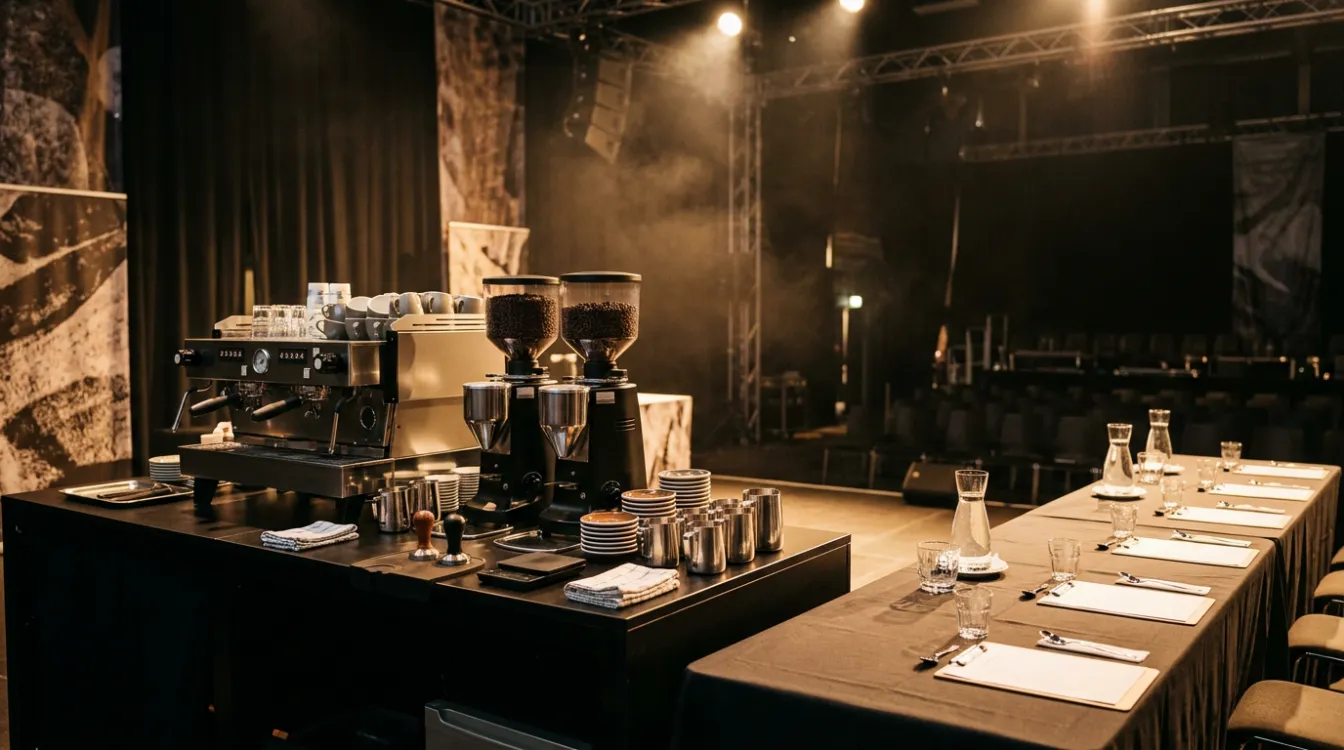
The World Barista Championship is an annual competition run by World Coffee Events, where national barista champions perform a timed routine, traditionally around 15 minutes, serving espresso, milk beverage and signature beverage courses to a panel of judges. Sensory judges score taste and accuracy; technical judges score cleanliness and technique. Winners combine exceptional, carefully chosen coffee with precise technique, accurate flavor descriptors, clear communication and genuine hospitality. Many practice their routines hundreds of times, including rehearsing mistakes, and the competition shapes coffee trends, techniques and standards worldwide.
Coffee's biggest stage
Imagine making coffee for a panel of judges under bright lights, with a timer running, a crowd watching and a live stream broadcasting every move. Every gram, every word and every wipe of the counter is scored. That's the World Barista Championship.
The WBC is the most prestigious barista competition in the world. National champions from dozens of countries compete each year for the title, and the routines they perform often shape trends in specialty coffee for years afterward.
I've watched the competition for years, followed national rounds and talked with competitors and judges. In this guide I'll explain how the WBC works, how it's judged, what separates the winners from the rest, and what home brewers can learn from it.
The WBC at a glance
| Feature | Details |
|---|---|
| Organizer | World Coffee Events (WCE) |
| Who competes | National barista champions from member countries |
| Rounds | Preliminary, semifinal and final |
| Performance length | A timed routine, traditionally around 15 minutes |
| Drinks | Espresso, milk beverage and signature beverage courses |
| Judges | Sensory judges, technical judges and a head judge |
| Scored on | Taste, technique, cleanliness, presentation and hospitality |
Rules are updated regularly, so the exact format, number of drinks and scoring details can change from year to year. Competitors study the current rulebook closely each season.
A short history of the WBC
The World Barista Championship began in 2000 in Monte Carlo, with a small group of competitors. Nordic baristas dominated many early years, and countries such as Denmark and Norway built a reputation for excellence.
Over time, the competition grew dramatically, attracting national champions from every coffee-drinking region. Champions from the United Kingdom, Australia, the United States, Japan, Korea, Taiwan, El Salvador, Greece and many other countries have taken the title.
The competition has also mirrored changes in coffee itself. In the early years, many competitors used espresso blends. A notable shift came around 2007, when single-origin coffees and carefully chosen lots began to take over the stage. Today most top competitors use rare, traceable single-origin coffees, often from specific farms, varieties and processing experiments. My guides to Geisha coffee and anaerobic coffee processing explain some of the coffees that have dominated recent years.
How a WBC routine works
Each competitor has a set preparation time to arrange their station, followed by a timed performance. During the performance they prepare several courses of drinks for a panel of sensory judges while technical judges watch their workflow.
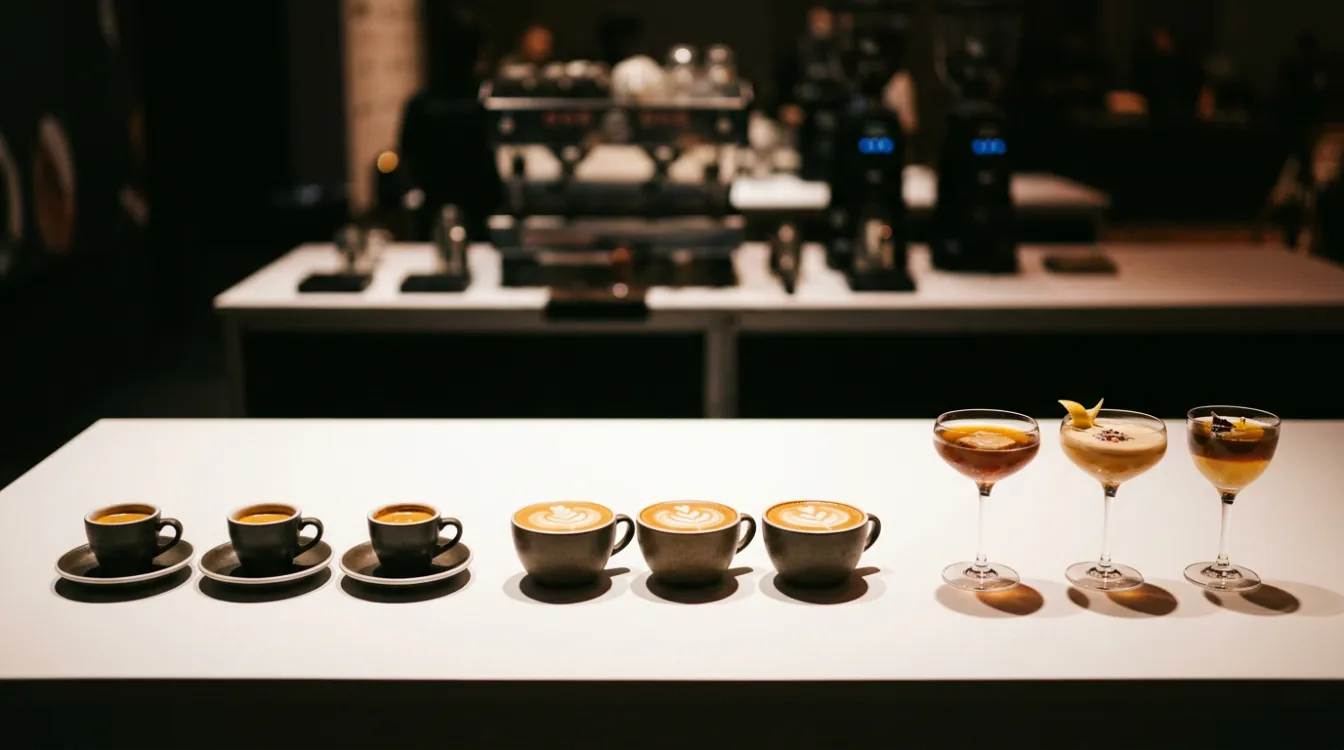
The courses
- Espresso: served straight, it shows the coffee and the barista's extraction skill.
- Milk beverage: espresso combined with milk, judged on how well the coffee and milk work together.
- Signature beverage: a creative drink built around espresso, using other ingredients to highlight the coffee's flavors.
Talking while working
Competitors don't just make drinks. They explain them. Throughout the routine, the barista tells the judges about the coffee, its origin, processing, what flavors to expect and how to taste each drink. This presentation is a huge part of the score.
The clock
Running over time leads to penalties. Competitors practice their routines dozens or hundreds of times to fit everything into the allotted time while staying calm, clean and consistent.
How the WBC is judged
Judging is detailed and structured. Each element of the routine is scored according to the official rules and scoresheets.
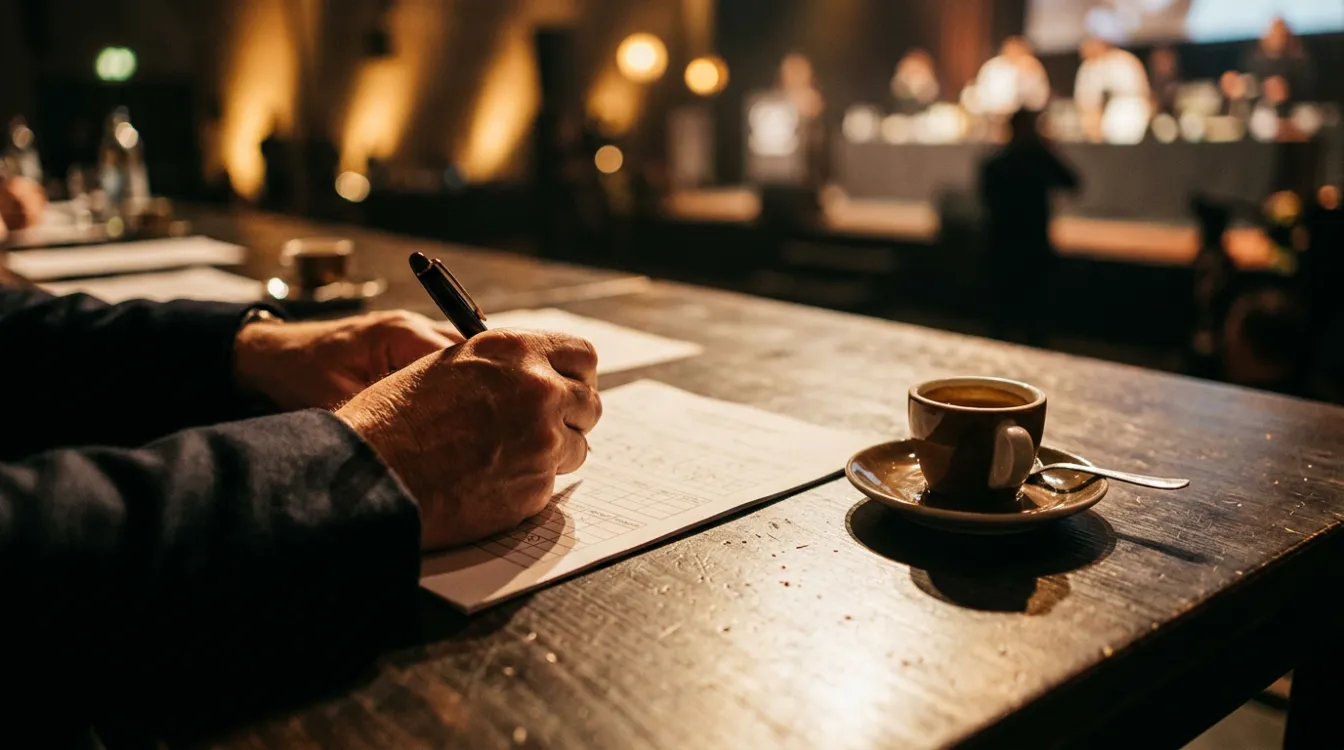
Sensory judges
Sensory judges taste the drinks and score them on criteria such as:
- Taste balance: how sweetness, acidity and bitterness work together.
- Flavor accuracy: whether the drink tastes like the barista described.
- Tactile qualities: body and mouthfeel.
- Overall impression: the experience of each drink and the routine as a whole.
Technical judges
Technical judges stand near the barista and watch their technique and workflow. They score things like:
- Cleanliness of the station, portafilter, group head and cloths.
- Consistent dosing and tamping.
- Wasted coffee or milk.
- Workflow and organization.
- Use of equipment.
Head judge
A head judge oversees the panel, ensures rules are followed and provides an overall assessment. Scores are combined to produce the final result.
Calibration
Judges go through extensive calibration so they score consistently. They taste reference coffees together and discuss scoring until their judgments align. This is meant to keep the competition fair across countries and years.
Communication: the hidden skill
Many people assume the best coffee wins. Often it's the best coffee combined with the best communication.
Judges need to understand what they're tasting and why. A barista who clearly explains the coffee, gives precise flavor descriptors and guides the judges through each sip helps them experience the drinks as intended.
Accurate descriptors
If a barista says a drink tastes of "blackcurrant, dark chocolate and molasses," the judges will look for those flavors. If they can't find them, scores drop. Top competitors choose descriptors carefully, using a few precise, verifiable flavors rather than a long, vague list.
Guiding the tasting
Competitors often tell judges how to taste: stir first, sip from the front, let it cool for a moment, taste the crema, or compare the first and last sip. This focuses attention on what makes each drink special.
Connecting with judges
Good competitors make eye contact, smile and speak naturally. They treat the judges like guests in a café, not like examiners. Empathy and hospitality are part of the performance.
What a routine looks like, minute by minute
Every routine is different, but many follow a similar structure. Here's an example of how a competitor might plan their time on stage.
| Stage of the routine | What happens |
|---|---|
| Preparation time | Arrange the station, check equipment, warm cups, dial in a first shot |
| Opening moments | Greet the judges, introduce the coffee and its story |
| First course | Dose, tamp and pull shots while describing flavors and how to taste |
| Second course | Steam milk, pour, serve and explain the balance of coffee and milk |
| Signature course | Build the signature drink, explain each ingredient and the tasting order |
| Closing moments | Summarize the coffee's story, thank the judges, finish cleaning |
Many competitors change the order of the courses to fit their story. Some serve the signature beverage first; others save it for last as the climax. What matters is that each part fits the time and the narrative.
Preparation time
Before the routine begins, competitors get a short preparation period at the stage station. They set out their tools, glassware and ingredients exactly as rehearsed, warm their cups, run water through the group heads, check the grinder and often pull a test shot.
Preparation can make or break a routine. A forgotten spoon or an untested grinder setting can cost precious seconds later. Many competitors use a written checklist and follow it step by step.
What gets scored: a simplified scoresheet
Official scoresheets are detailed and change with the rules, but the main categories usually look something like this.
| Category | Examples of what judges assess |
|---|---|
| Espresso taste | Balance, flavor accuracy, tactile qualities |
| Milk beverage taste | Balance of coffee and milk, sweetness, texture |
| Signature beverage | Creativity, flavor accuracy, how well it highlights the coffee |
| Presentation | Clarity of explanation, descriptors, hospitality |
| Technical skills | Dosing, tamping, extraction consistency, milk handling |
| Cleanliness | Station, portafilters, steam wand, cloths |
| Waste | Coffee, milk and other ingredients |
| Time | Finishing within the allotted time |
| Overall impression | The judges' view of the whole experience |
Because taste scores usually carry the most weight, coffee selection and extraction are critical. But a messy station or poor communication can cost enough points to change the result.
Handling nerves on stage
Many competitors say the hardest part of the WBC isn't making coffee. It's staying calm under pressure.
Bright lights, a crowd, cameras and a running clock can make even experienced baristas' hands shake. Pouring latte art or tamping evenly is much harder with adrenaline in your system.
Competitors use several strategies:
- Repetition: practicing so often that the routine becomes automatic.
- Simulation: practicing in front of audiences, friends and coworkers, sometimes with music and lights.
- Breathing: slow breaths during preparation and between courses.
- Focusing on the judges: treating them as café guests rather than examiners helps many competitors relax.
- Having a recovery plan: knowing what to do if something goes wrong reduces anxiety.
"Once I started serving the first drink, I forgot the crowd," one competitor told me. "It was just me, the coffee and four people I wanted to make happy."
How competitors prepare, step by step
- Study the rulesRead the current rulebook and scoresheets carefully, since details change.
- Find the coffeeTaste many coffees, often working with roasters and importers, to choose the competition lot.
- Build the conceptDecide what story to tell and how the courses will connect.
- Develop the drinksTest recipes for each course, especially the signature beverage.
- Write the scriptPlan what to say, then shorten and refine it.
- RehearseRun the full routine repeatedly with a timer, including deliberate mistakes.
- Get feedbackAsk judges, coaches and experienced competitors to watch and score practice runs.
- Fine-tuneAdjust recipes, words and workflow until everything fits.
- Prepare logisticsPack spares, backup ingredients, glassware and coffee for travel.
Many competitors work with a coach and a small support team who help with logistics, feedback and practice sessions.
What national competitions look like
National barista championships follow rules closely based on the world format, so they work as a training ground for the WBC. Some countries hold regional qualifiers first, while smaller coffee communities may run a single national event.
National events are often more relaxed and community-focused. Baristas from local cafés compete alongside experienced professionals, crowds are made up of friends and colleagues, and judges often give detailed feedback afterward. For many baristas, competing at nationals is the best learning experience of their careers, whether or not they win.
Choosing the coffee: strategy matters
The coffee a competitor chooses is one of the most important decisions they make. Many spend months tasting, sourcing and testing coffees before settling on their competition lot.
What competitors look for
- Clarity and distinct flavors that judges can easily identify.
- Sweetness and balance in espresso.
- Performance in milk, since the same coffee often has to work in more than one course.
- Consistency, so every shot tastes the same during the routine.
- A story that connects the coffee to the farm, producer, variety or processing.
Blends vs single origins
Early WBC routines often used blends designed to taste balanced in both espresso and milk. Over time, single-origin and single-farm coffees took over, often rare varieties or experimental processing methods with intense, unusual flavors.
Some competitors now use different coffees for different courses: one coffee for espresso, another for the milk drink, and perhaps a third in the signature beverage. Others use one coffee throughout to tell a single, coherent story.
Resting and roasting
Competitors work closely with roasters to profile their coffee for competition. They test roast curves, rest times after roasting and recipes to find the moment when the coffee tastes best. My guide to coffee varieties explains how variety shapes flavor.
The milk course
The milk beverage course challenges competitors to combine espresso and milk so both shine. Judges look for balance: the coffee shouldn't disappear under the milk, and the milk should add sweetness and texture.
Competitors experiment with:
- Milk choice: different dairies, fat contents and freshness.
- Milk treatments: some competitors use techniques such as concentrating milk or adjusting its sugars, within the rules, to change sweetness and texture.
- Ratios: how much milk to espresso.
- Temperature: cooler milk often tastes sweeter and lets coffee flavors come through.
- Texture: fine microfoam with a glossy surface.
Latte art also appears in the milk course, and a symmetrical, contrasting pattern is often part of the presentation. My guide to the science of steamed milk explains what happens to milk proteins and sugars during steaming.
The signature beverage
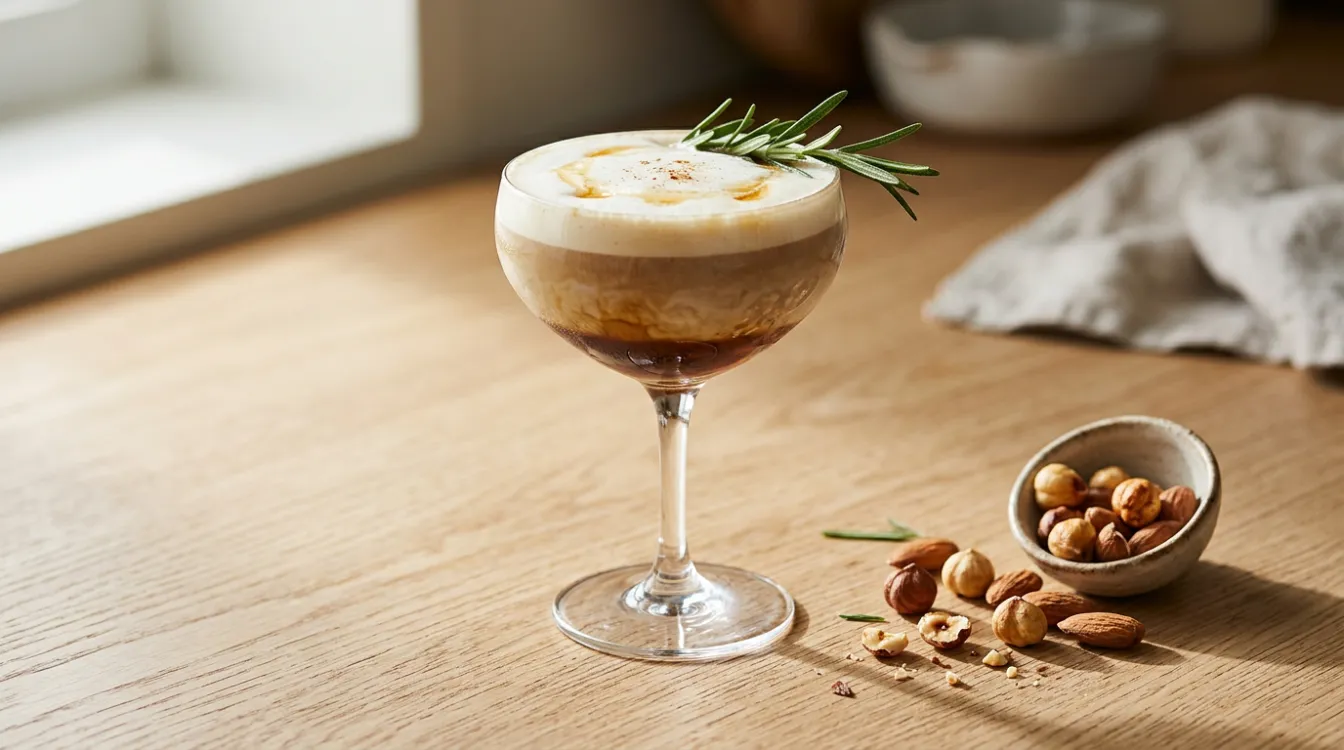
The signature beverage is where competitors get creative. It's a drink built around espresso, using other ingredients to highlight, contrast or amplify the coffee's flavors.
What goes into a signature drink
Over the years I've seen signature beverages using ingredients such as:
- Nuts: almond and hazelnut, often as infused milks or syrups.
- Herbs: rosemary, thyme and mint.
- Fruit: juices, reductions and cordials that echo the coffee's fruit notes.
- Gelatin and textures: to add body or create layers.
- Syrups and reductions: to concentrate sweetness or specific flavors.
- Infused creams: some competitors have even used aromatic infusions such as tobacco-infused cream for smoky, complex aromas.
The golden rule: highlight the coffee
The best signature drinks don't hide the espresso. Judges want to taste the coffee, with each added ingredient explaining or amplifying something already present. A drink that tastes great but doesn't connect to the coffee usually scores lower.
The order of tasting
Competitors often tell judges exactly how to drink the signature beverage: smell the garnish first, then sip, perhaps take a second sip after the drink has cooled or after stirring. The tasting order is part of the design.
Linking the drinks into one story
The best routines feel like one story rather than three separate drinks. Competitors connect the courses through their coffee, theme or a shared idea.
For example, a competitor might explain that their coffee's processing creates certain fruit flavors, show them clearly in the espresso, balance them with milk in the second course, and amplify them with a fruit reduction in the signature drink.
These links help judges understand the coffee more deeply and make the routine memorable.
Water matters too
Many competitors also adjust their water. Because espresso is mostly water, its mineral content strongly affects extraction and taste. Some competitors bring their own water recipes, carefully mixing minerals to bring out sweetness and clarity in their coffee. Organizers provide treated water at events, but understanding how water interacts with the competition coffee is part of serious preparation, and it's a lesson home brewers can use too.
Cleanliness and technique
Technical judges watch everything. Small habits add up to big differences in the score.
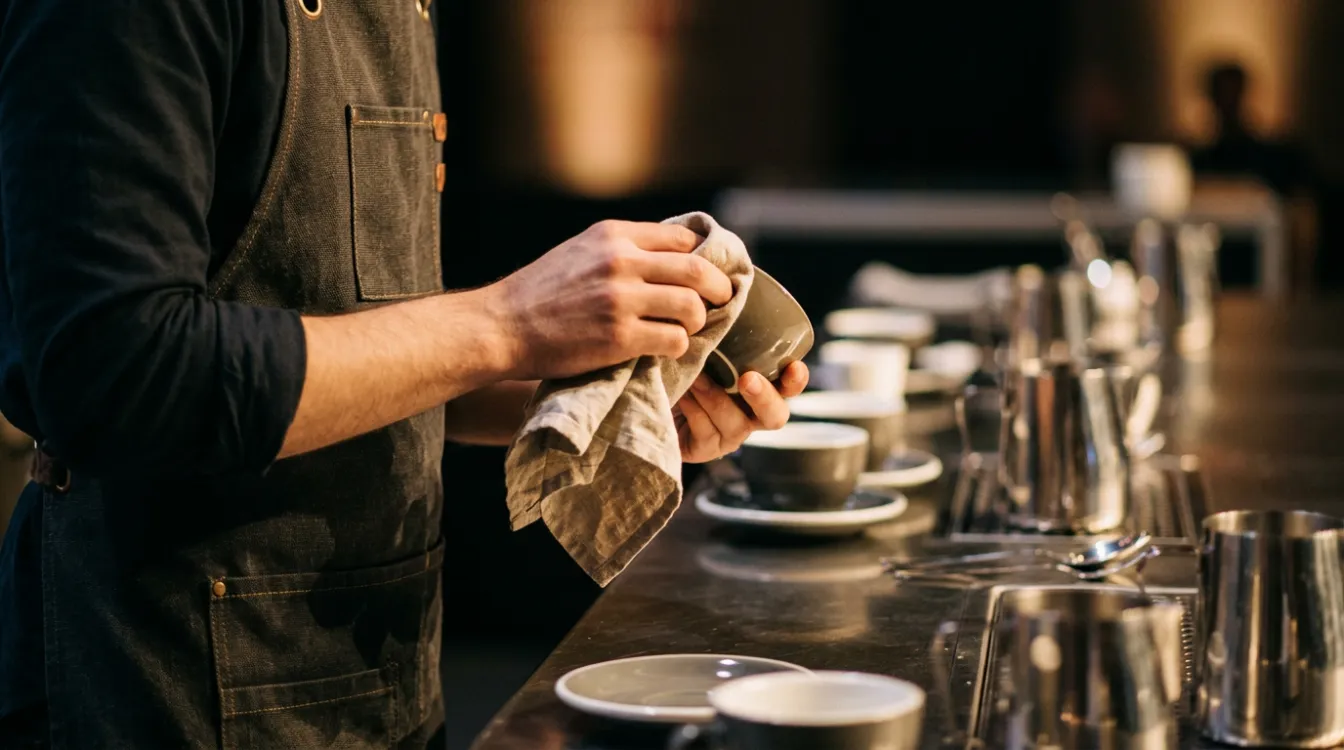
- Clean cloths for different jobs: one for the steam wand, one for the portafilter, one for the counter.
- Wiping the portafilter dry before dosing.
- Purging the group head before locking in the portafilter.
- Purging and wiping the steam wand after every use.
- Minimal waste: no spilled grounds, no wasted milk, no unnecessary shots.
- An organized station where everything has a place.
- Polished cups and glassware, free of fingerprints.
Competitors practice these habits until they become automatic. Under the pressure of the clock and the crowd, there's no time to think about them.
Managing caffeine during practice
An overlooked challenge for competitors is caffeine. Practicing a routine means tasting espresso, milk drinks and signature drinks over and over, sometimes for weeks.
Competitors manage this by:
- Spitting rather than swallowing during tasting sessions.
- Tasting small sips instead of full drinks.
- Using decaf for some workflow practice, when taste isn't the focus.
- Scheduling tasting earlier in the day so it doesn't disrupt sleep.
- Practicing with water to rehearse movements without making real drinks.
Sleep, food and hydration matter too. A jittery, tired barista is more likely to make mistakes on stage.
Practice, practice, and practice mistakes
Top competitors often run through their routines hundreds of times. But they don't just practice the perfect version. They also practice what happens when something goes wrong.
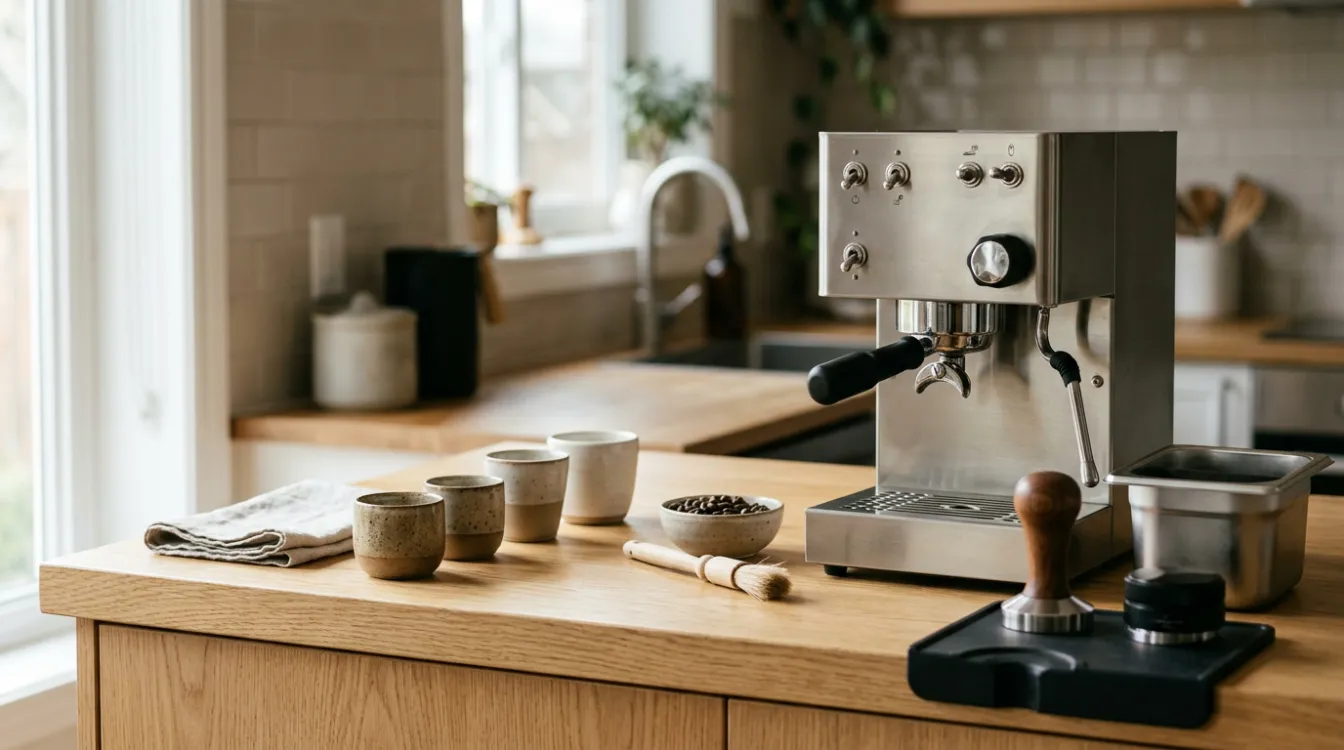
What if a shot runs too fast? What if milk splashes? What if a cup breaks, a grinder jams or the music cuts out? Competitors rehearse these situations so they can recover calmly without losing time.
"The routine you practice is never the routine you perform," one competitor told me. "Something always changes. You have to be ready."
Rehearsing the words
Competitors also rehearse what they'll say, often writing a full script and then practicing until it sounds natural. They time every section and know exactly which drink they should be making at each minute.
Equipment problems and spare parts
On stage, competitors use equipment provided by official sponsors, which may be different from what they use every day. They often practice on the same models in the months before competition.
Equipment can fail. Grinders can drift, machines can have temperature fluctuations, and small parts can break. Experienced competitors bring spares and backups.
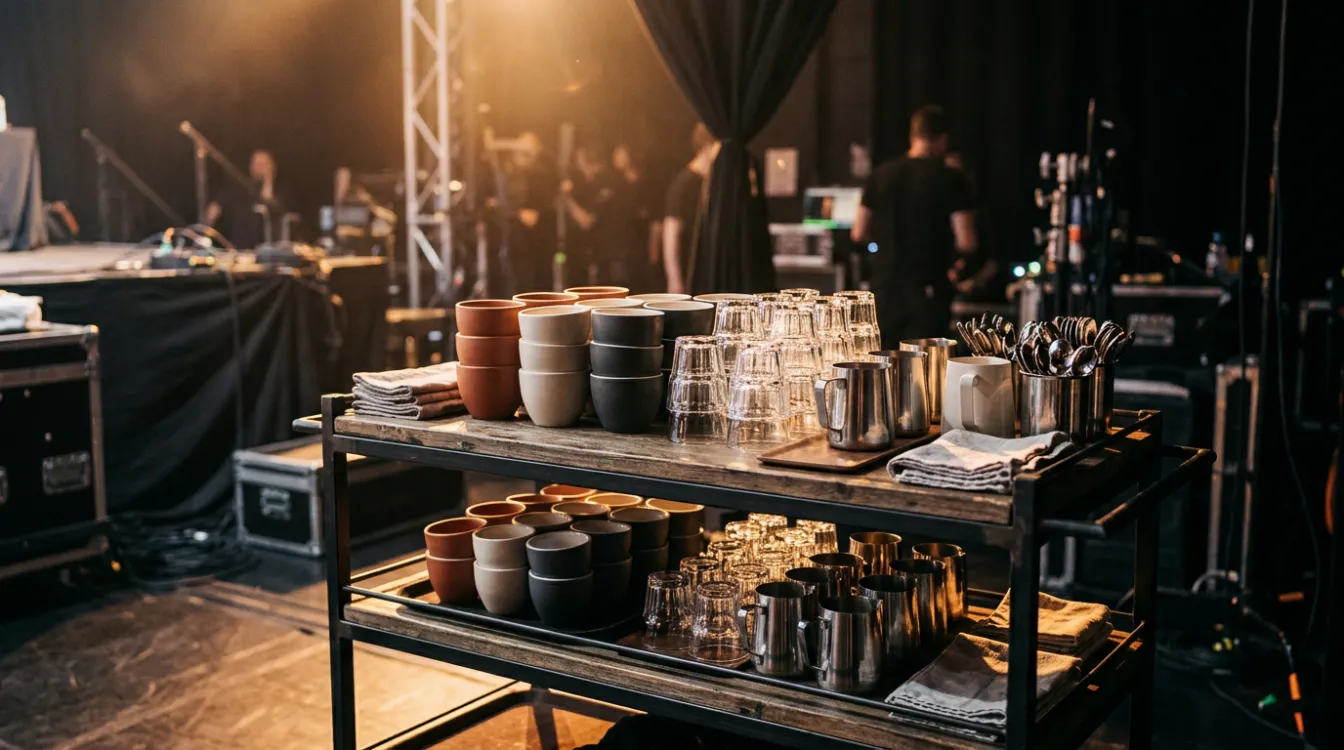
- Spare portafilter baskets and tampers.
- Extra milk pitchers.
- Backup glassware and cups.
- Extra cloths and cleaning tools.
- Backup ingredients for the signature drink.
- Spare coffee, rested and ready.
If a technical problem is caused by equipment rather than the barista, the rules may allow a pause or a restart. Knowing the rulebook can save a routine.
Music, style and presentation
Competitors choose their own music, which plays during the routine. Music helps set the mood and can help the barista keep a steady rhythm.
Presentation matters too: the cups and glassware, the table setting, the clothing and the overall design of the station. Some competitors create elegant, minimalist setups; others build a theme around their coffee's origin or story.
All of this should support the coffee, not distract from it. The judges are there to taste, and the visuals and music frame the experience.
Empathy: treating judges like guests
A theme I hear again and again from judges and competitors is empathy. The best competitors think about the judges' experience at every moment.
- Are the drinks served at the right temperature?
- Is it clear how to taste them?
- Are the cups easy to hold?
- Is the explanation easy to follow, without too much jargon?
- Does the routine feel welcoming and relaxed?
Hospitality is part of what makes great café coffee, and the WBC rewards it. A competitor who makes the judges feel cared for tends to score better, even with similar coffee and technique.
From national champion to world stage
The road to the WBC begins with national competitions organized in each member country. Baristas compete in national rounds, often after regional heats, and the winner earns the right to represent their country at the world championship.
At the WBC itself, competitors perform in a preliminary round. The highest scorers advance to a semifinal, and the top competitors from the semifinal advance to the final. Each round means repeating the routine at the highest level, often with small improvements in between.
Many champions compete several times before winning, refining their routines year after year.
A competitor's year, from idea to final
For many competitors, the WBC isn't a single event but a year-long project.
- Months before nationals: sourcing coffee, building a concept and testing first recipes.
- National season: regional heats and the national final, often with a routine that's still evolving.
- After winning nationals: reworking the routine, sometimes switching coffees as new harvests arrive, and practicing on the official sponsor equipment.
- The final weeks: daily run-throughs, feedback sessions, travel planning and packing.
- Competition week: arriving early, adjusting to local water and milk, practicing in official practice rooms and managing jet lag.
- Afterwards: many competitors share their routines, recipes and lessons, helping the next generation.
Local conditions matter more than people expect. Milk, water and even air humidity differ from country to country, so competitors often spend their first days at the host city adjusting recipes. A milk drink that tasted perfect at home can taste quite different with local milk.
That's one reason experienced competitors build flexibility into their routines. They know which variables they can adjust quickly and which elements must stay fixed.
What judges told me they look for
I asked several people who have judged barista competitions what makes a routine stand out. Their answers were consistent.
- Accuracy: "When a barista says I'll taste red apple and I do, that builds trust."
- Simplicity: "Fewer descriptors, but precise ones. Don't give me ten flavors."
- Care: "I notice when someone hands me a cup thoughtfully, at the right temperature."
- Connection between drinks: "The best routines feel like one idea, not three separate demos."
- Calm: "Mistakes happen. What matters is how you handle them."
- Coffee first: "In the signature drink, if I can't taste the espresso, something's wrong."
Several also said that clever ingredients alone don't win. A simple, well-balanced drink that clearly expresses the coffee can score better than an elaborate one that doesn't.
Becoming a judge
Judges usually come from the coffee industry: experienced baristas, trainers, roasters and café owners. They go through training and calibration and often judge national competitions before moving to international events. Many former competitors become judges.
The real commitment behind competing
Competing at a high level takes a huge commitment of time, energy and resources. Competitors often practice after work for months, travel for training and competitions, and source rare coffees and special ingredients.
Many rely on support from their employer, a roaster or sponsors to cover coffee, equipment and travel. Some cafés see sponsoring a competitor as an investment in training, reputation and the whole team's skills.
Even competitors who don't win often say the experience transformed their understanding of coffee, their technique and their confidence.
A truly global competition
One of the most exciting changes over the years has been how global the WBC has become. Champions now come from Europe, Asia, Oceania, North America and Latin America, including coffee-producing countries.
That diversity has brought new ideas, coffees and styles to the stage. Competitors from producing countries sometimes bring a unique perspective, telling the story of coffee from the farm to the cup with personal connections to growers and processing.
My guide to coffee growing regions and flavor explores how origin shapes the coffees competitors choose.
The volunteers who make it happen
Behind every championship is a large team of volunteers and staff. They prepare stations, wash hundreds of cups, run practice rooms, manage schedules, keep milk and water stocked and help competitors with logistics.
Many volunteers are baristas themselves who want to learn from the event. Working behind the scenes gives them a close-up view of how top competitors prepare, practice and handle pressure.
If you're curious about competition but not ready to compete, volunteering at a national event is a great way to start. You'll meet people from across the coffee industry and see routines from much closer than the audience.
Trends that came from the competition stage
Watching routines over many years, I've noticed how ideas tested on stage often turn up in cafés a year or two later.
- Single-origin espresso: once a competition novelty, now common on café menus.
- Rare varieties: coffees such as Geisha gained huge attention partly through competition routines.
- Experimental processing: anaerobic, carbonic maceration and other fermentation techniques became talking points after competitors used them.
- Water recipes: competitors began paying close attention to water mineral content, and many cafés followed.
- Precision tools: distribution tools, precise scales and refractometers moved from competition stations into everyday cafés.
- Cooler, sweeter milk drinks: experiments with milk temperature and milk treatment influenced how some cafés serve milk drinks.
- Producer stories: competitors increasingly highlight farmers and producers by name, encouraging transparency in sourcing.
- Sustainability: some routines now focus on reducing waste, using by-products such as cascara, or supporting climate resilience. My guide to climate change and coffee explains why that matters.
Debates around the competition
Like any major competition, the WBC has its debates.
Experimental coffees
Some coffees used in competition are processed with added ingredients, such as fruit or spices during fermentation, sometimes called co-fermentation or infusion. Critics argue these flavors aren't a natural expression of the coffee; supporters see them as innovation. Transparency about processing has become a bigger topic as a result.
Access and cost
Rare coffees, travel and practice time require resources. Some people worry this favors competitors with strong sponsors, while others point to champions who rose from small cafés with limited support.
Relevance to everyday coffee
Some critics say competition drinks are too far removed from what cafés actually serve. Others argue that the competition pushes standards upward, just as motor racing helps develop technology for everyday cars.
Rule changes
Organizers regularly update the rules to keep the competition fair and relevant. Each change sparks discussion among competitors, judges and fans.
These debates are part of what makes the competition lively. They reflect wider conversations in specialty coffee about authenticity, sustainability and what "quality" really means.
How the WBC shapes the coffee world
The WBC is more than a competition. It influences coffee far beyond the stage.
- Coffee trends: coffees and processing methods used by champions often become sought after. Rare varieties and experimental fermentations have gained attention partly through competition routines.
- Techniques: new brewing techniques, milk treatments and preparation methods often spread from competition to cafés.
- Equipment: manufacturers develop and showcase machines and grinders at competitions.
- Careers: champions often become trainers, consultants, café owners or roasters, and many build global profiles.
- Producers: farms whose coffee is used by winning baristas can gain recognition and premium buyers.
- Professional standards: the emphasis on cleanliness, consistency and hospitality filters down into everyday café practice.
Even if you never plan to compete, following the WBC is one of the best ways to keep up with where specialty coffee is heading. Many ideas you'll later see in your local café were first tested on that stage, in front of judges, under a running clock and with a crowd watching every pour.
Other coffee competitions
World Coffee Events runs several other championships alongside the WBC, including competitions in brewing, latte art, cup tasting, roasting, coffee in good spirits (coffee cocktails) and coffee design.
Each tests a different skill. Latte art competitions test pouring precision and creativity; brewing competitions focus on filter coffee; cup tasting tests the ability to identify differences between coffees quickly. My article on a day in the life of a barista features a barista who competes in latte art events.
How to watch and what to look for
WBC routines are often streamed live online, and recordings of past performances are widely available. Watching a few routines is one of the best ways to learn about specialty coffee.
When you watch, look for:
- How they describe the coffee: origin, variety, processing and flavor descriptors.
- How they handle the station: cleanliness, organization and economy of movement.
- How they guide the judges: tasting instructions, eye contact and pacing.
- How the drinks connect: the story linking espresso, milk and signature courses.
- How they recover from mistakes: small problems happen even in finals.
What home baristas can learn from the WBC
You don't need to compete to benefit from competition thinking. Here are lessons I've applied to my own home coffee:
- Weigh everythingCompetitors control dose, yield and time precisely. A scale makes home espresso far more consistent. My guide to espresso brew time covers the basics.
- Taste with purposeDescribe what you taste: sweet, sour, bitter, fruity, chocolatey. It trains your palate.
- Keep your station cleanWipe the portafilter, purge the group head, clean the steam wand. Your coffee will taste cleaner.
- Experiment with milk temperatureSlightly cooler milk often tastes sweeter. My guide to the science of steamed milk explains why.
- Try a signature drinkPair espresso with something that echoes its flavors, such as orange zest with a fruity coffee or hazelnut milk with a chocolatey one.
- Think about your guestsServe drinks at the right temperature and explain what makes the coffee special.
Myths about the World Barista Championship
"It's all about latte art"
Latte art is a small part. Taste, technique, communication and hospitality matter far more.
"The most expensive coffee always wins"
Rare coffees are common at the top, but great coffee still needs excellent preparation and communication.
"Judges just pick their favorite"
Judges are calibrated and score against detailed criteria.
"It's only for café baristas"
Many competitors are roasters, trainers, café owners or educators, and the competition influences the whole industry.
"Winning is about one perfect routine"
Most champions refine their routines over years of competing.
The verdict
The World Barista Championship is coffee's ultimate stage, where national champions combine exceptional coffee, precise technique, clear communication and genuine hospitality in a timed routine. Judges score every detail, from the taste of the espresso to the cleanliness of the cloth.
Winning takes months of sourcing, practicing, rehearsing mistakes and refining every word. But the competition's influence reaches far beyond the stage, shaping the coffees, techniques and standards that end up in cafés and kitchens around the world.
Watch a routine or two, and you'll never look at a cup of espresso the same way.
Frequently asked questions
What is the World Barista Championship?
An annual world competition where national barista champions perform timed coffee routines for judges.
Who organizes the WBC?
World Coffee Events, which also runs other coffee championships.
How long is a WBC routine?
Traditionally around 15 minutes, though rules are updated regularly.
What drinks do competitors make?
Espresso, a milk beverage and a creative signature beverage.
How is the WBC judged?
Sensory judges score taste; technical judges score technique and cleanliness; a head judge oversees.
What is a signature beverage?
A creative espresso-based drink using other ingredients to highlight the coffee's flavors.
How do baristas qualify?
By winning their national championship.
Can I watch the WBC?
Yes. Routines are often streamed online, and many past performances are available to watch.

- Michael Reynolds, competition viewing and conversations with competitors and judges
- World Barista Championship, Wikipedia
- World Coffee Events, World Coffee Events
- Barista, Wikipedia
- Specialty coffee, Wikipedia
Related guides
A day in the life of a barista Geisha coffee Coffee cuppingWritten by Michael Reynolds. Last updated November 20, 2026.