Why Finland Drinks the Most Coffee in the World (and How the Rest of Northern Europe Compares)
Finns drink more coffee per person than anyone else on earth. It isn't a fad or a caffeine habit. It's dark winters, light roasts, workplace coffee breaks and a culture where a pot of coffee is how you say welcome. Here's why, and how Sweden, Norway, Denmark and the Netherlands do it.
We choose products independently. We may earn a commission through links on this page; your price stays the same. Affiliate policy
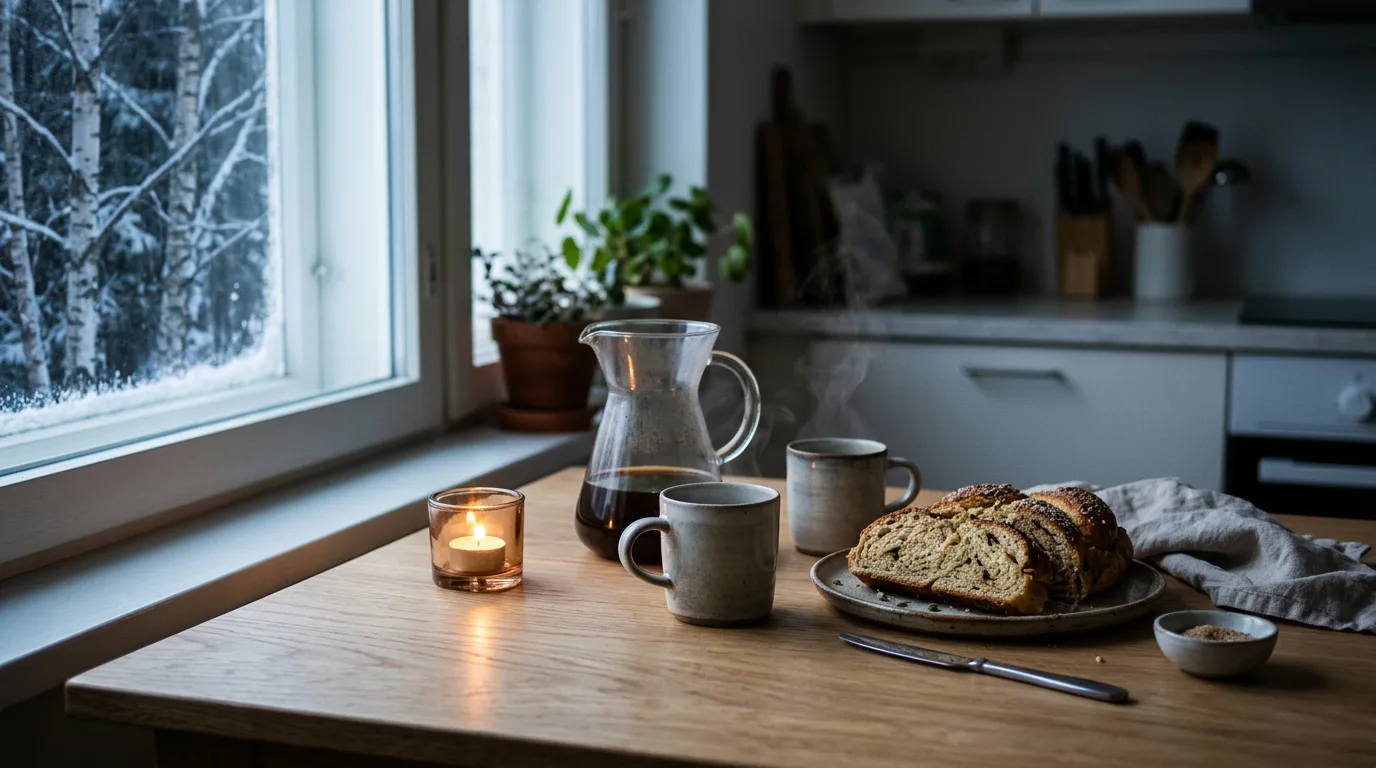
Finland drinks the most coffee per person in the world, roughly 26.5 pounds (about 12 kg) per person a year. Long, dark, freezing winters make hot drinks and warm indoor gatherings essential. Coffee breaks are built into working life. Coffee is how Finns welcome guests and mark every occasion. And the classic Finnish cup is a light roast filter coffee that's easy to drink all day.
Why I wrote this
The first time I visited Helsinki in January, the sun rose a little after nine and set before four. It was well below freezing. And everywhere I went, someone offered me coffee.
Coffee at the hotel breakfast. Coffee at a friend's apartment within a minute of taking my boots off. Coffee at an office I visited, where everyone stopped work at the same time and gathered around a big glass carafe. I drank more coffee in three days than I usually do in a week.
It wasn't espresso or fancy lattes. It was pale, light-roasted filter coffee, brewed by the pot, refilled again and again. And it was always shared.
That trip made me curious. Why does a small country near the Arctic Circle drink more coffee than anyone else? And why are its Nordic neighbors close behind? This guide is what I found, plus what I've learned brewing Nordic-style coffee at home since.
What you'll learn
- How much coffee Finland and the other top nations drink.
- The real reasons Finland leads the world.
- Kahvitauko, fika and hygge, and what they mean.
- How each top-five country brews and drinks coffee.
- How to bring the Nordic coffee habit home.
The world's top coffee nations, in numbers
Rankings vary a little depending on the source and year, but the same five countries keep appearing at the top for coffee per person. Four are Nordic. The fifth is the Netherlands.
Approximate coffee consumption per person per year
Sweden is also usually ranked in the top two or three, right behind Finland, though its exact figure varies more between sources. That's why I list it by rank rather than weight below.
| Rank | Country | Signature ritual | Typical cup |
|---|---|---|---|
| 1 | Finland | Kahvitauko (coffee break) | Light roast filter coffee |
| 2 | Sweden | Fika | Light, bright filter coffee |
| 3 | Norway | Cabin coffee, outdoors | Strong black coffee |
| 4 | Denmark | Hygge | Coffee with pastries, cafe comfort |
| 5 | Netherlands | Koffie with a stroopwafel | Koffie verkeerd or black |
To put Finland's number in perspective: 26.5 pounds of coffee is enough for several 8-ounce cups every day, for every person, babies included. Adults who drink coffee drink a lot more than the average suggests. Even dedicated American coffee lovers tend to be surprised.
One caution: these figures measure coffee beans, not cups. Countries that brew strong filter coffee by the pot will always use more beans per cup than countries that drink small espressos, so the gap in "cups" is a little smaller than the gap in pounds.
Why Finland leads the world
There's no single reason. It's several things stacked together, each one reinforcing the others.
- The climateLong, dark, freezing winters make hot drinks and warm indoor spaces feel essential.
- Work cultureCoffee breaks are a fixed part of the working day, often twice a day.
- HospitalityOffering coffee is the default way to welcome anyone into your home.
- The roastLight roast filter coffee is mild and easy to drink cup after cup.
- The brew methodCoffee is made by the pot, so there's always more to pour.
- TraditionCoffee marks every celebration, from birthdays to funerals.
Any one of these would raise consumption. Together, they make coffee part of the rhythm of almost every Finnish day.
Long, dark winters
Picture a winter morning in Helsinki. It's around 20°F outside, the sky is still dark, and the sun has barely cleared the horizon by the time people are at work. Further north, in Lapland, there are weeks when the sun doesn't rise at all.
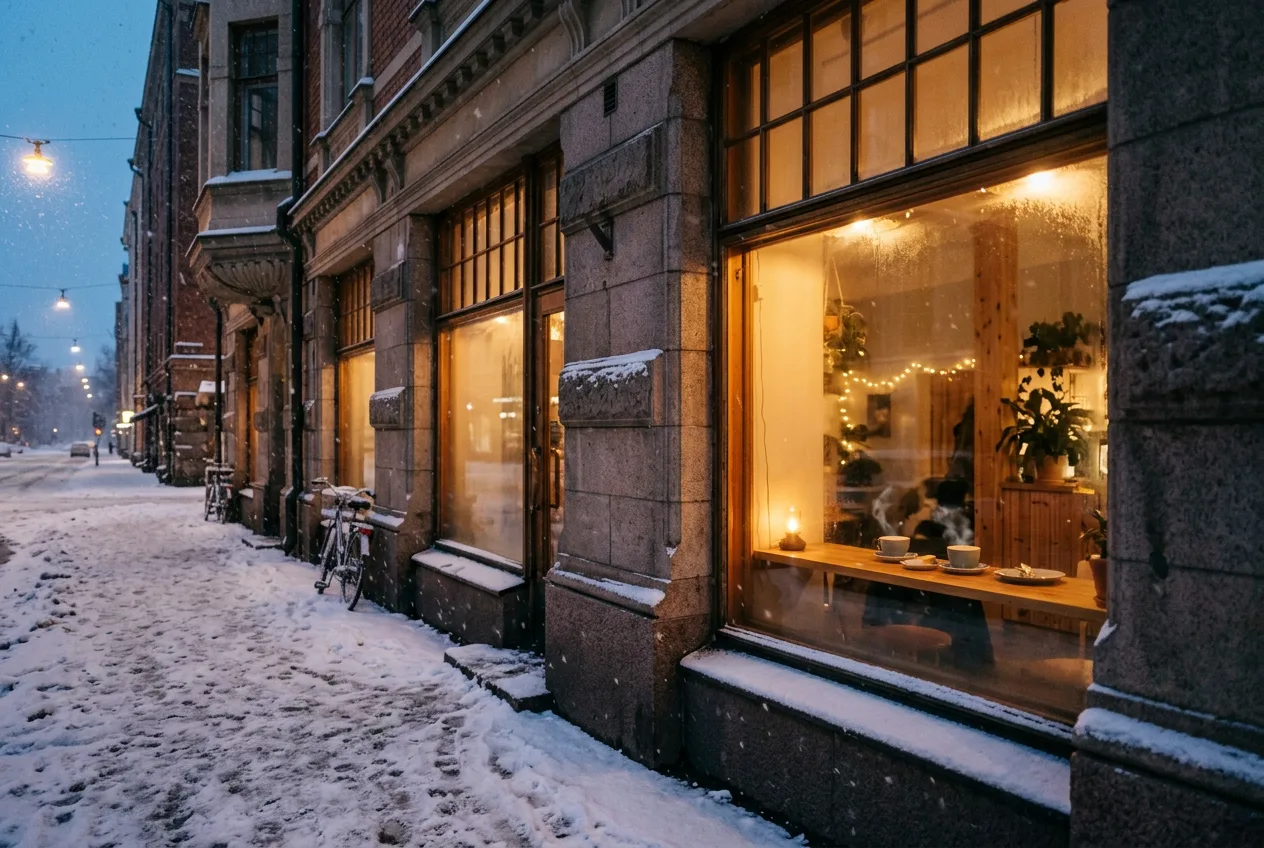
In that environment, a hot drink isn't just a pleasure. It's comfort, warmth and a small bright spot in a dark day. Before the workday even starts, the smell of fresh coffee fills apartments, houses and offices across the city.
The same pattern shows up across the top five. All of them are in Northern or Western Europe, with long, cold or damp winters. It's hard to believe that's a coincidence. When it's cold, dark and wet outside, people gather indoors around a hot pot of something, and in this part of the world, that something is coffee.
Finns even have a word for the darkest part of winter in the far north: kaamos, the polar night, when the sun stays below the horizon for weeks. People cope with candles, saunas, outdoor exercise in the snow and, of course, coffee. A warm cup in your hands and a few minutes with friends or colleagues make the long evenings easier.
Summer is the opposite, with nearly endless daylight. You might expect coffee drinking to drop, but it doesn't change much. The habit is so deeply rooted that it carries through the bright months too, just moved outdoors to the terrace, the cottage and the jetty.
Our tip: If you visit Finland in winter, do as the locals do: step into a cafe, order a filter coffee with a pulla and let yourself warm up slowly. It's the best way to understand the habit.
Kahvitauko: the Finnish coffee break
The Finnish word is kahvitauko, literally "coffee break," and Finns take it seriously. In many workplaces, short paid breaks are written into collective labor agreements, and in practice, those breaks revolve around coffee.
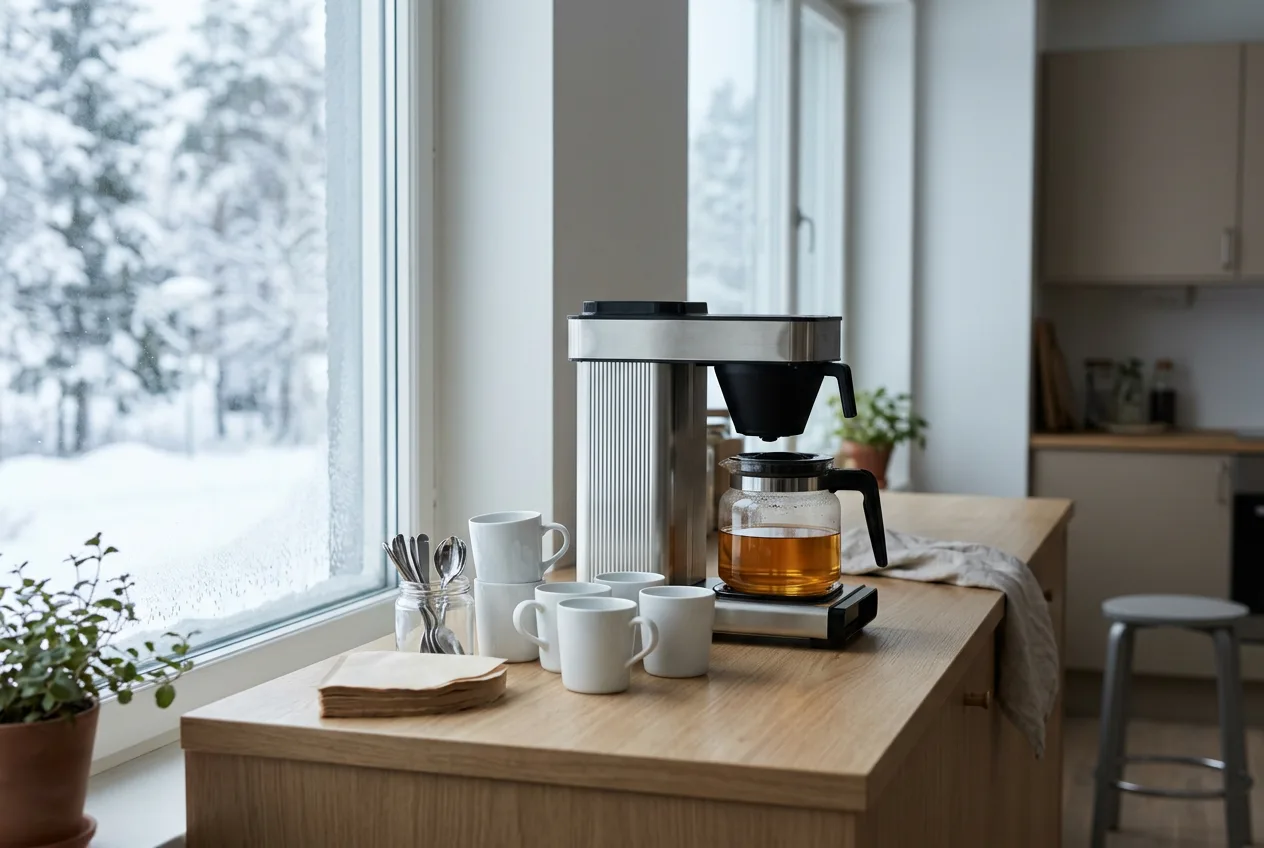
At a set time, often mid-morning and again in the afternoon, people step away from their desks and gather in the break room. Someone has already started a fresh pot. There might be pulla, biscuits or leftover birthday cake.
What struck me most is how egalitarian it is. Managers and new hires stand around the same coffee machine. Hierarchy softens for fifteen minutes. It's where colleagues get to know each other and where a lot of informal work actually gets done.
Finnish culture values quiet and personal space. People don't usually chat with strangers on the bus. That makes shared coffee moments especially important. They're a reliable, low-pressure way to connect.
Coffee as hospitality
In Finland, if someone comes to your home, you offer coffee. It doesn't matter if it's a close friend, a neighbor or the person fixing your sink. The pot goes on.
Turning it down is allowed, but accepting is the friendly thing to do. Sharing a cup signals openness and warmth. It turns a visit into a conversation.
That hospitality habit alone adds a lot of cups to the national total. A busy Finnish household might brew several pots a day, especially on weekends when family and friends drop by.
Despite the volume, coffee in Finland is rarely rushed. It's about pausing, sitting down and being present. You won't see as many people walking down the street with disposable cups as you might in a big American city.
The light roast tradition
Here's something many visitors don't expect: the classic Finnish coffee is a light roast. Not medium, not dark. Light, sometimes very light, with a pale brown color.
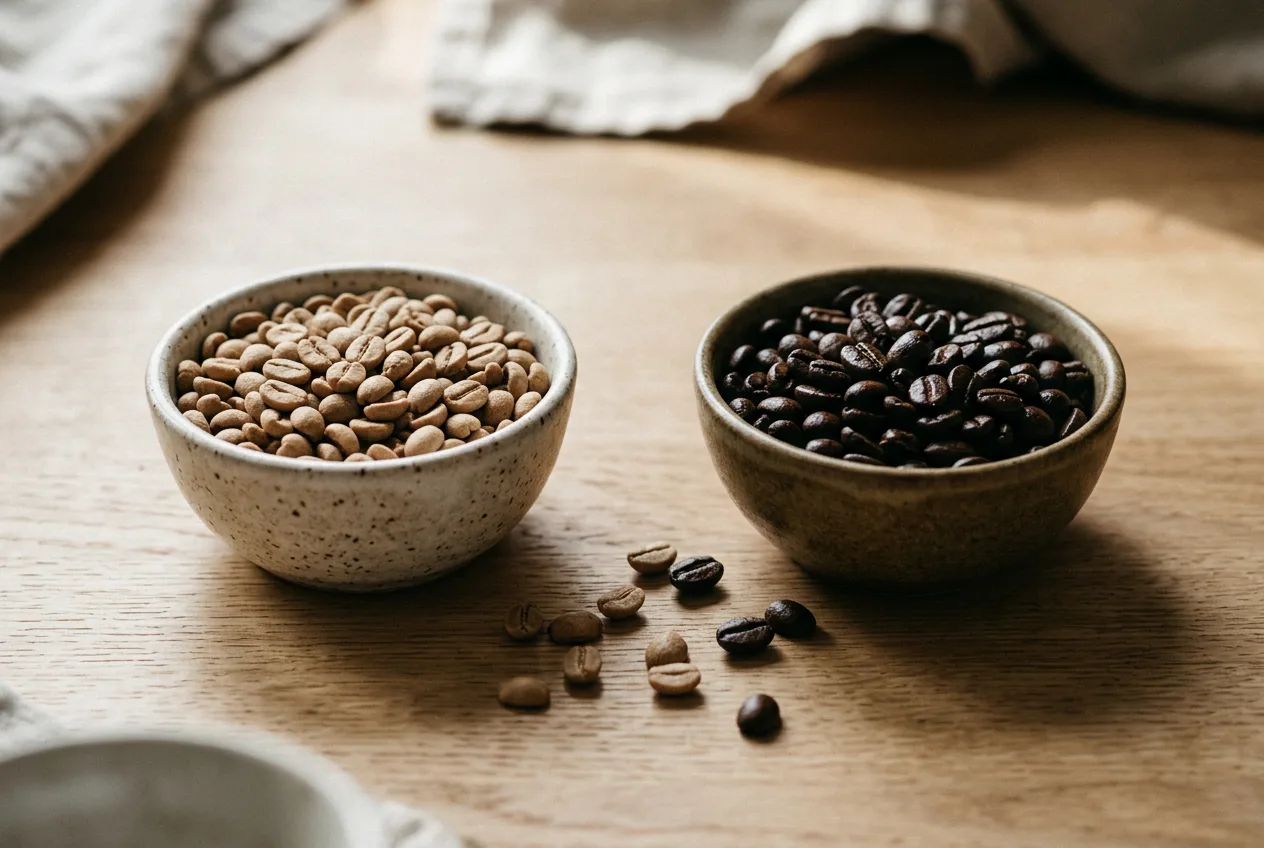
Light roasts are milder in bitterness and have a gentle, slightly bright and nutty character. Brewed as filter coffee, they're easy to drink black or with a splash of milk. That makes them perfect for drinking several cups a day.
Supermarkets in Finland sell coffee by roast level, and light roast blends have long been the best sellers, though darker roasts and espresso have become more common in recent years, especially among younger drinkers and in cities.
If you want to understand what changes between roast levels, my guide to coffee roast levels goes into detail. In short, lighter roasts keep more of the bean's origin flavor and acidity, and darker roasts trade that for body and roasty bitterness.
Our tip: Nordic-style light roasts taste best brewed a little stronger than you might expect. Don't skimp on the coffee, or the cup can taste thin.
Filter coffee, all day long
Espresso machines exist in Finland, of course, but the backbone of Finnish coffee culture is the humble drip filter machine. Almost every home and office has one.
Coffee is brewed by the pot, a glass carafe at a time, and kept warm or poured into a thermos. That makes it easy to have a second, third or fourth cup without thinking about it.
Older generations also remember pannukahvi, coffee boiled in a pot on the stove and allowed to settle before pouring. It's still made at summer cottages and around campfires. It's strong, rustic and part of the national coffee nostalgia.
How a typical Finnish pot is brewed
If you want to fine-tune strength, see coffee brewing ratios explained.
What Finns eat with coffee
Coffee in Finland almost always comes with something sweet, or at least something to nibble. These are the classics.
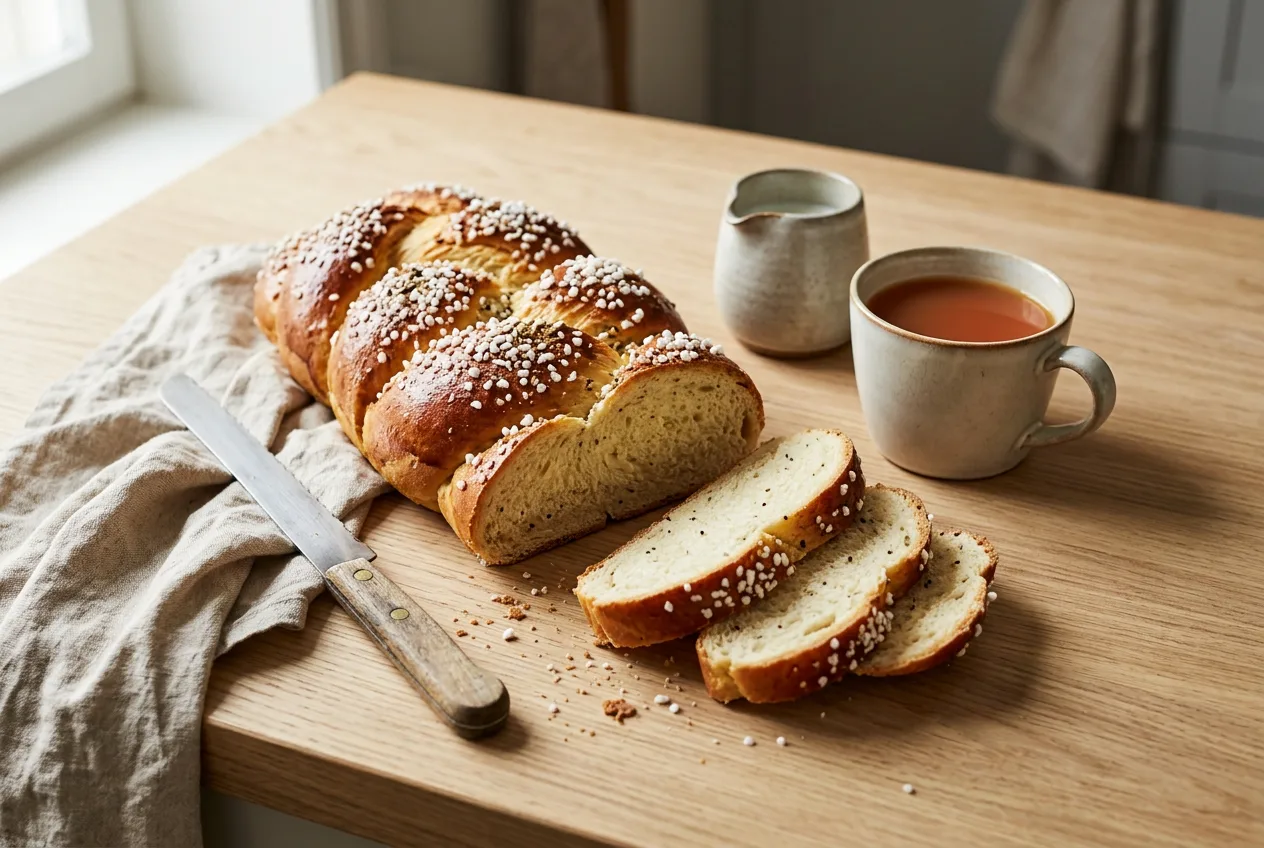
- Pulla: a soft, sweet cardamom bread, often braided and topped with pearl sugar. The single most classic partner for Finnish coffee.
- Korvapuusti: Finland's cinnamon roll, with a name that jokingly means "slapped ears" because of its shape.
- Runebergintorttu: a small almond and rum cake eaten around February 5th, the birthday of national poet J. L. Runeberg.
- Karjalanpiirakka: Karelian rye pastries with rice porridge filling, often with egg butter, a savory option.
- Leipäjuusto: a mild "bread cheese" with a squeaky texture, traditionally cut into cubes and dropped into hot coffee, especially in the north.
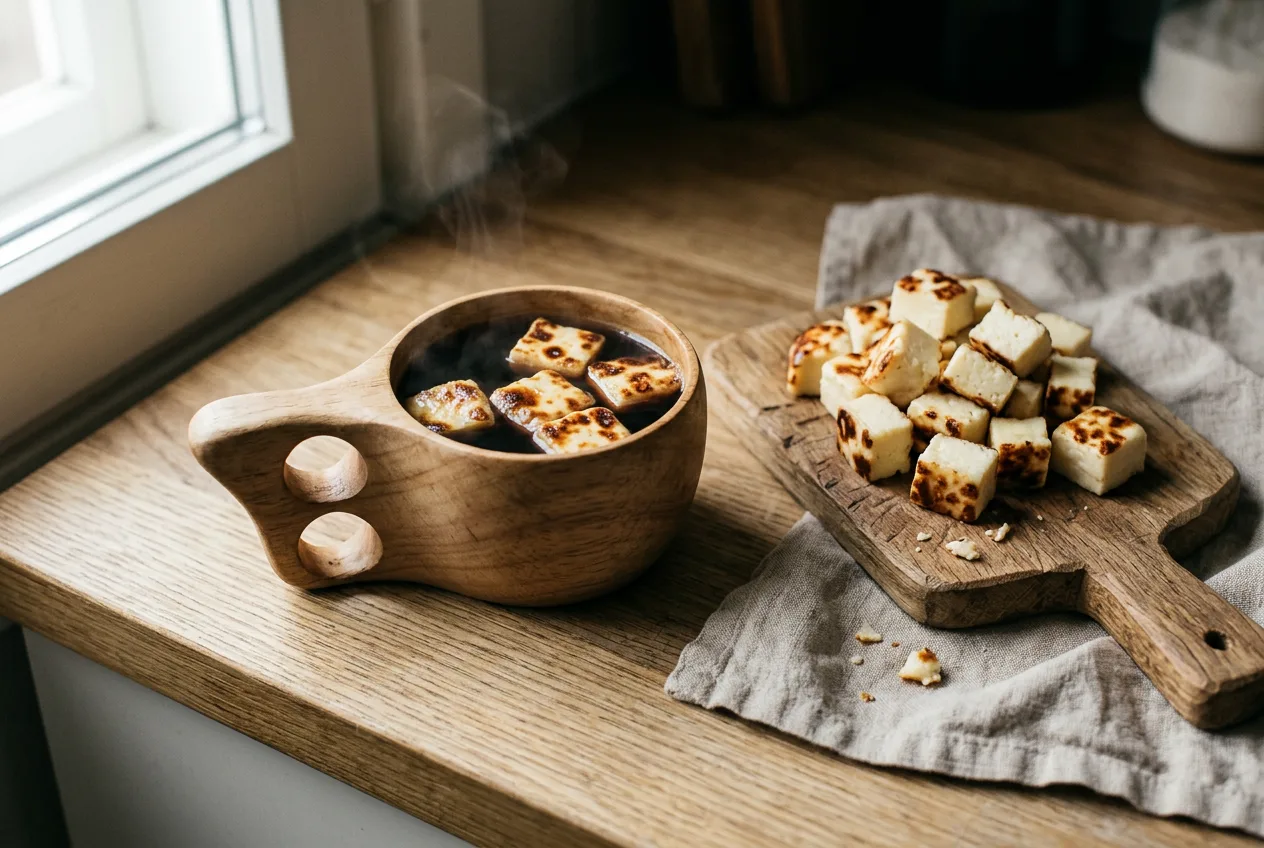
Coffee with cheese sounds odd, but it works. The cheese warms and softens in the cup, and you eat it with a spoon. It's a little salty, a little creamy and very Nordic.
Coffee outdoors: cottages, campfires and thermoses
Finland has hundreds of thousands of summer cottages, many on lakes, and coffee follows Finns there too. Summer means long, light evenings, saunas, swimming and coffee on the jetty.
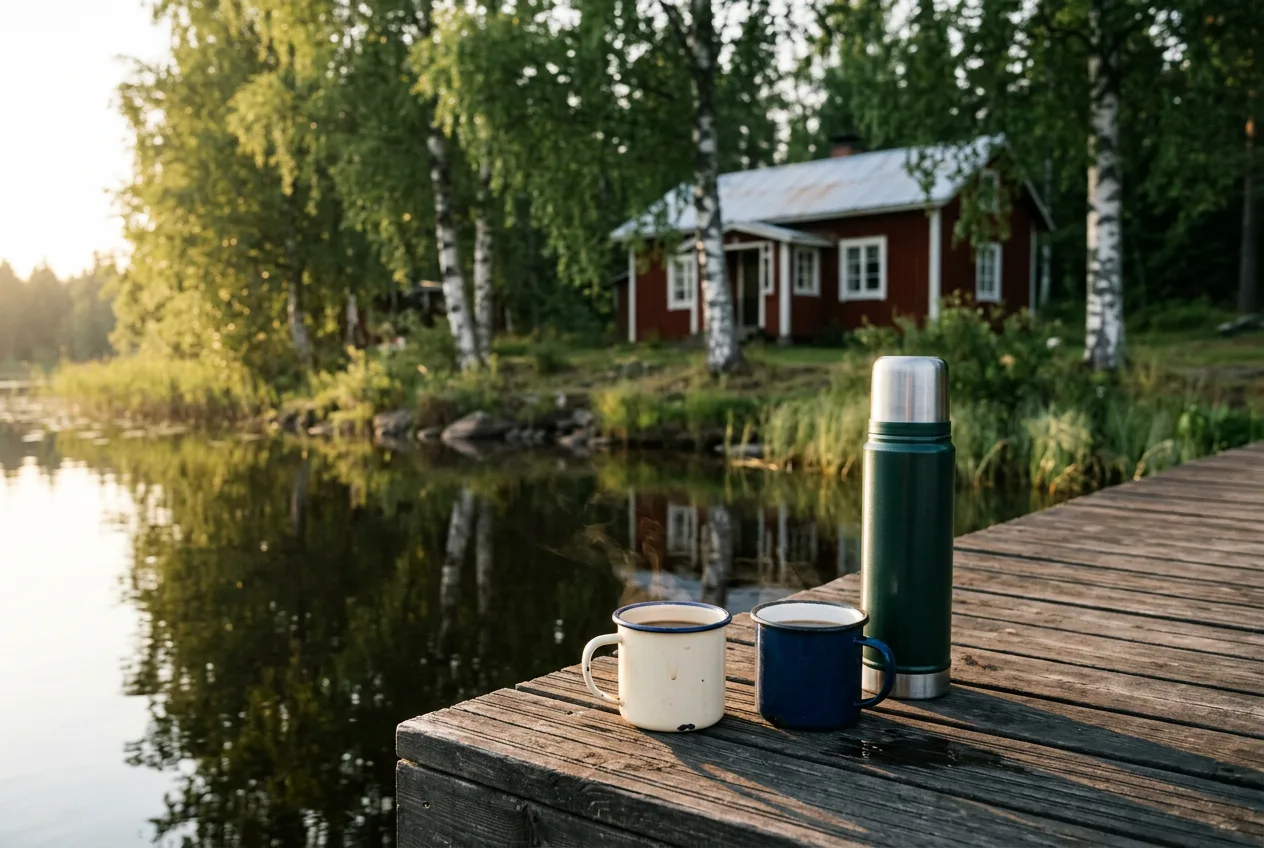
Hikers and skiers carry thermoses of coffee and drink it from a kuksa, a traditional wooden cup carved from birch burl. At campfire spots in national parks, you'll often see people boiling coffee in a blackened kettle.
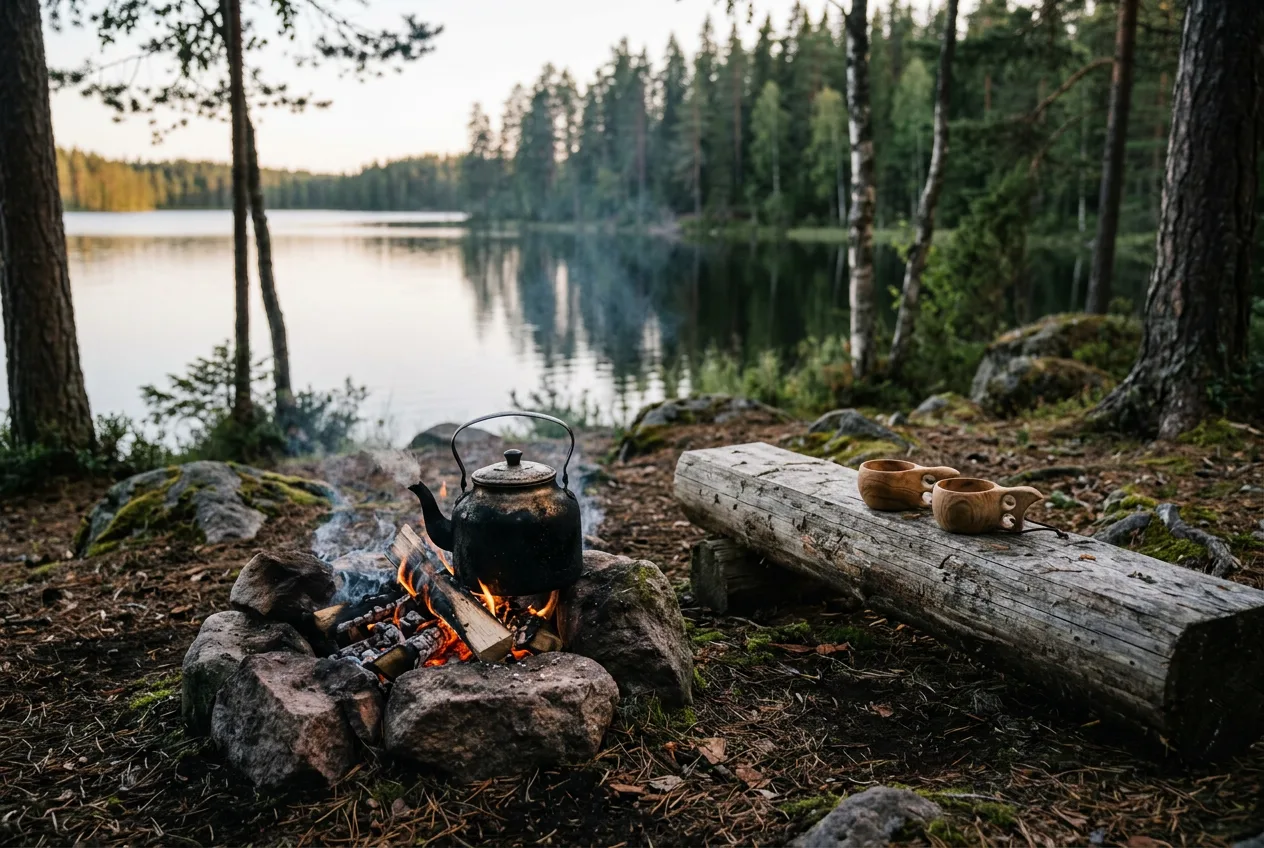
Outdoor coffee has the same role as indoor coffee: a pause, a moment of warmth and a reason to sit together. It's just that the view is a lake or a forest instead of a kitchen.
Coffee for every occasion
Finnish life events come with coffee. Birthdays, name days, graduations, christenings, weddings and funerals all usually include a coffee table, often with cakes, pulla and cookies.
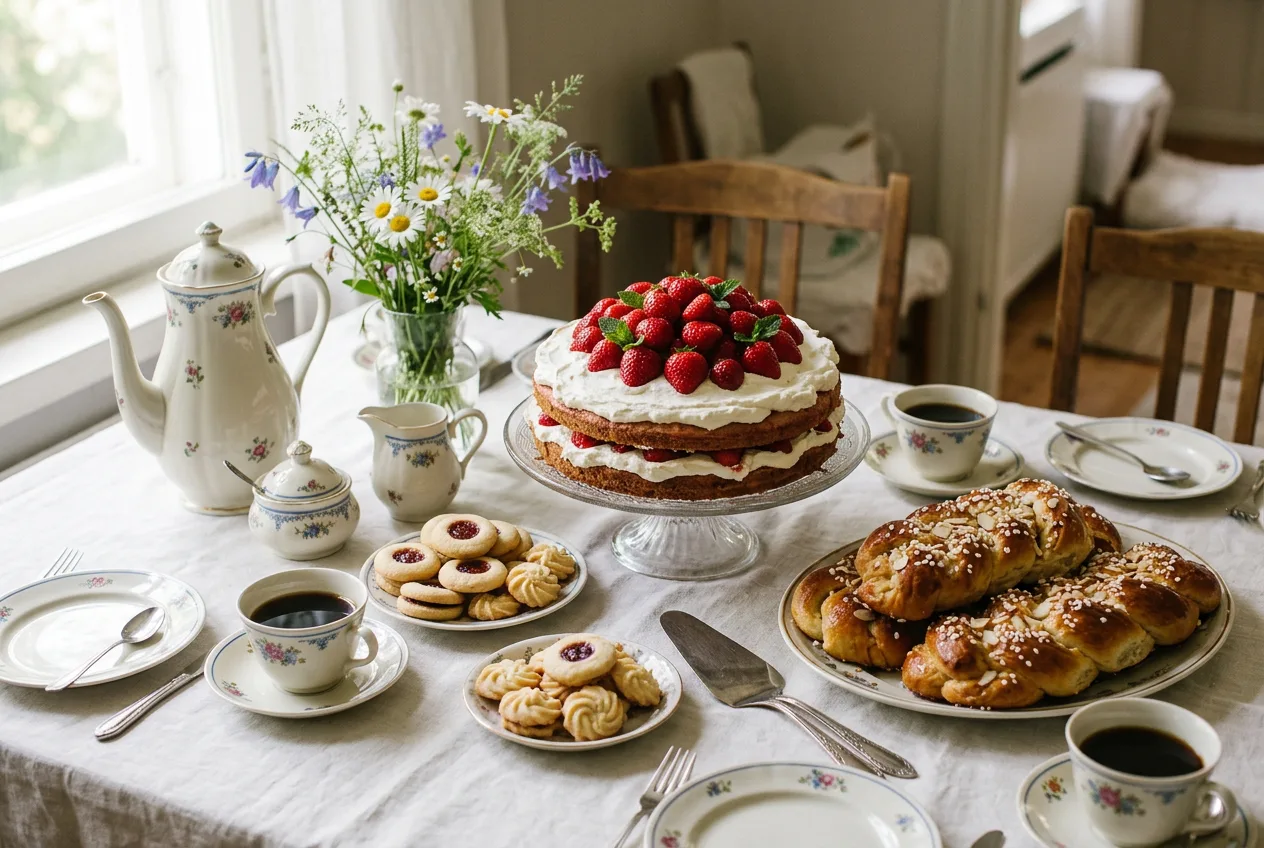
A big family celebration might involve a "coffee table" with several kinds of baked goods and many refills. Graduation parties in spring are a classic example, with relatives dropping by through the afternoon for coffee and cake.
Coffee through the Finnish year
- Christmas: coffee with joulutorttu, star-shaped prune jam pastries, and gingerbread cookies.
- Runeberg Day, February 5th: coffee with Runeberg cakes, small almond cakes topped with raspberry jam and icing.
- Shrove Tuesday: coffee with laskiaispulla, cardamom buns filled with whipped cream and jam or almond paste, often after sledding.
- Vappu, May Day: coffee or sima, a homemade lemony mead, with munkki doughnuts and funnel cakes.
- Midsummer: thermos coffee at the cottage, by the lake, long into the light night.
- Name days and birthdays: a coffee table at home for whoever drops by.
Each season brings its own baked goods, but the coffee stays the same: light roast, filter brewed and always enough for another cup. Once you start noticing it, you realize that almost every Finnish tradition has a coffee break built into it somewhere.
Coffee is so tied to celebrations that its absence was felt deeply in hard times. That brings us to history.
A short history of coffee in Finland
Coffee reached Finland in the 1700s, when the country was part of the Kingdom of Sweden. At first it was a luxury for the wealthy. Sweden even banned or heavily taxed coffee several times during the 1700s, but the habit kept spreading.
By the 1800s, coffee had become an everyday drink across Finnish society, from city homes to farmhouses. Boiled pot coffee was the norm.
During the Second World War and the years after, coffee was strictly rationed and often unavailable. People drank substitutes made from roasted grains, chicory and other ingredients. When rationing ended in the early 1950s, the return of real coffee was a genuine national celebration. More on those wartime substitutes in coffee substitutes and alternatives.
After that, coffee consumption kept rising. Filter machines arrived in homes, light roast blends became the national standard, and coffee breaks became fixed in working life. By the late 20th century, Finland was at or near the top of the world's coffee rankings, where it has stayed.
| When | What happened |
|---|---|
| 1700s | Coffee arrives as a luxury under Swedish rule |
| 1800s | Coffee becomes an everyday drink, usually pot-boiled |
| 1940s | War, rationing and coffee substitutes |
| Early 1950s | Rationing ends; real coffee returns |
| Late 1900s | Filter machines, light roasts and coffee breaks everywhere |
| Today | World's highest coffee consumption per person, plus a growing specialty scene |
Helsinki and other Finnish cities now also have specialty roasters and cafes serving pour-over and espresso. Interestingly, the Nordic love of light roasts fits neatly with modern specialty coffee, which also favors lighter roasting. For more, see what is specialty coffee.
A typical Finnish coffee day
Habits differ from person to person, but a coffee-loving Finn's day might look something like this.
- Early morning at homeThe filter machine goes on first thing. One or two cups with breakfast, often rye bread or porridge.
- Arriving at workA cup from the office pot while checking email.
- Mid-morning kahvitaukoThe first official coffee break with colleagues.
- After lunchA cup with lunch or right after, sometimes at a cafe.
- Afternoon kahvitaukoAnother break, often with pulla or biscuits.
- EveningCoffee with family or guests, sometimes even late in the evening.
That's easily five or six cups, all filter coffee, all shared at some point. Now multiply it by a nation.
Ordering coffee in a Finnish cafe
Finnish cafes range from old-fashioned "kahvila" with glass cases of cakes to modern specialty cafes with pour-over bars. In both, ordering is simple.
In many traditional cafes and bakeries, filter coffee is self-service. You pay at the counter, take a cup and fill it yourself from a row of thermoses. Refills are often included, or cost very little, which is one more reason Finns drink so much.
| Ask for | What you get |
|---|---|
| Kahvi / suodatinkahvi | Regular filter coffee, usually light roast |
| Tumma paahto | Dark roast, if the cafe offers a choice |
| Maitokahvi | Coffee with milk |
| Espresso, cappuccino, latte | Same as anywhere, common in cities |
| Santsikuppi | A refill, often free or cheap |
| Kahvi ja pulla | Coffee and a bun, the classic combo |
The word "santsikuppi" is one of my favorite bits of Finnish coffee vocabulary. It means the second cup, the refill, and the fact that there's a special word for it says a lot.
Our tip: In a self-service cafe, look for the thermoses labeled by roast. The lighter one is the classic Finnish cup; try it black first.
Finnish coffee etiquette
There aren't many rules, but a few habits will help you fit in, whether you're visiting a Finnish home or an office.
| Do | Avoid |
|---|---|
| Accept coffee when you visit someone's home | Turning it down without a reason, every time |
| Join the office coffee break | Eating lunch at your desk and skipping every break |
| Take your shoes off indoors before coffee | Walking into a Finnish home in outdoor shoes |
| Brew a fresh pot when the carafe is empty | Leaving an empty pot for the next person |
| Try the pulla or whatever is offered | Expecting a big menu of flavored drinks in a traditional cafe |
The empty pot rule is real in offices. Whoever takes the last cup makes the next pot. It's a small thing, but it keeps the coffee flowing all day.
How to make Finnish boiled coffee (pannukahvi)
Before filter machines, most Finns boiled coffee in a pot. It's still made at cottages, on camping trips and by older relatives who swear it tastes better. Here's the basic method I use over a camping stove.
- Boil the waterBring about one liter of water to a boil in a coffee kettle or small pot.
- Take it off the heat and add coffeeAdd about 8 to 10 tablespoons of coarsely ground light or medium roast coffee and stir.
- Bring it back up brieflyReturn to the heat until it just starts to foam, then take it off immediately so it doesn't boil over.
- Let it settleWait three to five minutes for the grounds to sink. A splash of cold water helps them settle faster.
- Pour gentlyPour slowly so the grounds stay at the bottom. Drink it from a kuksa if you have one.
Boiled coffee is fuller and a little rougher than filter coffee, with more body and some sediment. It's not the smoothest cup you'll ever drink, but next to a lake on a summer evening it might be the best.
Finland vs a typical American coffee habit
Comparing Finnish coffee habits with typical American ones helps explain the gap in consumption.
| Habit | Finland | Typical US |
|---|---|---|
| Main brew | Light roast filter, by the pot | Drip, pods and espresso drinks |
| Where | Home, office, at the table | Often on the go |
| Breaks | Fixed coffee breaks at work | Less formal, varies by workplace |
| Additions | Black or a little milk | More creamers, syrups and sweet drinks |
| Social role | Hospitality, celebrations, every visit | More personal and individual |
These are generalizations, of course. But the big difference is clear: in Finland, coffee is something you share and refill. That's how you end up at 26.5 pounds a year.
Sweden: the art of fika
Sweden usually ranks second, right behind its eastern neighbor. At the heart of Swedish coffee culture is fika, a word that works as both a noun and a verb. It means taking a break for coffee, something sweet and conversation.
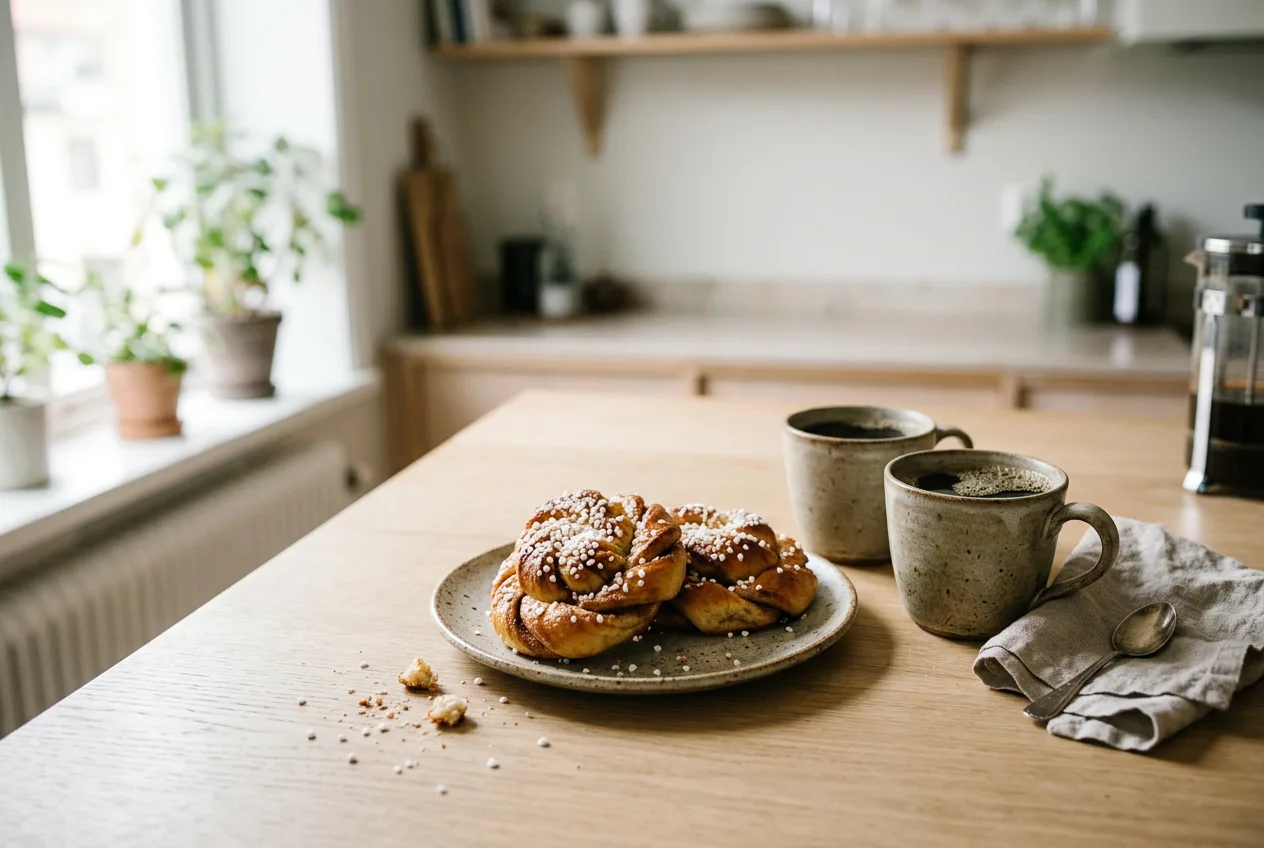
In a busy Stockholm office, fika time is noticeable. Work pauses. People leave their desks and gather in the break room. A proper fika has three parts: freshly brewed coffee, something baked, often a cinnamon bun, and relaxed conversation.
Like the Finnish coffee break, fika is about togetherness and equality. Everyone joins, whatever their job title. It's also about balance: a deliberate pause to recharge before going back to work.
Swedes generally prefer lighter roasts with a bright, clean flavor, and filter coffee remains the everyday standard over espresso drinks. Fika can happen anywhere, though: at work, at home, in a cafe, or alone with a book.
Our tip: You don't need to live in Sweden to fika. Brew a fresh pot, put out something sweet and take a real break, ideally with someone else. It's the cheapest stress reliever I know.
Norway: bold brews for a rugged landscape
Norwegians drink about 19.8 pounds of coffee per person per year, firmly in the global top three or four. Their style is simple: strong, full-bodied black coffee.
Milky drinks like lattes and cappuccinos exist, but the cultural standard is good black coffee, brewed strong, without syrups or frills. The focus is on bean quality and clean strength rather than complexity in the cup. Norway also has a well-known specialty scene, particularly in Oslo, that favors light, carefully brewed coffee.
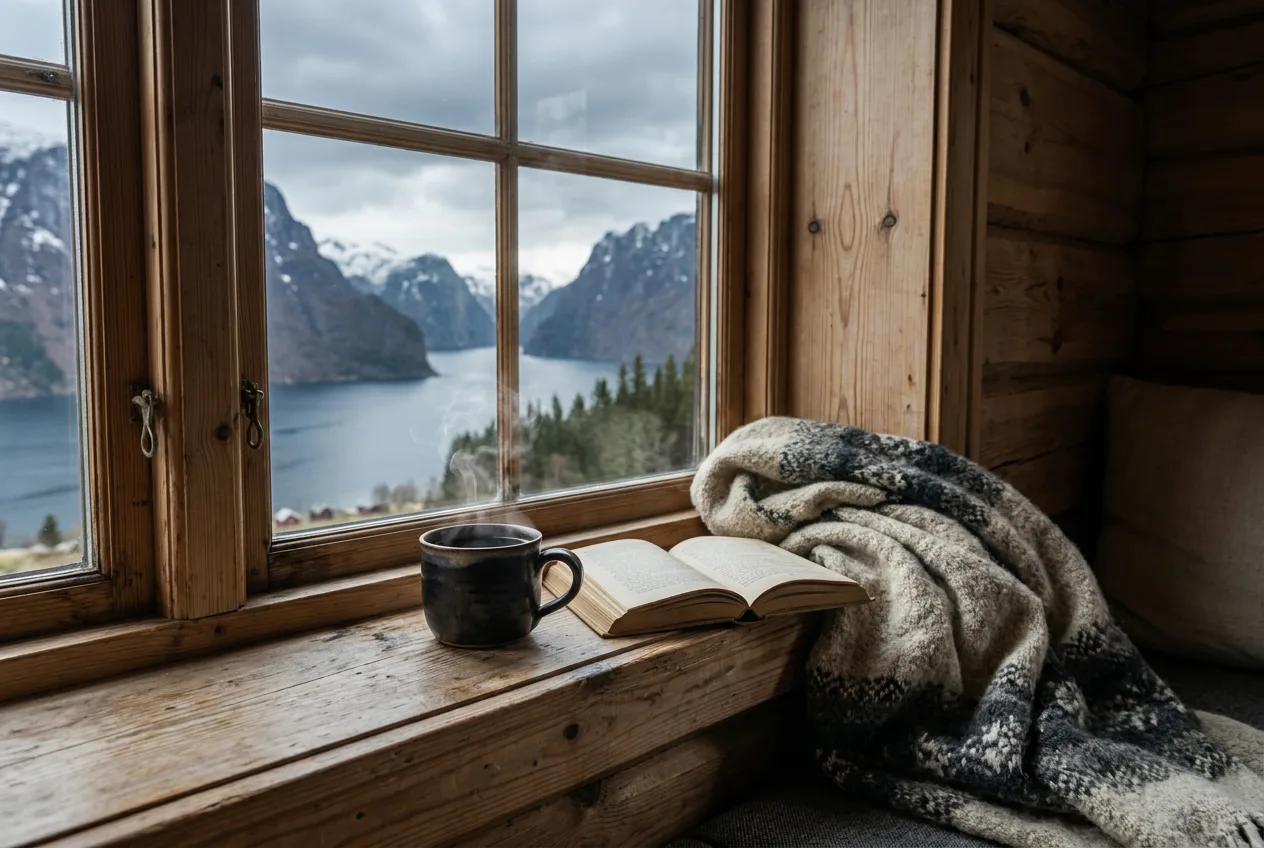
The quintessential Norwegian coffee moment is in a cabin. A cozy wooden cabin overlooking a fjord, wind howling outside, a blanket, a book and a big mug of strong coffee. The contrast between wild weather and indoor comfort is the whole point.
Norwegians often pair coffee with a slice of cake or a homemade pastry. And coffee is a constant companion outdoors, on hikes, ski trips and fishing trips, often boiled over a fire just as in Finland.
Denmark: hygge and cozy contentment
Danes drink around 19.2 pounds of coffee per person a year, but Danish coffee culture is as much about atmosphere as amount. In Denmark, coffee is tied to hygge, the famous Danish idea of coziness, contentment and warm company.
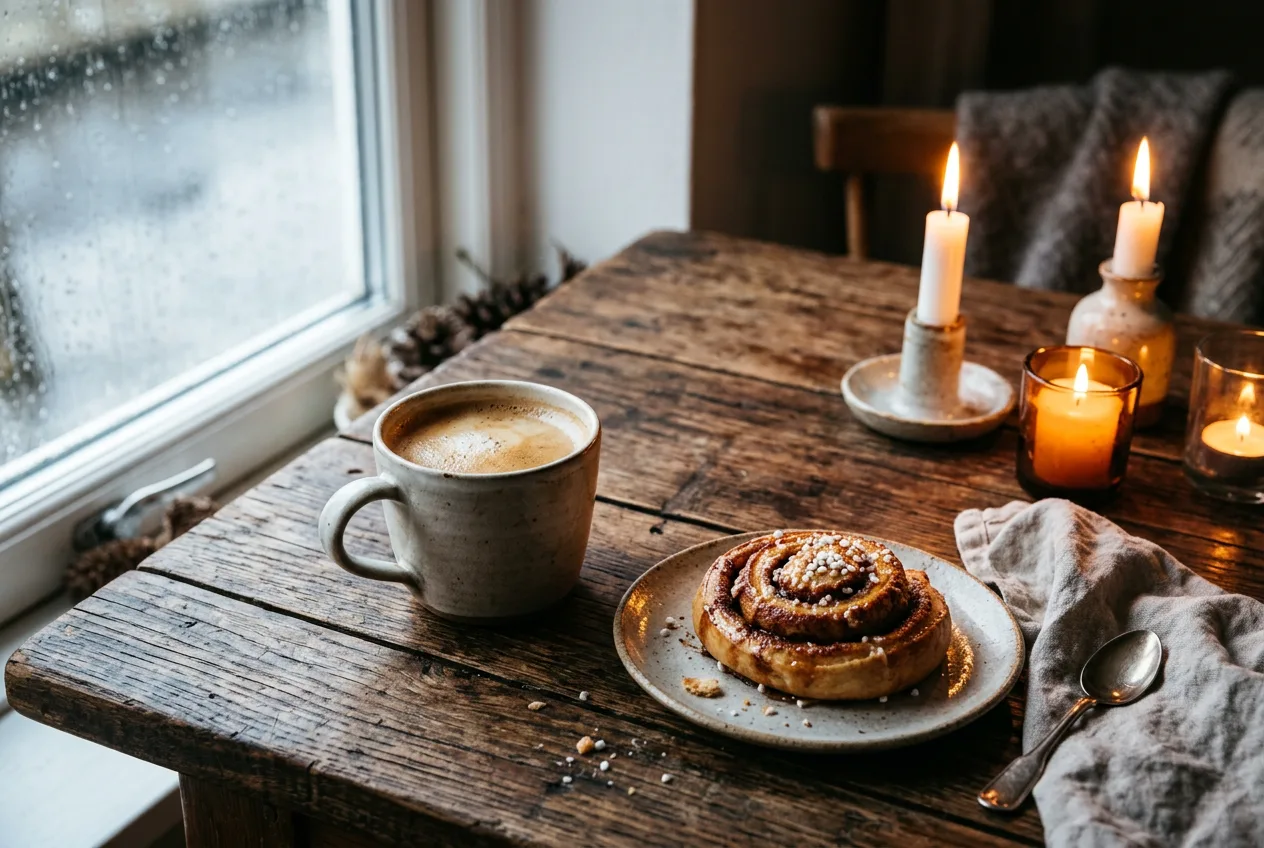
Hygge isn't a decorating trend. It's a way of living that values comfort and small pleasures. Whether it's a quiet morning alone or an evening with friends, a pot of coffee is often at the center.
Picture a rainy afternoon in Copenhagen, around 45°F, cobblestones shining wet. You duck into a cafe that smells of fresh coffee and warm cinnamon pastries. Candles flicker on wooden tables. That first sip feels like an exhale.
Danes happily pair coffee with pastries and cake, on the principle that life is too short to skip small, well-made indulgences. Lighting a candle, brewing a pot and opening a book is a Danish recipe for calm that works anywhere.
The Netherlands: trade routes and stroopwafels
The Dutch drink about 18.5 pounds of coffee per person a year, rounding out the top five. Their love affair with coffee goes back centuries to the Dutch trading empire, which helped bring coffee to European ports and made it a household staple early on.
Today coffee accompanies the Dutch all day: at breakfast, at morning meetings, on afternoon cafe stops and after dinner. Imagine cycling along an Amsterdam canal, bells ringing, the smell of roasting coffee drifting from a corner cafe, and stopping for a cup.
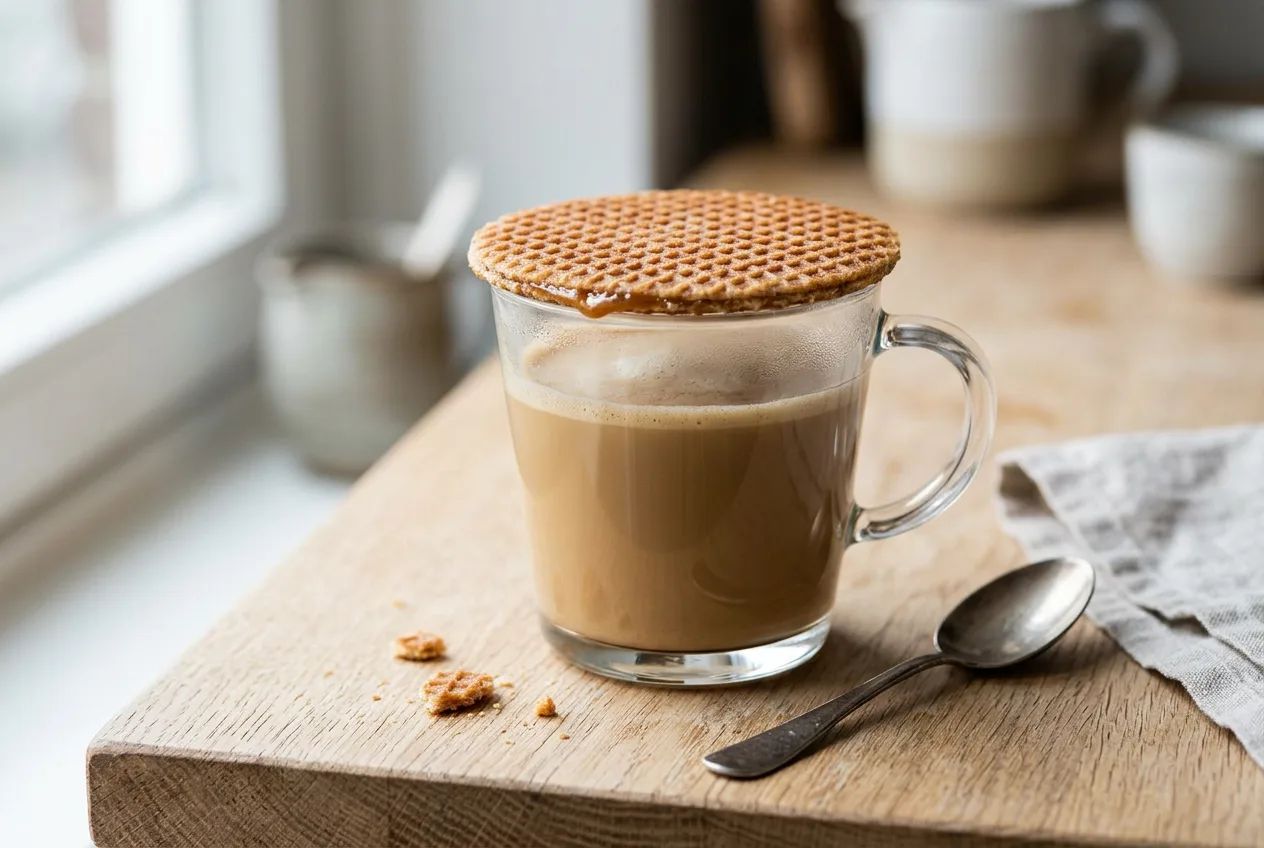
Two Dutch classics stand out. The first is koffie verkeerd, literally "wrong coffee," because it reverses the usual ratio: mostly warm milk with a little coffee, similar to a latte. The second is the stroopwafel, two thin waffles with a caramel syrup filling.
The trick is to rest a stroopwafel on top of your hot cup for a minute. The steam warms it and softens the caramel. Then you eat it, slightly gooey, between sips. It's one of my favorite small coffee rituals anywhere.
Finland's modern coffee scene
Finnish coffee culture isn't frozen in time. Over the last couple of decades, Helsinki, Tampere, Turku and other cities have gained a lively specialty scene, with small roasters, pour-over bars and baristas who compete internationally.
The interesting thing is how naturally it fits. Specialty coffee tends to favor lighter roasts that show off a bean's origin, and Finns have been drinking light roasts for generations. A Helsinki specialty cafe can serve a bright, fruity Kenyan pour-over to a customer who grew up on light roast filter coffee and find them right at home.
At the same time, espresso drinks, oat milk lattes and cold brew are common in cities, especially among younger people. Supermarkets now sell dark roasts and espresso blends next to the classic light ones. Capsule machines have found a place in some homes and offices too.
But the core habit hasn't changed. The filter machine still runs in the office kitchen, the pot still goes on when a guest arrives, and the coffee break still stops work twice a day. New drinks have been added to Finnish coffee culture rather than replacing it.
Our tip: If you're a light roast fan, Finnish roasters are worth seeking out. Many sell beans online, and their filter roasts are among the most approachable light coffees I've tried.
Why the Netherlands breaks the Nordic pattern
Four of the top five are Nordic, so the Netherlands stands out. What puts it in the same company?
Part of the answer is history. The Dutch were among the first Europeans to trade coffee at scale and to grow it in their colonies, so coffee became an affordable everyday drink earlier than in much of Europe. Centuries of habit run deep.
The rest looks a lot like the Nordic pattern. The Dutch climate is cool, gray and damp for much of the year. Coffee is offered to every visitor, often with a single biscuit from the tin. Offices run on coffee machines. And the Dutch have their own word for coziness, gezelligheid, which plays a similar role to hygge.
So while the Netherlands isn't Nordic, its coffee culture shares the same ingredients: cool weather, a long history with coffee, all-day drinking and a strong sense that coffee is something you share.
The top five, side by side
| Country | Preferred style | Ritual | Classic pairing |
|---|---|---|---|
| Finland | Light roast filter, all day | Kahvitauko | Pulla, leipäjuusto |
| Sweden | Light, bright filter coffee | Fika | Cinnamon buns |
| Norway | Strong black coffee | Cabin and outdoor coffee | Homemade cake |
| Denmark | Coffee in cozy cafes and homes | Hygge | Danish pastries, cinnamon buns |
| Netherlands | Black or koffie verkeerd | All-day koffie | Stroopwafel |
For a wider tour that includes Italy, Turkey, Ethiopia, Vietnam and more, see coffee culture around the world.
What the top coffee nations have in common
- Geography and climate: all five are in Northern or Western Europe, with long, dark or damp winters that make warm drinks and indoor gatherings precious.
- Connection over speed: unlike grab-and-go coffee culture, every one of them treats coffee as a reason to slow down and sit together.
- Filter and pot coffee: brewing by the pot makes refills easy and pushes up consumption.
- Something sweet: from Finnish pulla and Swedish cinnamon buns to Norwegian cake, Danish pastries and Dutch stroopwafels, coffee almost always comes with a baked treat.
- A word for it: kahvitauko, fika and hygge show that coffee isn't just consumed in these countries. It's built into ideas about wellbeing, work-life balance and community.
That last point is the one I find most interesting. When a culture has a word for the coffee moment, the moment is protected. It happens every day, at work and at home, whether you're busy or not.
Is that much coffee healthy?
For most healthy adults, moderate coffee intake is generally considered safe, and research has linked it with some health benefits. Many health authorities suggest up to around 400 mg of caffeine a day for most adults, roughly four to five ordinary cups of filter coffee.
Plenty of Nordic coffee drinkers get close to that, and some go over it. But it's spread across the day in smaller cups, and light roast filter coffee is often drunk fairly weak by espresso standards. Sensitivity also varies a lot from person to person.
If you want to drink coffee the Finnish way, pay attention to how you sleep and feel. I cover limits in detail in how much coffee is too much, and the timing question in coffee and sleep.
How to drink coffee the Nordic way at home
- Buy a light roastLook for a Nordic-style light or medium-light roast, or a light specialty roast labeled for filter.
- Use a drip machine or pour-overBrew a full pot or a big carafe rather than a single cup.
- Don't brew it weakStart around 60 g of coffee per liter of water and adjust.
- Bake or buy something sweetCardamom buns, cinnamon rolls or a simple cake.
- Schedule the breakPick a time every day, ideally mid-morning or mid-afternoon.
- Share itInvite a colleague, a neighbor or your family. The coffee is the excuse; the company is the point.
Our tip: A thermal carafe keeps filter coffee tasting fresh far longer than a hot plate, which slowly cooks the coffee and makes it bitter. If you brew by the pot, it's worth it.
Myths about Nordic coffee
- "Finns drink strong, dark coffee." The classic Finnish cup is a light roast. Norway is the country more associated with strong, bold black coffee.
- "Fika just means coffee break." It's closer to a philosophy: a deliberate pause with coffee, something sweet and company.
- "High consumption means Nordic people are addicted." It's more about how coffee is woven into work, hospitality and celebrations, and how it's brewed by the pot.
- "Hygge is about decor." It's about a feeling of coziness and togetherness. Candles and coffee help, but the company matters more.
- "The Netherlands only drinks milky coffee." Koffie verkeerd is popular, but plain black coffee is just as common.
The verdict
Finland drinks the most coffee in the world because coffee does a job there that nothing else does. It warms people through long, dark winters. It structures the working day. It welcomes guests and marks every celebration. And the light roast filter coffee Finns love is easy to drink cup after cup.
Sweden, Norway, Denmark and the Netherlands each add their own twist, from fika and hygge to fjord-side cabins and stroopwafels. What they share is the idea that coffee is a reason to slow down and be together.
You can borrow that idea anywhere. Brew a pot, put out something sweet, take a real break and invite someone to join you. That, more than any number of pounds per person, is the real secret of the world's top coffee nations.
Frequently asked questions
Which country drinks the most coffee per person?
Finland, at roughly 26.5 pounds (about 12 kg) of coffee per person per year.
Why do Finns drink so much coffee?
Long, dark winters, built-in workplace coffee breaks, a strong tradition of offering coffee to guests, coffee at every celebration and a mild light roast that's easy to drink all day.
What kind of coffee do Finns drink?
Mostly light roast filter coffee brewed by the pot, black or with a little milk.
What is kahvitauko?
The Finnish word for a coffee break, a regular pause at work or home to drink coffee and talk.
What is fika?
A Swedish tradition of taking a break with coffee, something sweet and conversation.
Which countries are in the top five for coffee consumption?
Usually Finland, Sweden, Norway, Denmark and the Netherlands, though exact rankings vary by source and year.
Do Finns really put cheese in coffee?
Yes, in some regions. Cubes of leipäjuusto, a mild baked cheese, are dropped into hot coffee and eaten with a spoon.
Is light roast coffee weaker?
Not necessarily in caffeine. Light roasts taste milder in bitterness, but caffeine depends mostly on how much coffee you use.

- Michael Reynolds, notes from winter visits to Finland and the Nordics and home brewing
- List of countries by coffee consumption per capita, Wikipedia
- Fika, Wikipedia
- Hygge, Wikipedia
- Pulla, Wikipedia
- Leipäjuusto, Wikipedia
- Stroopwafel, Wikipedia
Related guides
Coffee culture around the world Coffee roast levels explained Vietnamese coffee cultureWritten by Michael Reynolds. Last updated November 20, 2026.