Caffeine Myths Debunked: 13 Things People Get Wrong About Coffee and Caffeine
Caffeine gets blamed for almost everything, from stunted growth to a racing heart. I went through 13 of the most common beliefs, one by one, and checked each against what doctors and the research actually say.
We choose products independently. We may earn a commission through links on this page; your price stays the same. Affiliate policy
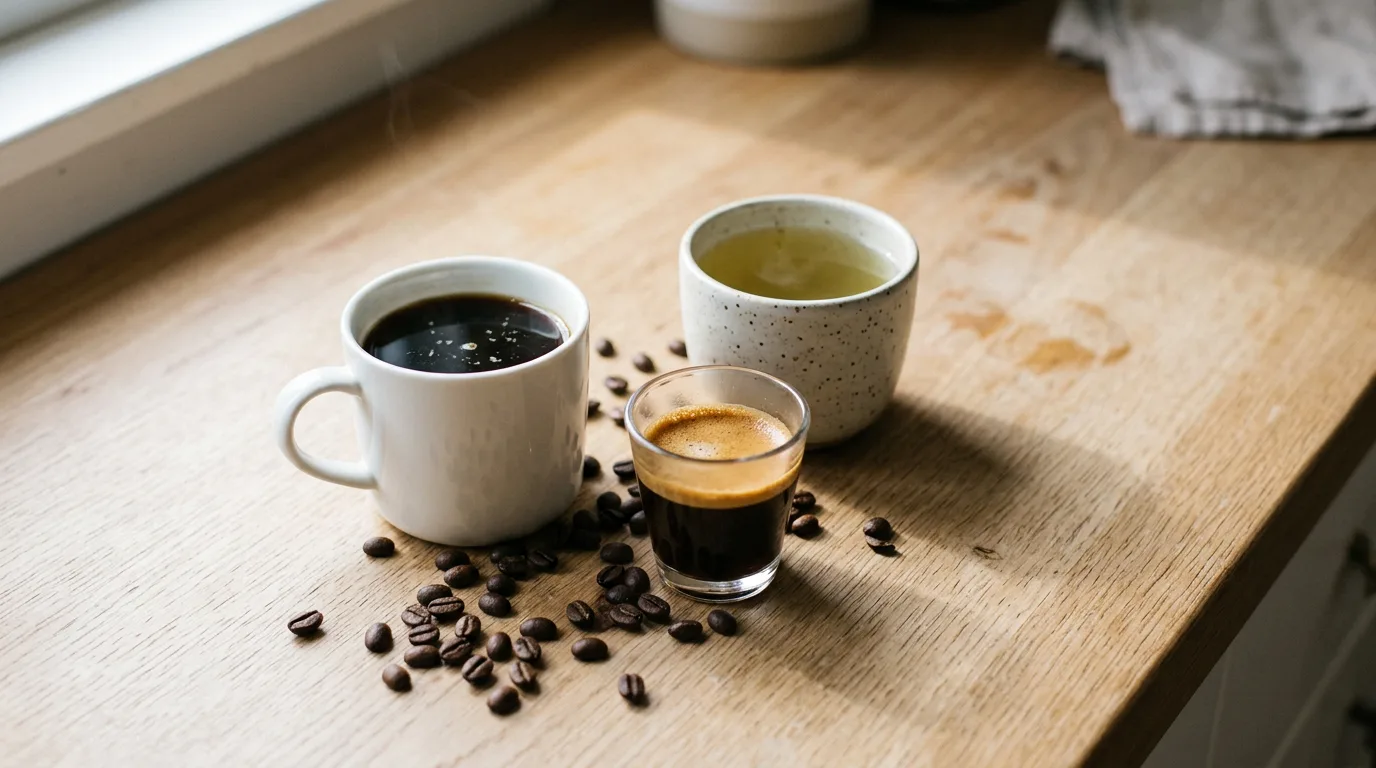
Most of the scary things people believe about caffeine are myths. For healthy adults, up to about 400 mg a day (roughly three to four 8-ounce cups of brewed coffee) is not linked to harm, and coffee is tied to a lower risk of several diseases. The real exceptions are pregnancy, some heart and digestive conditions, certain medications, children, and caffeine taken too close to bedtime.
Why I wrote this
I test espresso machines, grinders and brewers for a living, which means I drink a lot of coffee. Some days it's four or five espressos while I dial in a new machine.
So I hear every caffeine warning there is. Friends tell me it will wreck my heart. Relatives say it dehydrates me. Someone once told me decaf is "basically the same thing."
I wanted to know what was actually true. I went through 13 common beliefs using notes from a talk by two board-certified gastroenterologists, Dr. Sophie Balzora of NYU Grossman School of Medicine and Dr. Ugo Iroku of Mount Sinai Hospital, and checked them against FDA guidance and the research they referred to.
What this guide covers
- 13 caffeine myths, each with a clear verdict and the reasoning behind it.
- How caffeine actually works in your brain, so the answers make sense.
- Real caffeine numbers for coffee, espresso, tea, soda and decaf.
- Who should be more careful, because "safe for most people" isn't "safe for everyone."
This guide is for general information. It isn't medical advice. If you have a heart condition, a digestive disorder, are pregnant or take regular medication, talk to your doctor about your own limit.
Why caffeine myths are so sticky
Caffeine has been around for centuries, and so have the warnings about it. Some of the oldest ones date back to times when coffee houses were seen as dangerous places for political talk, not health risks.
Modern myths tend to come from three places. The first is old research. Early studies in the 1970s and 1980s often didn't separate coffee drinkers from smokers, and smokers drank a lot more coffee. Coffee got blamed for damage the cigarettes caused.
The second is guilt by association. Caffeine shows up in energy drinks, sugary sodas and dessert-style coffee drinks. When those drinks look unhealthy, caffeine takes the blame for the sugar.
The third is that caffeine really does have effects you can feel. A racing heart after a strong espresso or a bad night after a late latte is real. It's easy to jump from "I felt that" to "it must be harmful."
Better studies, with hundreds of thousands of people and proper adjustments for smoking and diet, have changed the picture over the last 20 years. That's why many doctors now talk about coffee as a potentially healthy habit rather than a vice.
How I judged each myth
- Myth: the belief is wrong for healthy adults at normal intakes.
- Mostly myth: the core belief is wrong, but there's a real effect or exception worth knowing.
- Depends: the answer changes a lot with the drink, the dose or the person.
First, how caffeine actually works
Most myths make more sense once you know what caffeine does. It doesn't give you energy in the way food does. It has almost no calories.
What it does is change how tired you feel. While you're awake, your brain builds up a chemical messenger called adenosine. The more adenosine binds to its receptors, the sleepier you feel.
Caffeine has a shape similar to adenosine. It sits in those receptors and blocks them. The adenosine is still there, but your brain can't "hear" it as well, so you feel more alert.
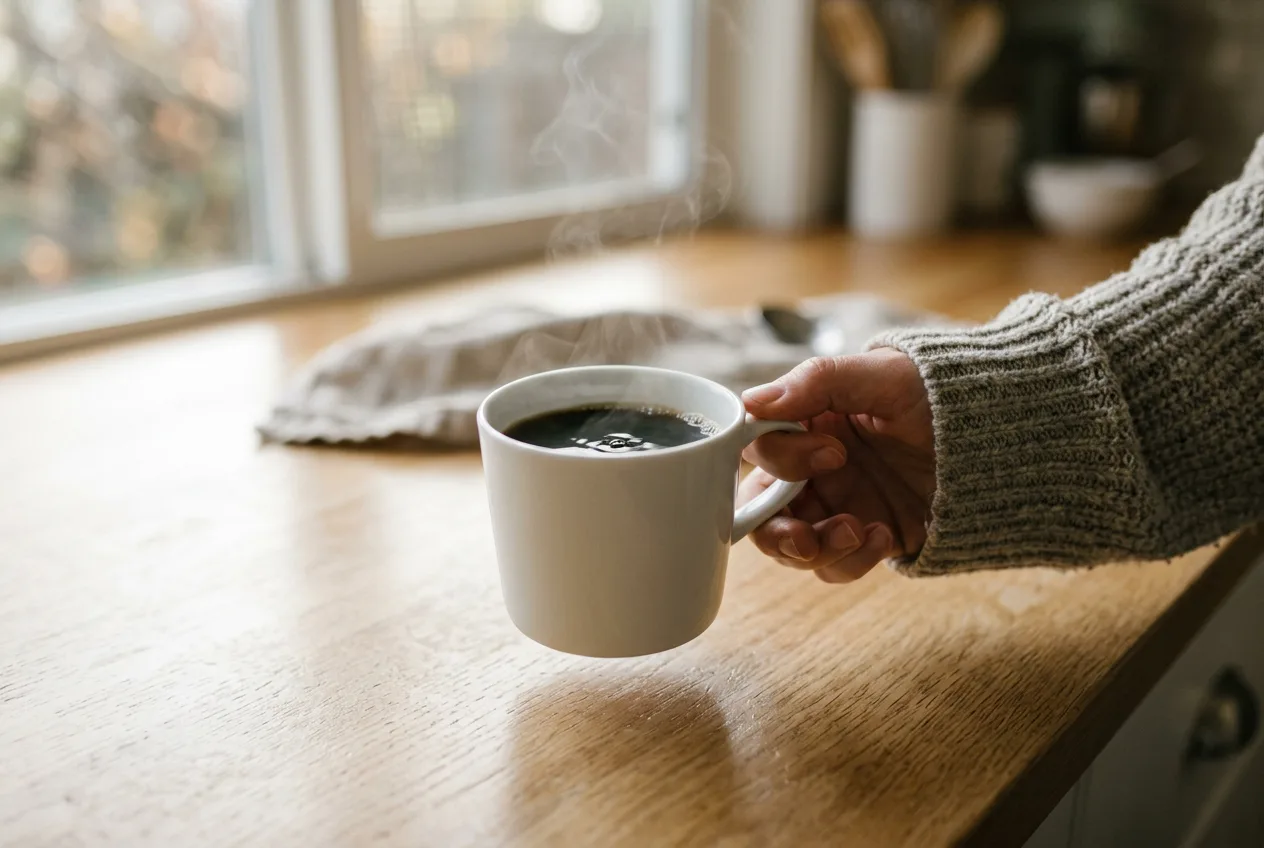
What happens after a cup
- Absorption (15 to 45 minutes)Caffeine is absorbed from your gut into your blood quickly. Most people feel the first effects within half an hour.
- Peak (about 30 to 60 minutes)Blood levels peak and adenosine receptors are most blocked. This is when you feel most alert.
- Breakdown in the liverLiver enzymes, mainly one called CYP1A2, break caffeine down. How fast this happens depends a lot on your genes.
- The wear-offAs caffeine clears, the adenosine that built up gets back to its receptors. That's the "crash" many people feel in the afternoon.
Keep this picture in mind. It explains why caffeine can't replace sleep, why some people sleep fine after an evening espresso, and why the morning headache after skipping coffee is real.
Myth 1: "Caffeine is bad for you"
Verdict: Myth. For most adults drinking normal amounts, caffeine isn't harmful. The research leans the other way.
The average person consumes less than 300 mg of caffeine a day. At that level, most of the health risks people worry about simply don't show up in studies.
The bone health worry
A common fear is that caffeine leaches calcium and causes osteoporosis. Caffeine does increase calcium loss in urine slightly.
But the doctors noted that a meaningful effect on bone density shows up at very high intakes, above about 700 mg a day. Below 300 mg, osteoporosis isn't a significant concern for the general population, especially if you get enough calcium.
Our tip: If bones are on your mind, a splash of milk in your coffee more than covers the small amount of calcium caffeine costs you.
What coffee is linked to
Coffee and caffeinated drinks contain compounds with anti-inflammatory and antioxidant effects. In large observational studies, regular coffee drinkers have lower rates of several serious diseases.
- Chronic liver disease, including fibrosis and cirrhosis.
- Some cancers, with links reported for colon, head and neck, liver and breast cancer.
- Type 2 diabetes and Parkinson's disease, two of the most consistent findings in the research.
- Stroke, with about three cups of coffee a day linked to a lower risk in some studies.
Tea shows a similar pattern. Regular tea drinking has been linked to up to a 20% lower stroke risk. Dark chocolate, another caffeine source, has related cardiovascular benefits.
One honest caveat: most of this comes from observational studies. They show coffee drinkers tend to be healthier, which doesn't prove the coffee caused it. Still, the pattern is consistent across many large studies and countries.
When doctors do say cut back
Some people are told to limit caffeine for good reason. That includes people with certain heart rhythm problems, uncontrolled high blood pressure, or severe reflux and gut disorders.
That's specific medical advice for specific people. It isn't evidence that caffeine is bad for everyone.
Myth 2: "Caffeine will make up for lost sleep"
Verdict: Myth. Nothing replaces sleep. Caffeine only changes how tired you feel, not how rested you are.
Remember the adenosine picture. Caffeine blocks the "you're tired" signal, but it doesn't remove the adenosine. It doesn't repair what sleep repairs either: memory, mood, immune function and the brain's overnight cleanup.
The cycle that keeps you tired
When the caffeine wears off, all that built-up adenosine hits its receptors at once. You crash. Many people reach for more coffee in the afternoon, which then cuts into the next night's sleep.
- Less REM sleep: caffeine late in the day can reduce the dream stage that matters for learning and mood.
- Shorter total sleep: especially when caffeine is taken within a few hours of bedtime.
- Tiredness that doesn't go away: more caffeine doesn't fix a sleep debt, it just hides it for a few hours.
I learned this the hard way during a week of testing three machines back to back. By Thursday I was on my sixth espresso and still felt foggy. One early night did more than any shot.
Our tip: If you're tired every afternoon, try moving your last coffee earlier before adding another cup. Better sleep usually beats more caffeine.
Myth 3: "Decaf coffee doesn't have caffeine"
Verdict: Myth. Decaf has much less caffeine, not zero.
Decaffeination removes most of the caffeine from green coffee beans before roasting. In the US, decaf is generally expected to have about 97% of the original caffeine removed. In the EU, decaf roasted coffee can contain no more than 0.1% caffeine.
The FDA says an 8-ounce cup of decaf typically has 2 to 15 mg of caffeine. A regular cup of brewed coffee usually has around 80 to 100 mg, and strong brews can go well above that.
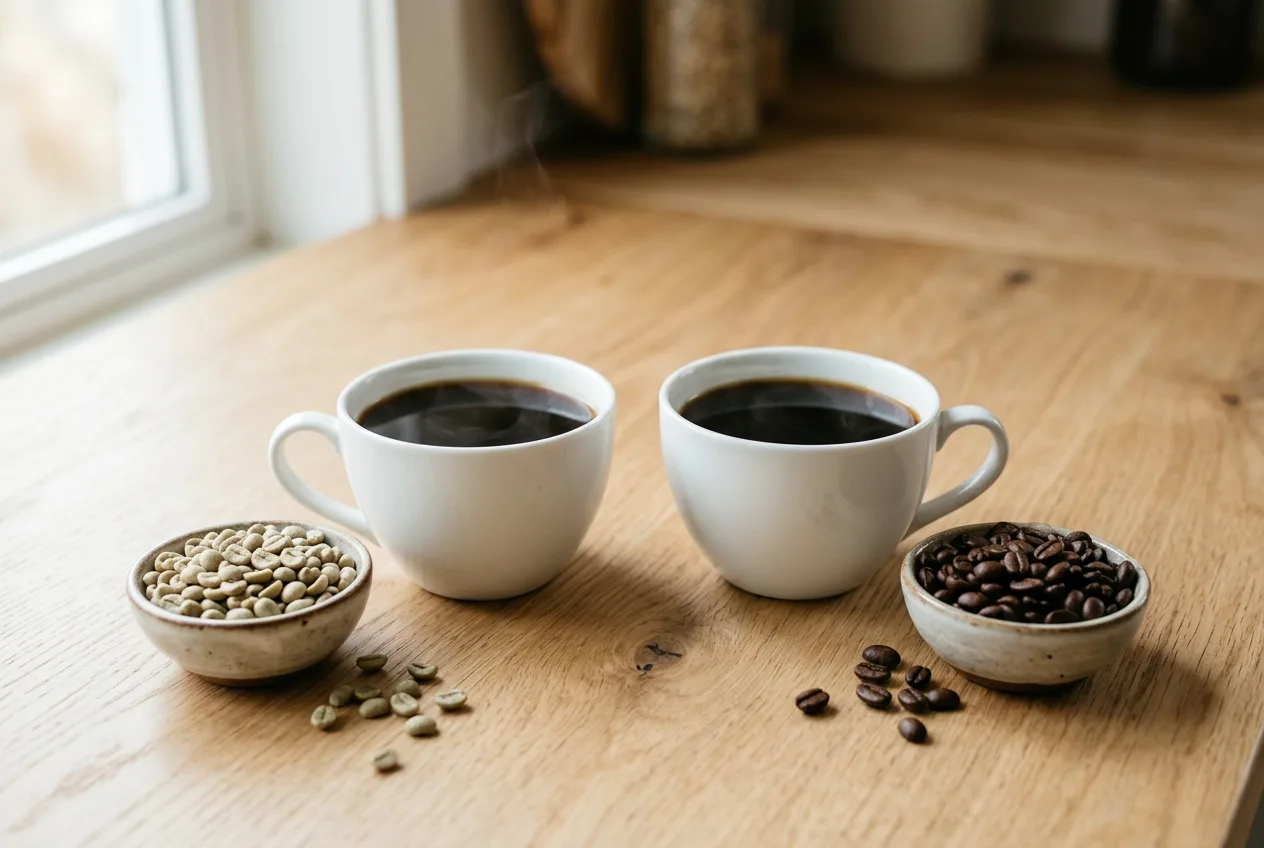
Caffeine per 8 oz cup: regular vs decaf
Based on FDA and USDA figures. Real cups vary with the beans and the brew.
Why decaf still matters to doctors
Gastroenterologists often suggest decaf to patients with acid reflux or GERD. They don't always need to cut caffeine to zero. Dropping from about 95 mg to around 15 mg per cup often eases symptoms while keeping the daily coffee ritual.
The flip side: if you're extremely sensitive to caffeine, or you drink five or six cups of decaf a day, those small amounts add up. Six strong cups of decaf could equal a small regular coffee.
I covered the methods in detail in my guide to how decaf coffee is made, including which processes keep the most flavor.
Myth 4: "Drinking coffee will stunt your growth"
Verdict: Myth. There's no good evidence that coffee affects how tall someone grows.
The idea came from old theories that caffeine drains calcium and magnesium from growing bones. As covered above, meaningful bone mineral loss only shows up at very high intakes, around 700 to 800 mg a day. That's eight or more cups of coffee.
Most height growth happens during childhood and the teenage years. Once the growth plates in the bones close in late adolescence, nothing in your diet changes your adult height.
What actually sets your height
- Genetics: the height of your parents and family is the biggest factor.
- Nutrition: getting enough protein, calories, calcium and vitamin D while growing.
- Overall health: chronic illnesses that affect appetite or absorption during childhood.
That said, "it won't stunt growth" isn't the same as "it's fine for kids." The American Academy of Pediatrics discourages caffeine for children and teens. Caffeine can affect their sleep, mood and heart rate, and sugary coffee drinks and energy drinks are a separate concern.
Myth 5: "Soda has much less caffeine than coffee"
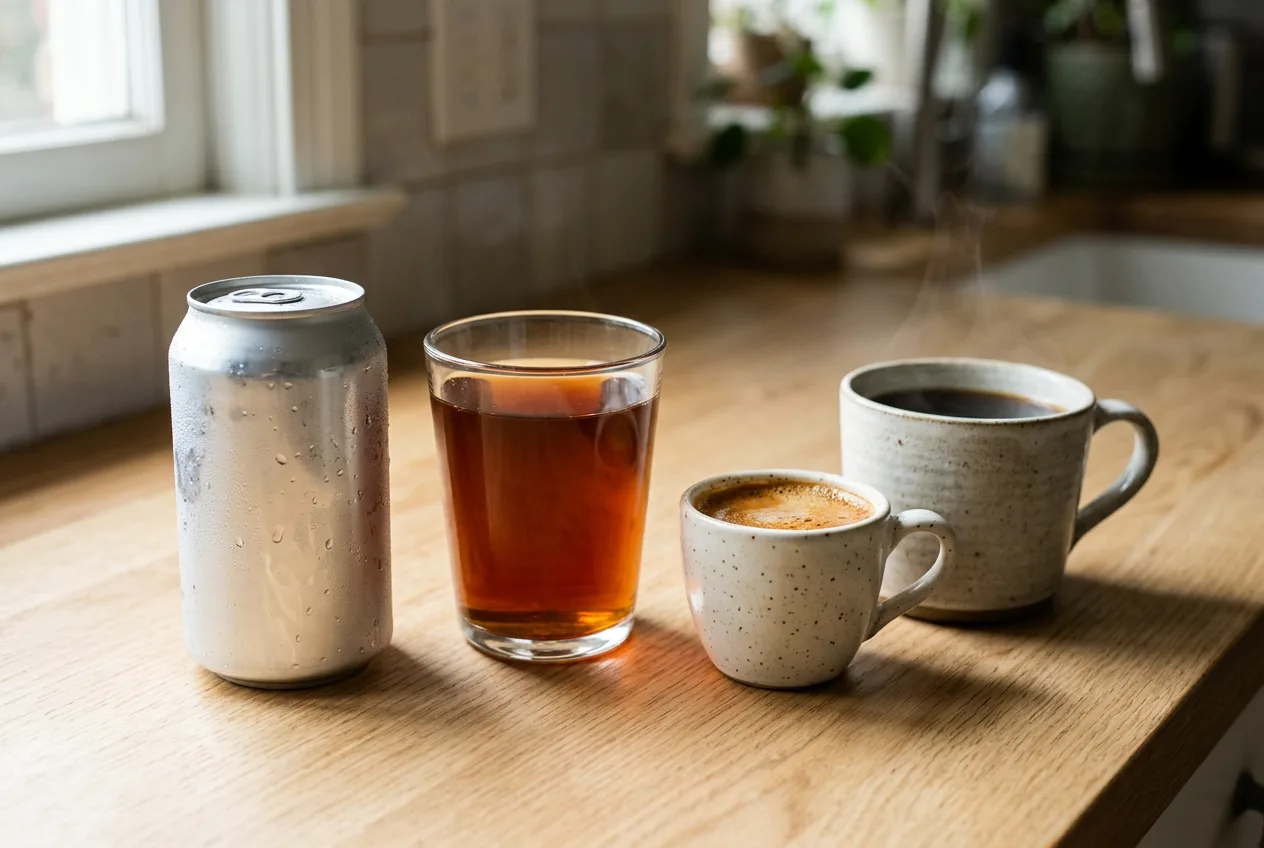
Verdict: Partly true, and it depends on the drink. A typical cola has less caffeine than a cup of brewed coffee, but the gap is smaller than people think, and some sodas are close to a cup of coffee.
The FDA lists caffeinated soft drinks at 23 to 83 mg per 12-ounce can. That's a huge range. A standard cola sits near the bottom, while some citrus and "zero sugar" sodas sit near the top.
| Drink | Serving | Typical caffeine |
|---|---|---|
| Cola | 12 oz can | 30 to 40 mg |
| Higher-caffeine sodas | 12 oz can | Up to about 83 mg |
| Black tea | 8 oz cup | 30 to 50 mg |
| Espresso | 1 oz single shot | About 63 mg |
| Instant coffee | 8 oz cup | About 60 to 80 mg |
| Brewed coffee | 8 oz cup | 80 to 100 mg |
| Large coffee-shop coffee | 16 oz | Often 200 mg or more |
Two things surprise people here. First, a single espresso shot has less caffeine than a regular mug of drip coffee, because the serving is so small. Second, a large soda in a 20- or 32-ounce cup can deliver as much caffeine as a cup of coffee.
Our tip: Check the label. US soda makers often list caffeine per serving, and it's the only way to know what you're really drinking.
Myth 6: "Caffeine detoxes your body"
Verdict: Myth. Caffeine doesn't flush toxins out of you, and neither does any other "detox" drink.
The idea of a detox product is that you can take something that pulls toxins out, whatever else you eat. That isn't how the body works. What matters is what goes in, not a drink that supposedly scrubs things out afterwards.
Please don't try coffee enemas
The detox idea has led some people to use coffee enemas. There's no proven benefit, and the risks are real.
- Burns to the delicate lining of the rectum and colon from hot or concentrated coffee.
- Inflammation and injury inside the colon.
- Bowel perforation, a tear that's a medical emergency.
Your body already has a detox system
You have organs built for this job, and they work around the clock.
| Organ | What it does |
|---|---|
| Kidneys | Filter the blood and remove waste in urine |
| Liver | Break down chemicals, drugs and harmful substances |
| Gut | Move solid waste out of the body |
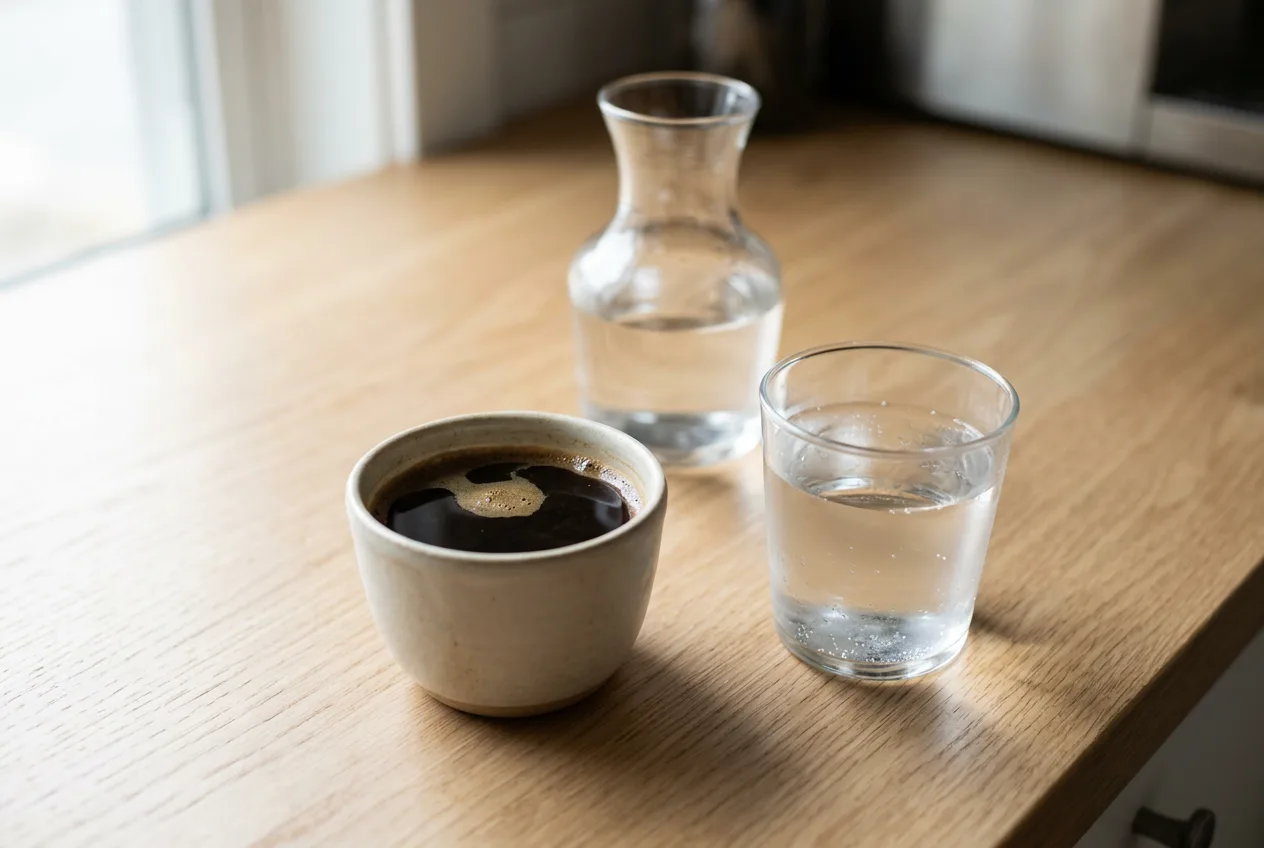
The one thing that helps all three is plain water. Staying hydrated keeps your kidneys filtering and your bowels moving. Coffee is fine to enjoy, but it isn't a cleanse.
Myth 7: "Caffeine dehydrates you"
Verdict: Myth. Caffeine is a mild diuretic, but a cup of coffee still adds to your hydration.
About 300 mg of caffeine may increase urine output by roughly 4 fluid ounces. But a cup of brewed coffee is more than 98% water. You take in far more fluid than you lose.
Three 8 oz coffees: fluid in vs extra fluid out
Rough figures to show the scale. Regular drinkers also build tolerance to the diuretic effect.
Why you might feel thirsty after coffee
- Sugar and syrups: very sweet drinks can make you thirstier.
- Not drinking enough overall: many people rely on morning coffee and drink little water the rest of the day.
Coffee counts toward your daily fluids. It just shouldn't be your only drink. I went deeper on this in does coffee dehydrate you.
Myth 8: "Caffeine is addictive"
Verdict: Mostly myth. Caffeine causes dependence, but it doesn't fit the clinical picture of addiction that drugs like nicotine or alcohol do.
The doctors drew a clear line here. Plenty of people need their morning cup and feel rough without it. That's physical dependence. Addiction, in medical terms, means compulsive use despite clear harm, loss of control and serious consequences, and caffeine rarely looks like that.
To be fair to the other side, caffeine withdrawal is a recognized diagnosis, and researchers do study problem caffeine use. So "you can get hooked" is a reasonable thing to say. "It's like a hard drug" is not.
What quitting cold turkey feels like
Stopping suddenly isn't medically dangerous, unlike stopping alcohol or some medications. But you'll probably notice it.
- Days 1 to 2: the worst partHeadache, sluggishness, low mood and irritability usually start 12 to 24 hours after your last cup.
- Days 3 to 7: easing offMild tiredness and feeling a bit "off" while your brain adjusts its adenosine receptors.
- After week 1: back to normalMost symptoms are gone and your energy settles at a new baseline without caffeine.
Our tip: To cut back without the headaches, reduce by about half a cup every few days, or mix regular and decaf beans and shift the ratio over two weeks.
Myth 9: "More than one cup of coffee a day is bad for you"
Verdict: Myth. For healthy adults, several cups a day is fine.
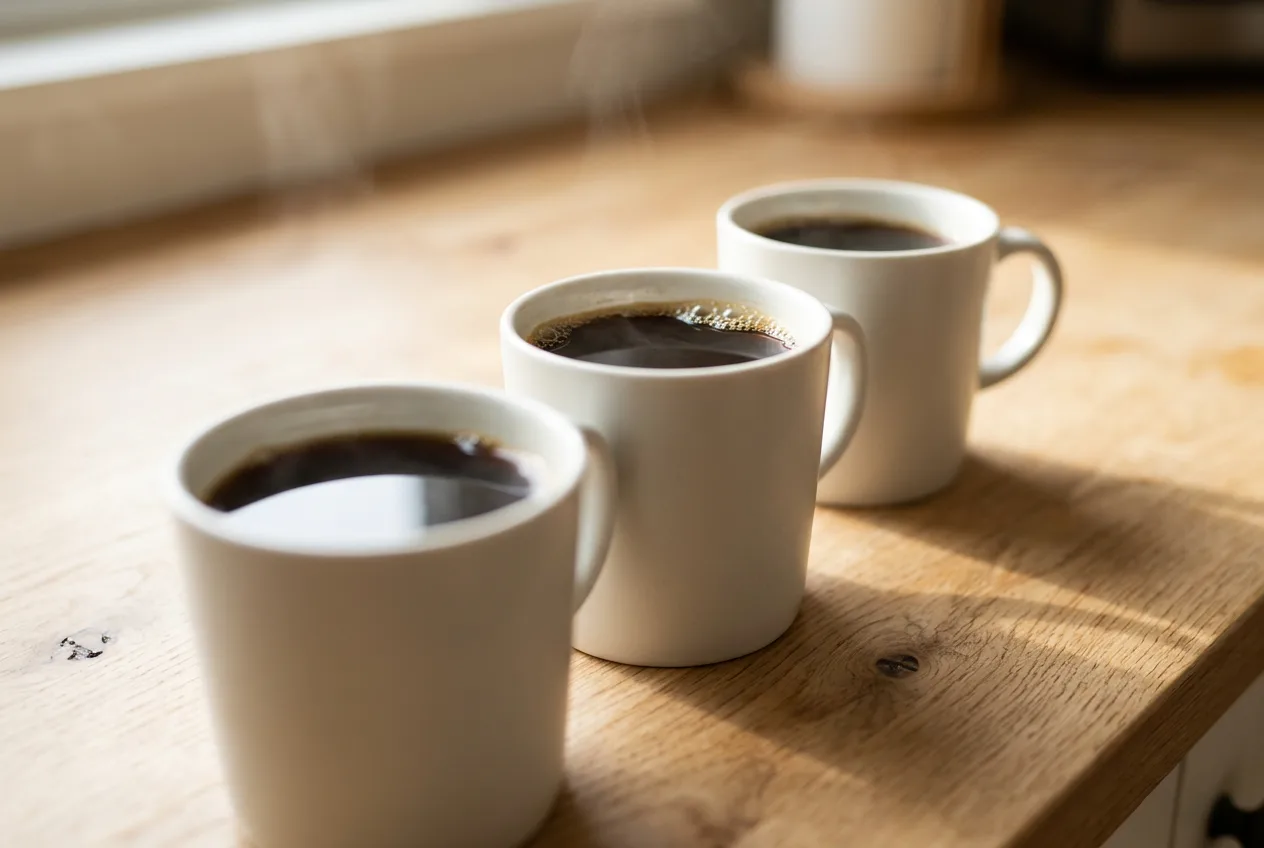
The FDA cites 400 mg of caffeine a day as an amount not generally linked to negative effects for most adults. Depending on strength, that's about three to four 8-ounce cups of brewed coffee.
Watch the cup size
A "cup" in nutrition terms is 8 ounces. A large coffee-shop drink is often 16 or 20 ounces, which is two or two and a half "cups." That's where people go over 400 mg without noticing.
How fast you reach 400 mg
Estimates. Strong brews, robusta blends and large servings reach the limit faster.
Who needs a lower limit
- Pregnant people: ACOG advises keeping caffeine under 200 mg a day.
- People with heart conditions: some arrhythmias or severe high blood pressure may need limits set by a cardiologist.
- People with gut conditions: severe reflux, gastritis or IBS can flare with larger doses.
- People on certain medications: some drugs slow how fast caffeine is cleared, so ask your pharmacist.
For a full breakdown of limits and warning signs, see how much coffee is too much.
Myth 10: "You won't be able to sleep if you have caffeine at night"
Verdict: Mostly myth. It depends on the person, the dose and how tired you are. But caffeine near bedtime usually makes sleep worse, even if you do fall asleep.
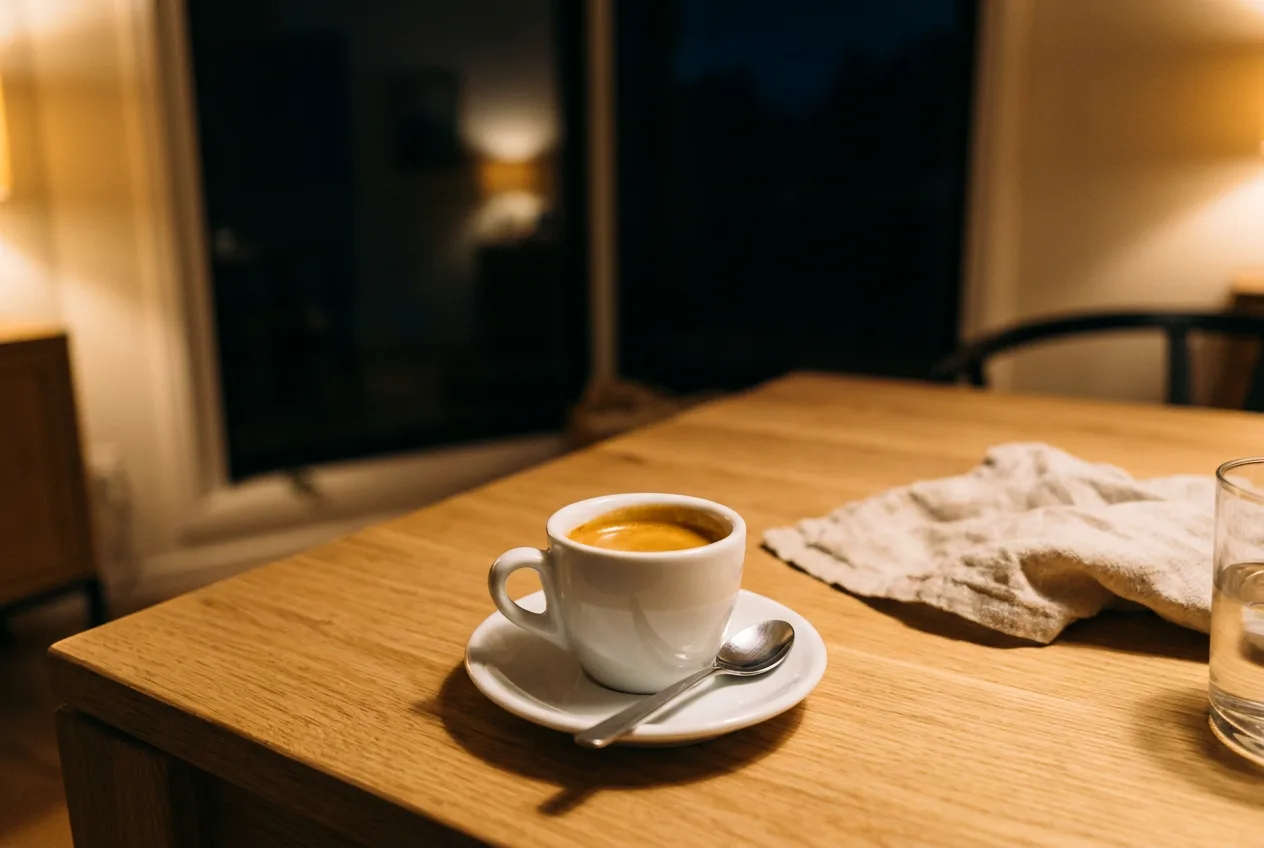
Some people can have an espresso after dinner and fall asleep easily. Others lie awake after a 3 p.m. latte. A big part of the difference is genetic: how fast your liver enzymes clear caffeine.
The half-life math
Caffeine's average half-life is about five hours, though it can range from about two to ten hours between people. Here's how a 200 mg coffee at 3 p.m. plays out for an average person.
A 200 mg coffee at 3 p.m.
Based on an average five-hour half-life. Fast metabolizers clear it sooner; slow metabolizers, pregnant people and some medication users clear it slower.
Why some people still fall asleep
Caffeine isn't the only thing in play. Your sleep drive also depends on how long you've been awake, how active you were and your body clock. After a long, physical day, that natural sleep pressure can override a moderate dose.
But falling asleep isn't the full story. Caffeine close to bed tends to reduce deep sleep and total sleep time, even in people who don't notice. More on timing in my guide to coffee and sleep.
Our tip: A good default is no caffeine within eight hours of bedtime. If you go to bed at 11 p.m., make 3 p.m. your last regular coffee and switch to decaf after.
Myth 11: "Caffeine can mess with your heart rhythm"
Verdict: Mostly myth for healthy people. Large studies don't show that moderate coffee drinking causes arrhythmias.
The biggest study on this looked at more than 380,000 people in the UK Biobank, published in JAMA Internal Medicine in 2021. It found no increase in arrhythmia risk from moderate coffee drinking. In fact, each extra daily cup was linked to about a 3% lower risk of developing an arrhythmia.
The researchers also looked at genes that affect how fast people break down caffeine. Those genes didn't change the results, which makes it less likely the finding is a coincidence.
What you might feel
- Palpitations: a brief feeling that your heart is racing or pounding, especially after a strong dose.
- A short blood pressure bump: a temporary rise after caffeine, most noticeable in people who don't drink it often.
In healthy hearts, these effects are temporary and not dangerous. Regular drinkers also build tolerance, so the blood pressure response tends to fade.
If you already have a heart condition, or palpitations come with dizziness, chest pain or fainting, see a doctor. That's not a coffee question, it's a heart question.
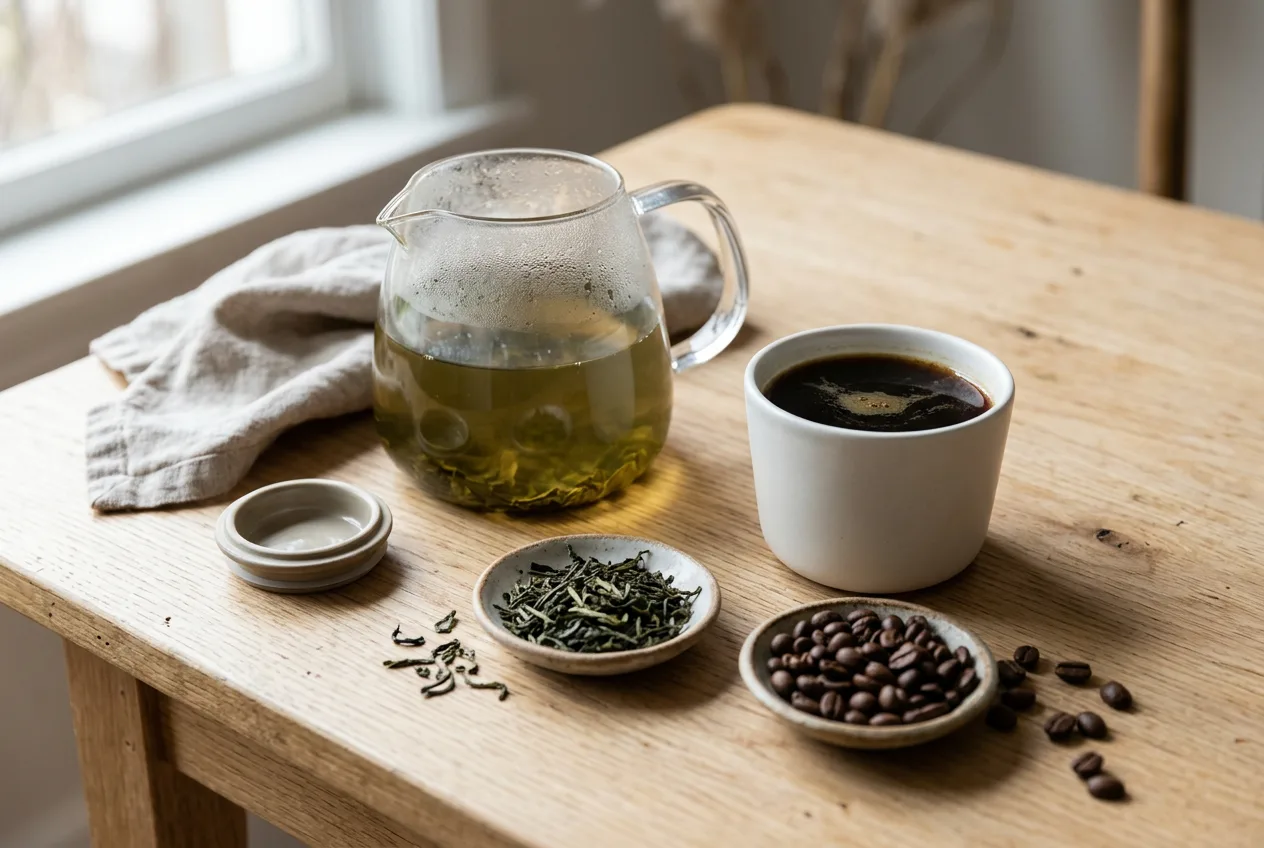
Myth 12: "Tea is healthier than coffee"
Verdict: Myth. Neither is clearly healthier. Both are good for you plain, and both stop being healthy when you load them with sugar.
Coffee's quiet strength
Coffee is one of the biggest sources of antioxidants in many people's diets. For people who don't eat much fruit and vegetables, it can be one of their main sources of plant polyphenols.
Coffee has also been studied for decades, in huge numbers of people. That's why the evidence for its links to lower liver, metabolic and brain disease risk is so strong.
"Tea" covers a lot of drinks
People often assume tea is always low in caffeine and gentler. But tea is a broad word.
| Tea | Plant | Caffeine |
|---|---|---|
| Black tea (e.g. Earl Grey) | Camellia sinensis | Moderate |
| Green tea | Camellia sinensis | Low to moderate |
| Matcha | Camellia sinensis (whole leaf powder) | Moderate to high |
| Rooibos | Aspalathus linearis | None |
My take: drink whichever you enjoy. A plain black coffee and a plain green tea are both good choices. A 500-calorie frappé and a sugar-loaded bubble tea are both treats.
Myth 13: "The way you prepare your coffee doesn't matter"
Verdict: Myth. How you brew changes how much caffeine ends up in your cup, sometimes by a lot.
This is the one I deal with every day. Caffeine dissolves in water, and four brewing factors control how much of it you pull out of the grounds.
- Grind sizeFiner grounds have more surface area, so water extracts caffeine faster and more fully. Coarse grounds extract less.
- Brew timeThe longer water stays in contact with the coffee, the more caffeine dissolves.
- Water temperatureHotter water extracts caffeine and other compounds faster than cooler water.
- Ratio and dilutionMore coffee per cup means more caffeine. Adding water afterwards spreads it out per ounce but doesn't remove any.
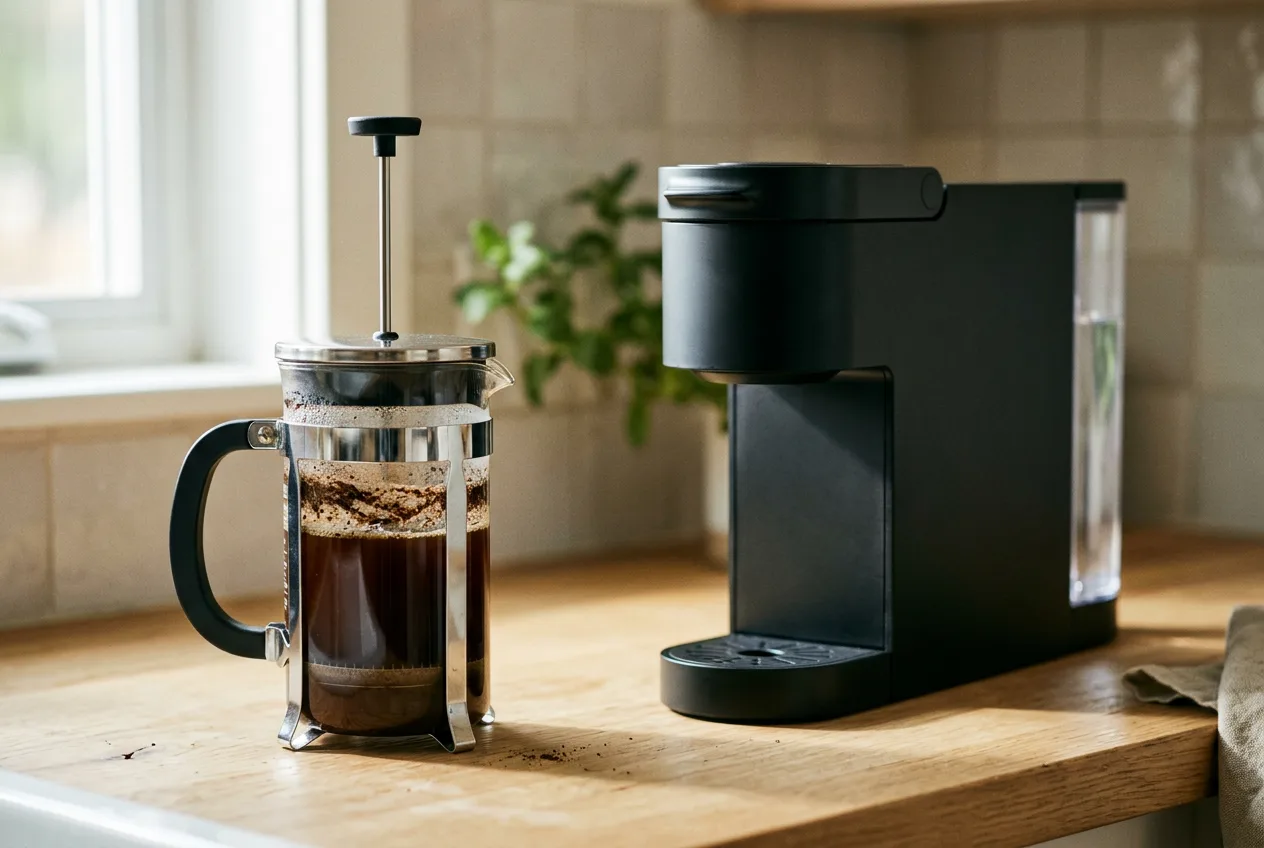
Pods vs French press
Single-serve pods use fine grounds, very hot water and pressure. Even with a short brew, they often land around 75 to 150 mg per cup depending on the pod.
A French press steeps for about four minutes, which sounds like a lot. But it needs a coarse grind so grounds don't slip through the mesh. The coarse grind limits extraction, so it doesn't always produce the "strongest" cup people expect. The amount of coffee you use matters more.
The bean matters too
Before you even brew, the species sets the starting point. Robusta beans have roughly twice the caffeine of arabica. A robusta-heavy espresso blend can pack noticeably more caffeine than a 100% arabica one. I compared the two in arabica vs robusta.
Roast level matters less than people think. Dark roast tastes stronger, but per scoop the caffeine difference is small. By weight, it's close to the same.
Our tip: If you want a gentler cup without switching to decaf, use 100% arabica beans, a medium-coarse grind and a slightly smaller dose. You'll cut caffeine without losing much flavor.
A gastroenterologist's angle: caffeine and your stomach
Since these notes come from two gut doctors, it's worth saying a little about coffee and digestion. This is where most people actually feel coffee's downsides.
Coffee stimulates the gut. For many people, a morning cup gets the bowels moving within 20 minutes or so. That's partly the caffeine and partly other compounds in coffee, since decaf can do it too.
Coffee can also relax the valve between the stomach and the esophagus a little, and it increases stomach acid. In people prone to reflux, that can mean heartburn.
Gentler ways to drink coffee
- Don't drink it on an empty stomach if you get heartburn. Have it with or after breakfast.
- Try a darker roast or cold brew. Many people with sensitive stomachs find them easier, though results vary.
- Go smaller. A single espresso has less caffeine and less liquid than a large mug.
- Switch some cups to decaf, the approach many gastroenterologists suggest for reflux.
If coffee regularly gives you pain, heartburn or diarrhea, that's worth mentioning to your doctor. It can be a clue to an underlying condition rather than just a coffee problem.
Caffeine in common drinks, side by side
Many of these myths come down to not knowing how much caffeine is really in a drink. Here's a fuller reference, using typical values from the FDA, USDA and manufacturers.
| Drink | Serving | Typical caffeine | Share of 400 mg |
|---|---|---|---|
| Decaf coffee | 8 oz | 2 to 15 mg | Under 4% |
| Green tea | 8 oz | About 30 mg | About 8% |
| Cola | 12 oz | 30 to 40 mg | About 9% |
| Black tea | 8 oz | 40 to 50 mg | About 11% |
| Espresso, single | 1 oz | About 63 mg | About 16% |
| Instant coffee | 8 oz | 60 to 80 mg | About 18% |
| Energy drink | 8.4 oz | About 80 mg | About 20% |
| Brewed coffee | 8 oz | 80 to 100 mg | About 24% |
| Espresso, double | 2 oz | About 125 mg | About 31% |
| Cold brew | 16 oz | 150 to 250 mg | 40% to 60% |
Treat these as ballpark numbers. Coffee caffeine varies with the beans, the dose and the method. Two "regular coffees" from different cafés can differ by 100 mg or more.
Who should be more careful with caffeine
Debunking myths doesn't mean caffeine suits everyone. These are the groups where the usual "up to 400 mg" doesn't apply, or needs a conversation with a doctor.
| Group | Why | What to do |
|---|---|---|
| Pregnant or breastfeeding | Caffeine crosses the placenta and clears more slowly in pregnancy | Stay under 200 mg a day, per ACOG |
| Children and teens | Smaller bodies; effects on sleep, mood and heart rate | The AAP discourages caffeine; avoid energy drinks |
| Heart conditions | Some arrhythmias and uncontrolled blood pressure | Follow your cardiologist's limit |
| Reflux, gastritis, IBS | Caffeine and coffee acids can trigger symptoms | Try smaller cups, decaf or cutting back during flares |
| Anxiety or panic disorder | Caffeine can mimic or worsen anxiety symptoms | Notice how you react and lower the dose |
| Certain medications | Some drugs slow caffeine breakdown or interact with it | Ask your pharmacist |
A useful rule from the doctors: listen to your body. Jitters, anxiety, a pounding heart, an upset stomach or poor sleep are signs you've had more than suits you, whatever the official number says.
How I keep my own caffeine in check
Testing coffee gear means I could easily drink 800 mg a day without trying. After going through this research, here's what I actually do.
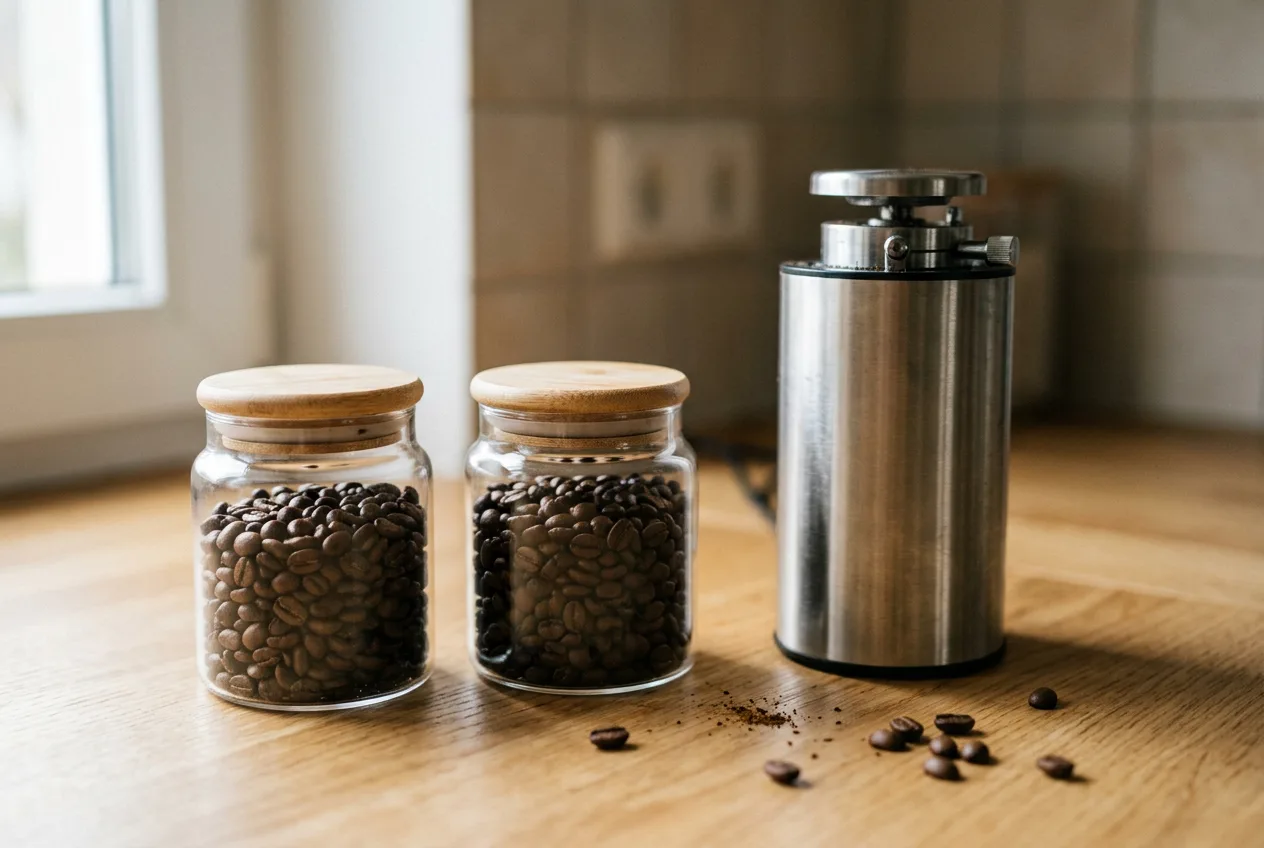
- I taste, I don't always finishWhen I'm dialing in a machine, I sip each shot and pour the rest away. I don't need to drink 12 espressos to judge them.
- I switch to decaf after 2 p.m.Afternoon testing gets done with decaf beans. Extraction behaves almost the same, and my sleep is much better.
- I count by milligrams, not cupsA double espresso and a 16 oz drip are very different doses. I think in rough milligrams now.
- I drink water with every coffeeNot because coffee dehydrates me, but because I'd otherwise drink nothing else all morning.
- I keep it simpleMost of my coffee is black or with a little milk. Syrups and sugar are where coffee stops being a healthy habit.
Our tip: Keep a bag of good decaf beans next to your regular ones. Having it ready is what makes the afternoon switch actually happen.
Three more caffeine myths, quickly
The doctors covered 13, but readers ask me about a few others all the time. Here are short answers.
"Espresso has more caffeine than regular coffee"
Per ounce, yes. Per serving, no. A single espresso has about 63 mg in one ounce, while an 8-ounce mug of drip coffee has around 95 mg. Espresso is more concentrated, but you drink far less of it.
"Cold brew is low in caffeine"
Often the opposite. Cold brew uses a lot of coffee and a long steep, so a 16-ounce cafe cold brew can carry 150 to 250 mg. It tastes smoother and less acidic, which makes it easy to underestimate.
"Adding milk cancels out the caffeine"
Milk changes the taste and can slow absorption a little when you drink it with food, but it doesn't remove caffeine. A latte made with a double shot still has a double shot's worth of caffeine, roughly 125 mg, however much milk is in the cup.
The pattern across all of these is the same. Taste is a poor guide to caffeine. A smooth, mild-tasting drink can be strong, and a bitter, dark one can be modest. If you want to know your dose, look at the serving size and how the drink was made, not how it tastes.
Our tip: When ordering at a cafe, ask how many shots go into your drink. It's the quickest way to estimate your caffeine on the spot.
All 13 myths at a glance
The verdict
After going through all 13, my conclusion is simple. For healthy adults, caffeine is far less dangerous than its reputation, and coffee in particular has a strong record in the research.
The things that really matter are dose, timing and what you add. Stay around 400 mg or less, keep caffeine away from bedtime, and don't turn coffee into dessert.
The exceptions are real. If you're pregnant, have a heart or gut condition, take regular medication, or are a parent deciding for a child, your limit is lower and worth discussing with a doctor. For everyone else, enjoy your coffee without the guilt.
Frequently asked questions
Is caffeine actually bad for you?
For most healthy adults, no. Up to about 400 mg a day isn't linked to harm, and coffee drinking is associated with lower risks of liver disease, type 2 diabetes, Parkinson's disease and some cancers. Some people with heart, gut or other conditions are advised to limit it.
How much caffeine is in decaf coffee?
An 8-ounce cup of decaf typically has 2 to 15 mg of caffeine, compared with about 80 to 100 mg in regular brewed coffee. It's much less, but not zero.
Does coffee really stunt your growth?
No. There's no good evidence that coffee affects height. Genetics, nutrition and overall health set how tall you grow. Pediatricians still discourage caffeine for children and teens for other reasons, like sleep.
Does a can of soda have more caffeine than espresso?
Usually not. A typical 12-ounce cola has about 30 to 40 mg, while a single espresso shot has about 63 mg. Some higher-caffeine sodas reach about 80 mg per can, which is more than a single shot.
Is it dangerous to quit caffeine cold turkey?
It isn't medically dangerous. You may get headaches, tiredness and irritability for a few days, usually worst on days one and two, and mostly gone within a week. Cutting back gradually avoids most of it.
How late can I drink coffee and still sleep well?
A good rule is to stop caffeine about eight hours before bed. Caffeine has an average half-life of about five hours, so an afternoon coffee is still partly in your system at night.
Can coffee cause heart palpitations?
A strong dose can cause brief palpitations or a short rise in blood pressure, especially if you don't drink coffee often. In healthy people this isn't dangerous, and large studies show moderate coffee doesn't raise arrhythmia risk. If palpitations come with dizziness or chest pain, see a doctor.
Is green tea better for you than coffee?
Not clearly. Both contain beneficial antioxidants and both are linked to health benefits when drunk plain. Choose whichever you enjoy and keep sugar and syrups to a minimum.
Does dark roast have more caffeine?
Not really. Dark roast tastes stronger, but the caffeine difference by weight is small. The bean species, your dose and the brew method matter far more.
How much caffeine is safe during pregnancy?
The American College of Obstetricians and Gynecologists advises keeping caffeine under 200 mg a day during pregnancy. That's about two 8-ounce cups of brewed coffee. Talk to your doctor or midwife about your own situation.

- Michael Reynolds, notes from daily coffee testing and caffeine habits
- Doctors Debunk 13 Caffeine Myths, with gastroenterologists Dr. Sophie Balzora and Dr. Ugo Iroku
- Spilling the Beans: How Much Caffeine is Too Much?, U.S. Food and Drug Administration
- Coffee Doesn't Raise Your Risk for Heart Rhythm Problems, UCSF (JAMA Internal Medicine, 2021)
- Caffeine: How much is too much?, Mayo Clinic
- How much coffee can I drink while pregnant?, American College of Obstetricians and Gynecologists
Related guides
How much coffee is too much? Coffee and sleep Does coffee dehydrate you? Health benefits of coffee How decaf coffee is madeWritten by Michael Reynolds. Last updated November 19, 2026.