Why Does Coffee Make You Poop? The Science Behind Coffee and Your Gut
For a lot of people, the first coffee of the day is followed within minutes by an urgent trip to the bathroom. That's far too fast for the coffee to have traveled through your gut. Here is what's actually going on, from the nerves in your intestines to the bacteria in your colon, and why decaf can do it too.
We choose products independently. When you buy through links on HouseholdMe we may earn a commission, at no extra cost to you. Affiliate policy

Coffee makes you poop mainly by switching on the muscles of your colon through your gut's own nervous system, not by rushing through your digestive tract. Lab research suggests coffee triggers intestinal contractions through muscarinic receptors, the same kind of receptors your nerves use to tell gut muscles to squeeze. That pushes along waste that was already in your colon, which is why the urge can arrive within minutes. Coffee also boosts stomach acid and gut hormones and feeds certain gut bacteria. Caffeine isn't the whole story: decaf can have the same effect.
Why I wrote this
Let's be honest: this is one of the most searched coffee questions there is, and one of the least talked about over an actual cup of coffee.
I've tested coffee machines for years, often drinking several espressos in a morning. I know exactly where the nearest bathroom is in every café I work from.
What always puzzled me was the speed. Food takes many hours, often more than a day, to travel through your digestive system. Yet the effect of coffee can show up after a few sips. How?
The answer turns out to be a neat piece of biology involving your gut's own nervous system. Here's what researchers have found, explained without the jargon, plus some practical advice if you want to make the most of it, or less of it.
The usual caveat applies: I'm not a doctor. If you have ongoing gut symptoms, see one.
The coffee urge
For many people, a cup of coffee brings an almost immediate need to use the bathroom. For some, it's strong and predictable enough to be part of the reason they drink coffee in the morning at all.

The effect often starts within minutes of the first sip. That timing is the key clue.
Normal digestion moves food through several stages: the stomach, the small intestine and then the large intestine, or colon. That journey takes many hours. Nothing you drink reaches your colon in five minutes.
So when coffee sends you to the bathroom soon after drinking it, the coffee itself isn't what's coming out. Instead, coffee seems to switch on processes that move along what's already in your colon.
Those processes involve your nerves, your gut muscles, your stomach secretions and even the bacteria living in your gut. Each plays a part, and together they explain why the effect is so strong, and why it doesn't depend entirely on caffeine.
A quick tour of your digestive system
To see why coffee's effect is so surprising, it helps to know how long the normal journey takes.
| Stage | What happens | Typical time |
|---|---|---|
| Mouth and esophagus | Chewing, swallowing, saliva starts digestion | Seconds |
| Stomach | Acid and enzymes break food down | About 2–5 hours (liquids faster) |
| Small intestine | Most nutrients are absorbed | About 2–6 hours |
| Colon | Water is absorbed, waste is formed | About 10–60 hours |
All in, food usually takes somewhere between one and three days to pass through, with huge variation between people.
Against that timeline, a bathroom trip five or ten minutes after your first sip of coffee clearly can't be the coffee itself. What leaves your body is yesterday's meals. Coffee is simply the signal that sets things in motion.
That shifts the question from "how does coffee get through so fast?" to "how does coffee tell the colon to move?" And that's a question about nerves, muscles and chemical signals.
How common is it?
Not everyone gets the coffee urge. Surveys suggest that roughly a third of people notice a need to go after coffee, while many others feel nothing special at all.
Women appear to report it somewhat more often than men in some surveys, and people with sensitive guts, including those with irritable bowel syndrome, are often more affected.
Habit matters too. Your colon is naturally more active in the morning, especially after waking and eating. If you drink coffee at the same time every morning, your body may also learn to expect a bathroom trip around then.
Age may play a part as well. Some people find the effect becomes more noticeable, or less, as their digestion changes over the years. Diet, medications and stress levels all shift how reactive the gut is from one season of life to the next.
So if your partner swears by coffee for regularity and you've never noticed a thing, you're both normal. Individual differences are huge.
What coffee does to your stomach
The stomach is the first stop. It produces gastric juice, a mix of hydrochloric acid and digestive enzymes that starts breaking food down.
Research shows that coffee increases the production of these gastric secretions. That can support digestion by creating the acidic environment the stomach needs.

But more stomach acid doesn't mean food leaves the stomach faster. The process of moving stomach contents into the small intestine is called gastric emptying, and coffee doesn't speed it up much, even while it boosts acid production.
That distinction matters. The stomach can make more juice without pushing its contents along any faster.
It also explains the after-dinner espresso tradition. There's some science behind the idea that coffee "helps digestion," because it stimulates gastric secretions. But it doesn't make your whole meal move through faster.
One more interesting finding: both regular and decaf coffee increase stomach secretions. So caffeine isn't responsible for all of coffee's digestive effects.
Still, more stomach acid doesn't explain the sudden bathroom urge. For that, we need to look further down.
Our tip: If coffee gives you heartburn or an acidic stomach, try having it with food rather than on an empty stomach, or try a darker roast or cold brew, which many people find gentler.
Gut hormones: chemical messengers
Besides acid, coffee also seems to raise the levels of certain digestive hormones. Two that researchers often mention are gastrin and cholecystokinin.
Gastrin is released in the stomach and stimulates acid production. It can also nudge activity in the colon.
Cholecystokinin is released in the small intestine. It helps with fat digestion and has been linked with increased activity in the lower gut too.
These hormones may contribute to coffee's overall effect. But like stomach acid, hormone changes alone don't fully explain how quickly some people feel the urge. The faster pathway runs through nerves.
Coffee and your gut bacteria
Your gut microbiome is the community of trillions of microorganisms living in your digestive tract, mostly in your colon.
These bacteria help process food, produce useful substances, support the lining of your gut and interact with your immune system.

What you eat has a big influence on which bacteria thrive. Different foods feed different populations, and coffee is no exception.
Regular coffee drinking has been linked with distinct patterns in gut bacteria. Researchers identified one bacterium in particular, Lawsonibacter asaccharolyticus, that shows up much more often in coffee drinkers.
That's a striking finding: a single daily habit linked to a specific bacterial species. Coffee contains compounds that may act as food for certain microbes, helping them grow.
Butyrate: a helpful byproduct
Some gut bacteria produce a substance called butyrate when they break down compounds from your diet.
Butyrate is a short-chain fatty acid. It's a main energy source for the cells lining your colon, helps keep the gut barrier strong and is involved in calming inflammation.
The chain from coffee to Lawsonibacter to butyrate offers one possible explanation for some of the positive health associations seen in coffee drinkers.
But an association isn't proof. Finding a bacterium more often in coffee drinkers doesn't prove coffee causes every related benefit. The microbiome is shaped by diet, lifestyle, medications, age and individual differences, and coffee is just one piece.
Phenolic compounds: food for microbes
Coffee is a complex mix of natural chemicals. Among the most important are phenolic compounds, which give coffee much of its chemical character.
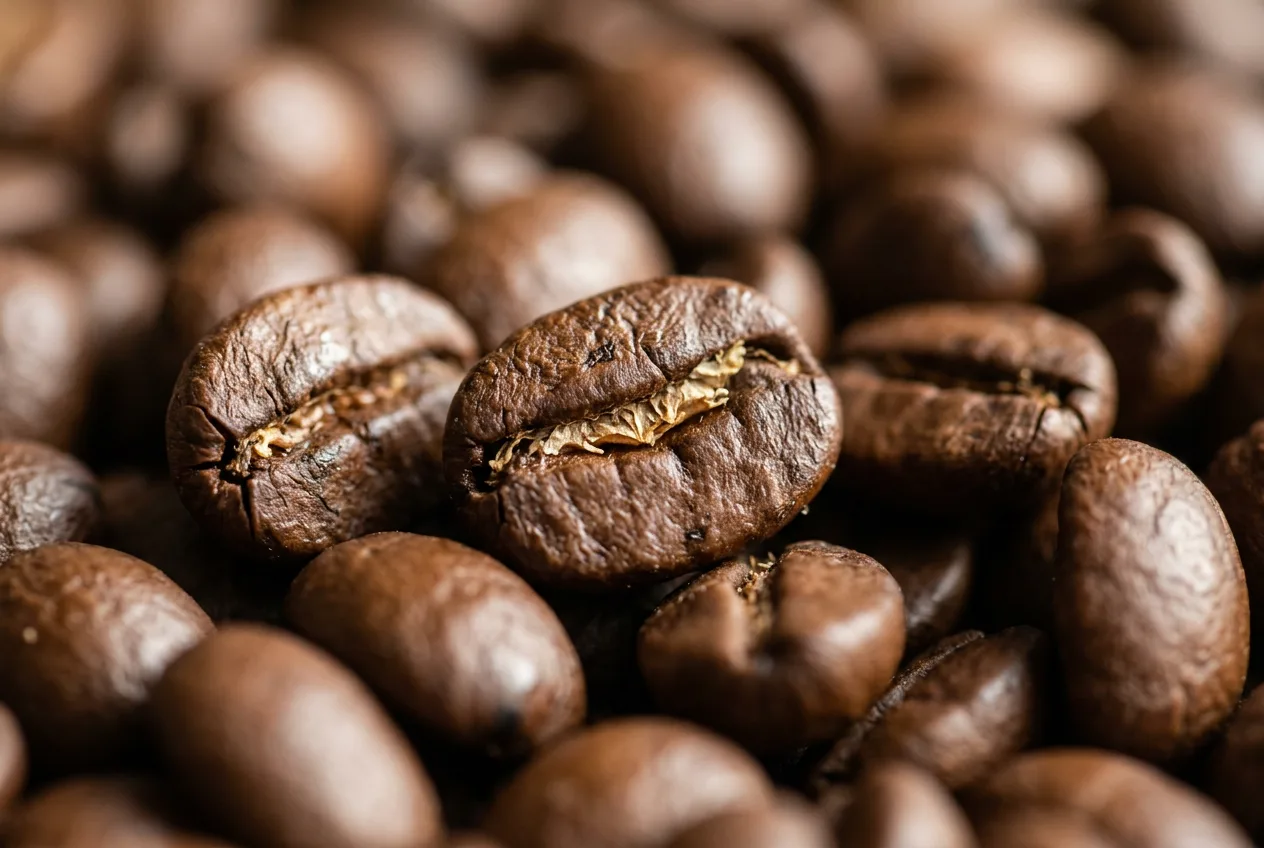
Some gut bacteria can use these compounds as raw material, transforming them into other substances.
You'll often see the words "phenolics" and "polyphenols" used interchangeably, but they aren't quite the same. A phenolic compound contains at least one phenol unit in its structure, while polyphenols generally contain several.
Coffee contains several phenolic compounds, including chlorogenic acids, which I wrote about in coffee and heart health.
Chlorogenic acids are among the most abundant of these. In the gut, bacteria break them down into smaller molecules, some of which are absorbed and may have their own effects in the body. Others stay in the colon, where they may help shape which bacteria flourish.
Coffee also contains soluble fiber-like compounds from the bean's cell walls, which gut bacteria can ferment as well. They're present in small amounts per cup, but for daily coffee drinkers they add up over time.
Here's the important bit for this article: decaf still contains plenty of these compounds. Removing caffeine doesn't remove the rest of coffee's chemistry, so decaf can still interact with your gut bacteria.
Coffee, gut health and overall wellbeing
Observational studies have linked coffee drinking with several positive health outcomes, including lower overall mortality in some populations.
One possible explanation is coffee's effect on the gut. If coffee encourages bacteria that produce helpful substances like butyrate, it could contribute to a healthier gut environment.
So coffee may influence your digestive system in several ways at once:
- Increasing gastric juice production in the stomach
- Providing compounds that gut microbes can use
- Supporting certain bacterial populations
- Influencing production of short-chain fatty acids such as butyrate
- Possibly contributing to a healthier intestinal environment
But none of this proves coffee prevents disease. Coffee drinkers may differ from non-drinkers in many other ways. And while the microbiome may help explain long-term effects, it can't explain the coffee urge that hits within minutes. For that, we need the nervous system.
The gut's own nervous system
Your digestive tract has its own large network of nerves called the enteric nervous system. It's sometimes called the "second brain" because it can run much of digestion on its own.

It controls the muscle contractions of your intestines, coordinates the movement of contents through the gut and talks constantly with the rest of your nervous system.
That coordination is essential. Your gut is a long muscular tube that has to keep squeezing in the right sequence to move things forward.
One key group of receptors in this system is called muscarinic receptors. They respond to acetylcholine, a chemical messenger nerves use to tell muscles what to do.
Muscarinic receptors are found all over the body, including in the gut and the mouth. In the digestive tract, they help control smooth muscle activity and intestinal contractions.
When they're activated, the muscles that move material through your intestines contract. That gives us a way coffee could act fast: not by traveling through the gut, but by triggering a nerve-and-muscle response that's already wired in.
What research on gut tissue reveals
Some of the clearest clues come from lab experiments on intestinal tissue.
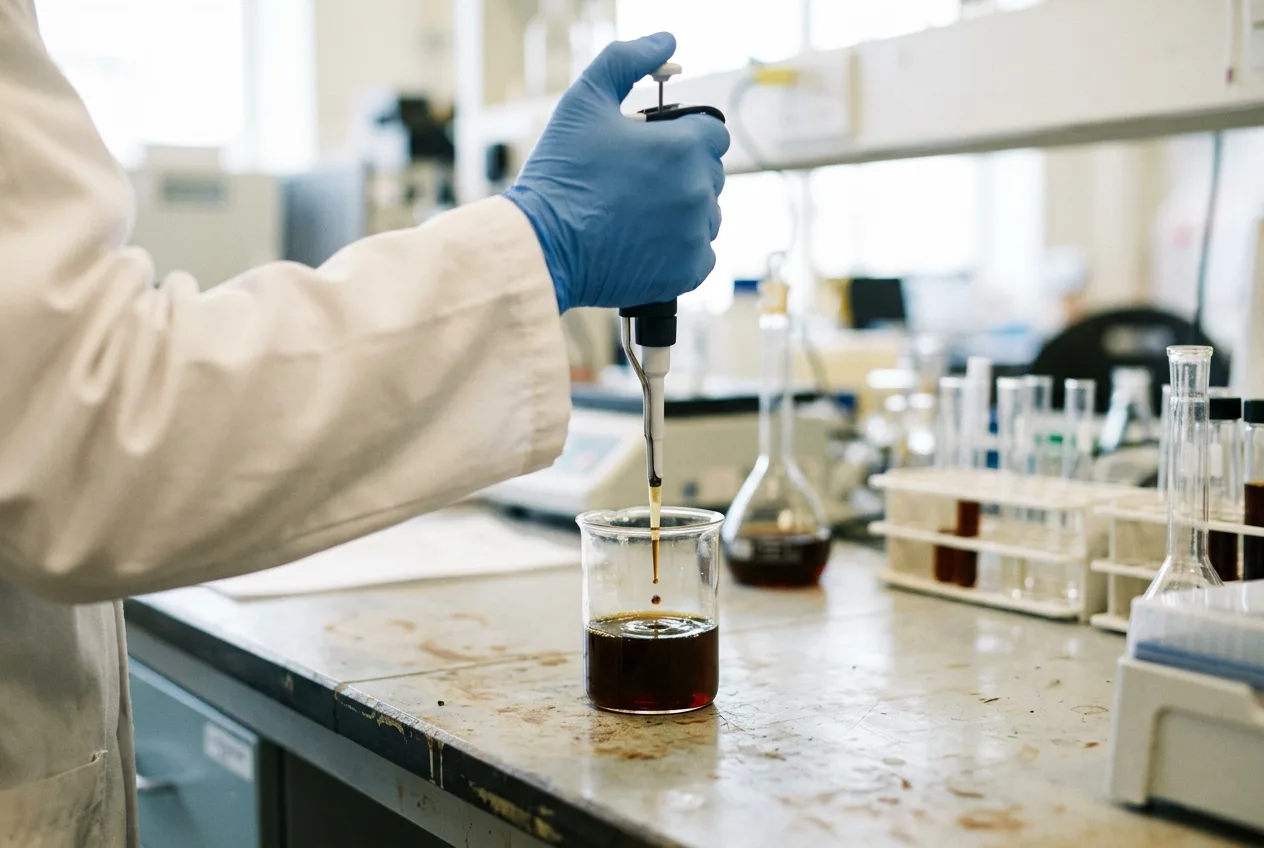
In one approach, researchers took sections of intestine from rats and kept them alive in a special solution of minerals and electrolytes.
Then they added coffee to the solution. The intestinal tissue started contracting.
That's significant. The contractions happened without the rest of the digestive system and without any signals from the brain. Coffee was acting directly on the gut tissue and its local nerves.
Next, the researchers tried to find out which pathway was responsible. They added substances that block specific nerve signals and watched which ones stopped the contractions.
- Keep gut tissue aliveSections of rat intestine are placed in a mineral and electrolyte solution.
- Add coffeeThe tissue begins to contract.
- Add blockers one by oneEach blocks a different nerve-signaling pathway.
- See which blocker worksAtropine, which blocks muscarinic receptors, stopped the coffee-triggered contractions.
Atropine blocks muscarinic receptors. Since it prevented coffee's effect, that strongly suggests muscarinic signaling plays a central role in how coffee makes the gut contract.
Isolated animal tissue isn't a human body, so it can't tell us everything. But it points clearly to the mechanism: coffee can trigger intestinal contractions through a muscarinic pathway.
How muscarinic receptors create the urge
Muscarinic receptors are part of the cholinergic system, which uses acetylcholine to run many automatic body functions.
In the gut, they control smooth muscle contractions. When intestinal muscles contract in a coordinated pattern, they move material through the colon toward the rectum.
The colon's job is to absorb water from digested food and prepare waste for elimination. Its muscular waves, called peristalsis, push contents along.
Coffee may boost these contractions, making the colon more likely to move its contents toward the rectum.
As the rectum fills, stretch receptors in its wall detect the extra volume and send signals that you experience as needing to go.
That's why the urge can come so quickly. Coffee doesn't need to travel through you first. It nudges your nervous system to move what's already in your colon.
How strongly this happens varies a lot. Some people react to a small cup within minutes. Others notice nothing. Gut sensitivity, nervous system activity, how much coffee you usually drink and your individual digestion all play a role.
The gastrocolic reflex and morning timing
There's another reflex that adds to the effect, especially in the morning. It's called the gastrocolic reflex.
When something enters your stomach, your body signals the colon to increase its activity and make room. That's why many people need the bathroom after breakfast, coffee or not.
Coffee seems to stimulate the colon more strongly than many foods or drinks. Studies measuring colon activity have found that coffee can increase it to a similar degree as a full meal, and more than plain hot water.
Researchers have measured this directly by placing thin pressure sensors inside the colon of volunteers. After a cup of regular coffee, the sensors picked up a clear rise in muscle activity within minutes, especially in the lower part of the colon closest to the exit. Decaf produced a smaller rise, and hot water an even smaller one.
Those measurements match what so many coffee drinkers describe: a short window, often within half an hour, when the urge is strongest, followed by a return to normal.
Add the fact that the colon is naturally more active in the morning after waking, and the first coffee of the day lands at the perfect moment. Warm liquid, a morning colon, the gastrocolic reflex and coffee's own nerve effects all line up together.
Why decaf can have the same effect
Most people assume caffeine is behind coffee's effect on the bowels. The evidence says it's more complicated.

Caffeine is a stimulant, and it may contribute to some digestive effects. But it's not the only active substance in coffee.
Studies have found increased stomach secretions with both regular and decaf coffee. And decaf can stimulate bowel movements in some people too.
That tells us caffeine isn't required for many of coffee's gut effects. Decaf keeps most of coffee's other compounds, including phenolics, which may affect the gut through routes that have nothing to do with caffeine's stimulant action.
Exactly which compound, or combination, triggers the intestinal contractions is still unknown. What we can say is that caffeine isn't the full explanation.
| Effect | Regular coffee | Decaf coffee | Hot water |
|---|---|---|---|
| More stomach acid | Yes | Yes | Little |
| More colon activity | Strong | Moderate | Mild |
| Feeds gut bacteria (phenolics) | Yes | Yes | No |
| Caffeine stimulation | Yes | Very little | No |
Studies suggest regular coffee usually has a somewhat stronger effect on the colon than decaf, so caffeine probably adds to it. It just isn't the whole story.
Coffee and nicotine: a related pathway
Some people notice that coffee plus a cigarette has an especially strong effect. There's a biological reason for that.
Nicotine mainly acts on nicotinic acetylcholine receptors. These are different from muscarinic receptors, but both belong to the same broader cholinergic system.
Nicotine stimulates nerve cells that release acetylcholine, which can then activate muscarinic receptors in tissues like the gut. That's why nicotine can also increase bowel activity.
Together, coffee and nicotine can produce a stronger gut response in some people.
But to be completely clear: nicotine is highly addictive and seriously harmful to health. It's not a reason to smoke or vape. Two substances acting on related pathways doesn't make them equally safe.
Why it happens so fast
The heart of the explanation is the difference between digestive transit and nerve signaling.
If coffee had to travel from your mouth through your stomach, small intestine and colon before doing anything, the effect would take many hours.
Nerve signals, on the other hand, travel in fractions of a second. Your gut is packed with nerves and receptors that respond to chemicals and stretch.
Coffee may activate muscarinic pathways, boosting the muscle activity of your intestines and moving along waste that's already in your colon. That's why the urge can arrive within minutes.
It's not the coffee coming out. It's your nervous system clearing what was already there. That also explains why the effect can happen even if you haven't eaten recently.
It also explains why the effect fades after the first cup. Once the colon has emptied what was waiting near the end, a second or third coffee has much less to work with, even though the same nerve pathways are being stimulated.
How fast each process works (rough)
What makes the effect stronger or weaker
Plenty of things seem to change how strongly coffee affects your gut:
- Time of day. The colon is most active in the morning, so the effect is usually strongest then.
- Temperature. Warm drinks in general tend to stimulate the gut more than cold ones.
- Amount. A large mug or a double espresso usually has a bigger effect than a small cup.
- Milk and sugar. For people who are lactose intolerant, milk adds its own laxative effect.
- Habit. Some regular drinkers report the effect fades a little over time; others find it rock-steady.
- Roast. Some people say dark roasts hit harder, but that's based on personal experience rather than solid research.
- Individual sensitivity. The biggest factor of all.

Roasting does change coffee's chemistry, building some compounds and breaking down others. Whether roast level meaningfully changes the bowel effect is still an open question.
Coffee as a digestive aid: an old idea
The link between coffee and digestion isn't new. When coffee spread through the Middle East and Europe from the 16th and 17th centuries, it was often promoted as a medicine as much as a pleasure.
Early writers on coffee praised it for helping digestion and "settling the stomach." In Ottoman coffeehouses and later in European cafés, coffee became the natural end to a large meal.
The Italian habit of a small espresso after lunch or dinner, and the idea of coffee as a digestivo, carry on that tradition. Many cultures still serve strong coffee at the end of a feast.
Modern research gives that tradition some support. Coffee does increase stomach secretions and gut hormones, and it does wake up the colon. It just doesn't make your dinner digest faster, which is what people often assumed.
A note for runners and travelers
If you run or cycle, you've probably heard of "runner's trots," the sudden need to find a bathroom mid-run. Exercise itself stimulates the gut, and a coffee beforehand adds to it.
Many endurance athletes use caffeine before races because it can make effort feel easier. The trick is timing: drink it early enough that the gut effect has passed before you start, typically 45 to 60 minutes beforehand, and test your routine on training days rather than race day.
The same applies to travel. A strong coffee just before boarding a bus or getting into a long meeting is a gamble for anyone in the "coffee works" group. Have it earlier, or have it where the facilities are good.
Sensitive stomachs and IBS
For people with irritable bowel syndrome or other sensitive-gut conditions, coffee can be a problem rather than a helpful morning routine.
Because coffee stimulates the colon and stomach acid, it can trigger cramping, urgency or loose stools in people with diarrhea-predominant IBS. Some people with constipation, on the other hand, find a morning coffee genuinely helpful.
Coffee can also aggravate heartburn and acid reflux in some people, partly by increasing stomach acid.
If coffee regularly causes pain, urgency or diarrhea, try decaf, a smaller cup, or coffee with food. And if bowel symptoms are frequent, painful or changing, see a doctor rather than just adjusting your coffee. Blood in the stool, unexplained weight loss or persistent changes in bowel habits always need medical attention.
Coffee vs other morning drinks
Is coffee really special, or would any warm drink do the same? Research measuring colon activity suggests coffee genuinely stands out.
| Drink | Typical effect on the colon |
|---|---|
| Regular coffee | Strong, often within minutes |
| Decaf coffee | Noticeable, usually a little weaker |
| Black or green tea | Mild for most people |
| Hot water | Mild; mostly the warmth and gastrocolic reflex |
| Energy drinks and cola | Varies; caffeine alone has a smaller effect than coffee |
The fact that caffeinated drinks like tea and cola don't usually match coffee is another hint that caffeine isn't the main trigger. Something else in coffee is doing much of the work.
What you add to your coffee matters too
Sometimes the coffee gets the blame for what's in it. A few common additions have their own effects on the gut:
- Milk. Many adults are partly lactose intolerant. A big milky latte can cause bloating or loose stools on its own.
- Sugar-free syrups and sweeteners. Sugar alcohols such as sorbitol and xylitol can have a laxative effect in larger amounts.
- Large amounts of sugar. Very sweet drinks can draw water into the gut in sensitive people.
- Creamers. Some contain added fats, gums or sweeteners that bother sensitive stomachs.
If coffee seems to upset your stomach, try it black or with a small amount of lactose-free milk for a week. You may find the coffee was never the problem.
My own experience
I'm firmly in the "coffee works" group. My first espresso of the morning reliably does its job within about 15 minutes, and has done for as long as I've been drinking coffee.
A few things I've noticed over years of testing machines:
- The first coffee of the day has by far the strongest effect. Later cups barely register.
- A hot coffee works faster than iced coffee or cold brew.
- Decaf still works for me, just more gently, which matched what the research says.
- Coffee on an empty stomach hits hardest. With breakfast it's calmer.
- On days when I skip breakfast and drink several espressos for testing, my stomach is noticeably less happy.
None of that is scientific, of course. But it lines up with the biology: the morning colon, the gastrocolic reflex, warmth, and coffee's own compounds all stacking up on that first cup.
Making the most of it, or less of it
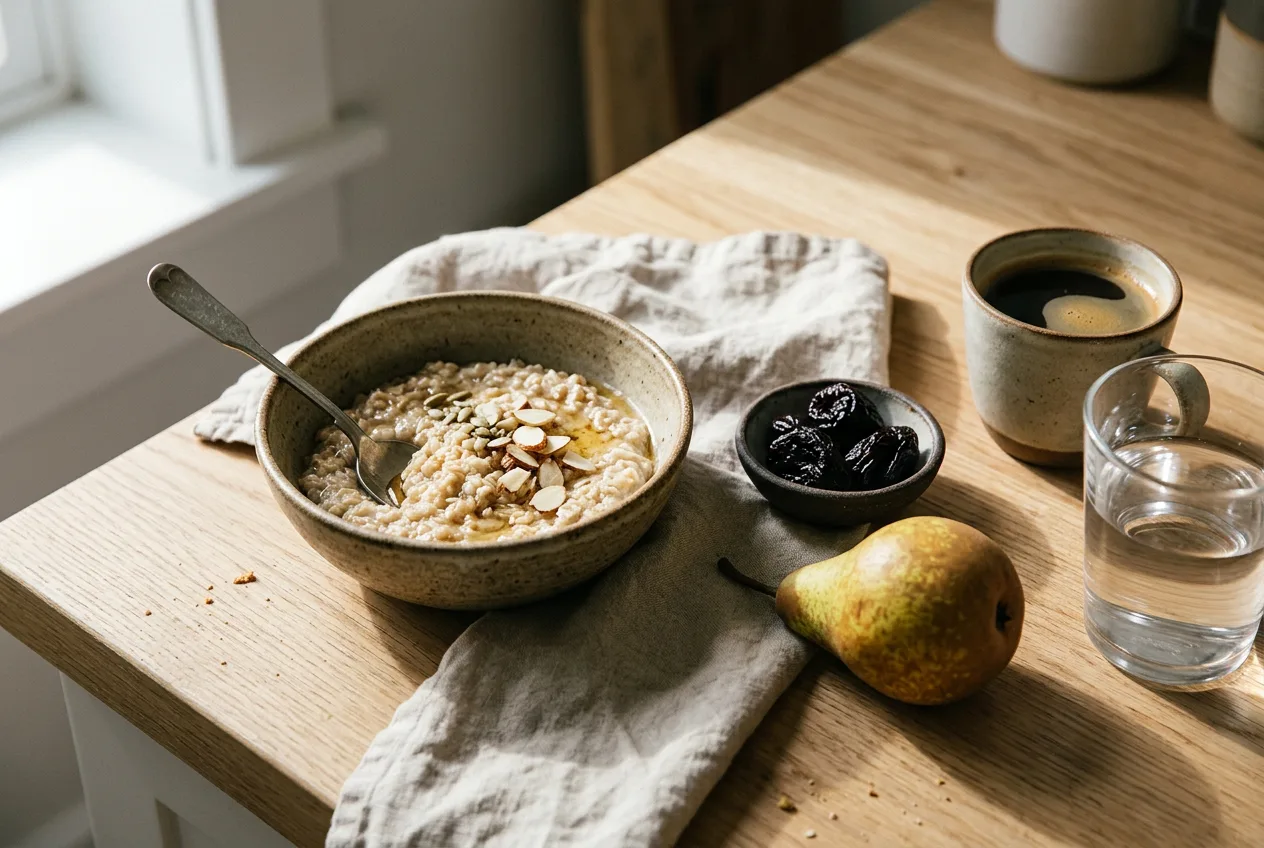
If you want coffee to help you stay regular
- Drink it at a consistent time each morning, ideally after waking and alongside breakfast.
- Make it warm rather than iced.
- Pair it with enough water and fiber through the day; coffee works best on top of good habits, not instead of them.
- Give yourself time: don't schedule your first coffee five minutes before you leave the house.
If you'd rather coffee didn't send you running
- Try a smaller cup, or a single shot instead of a double.
- Have coffee with food rather than on an empty stomach.
- Try cold brew or iced coffee, which some people find gentler.
- Switch milk to a lactose-free option if dairy bothers you.
- Remember that decaf may still have an effect, just usually a smaller one.

Don't rely on coffee as a laxative if you're regularly constipated. Fiber, fluids, movement and, if needed, advice from a doctor or pharmacist are better long-term solutions.

Our tip: If you're traveling or have an early meeting, plan your first coffee for when you know a bathroom will be nearby. It sounds obvious, but it's saved me more than once on long drives.
Is it bad to rely on coffee to go?
Plenty of people say they "can't go" without their morning coffee. Is that a problem?
For most people, probably not. Coffee isn't like a stimulant laxative that the bowel becomes dependent on in a harmful way. It nudges a natural reflex at a time of day when the colon is already primed.
That said, if coffee has become the only thing keeping you regular, it's worth looking at the basics. Low fiber, too little water, little movement and irregular meals are much more common causes of sluggish bowels than a lack of coffee.
Routine also plays a role. Your body likes rhythm. Eating and drinking at similar times each day, and giving yourself unhurried time in the morning, often helps as much as the coffee.
And if constipation is persistent, painful or new, especially later in life, see a doctor rather than simply adding more coffee.
Common myths about coffee and digestion
"Coffee goes straight through you." It doesn't. The urge comes from nerve signals and muscle contractions acting on what's already in your colon, not from the coffee itself.
"It's just the caffeine." Caffeine adds to the effect, but decaf can do it too, and other caffeinated drinks usually don't match coffee.
"Coffee dehydrates you, so it must cause constipation." Moderate coffee counts toward your daily fluids and doesn't dehydrate healthy adults. I explain why in does coffee dehydrate you?
"Coffee detoxes your gut." Your liver and kidneys handle detoxification. Coffee moves your colon along; it doesn't "flush toxins." And coffee enemas, sometimes promoted for detox, carry real risks and aren't supported by evidence.
"Coffee causes stomach ulcers." Most ulcers are caused by a bacterial infection or by certain painkillers. Coffee can aggravate an existing ulcer or reflux in some people, but it isn't considered a main cause.
What we still don't know
Researchers have found several likely mechanisms, but some big questions remain.
The biggest is which exact compound in coffee triggers the intestinal contractions. Caffeine isn't essential, since decaf can do it too. But coffee contains hundreds of compounds, which makes it very hard to single out the culprit.
Different varieties and brewing methods produce drinks with different chemistry. Roasting changes coffee's makeup too: temperature and roast time create some compounds and destroy others.
Researchers also need to confirm how well the animal-tissue findings carry over to normal human digestion.
Identifying muscarinic signaling as a key pathway is a big step. But it doesn't answer every question about which chemical triggers it. Further work on coffee's individual compounds may eventually explain why some coffees seem to work more strongly than others.
Key takeaways
- It's not the coffee coming out. The urge appears too fast for coffee to pass through you. Coffee moves along what's already in your colon.
- Nerves do the fast work. Coffee seems to trigger intestinal contractions through muscarinic receptors in the gut's own nervous system; blocking them with atropine stopped the effect in lab tests.
- The stomach joins in. Coffee increases stomach acid and gut hormones, though that doesn't speed up stomach emptying much.
- Gut bacteria respond to coffee. Coffee drinkers more often carry Lawsonibacter asaccharolyticus, and some gut bacteria produce helpful butyrate.
- Decaf works too. Caffeine adds to the effect but isn't required; other compounds such as phenolics remain in decaf.
- Mornings amplify it. The gastrocolic reflex and a naturally active morning colon make the first coffee the most powerful.
- Everyone is different. Some people feel it strongly, others not at all.
Coffee is far more than a caffeine delivery system. Its many compounds interact with your stomach, your gut muscles, your nervous system and your microbiome, creating effects scientists are still working to fully understand.
Frequently asked questions
Why does coffee make me poop so fast?
Coffee appears to trigger contractions in your colon through the gut's nervous system, moving along waste that's already there. Nerve signals act within minutes, far faster than digestion.
Is it the caffeine that makes you poop?
Only partly. Decaf can also stimulate the bowel and increase stomach acid, so other compounds in coffee are involved too.
Why doesn't coffee make everyone poop?
Sensitivity varies a lot. Surveys suggest roughly a third of people notice the effect; gut sensitivity, habit and individual digestion all play a role.
Does decaf coffee make you poop?
It can. Decaf keeps most of coffee's other compounds and can still stimulate the colon, usually a bit less than regular coffee.
Is it healthy that coffee makes me poop?
For most people it's a normal response. If coffee causes pain, diarrhea or urgency regularly, or your bowel habits change, talk to a doctor.
Does coffee help with constipation?
It can help some people go in the morning, but it isn't a long-term fix. Fiber, water and movement matter more.
Does dark roast make you poop more than light roast?
Some people report that, but there isn't solid research showing roast level reliably changes the effect.
Why does coffee and a cigarette make you poop more?
Nicotine also stimulates the cholinergic nerve pathways that drive gut contractions. That's not a reason to use nicotine, which is addictive and harmful.

- Michael Reynolds, years of morning coffee and machine testing
- Enteric nervous system, Wikipedia
- Muscarinic acetylcholine receptor, Wikipedia
- Gastrocolic reflex, Wikipedia
- Butyric acid, Wikipedia
- Irritable bowel syndrome, National Institute of Diabetes and Digestive and Kidney Diseases
Related guides
How caffeine affects the brain How decaf coffee is made Acidity and bitterness in coffeeWritten by Michael Reynolds. Last updated November 20, 2026.