Ninja Luxe Café Mini Plus vs Premier: is the smaller one enough?
undefined
We choose products independently. We may earn a commission through links on this page; your price stays the same. Affiliate policy
Jargon helpNew to espresso? Tap any dotted term to see what it means.
In this comparison
For most people who drink hot espresso, americanos and lattes, the smaller Ninja Luxe Café Mini Plus is enough, and in some ways better. Its 60-step grinder pulled the sweeter shot of the two, its steam wand can do proper manual microfoam, and it takes noticeably less space. Buy the Ninja Luxe Café Premier if iced drinks matter: it makes cold foam and cold brew, its whisk-assisted frother is more consistent hands-free, and it fits tall travel mugs. The Mini’s biggest compromise is its small 44 oz water tank.
The two machines
Specs checked November 14, 2026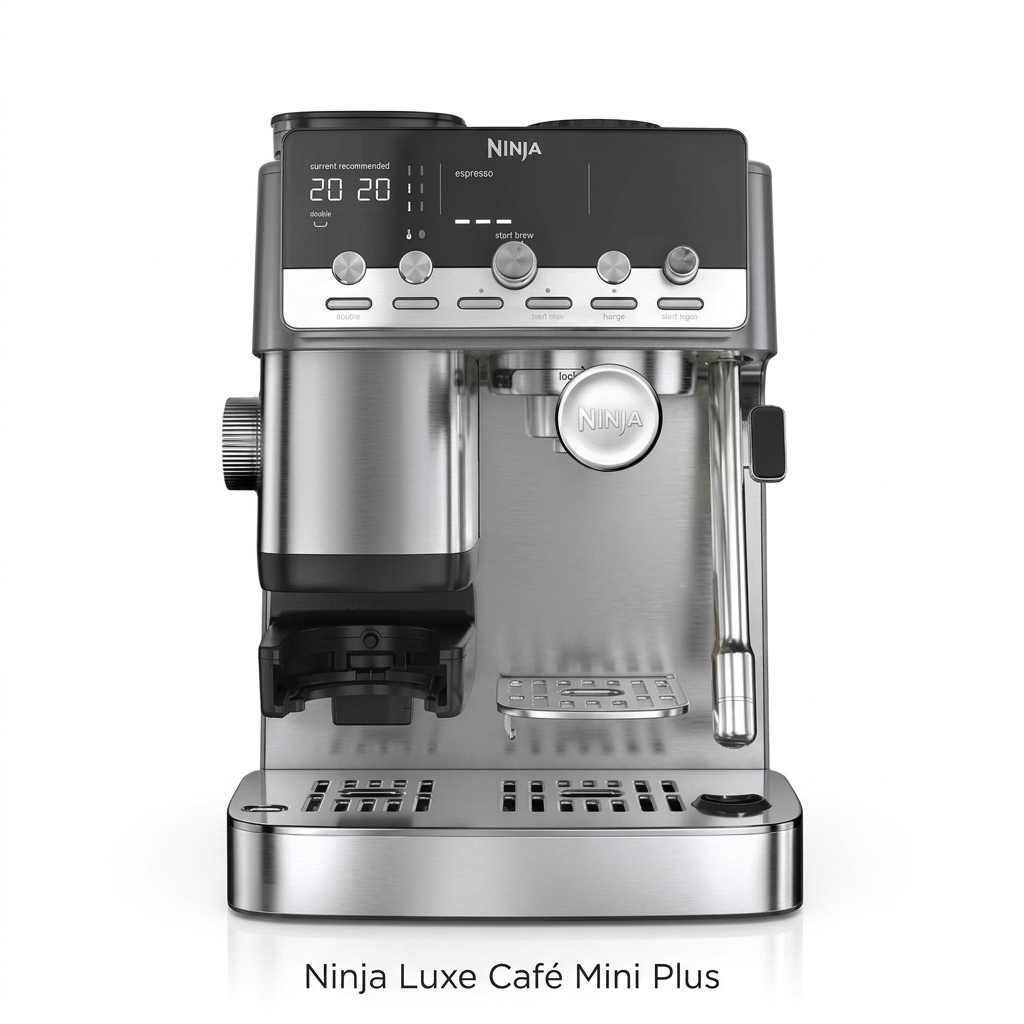
A compact guided espresso machine with a 60-setting grinder, a built-in scale, an assisted tamper and a steam wand that froths automatically or by hand.
Check price on Amazon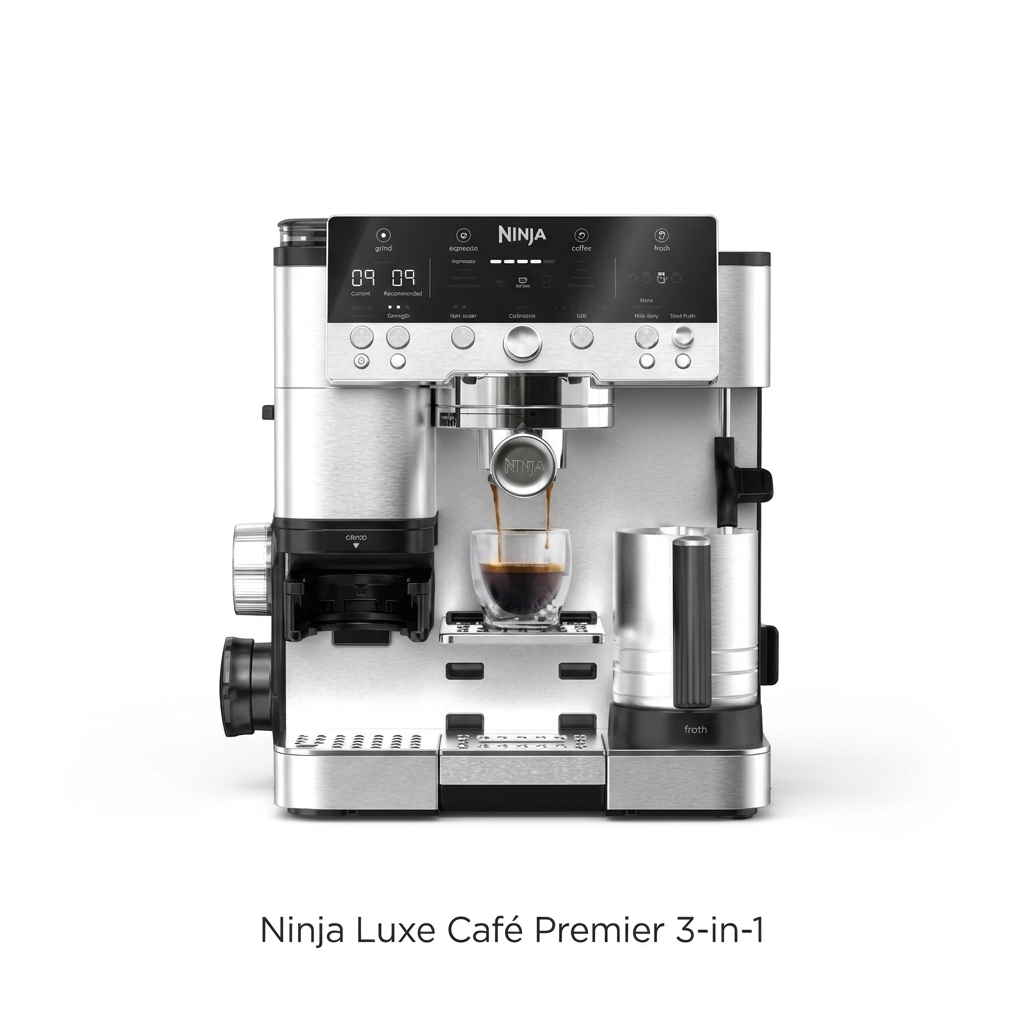
The full-size Luxe Café with a 25-setting grinder, a scale, an assisted tamper, a Dual Froth System with cold foam, and drip-style and cold brew options.
Reveal Today’s DealMini Plus vs Premier at a glance
- The Mini Plus made the better espresso and gives you the option to steam milk by hand.
- The Premier adds cold foam, cold brew, drip-style coffee and much bigger cup clearance.
- Both weigh your dose and tamp for you, so the core workflow is the same.
- Pick the Mini for hot drinks in a small kitchen and the Premier for iced drinks and big mugs.
Head to head
The better result in each row is marked, based on four weeks with each machine and the manufacturer specs. Rows where they are equal have no winner.
The tally is not my verdict. If you drink an iced latte every afternoon, the cold foam row outweighs most of the others.
| Spec | Luxe Café Mini Plus | Luxe Café Premier |
|---|---|---|
| Espresso flavormy tasting, same beans | Sweeter, more balanced ✓ Best | Sweet, a touch less clear |
| Grind settings | 60 ✓ Best | 25 |
| Dosing | Built-in scale, about 17–18 g double | Built-in scale, about 20 g double |
| Tamping | Spring-loaded assisted tamper | Assisted lever tamper |
| Hands-free milk | 3 levels, sometimes uneven | 4 presets, consistent ✓ Best |
| Manual steaming | Yes, real microfoam ✓ Best | Limited |
| Cold foam | No | Yes ✓ Best |
| Cold brew and drip-style | Filter coffee only | Drip-style and cold brew ✓ Best |
| Water tank | 44 oz | Bigger ✓ Best |
| Cup clearance | Mugs | Up to a travel mug ✓ Best |
| Width | 12.2 in ✓ Best | 13.4 in |
| Weight | About 19.4 lb ✓ Best | About 26 lb |
| Rows won | 5 | 5 |
Ninja Luxe Café Mini Plus vs Premier pros and cons
Ninja Luxe Café Mini Plus
- Sweeter espresso from a 60-step grinder
- Steam wand can froth automatically or by hand
- Compact and about 6.6 lb lighter
- No cold brew, cold press or cold foam
- Small 44 oz water tank
- Automatic frothing can be inconsistent
Ninja Luxe Café Premier
- Cold foam and four froth presets
- Drip-style coffee and cold brew options
- Huge cup clearance, up to a travel mug
- Large-basket coffees tasted weak
- Grinder prefers medium and dark roasts
- Bigger and heavier on the counter
Who should buy which machine?
- Small kitchens and apartments
- Hot espresso, americano and latte drinkers
- Beginners who want to learn manual steaming
- Iced latte and cold foam fans
- People who fill travel mugs
- Households that want hands-free frothing
How the Luxe Café line works
Ninja’s Luxe Café machines all share one idea: real espresso from a portafilter, with the hard parts made easy. Every model weighs your dose, tamps for you and gives you feedback on each shot.
The Mini Plus is the compact entry point. The Premier is the original full-size machine that added drip-style coffee and cold brew. Above them sits the Luxe Café Pro, which adds more brew styles and extras on top of the Premier.
So choosing between the Mini Plus and the Premier is really choosing between two sets of priorities. The Mini spends its effort on espresso and a compact body. The Premier spends it on versatility: cold drinks, bigger cups and hands-free milk.
| Luxe Café model | Focus | Cold foam | Size |
|---|---|---|---|
| Mini Plus | Espresso and hot milk drinks | No | Compact |
| Premier | Espresso, drip-style, cold brew | Yes | Full-size |
| Pro | Premier plus more styles and extras | Yes | Full-size |
What stays the same across the line matters just as much. Every Luxe Café I have tested heats up in about half a minute, uses Barista Assist to coach you toward a better shot, and keeps grounds off the counter with a dosing funnel. That shared core is why both of these machines got a beginner to a good espresso within two or three tries.
It also means you are not giving up the clever parts by choosing the smaller machine. The Mini Plus is not a cut-down toy; it is the same idea built around a smaller footprint and a sharper grinder, with cold drinks left out.
Our tip: Write down the three drinks you make most, then check each one against the brew styles table, because that tells you which Luxe Café you need faster than any spec.
Design, size and build
The Mini Plus is exactly what the name says: a smaller Luxe Café. It keeps the bean hopper on top, the portafilter on the left and the steam wand on the right, but squeezes everything into about 12.2 inches of width, 10.2 inches of depth and 13.4 inches of height.
The Premier is a big machine. At about 13.4 x 13 x 14.6 inches and 26 lb, it took up roughly the same space as a microwave on my counter.
The Mini weighs about 19.4 lb, so it is the easier one to slide forward for cleaning or to move between rooms.
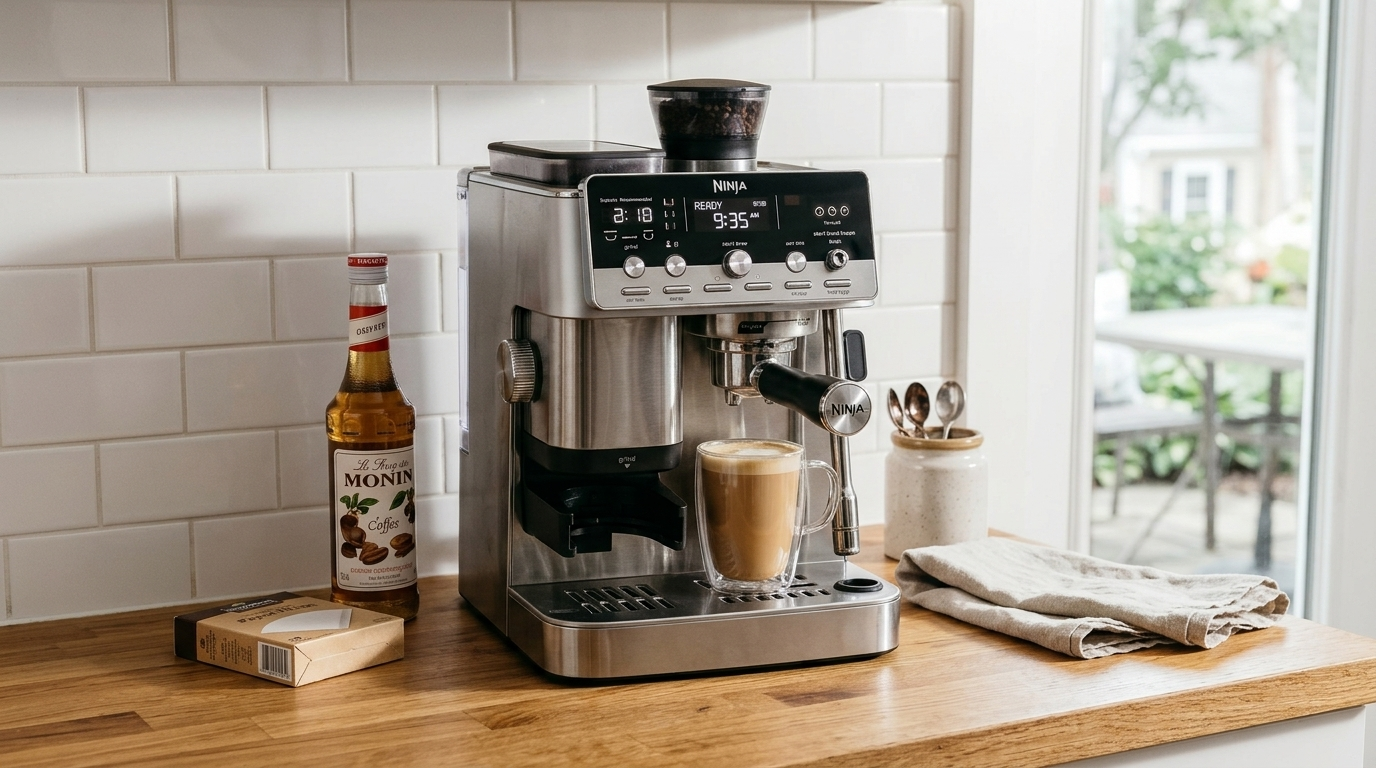
The Mini Plus keeps the Luxe Café layout in a much smaller body.
Footprint on the counter
Width times depth. The Mini needs about 29 percent less counter.
Build quality felt the same. Both use a sturdy mix of metal and plastic, and both portafilters locked in firmly every time.
Our tip: Measure the space under your cabinets before buying the Premier, because its height plus the open hopper lid needs more room than you expect.
Setup and heat-up
Setup was similar on both and took about 15 minutes, including rinsing parts, priming the system and letting Barista Assist walk me through the first shot.
Heat-up was close too. The Mini Plus was ready in about 30 to 35 seconds, and the Premier in about 30 seconds.
| Setup step | Mini Plus | Premier |
|---|---|---|
| Time to first drink | About 15 minutes | About 15 minutes |
| Heat-up from cold | About 30–35 s | About 30 s |
| Shots to dial in | 2 or 3 | 2 or 3 |
| Beeps | Can be switched off | Loud until switched off |
Our tip: Use one bag of medium-roast beans for your whole first week, so Barista Assist learns your coffee instead of chasing a new bag every day.
Dosing and tamping
Both machines share Ninja’s best trick: a guided semi-automatic✕Semi-automatic espresso machineA machine where you handle the coffee yourself: you fill a portafilter, tamp it and lock it in, and the machine controls the water and pressure. workflow that removes most of the mess and guesswork.
You place the portafilter under the grinder, press grind and a built-in scale stops it at the right weight. On the Mini, my doubles came out at about 17 to 18 grams; on the Premier, around 20 grams.
Then you tamp. The Mini uses a spring-loaded tamper with a funnel; the Premier uses a lever you pull twice. Both gave me even, level pucks with no tamping skill needed.
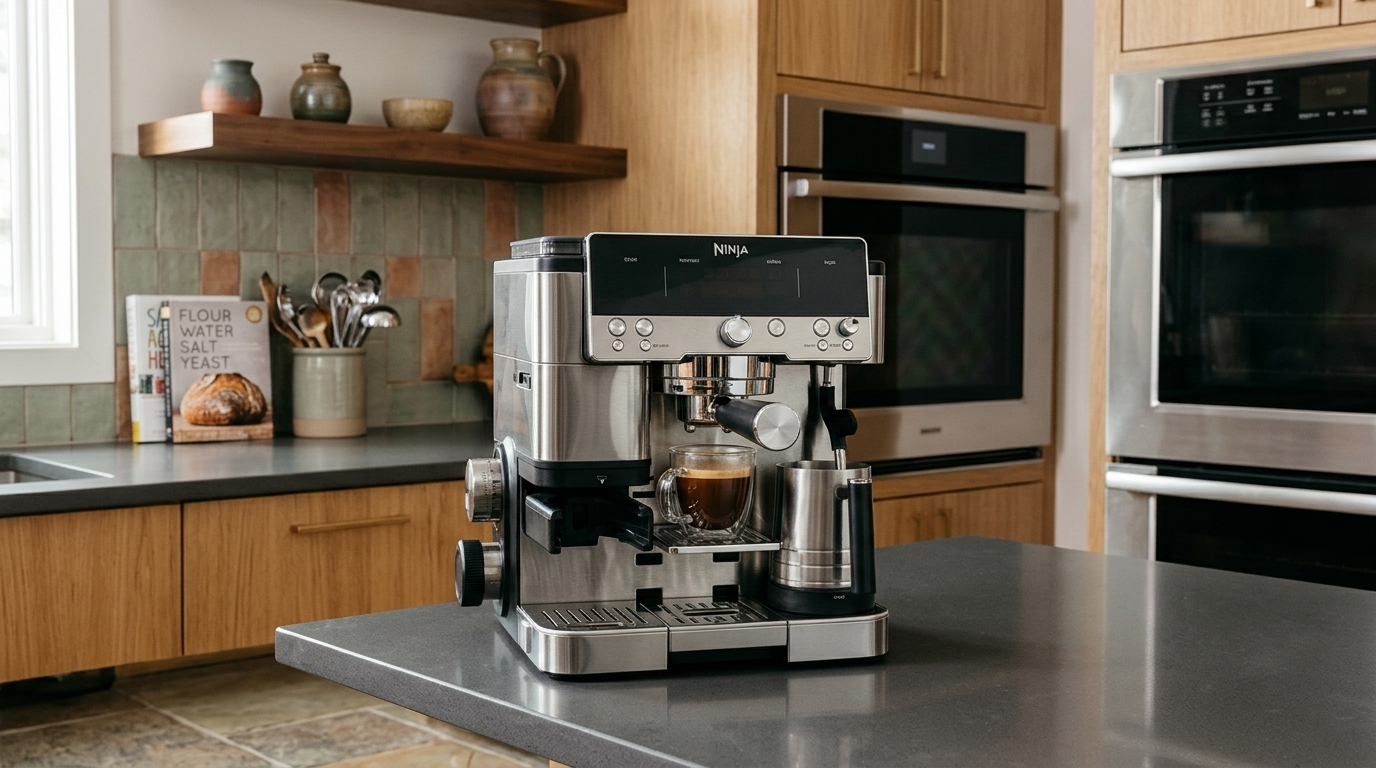
The Premier’s scale and funnel make dosing clean and repeatable.
Barista Assist✕Barista AssistNinja’s guidance system. It recommends a grind setting, weighs your dose and tells you whether your last shot ran too fast or too slow. then tells you whether the last shot ran too fast or too slow, so you can adjust the grind. On both, I was pulling good shots by day two.
Grinder
Both grind with conical burrs✕Conical burrsTwo cone-shaped grinding parts, one inside the other. Beans are crushed between them, and the gap between the burrs sets how fine the coffee is., but the Mini Plus has 60 settings to the Premier’s 25.
That surprised me, but it made a real difference. The Mini’s smaller steps let me fine-tune a shot without overshooting, and it handled medium-light beans better.
The Premier’s grinder was happiest with medium and dark roasts. With a light roast, even its finest setting ran a little fast and tasted sharp.
Grind settings
More steps means smaller, easier adjustments.
My ratings by roast
My scores out of 10 for sweetness, body and balance.
Our tip: Change the grind by two or three steps at a time on the Mini, because single steps are so small you may not taste the difference.
Espresso quality
With the same medium-roast blend, the Mini Plus pulled the slightly better espresso. Its highest strength setting aims for about a 1:2 brew ratio✕Brew ratioThe weight of coffee going in compared with the weight of espresso coming out. A 1:2 ratio means 18 grams of coffee for about 36 grams of espresso., and the shot was sweet, clear and syrupy with a thick crema.
The Premier’s double was sweet and full too, with caramel and cocoa notes. It had a touch more body from the bigger dose, but slightly less clarity.
Honestly, the gap is small. Both make espresso that tastes like a good café shot after two or three tries.
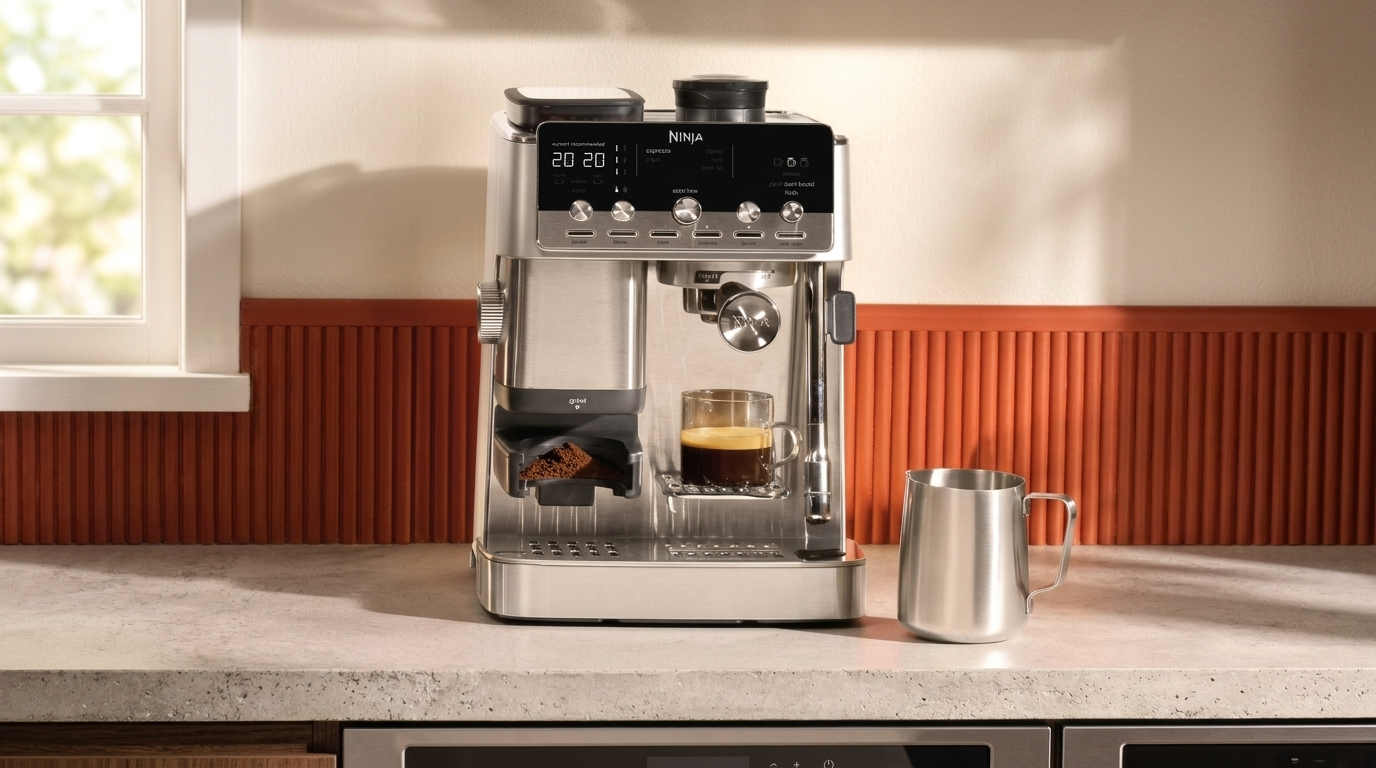
The Mini Plus pulled the sweeter, clearer shot of the two.
My espresso ratings
My single-review scores out of 10.
| What you taste | Likely cause | First fix on both |
|---|---|---|
| Sour, thin, watery | Under-extracted✕Under-extractionWhen water does not pull enough flavor out of the coffee. The shot tastes sour, thin and watery. | Grind finer |
| Bitter, harsh, drying | Over-extraction | Grind coarser |
| Pale crema that fades fast | Stale beans | Use beans within a few weeks of roasting |
| Lukewarm shot | Cold cup | Warm the cup first |
The Mini’s single-spout portafilter is the one small catch. You cannot split a double into two cups, so if you often make two espressos at once, the Premier is more convenient.
Brew styles and big coffee
The Premier calls itself a 3-in-1: espresso, drip-style coffee and cold brew, using its large Luxe basket. The Mini Plus makes espresso, long espresso, coffee crema and filter-style coffee.
In practice, the big coffees were the weak spot on both. The Premier’s large-basket coffees often tasted thin and under-extracted, and the Mini’s coffee crema was pleasant but light.
For a big mug, I made an americano✕AmericanoEspresso topped up with hot water. Because the water is added afterwards instead of being pushed through the coffee, it keeps more sweetness and less bitterness. on both: a double shot topped with hot water. It was the best black coffee either machine made.
| Brew style | Mini Plus | Premier |
|---|---|---|
| Espresso | Yes | Yes, double and quad |
| Long espresso | Yes | Via larger shot |
| Coffee crema or drip-style | Coffee crema, filter coffee | Classic and rich drip-style |
| Cold brew | No | Yes |
| Over ice | No | Yes |
| Americano | Shot plus hot water | Shot plus hot water |
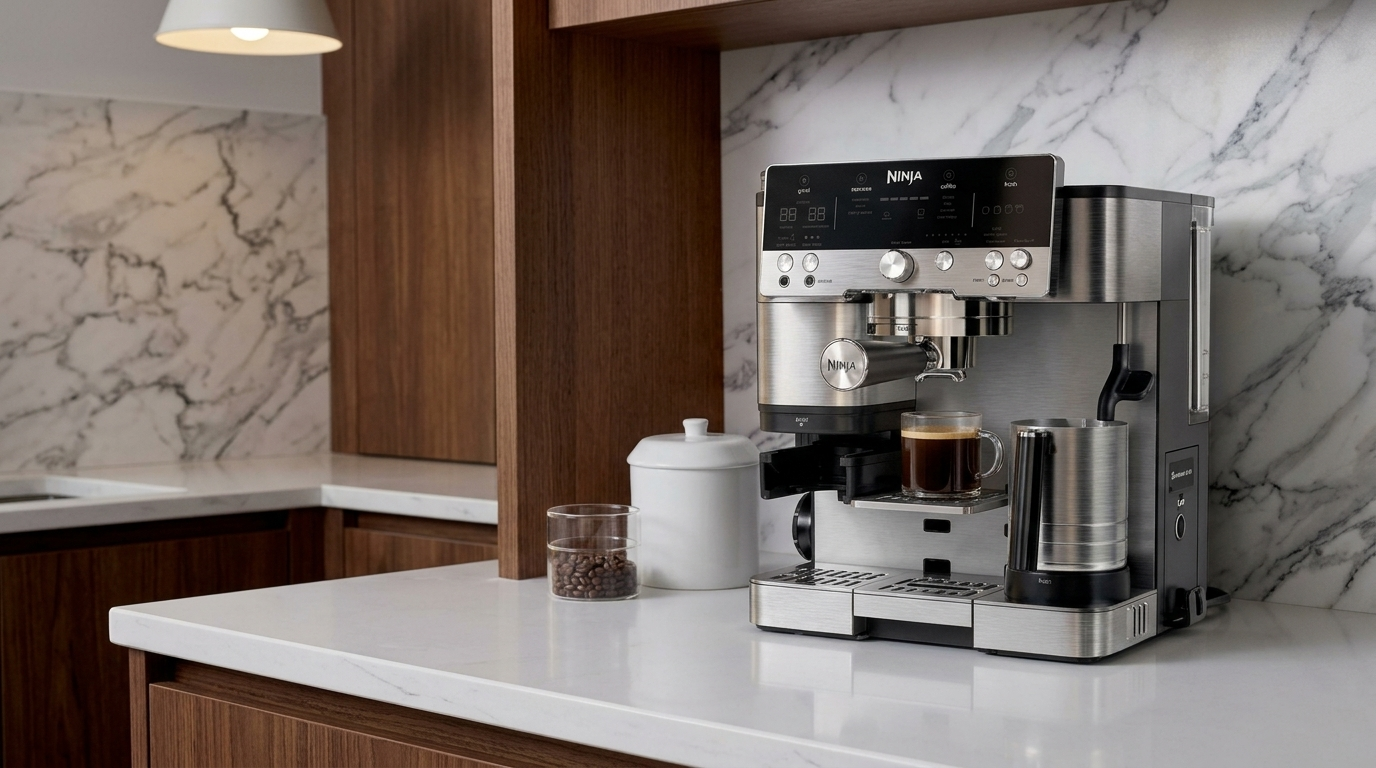
The Premier fits a tall travel mug, but an americano tasted better than its large-basket coffee.
Our tip: Make big mugs as americanos on both machines, because adding water after the espresso tasted far fuller than either machine’s long coffee styles.
Find Out the Price TodayMilk drinks
This is where the two machines differ most for hot drinks.
Mini Plus: a steam wand with an automatic mode
The Mini Plus has a steam wand with automatic frothing at three levels, for dairy or plant milk, and a manual steaming mode.
Automatic frothing was hit and miss. Sometimes the milk came out glossy and well mixed; other times I got liquid milk underneath a separate layer of foam. It reached about 140 to 150°F and took around 90 seconds.
Manual steaming was much better. The wand is strong enough for proper microfoam✕MicrofoamMilk foam with bubbles so small you can barely see them. It feels silky and glossy, which is what a good flat white or latte needs., and by week two I was pouring simple latte art.
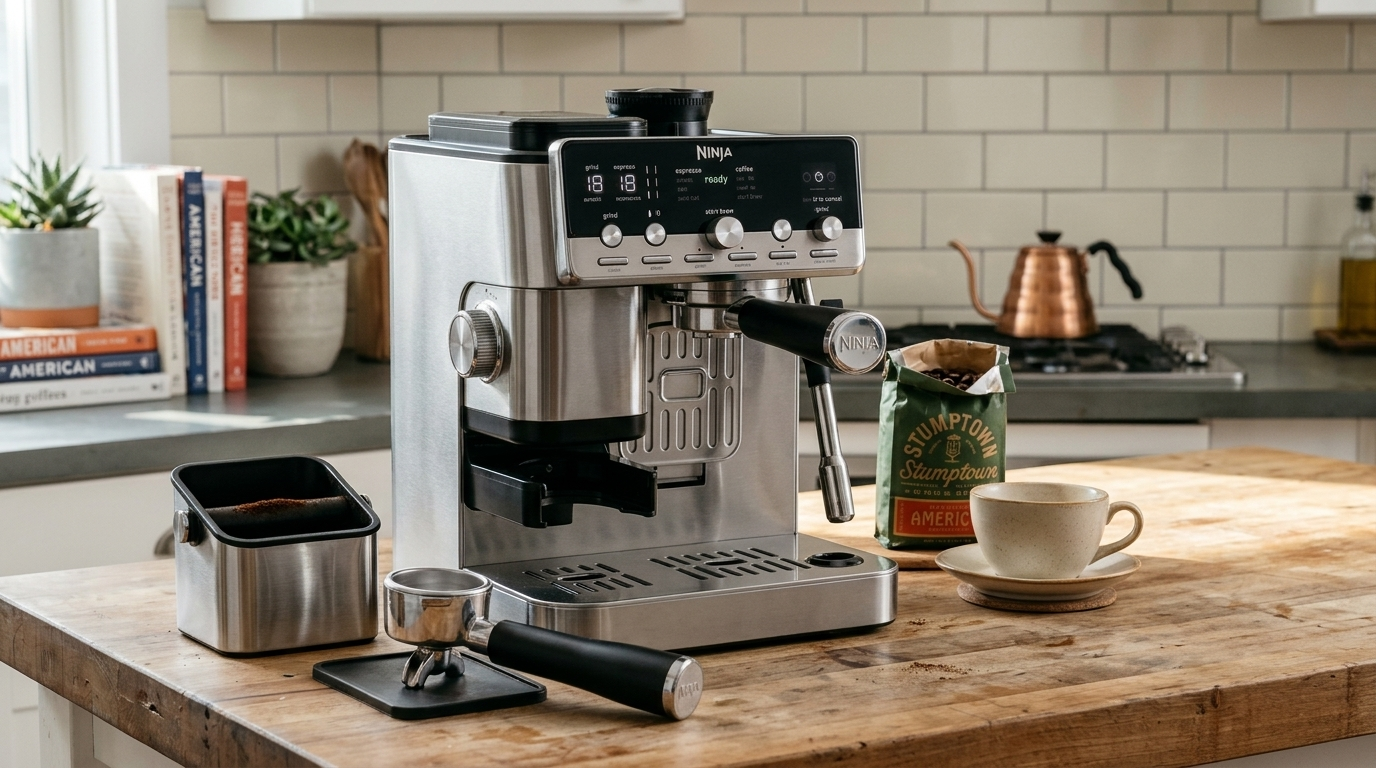
The Mini’s wand is strong enough for real microfoam when you steam by hand.
Premier: Dual Froth System
The Premier’s wand has a whisk inside and four presets: steamed milk, thin foam, thick foam and cold foam. You choose one, place the jug and walk away.
It was the more consistent hands-free frother. Milk came out at around 140 to 149°F, with good texture, if not quite as glossy as what I could make by hand on the Mini.
Milk drinks, my ratings
My scores out of 10 for texture, temperature and consistency.
| Milk feature | Mini Plus | Premier |
|---|---|---|
| Frother | Steam wand | Wand with whisk |
| Hands-free modes | 3 levels | 4 presets |
| Manual steaming | Yes | Limited |
| Plant milk setting | Yes | Uses presets |
| Cold foam | No | Yes |
| Latte art potential | Good, steaming by hand | Limited |
Iced drinks and cold foam
If iced drinks are part of your week, this section decides it.
The Premier makes cold foam. You pour cold milk into the jug, choose the cold foam preset and the whisk spins without steam, giving you a thick, sweet cap for iced lattes and cold brew.
It also brews over-ice and cold-brew-style coffee designed to be poured over ice, so drinks do not taste watered down.
The Mini Plus has no cold foam, cold brew or over-ice settings. You can still pull a shot over ice and add cold milk, and it tastes good, but it is a plainer drink.
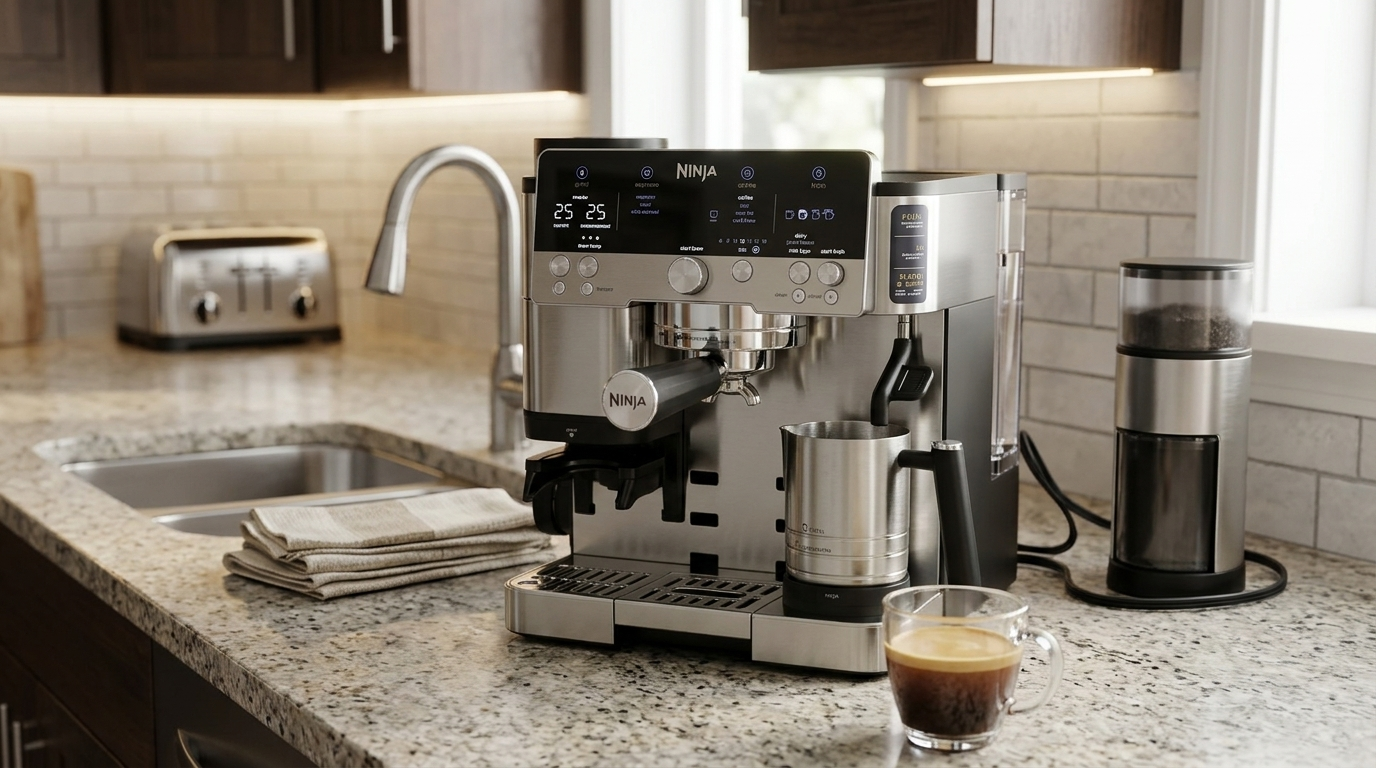
Cold foam is the Premier’s party trick, and the Mini cannot match it.
| Iced drink | Mini Plus | Premier |
|---|---|---|
| Iced latte | Shot over ice, cold milk | Over-ice brew plus cold foam |
| Cold foam | No | Yes |
| Cold brew style | No | Yes |
| Iced americano | Shot over ice and water | Over-ice brew |
Our tip: Fill your glass to the top with ice before pouring, because more ice melts slower and keeps an iced latte strong.
Cleaning and upkeep
Cleaning is almost identical: knock out the puck, wipe the funnel, purge and wipe the wand, rinse the jug and empty the drip tray.
The Mini’s smaller drip tray filled up faster, and its small tank meant more refills. The Premier’s whisk needs a quick rinse after milk drinks, which adds a few seconds.
Descaling✕DescalingRunning a mild acid through the machine to dissolve the mineral scale that hard water leaves behind in the heater and pipes. came up after about a month of daily use with my moderately hard water on both, and each routine took around 30 minutes.
My daily hands-on cleaning time
With two milk drinks a day.
| When | Mini Plus | Premier |
|---|---|---|
| After each drink | Knock out puck, purge wand | Knock out puck, purge wand, rinse whisk |
| Daily | Empty tray, refill tank | Empty tray |
| Weekly | Wash funnel and basket | Wash funnel and baskets |
| When prompted | Descale, about 30 minutes | Descale, about 30 minutes |
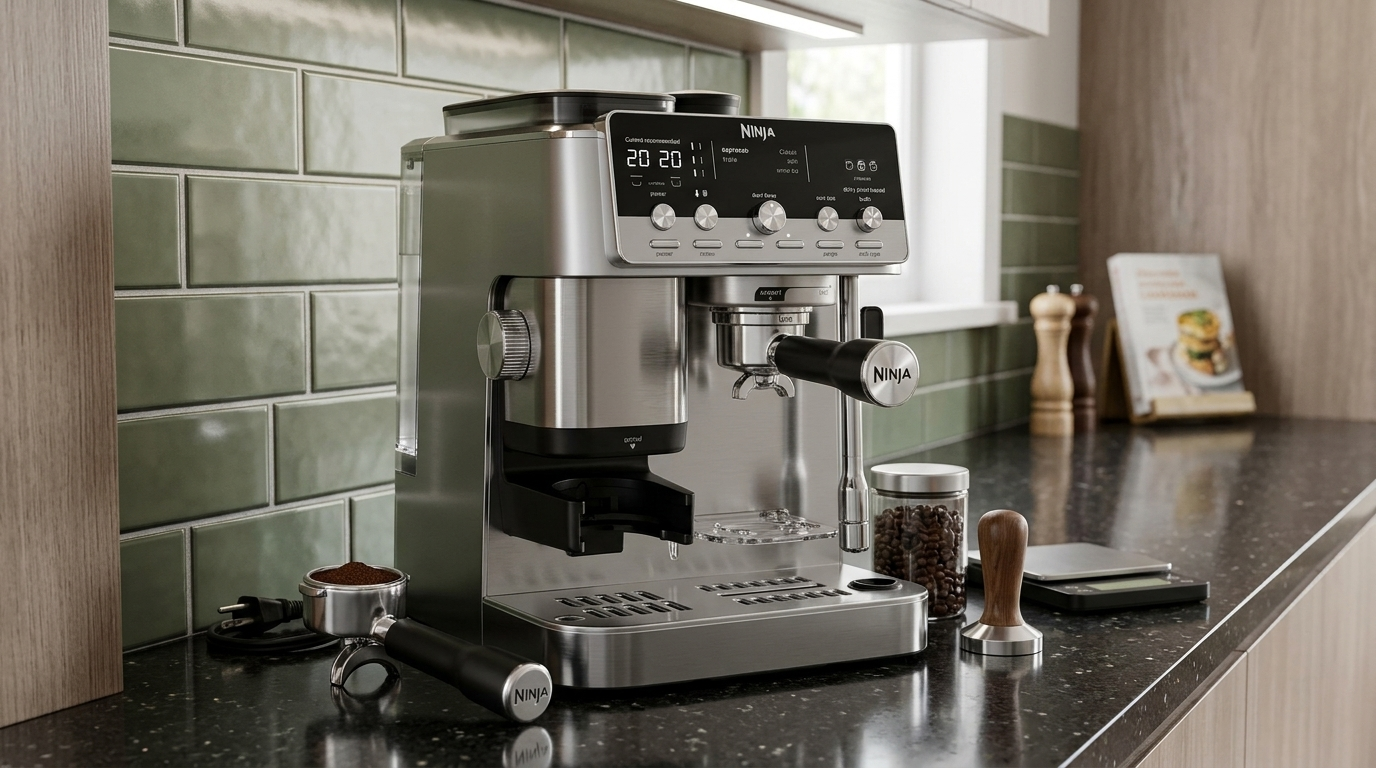
The Mini’s smaller tray and tank are the price of its compact body.
Our tip: Purge the steam wand for two seconds right after every milk drink on both machines, because dried milk inside the tip is the hardest thing to clean later.
Noise
Both grinders are moderately loud for 10 to 15 seconds, and both machines beep loudly until you switch the sounds off.
The Premier’s whisk made a low whir while frothing; the Mini’s wand hissed more in manual mode. Neither is a quiet machine, but neither is unpleasant.
How loud each felt, my ranking
Relative loudness from side-by-side use. Shorter bars are quieter.
Water, beans and long-term care
The Mini’s 44 oz tank was the compromise I felt most. With two of us drinking two milk drinks a day, I refilled it about every second day, and every day when guests visited.
The Premier’s bigger tank stretched to three or four days. Both hoppers are removable and lockable, which made switching beans easy.
Both prefer fresh medium and medium-dark roasts. The Mini handled lighter roasts better thanks to its finer grinder steps.
Drinks per full tank, rough maths
Allowing for purge and rinse water. Your numbers depend on cup size.
| Bean type | Mini Plus | Premier |
|---|---|---|
| Medium blend | Best | Best |
| Dark roast | Great | Great |
| Medium-light | Good, use fine settings | Runs fast |
| Very oily beans | Small amounts | Small amounts |
Our tip: Refill the Mini’s tank every evening, so you never start a latte in the morning and run dry halfway through steaming.
Extras and the torn-between question
Neither machine needs much extra kit. A small knock box made puck disposal tidier on both, and a second milk jug was handy on the Premier so I could keep one for cold foam and one for hot milk.
On the Mini, a 12-ounce jug made manual steaming easier than the larger included jug when I was making a single latte. A cheap kitchen scale is not needed on either, because both weigh the dose for you.
Still torn between the two?
Ask yourself what you drink in July. If the answer is an iced latte, the Premier’s cold foam will make you happier every summer day, and that alone justifies its bigger footprint.
If the answer is the same hot flat white you drink in January, the Mini Plus will give you a slightly better cup, a tidier counter and a lighter machine to clean around.
The other deciding question is cups. If anyone in your house fills a tall travel mug before work, measure it. The Premier fits travel mugs easily; the Mini is built around ordinary mugs and cups.
Finally, think about how many people use the machine. The Mini’s 44 oz tank is perfect for one or two people. For a family of four making milk drinks, the Premier’s bigger tank saves a lot of refills.
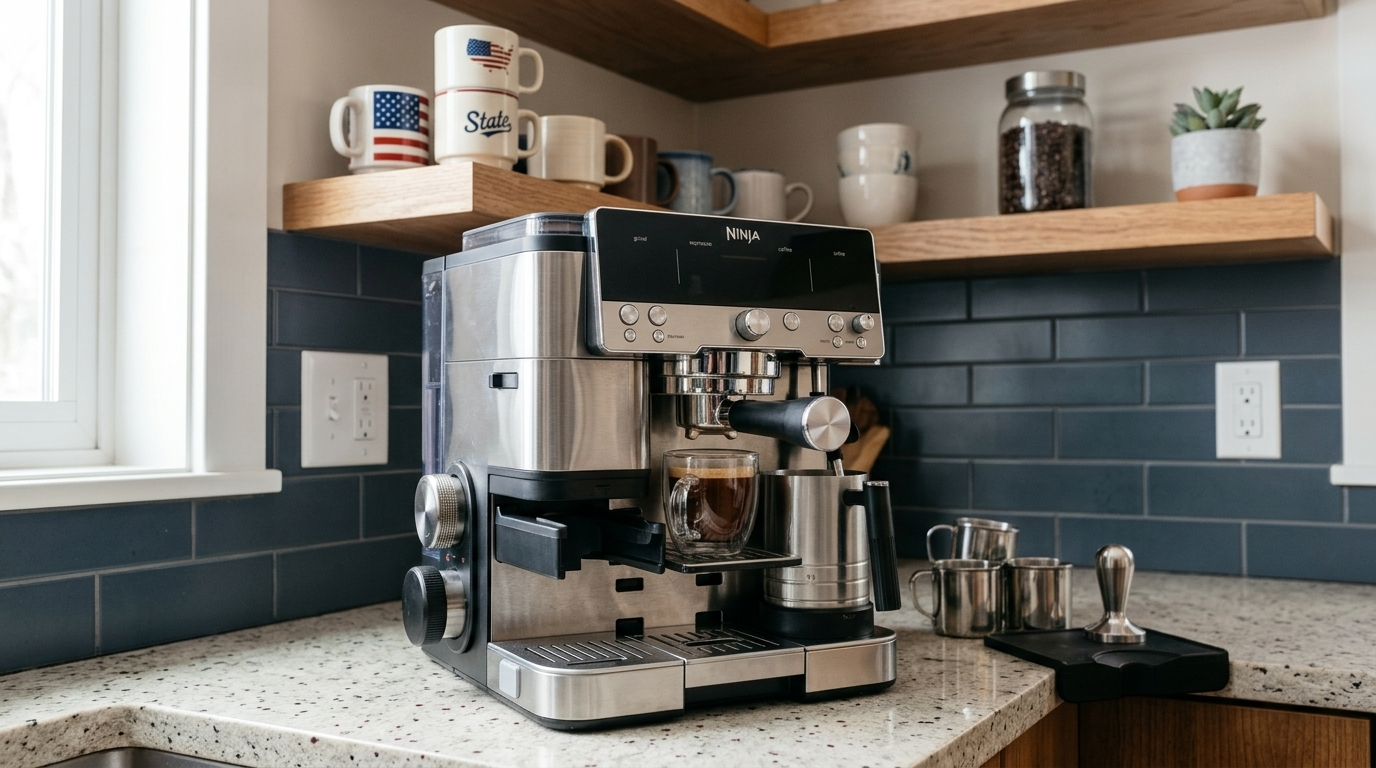
The Premier’s whisk presets are the more relaxed way to make a latte while you do something else.
What I would change on each
On the Mini Plus, I would give it a bigger water tank before anything else. The 44 oz tank is the one thing that reminded me every day that I was using the compact model. A double-spout portafilter would be my second wish, so two people could share a double shot.
On the Premier, I would improve the large-basket coffee. The idea of a 3-in-1 machine is great, but the drip-style coffee did not live up to the espresso. I would also love the Mini’s finer grinder steps for lighter roasts.
Both machines would benefit from quieter default beeps. It took me a few days to find the setting, and I suspect many owners never do.
Time per drink, my average
Hands-on and waiting time combined, from a warm machine.
Speed is a near tie. Both took about a minute for a double espresso and about two and a half minutes for a latte. The difference is how much of that time you spend standing at the machine: on the Premier, the frother works while you do something else.
Four weeks with each: my diary notes
These are the notes I kept as each Ninja settled into my real routine.
Ninja Luxe Café Mini Plus
Week 1: Dialed in by day two. The 60-step grinder made small adjustments easy.
Week 2: I gave up on automatic frothing for lattes and learned manual steaming, which clicked within a few days.
Week 3: The small tank became part of my evening routine. Refill, empty the tray, done.
Week 4: The best espresso of the two, from a machine that left most of my counter free.
Ninja Luxe Café Premier
Week 1: Cold foam became a household favorite on day one.
Week 2: I tried the large-basket coffee a few times and switched to americanos.
Week 3: Hands-free frothing meant I could pack lunches while my latte made itself.
Week 4: The more versatile machine, especially for iced drinks and travel mugs.
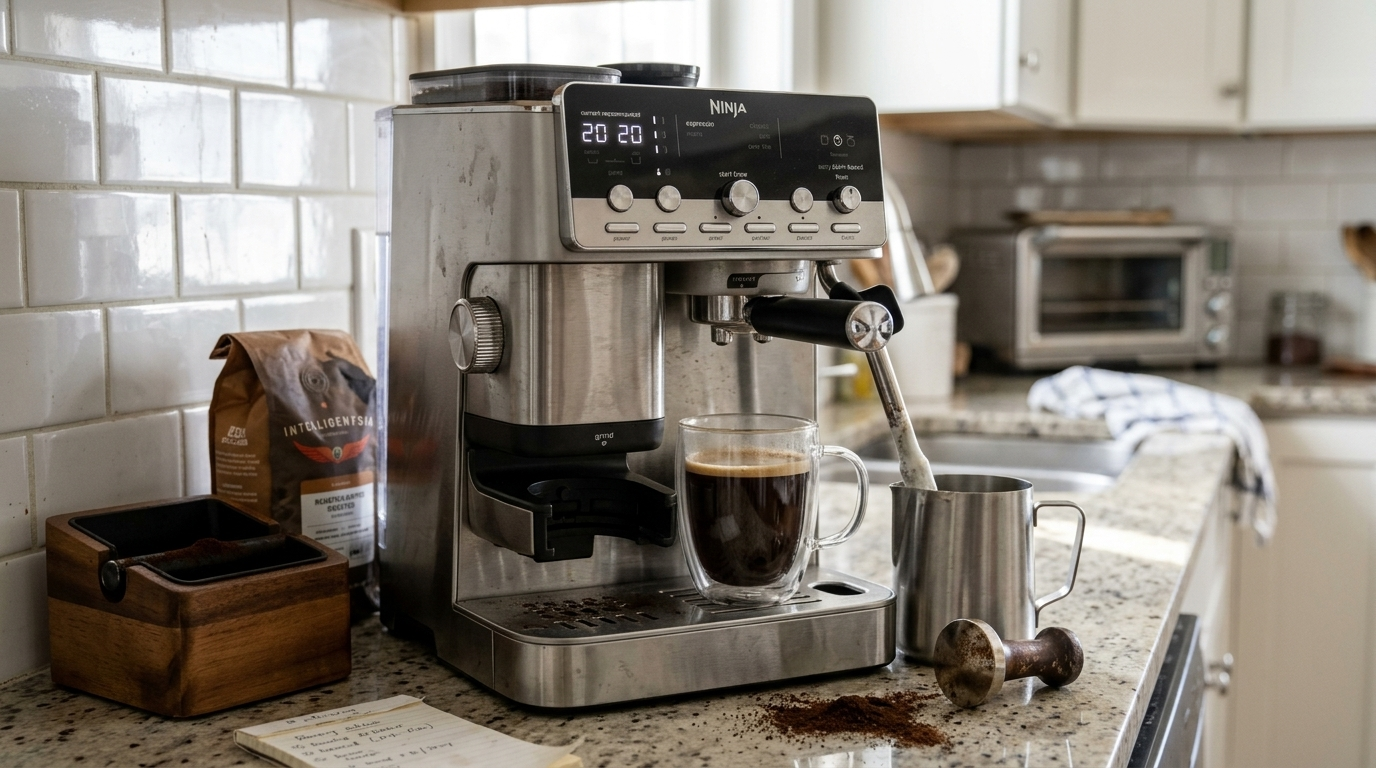
By week four, the Mini had become my favorite for hot espresso drinks.
Real-life scenarios
These are the situations where one machine clearly pulled ahead during my testing.
About 29 percent less counter space and 6.6 lb lighter.
Cold foam and over-ice brewing that the Mini simply does not have.
Its wand is strong enough for real microfoam when you steam by hand.
It fits tall mugs that will not go under the Mini.
The sweeter, clearer shot of the two.
Its whisk presets froth consistently without you watching.
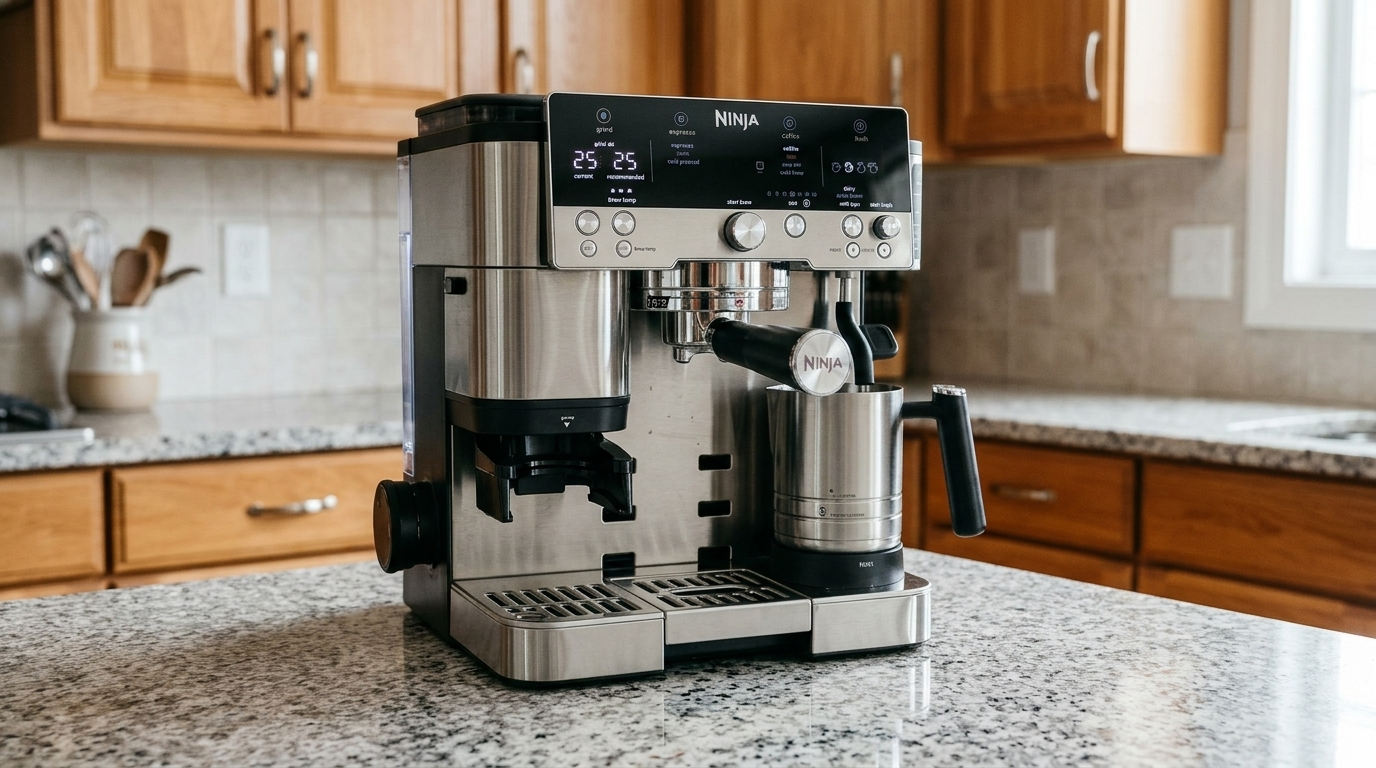
For iced drinks and big mugs, the Premier earns its bigger footprint.
My scorecard
These are my own scores out of 10. The first four come from my single reviews of each machine, and I added iced drinks and size because they decide this matchup.
Ninja Luxe Café Mini Plus
Ninja Luxe Café Premier
Overall, I rate the Mini Plus 8.3 and the Premier 8.1. The Mini is the better espresso machine for small kitchens; the Premier is the more versatile all-rounder.
See How Much You’ll SaveWhich one is right for you?
4 quick questionsWhich one should you buy?
If you drink hot drinks and your kitchen is small, the Mini Plus is enough, and its espresso is slightly better. If iced drinks, cold foam or big travel mugs are part of your routine, buy the Premier. Still weighing other options? I rank every model I’ve tested in my guide to the best Ninja espresso machines.
For the rest of the range, see my Luxe Café Premier vs Pro comparison, which covers the Luxe Café Pro, and my Ninja Luxe Café vs Barista Express head-to-head.
For small kitchens and hot drinks, the Mini Plus is all most people need.
- Your counter space is limited
- You drink hot espresso, americanos and lattes
- You want the sweeter espresso
- You want to learn manual steaming
- You drink iced lattes often
- You use tall travel mugs
- You want a big water tank
- You want cold foam and cold brew
- You want hands-free frothing
- You use travel mugs
- You make two espressos at once
- Your kitchen is small
- You want the best espresso of the two
- You drink light roasts
For most people, my pick is the Ninja Luxe Café Mini Plus. It pulled the better espresso, its wand can make real microfoam, and it takes noticeably less space. Just keep its small tank topped up.
The Ninja Luxe Café Premier is the better buy if iced drinks matter. Its cold foam, cold brew and over-ice brewing are things the Mini cannot do, and its hands-free frother is more consistent.
Whichever you choose, use fresh beans, tap out the funnel before each shot and purge the wand after every milk drink.
Mini Plus vs Premier specifications
From manufacturer specifications and my own testing.
| Ninja Luxe Café Mini Plus | Ninja Luxe Café Premier | |
|---|---|---|
| Model | ES351 | ES601 |
| Type | Semi-automatic with grinder and scale | Semi-automatic with grinder and scale |
| Brew styles | Espresso, long espresso, coffee crema, filter coffee | Espresso, drip-style coffee, cold brew |
| Grinder | Conical burr, 60 settings | Conical burr, 25 settings |
| Dosing | Built-in scale, about 17–18 g double | Built-in scale, about 20 g double |
| Tamping | Spring-loaded assisted tamper | Assisted lever tamper |
| Portafilter | Single spout | Double spout |
| Milk | Steam wand, 3 auto levels plus manual | Dual Froth System, 4 presets |
| Cold foam | No | Yes |
| Pressure | 9 bar | 9 bar |
| Heat-up | About 30–35 s | About 30 s |
| Bean hopper | About 8.8 oz | Removable, lockable |
| Water tank | About 44 oz | Larger, removable |
| Power | 1,650 watts | 1,650 watts |
| Dimensions (W x D x H) | 12.2 x 10.2 x 13.4 in | 13.4 x 13 x 14.6 in |
| Weight | About 19.4 lb | About 26 lb |
How I tested and compared them
Michael Reynolds here. I used each machine as my everyday coffee maker for four weeks, making espresso, americanos, lattes, flat whites and iced drinks, and kept notes on every week.
I weighed doses and yields, measured milk temperatures with a probe thermometer, tried automatic and manual frothing on the Mini and every preset on the Premier, and foamed whole, skim and oat milk.
I worked through each grinder’s range with light, medium and dark roasts, ran every cleaning and descaling routine, and compared my notes with Ninja’s specifications and owner documentation.
- Coffee: dose, crema, body and consistency.
- Milk: foam texture, temperature and cold foam.
- Workflow: dosing, tamping and guidance.
- Ownership: size, tank, noise and cleaning.
Ninja Luxe Café Mini Plus vs Premier FAQ
What is the difference between the Ninja Luxe Café Mini Plus and Premier?
The Mini Plus is smaller, with a 60-setting grinder, a steam wand you can use automatically or by hand, and a 44 oz tank. The Premier is larger, with a 25-setting grinder, a whisk-assisted frother with cold foam, and drip-style and cold brew options.
Is the Ninja Luxe Café Mini Plus enough?
For hot espresso, americanos and lattes, yes. It made the better espresso in my testing. If you want cold foam, cold brew or travel mug clearance, buy the Premier.
Does the Ninja Luxe Café Mini make cold foam?
No. The Mini Plus has no cold foam, cold brew or cold press. The Premier has a dedicated cold foam preset.
Which makes better espresso, the Mini Plus or Premier?
The Mini Plus, slightly. Its 60-step grinder let me fine-tune shots more precisely, and the espresso tasted sweeter and clearer.
Can you make latte art with the Ninja Luxe Café Mini Plus?
Yes, when you steam by hand. Its wand is strong enough for proper microfoam. Its automatic mode is less consistent.
How big is the water tank on the Mini Plus?
About 44 oz. I refilled it about every second day with two people drinking two milk drinks each.
Which is smaller?
The Mini Plus, at about 12.2 x 10.2 x 13.4 inches and 19.4 lb. The Premier is about 13.4 x 13 x 14.6 inches and 26 lb.
Do both have a built-in scale?
Yes. Both weigh your dose as they grind and stop at the right amount.
Can the Mini Plus make two espressos at once?
Not easily. It has a single-spout portafilter, so a double goes into one cup.
Which is easier to clean?
They are very similar. The Mini’s smaller drip tray and tank need emptying and refilling more often; the Premier’s whisk needs a quick rinse.

- Our hands-on Ninja Luxe Café Mini Plus review
- Our hands-on Ninja Luxe Café Premier review
- Ninja product specifications and owner documentation
- General espresso brewing and milk frothing guidance