Coffee and Anxiety: How Caffeine Affects Stress, Nerves and Sleep (and How to Cut Back)
Coffee can sharpen your morning, but for some people it also turns up the volume on worry, restlessness and bad sleep. Here is how caffeine feeds the stress response, how to tell whether it's affecting you, and a gentle way to cut back without the withdrawal headaches.
We choose products independently. When you buy through links on HouseholdMe we may earn a commission, at no extra cost to you. Affiliate policy
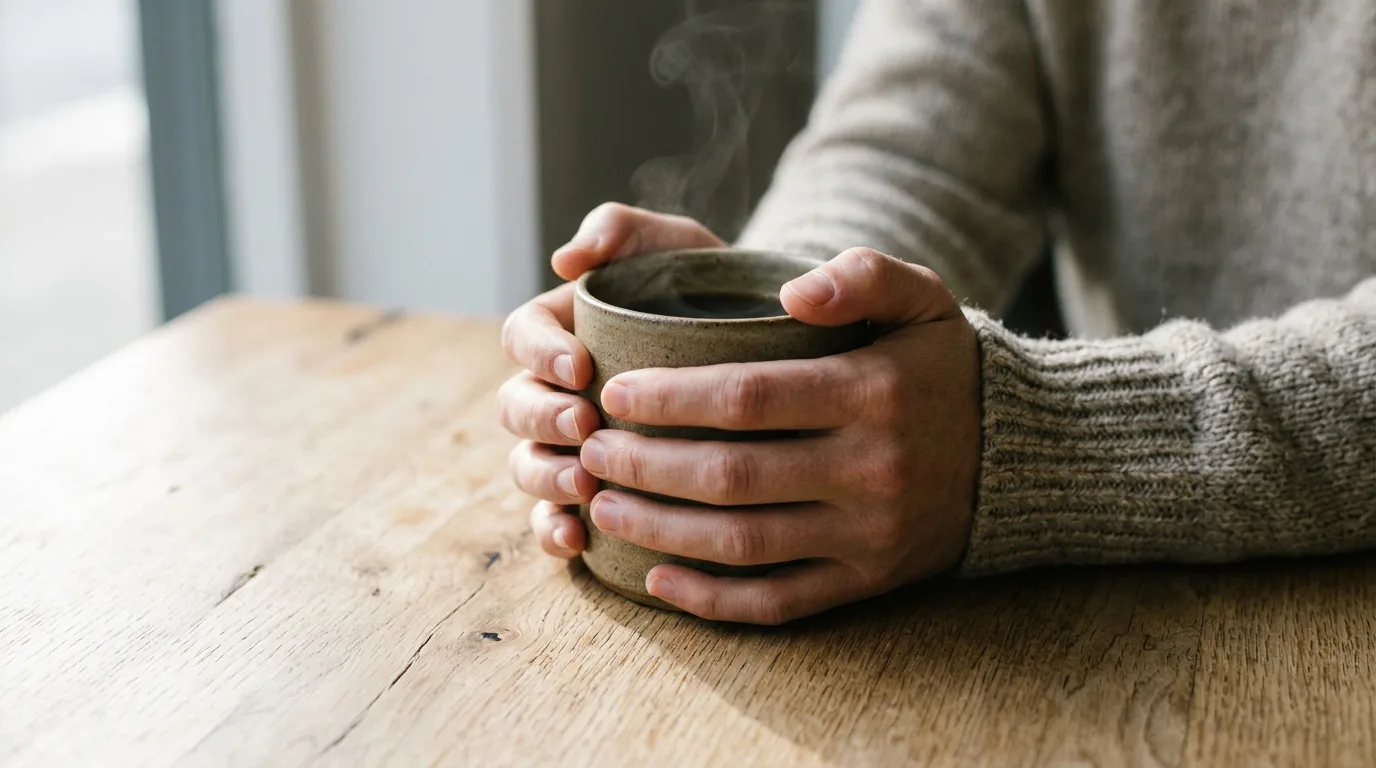
Yes, coffee can make anxiety worse, especially if you're sensitive to caffeine or drink a lot of it. Caffeine blocks the brain's tiredness signal and switches on parts of the body's stress response: a faster heart, higher blood pressure and a more alert, on-edge nervous system. That can feel like nervousness, racing thoughts and impatience, and late coffee can wreck sleep, which makes anxiety worse the next day. Coffee doesn't cause anxiety for everyone. If you suspect it's affecting you, cut back slowly by mixing in decaf over a few weeks rather than quitting overnight.
Why I wrote this
For a few years I drank four or five strong coffees a day without thinking about it. It came with the job: I test espresso machines and grinders, so there's always a shot to pull.
Around the same time, I noticed I'd become impatient. Small things irritated me. My mind jumped ahead to everything that could go wrong. I slept badly and blamed work.
It took me an embarrassingly long time to connect the two. When I finally cut back, the change was bigger than I expected.
That doesn't mean coffee is bad, or that it will affect you the way it affected me. Lots of people drink several cups a day and feel perfectly calm. But if you live with anxiety, sleep poorly or feel constantly rushed, caffeine is worth a closer look.
This article covers how caffeine interacts with stress and anxiety, the signs to watch for, and the gentle method I used to cut back. I'm not a doctor or a therapist. If anxiety is affecting your life, please talk to a professional. Cutting caffeine can help, but it's not a replacement for proper care.
Coffee and everyday stress
Coffee is everywhere. It's socially accepted, cheap, available on every corner and treated as an essential part of a productive morning.
Most of us drink it to wake up, concentrate, stay alert and get through a demanding day. For many people that works fine.
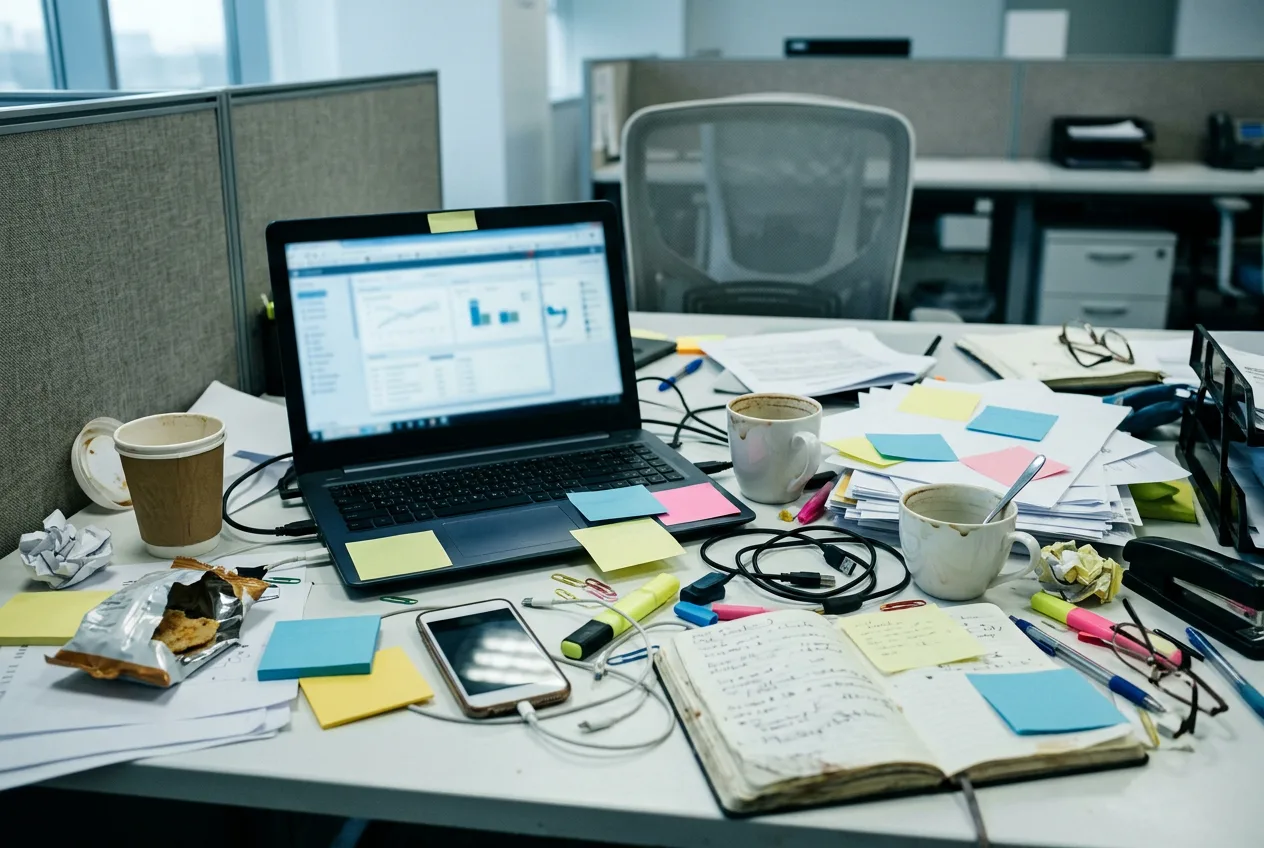
But caffeine does more than make you feel awake. For some people, regular caffeine adds to stress and anxiety, disturbs sleep and creates a constant feeling of being in a hurry.
The tricky part is that a long habit makes its own effects feel normal. If you've had three cups every day for ten years, you may not realize that some of your usual tension, impatience or nervousness could be partly caffeine.
Anxiety, irritability, restlessness and poor sleep have many causes. Caffeine is just one possible factor, but it's one that's easy to test and easy to change, which is why I think it's worth checking first.
The goal isn't to decide that coffee is harmful for everyone. People respond very differently. The goal is to understand how caffeine works, spot the warning signs and decide whether drinking less would make you feel better.
What caffeine does in the brain
Caffeine is a stimulant that works mostly by blocking adenosine receptors in the brain. Adenosine builds up while you're awake and gradually makes you sleepy. It's one of the brain's main "time to rest" signals.
When caffeine reaches your brain, it occupies some of those receptors. Adenosine can't do its job as well, so you feel more alert and less tired.
But this doesn't remove your need for sleep. It just mutes one of the signals that tells you you're tired. Caffeine masks fatigue; it doesn't replace rest. I explain the full mechanism in my article on how caffeine affects the brain.
That distinction matters for anxiety. If you rely on caffeine to override exhaustion, you're pushing a tired body to run in high gear. That combination, tired underneath and stimulated on top, is a recipe for feeling frazzled.
Caffeine also lasts. Its half-life is several hours in most adults, and longer in some people, so a morning coffee can still be influencing your nervous system in the evening.
Caffeine, stress hormones and the fight-or-flight response
Your body has a built-in alarm system called the fight-or-flight response. When you sense danger, it prepares you to act: your heart beats faster, your breathing quickens, your muscles tense and your attention narrows.
That response is a lifesaver when the danger is real. The problem is when it switches on for no good reason.
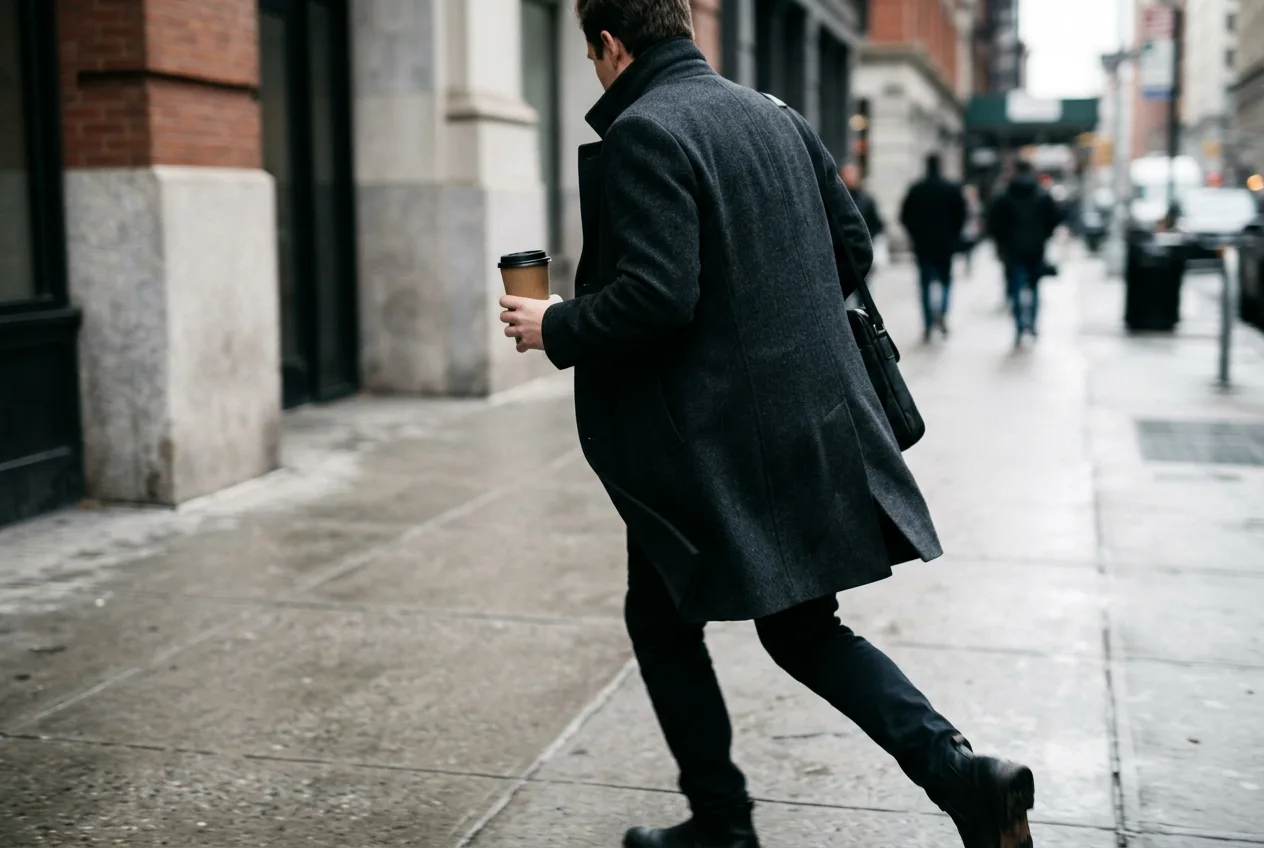
Caffeine stimulates the nervous system and increases physical arousal. Depending on the dose and how sensitive you are, it can raise your heart rate, blood pressure and alertness, and increase the release of stress-related hormones such as adrenaline.
In other words, a strong coffee produces some of the same body sensations as stress. A racing heart, shaky hands and a tight chest feel similar whether they come from a scare or from a triple espresso.
If your body is already partly in that state, ordinary things can feel bigger than they are. A routine work task, an unexpected phone call, a delayed appointment or a small inconvenience can suddenly feel urgent.
Caffeine doesn't put everyone into a constant emergency mode. But too much of it, or a sensitive nervous system, can add to feelings of tension and nervousness.
What this feels like in real life
- Your thoughts speed up and jump from one thing to the next
- You feel you must finish several tasks right now
- It's hard to sit still or relax
- Your mind fixes on everything that could go wrong
- Small delays or interruptions make you irritable
This can turn into a pattern where your mind is always scanning for the next problem. When some people cut caffeine, they find it easier to pause, look at a situation calmly and respond with more patience instead of treating every inconvenience as an emergency.
The sleep and coffee loop
Sleep and anxiety are tightly linked. A bad night makes most people more anxious, more irritable and more sensitive to stress the next day.
For caffeine-sensitive people, even an early-afternoon coffee can make it harder to fall asleep or get deep, restorative sleep. You might not feel wired at bedtime, but the caffeine is still there, quietly lightening your sleep.
That sets up a familiar loop:
- You sleep badlyLate caffeine makes sleep lighter or shorter.
- You wake up tiredAnd more anxious and irritable than usual.
- You drink more coffeeTo get through the morning and the afternoon slump.
- You're overstimulatedMore caffeine adds to the jittery, on-edge feeling.
- You sleep badly againAnd the loop starts over.
Breaking the loop usually means reducing caffeine, not adding more. Moving your last cup earlier is often the single most effective change. My article on coffee and sleep goes deeper into timing.
When coffee starts running your mornings
One side of the coffee habit gets little attention: how much time and mental space it takes up.
For many people, coffee isn't just a drink. It's the morning. Get up, switch on the machine, grind the beans, heat the water, make the drink, sit down with it. That can easily take 20 to 30 minutes.
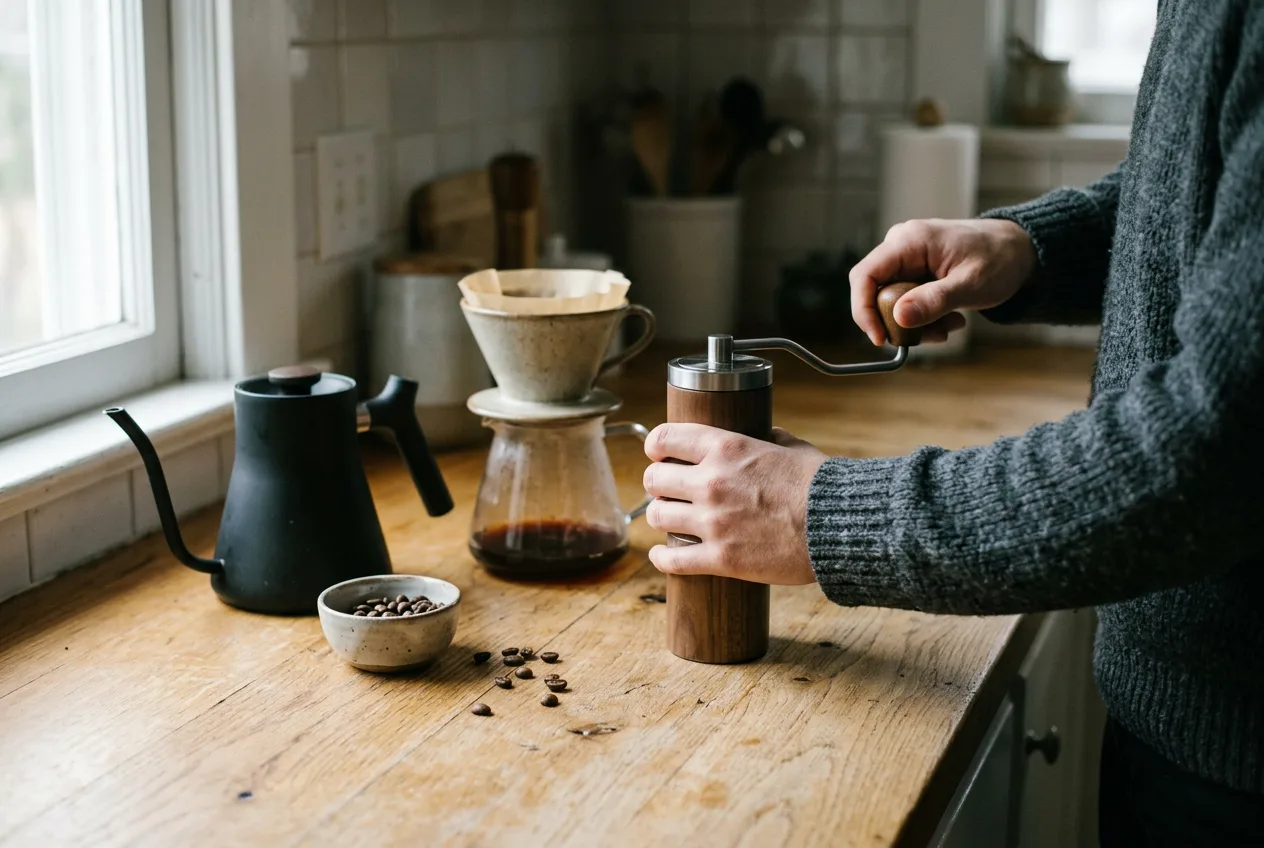
I love that ritual, and there's nothing wrong with enjoying it. The problem starts when you feel you can't begin the day without it.
Dependence turns a pleasure into an obligation. Instead of choosing when to have coffee, you organize the morning around getting it.
That gets awkward when you travel, stay with friends or spend time away from home. Will the hotel have a coffee maker? Where can I get coffee before my meeting? Those questions become small, unnecessary sources of worry.
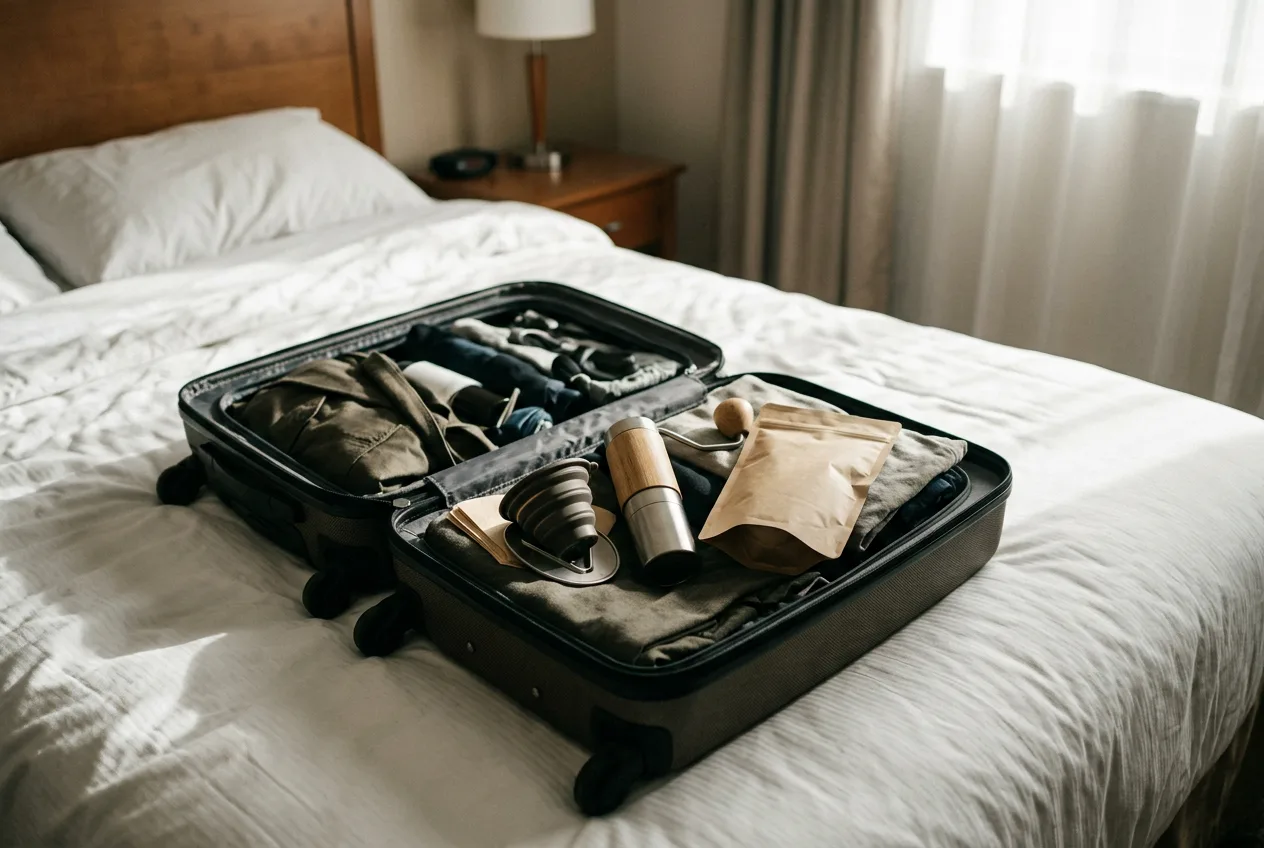
And if you miss your usual dose, you may get a withdrawal headache, fatigue and irritability, which hardly helps an anxious mind.
Cutting back can free up time and flexibility. Mornings get simpler: you can walk, exercise, eat breakfast or start work without first completing a long coffee routine.
The bigger benefit is a feeling of control. You run your morning, rather than a substance running it for you.
Anxiety, restlessness and hydration
Caffeine affects people differently, but too much of it, or a sensitive system, can bring anxiety and uncomfortable physical symptoms.
Some people get racing thoughts, restlessness, irritability, nervousness or a persistent sense that something needs attention right now.
A common pattern is living in the future. Instead of focusing on what's in front of you, your mind keeps jumping between "what if" scenarios: what might happen next, what could go wrong, what you have to finish immediately.
If you already struggle with anxiety, caffeine can make these feelings stronger. Cutting back can make it easier to tell the difference between a real concern and plain mental agitation.
What about all the bathroom trips?
Caffeine is a mild diuretic, so it can make you urinate more, especially if you're not used to it. Regular coffee drinkers usually build up some tolerance to this.
Frequent bathroom trips can be a nuisance when you're traveling, working, exercising or stuck somewhere without a restroom, and for some people that becomes another small source of worry.
But coffee doesn't cause serious dehydration. Moderate amounts count toward your daily fluids. Drinking water through the day and paying attention to thirst and urine color is enough for most people. I covered this in my article on whether coffee dehydrates you.
The bigger question is how caffeine affects your day as a whole. If coffee regularly makes you physically uncomfortable or more nervous, drinking less is worth trying.
Using coffee to skip food
Another trap is using caffeine in place of a meal. Coffee can blunt the feeling of hunger for a while, so some people drink it to push their first meal later and later.
That tends to backfire. Coffee on an empty stomach can cause stomach irritation, acid reflux, nausea or a rush to the bathroom in some people.
Caffeine can also make you feel shakier and more nervous when you haven't eaten. Lots of caffeine plus not enough food often leaves people feeling worse, not more energized.
Hunger is a normal signal from your body. Regularly drowning it out with stimulants can make it harder to have a relaxed relationship with food.
If you like a later breakfast, it's usually better to plan your meals around that than to rely on coffee to suppress your appetite. And if you have a medical condition, take medication or have had a difficult relationship with food, talk to a doctor or dietitian before changing how you eat.
The principle is simple: coffee goes with food, it doesn't replace it.
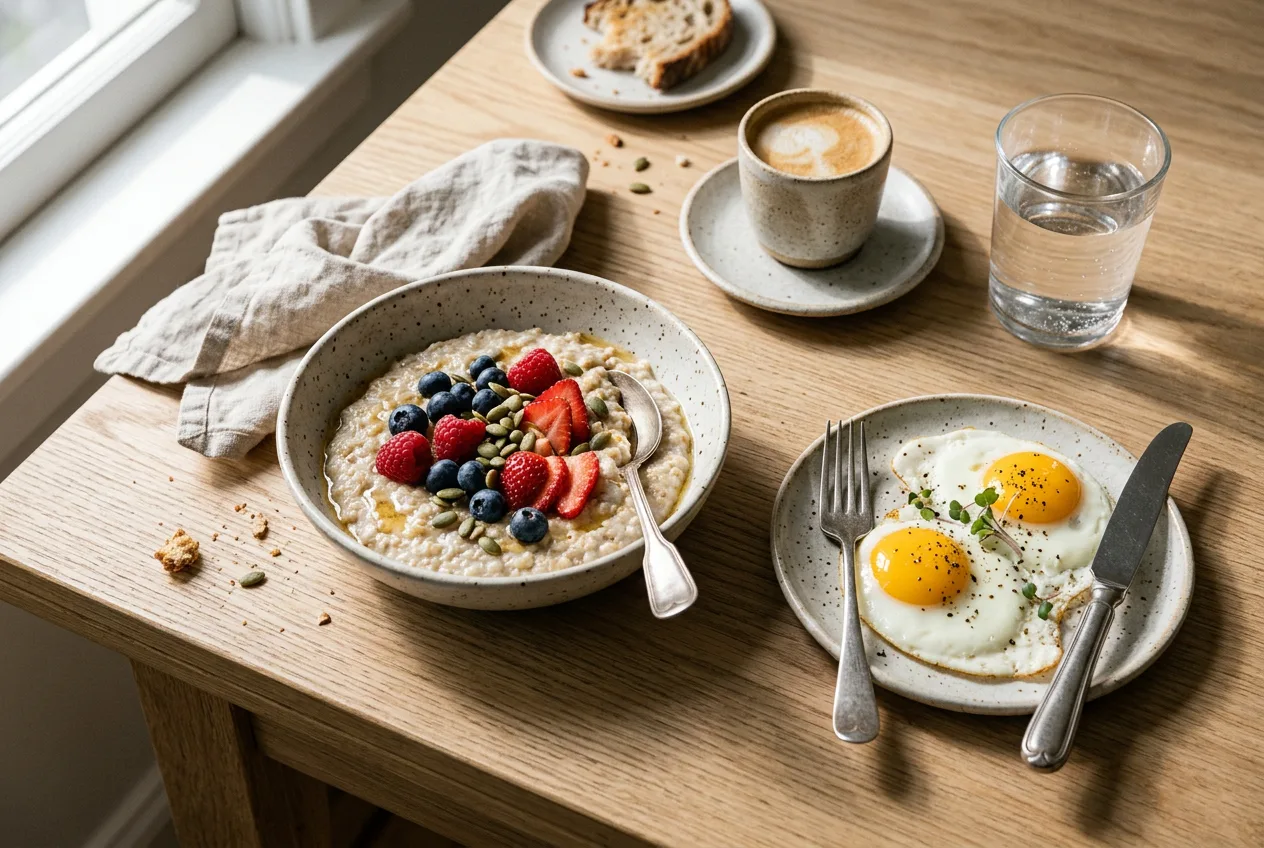
Our tip: If coffee makes you jittery, try having it with or after breakfast rather than first thing on an empty stomach. Many people find the same cup feels much gentler.
Who is most sensitive to caffeine-related anxiety
Some people can drink espresso all day and feel calm. Others get shaky from a single cup of tea. A few groups tend to be more affected:
| Group | Why caffeine may hit harder |
|---|---|
| People with anxiety or panic disorders | Caffeine's physical effects resemble anxiety symptoms and can trigger or worsen them |
| Slow caffeine metabolizers | Genetics keep caffeine in the body longer, so effects last and build |
| Occasional drinkers | No tolerance, so a normal coffee feels strong |
| People short on sleep | Tired bodies are more stress-reactive and lean harder on caffeine |
| Pregnant people | Caffeine clears much more slowly; lower limits are advised |
| People on certain medications | Some drugs slow caffeine breakdown or add stimulant effects |
| Teenagers | Smaller bodies and developing sleep patterns; energy drinks are a common source |
If you're in one of these groups, the general 400 mg guideline is probably too high for you. A doctor or pharmacist can give personal advice, especially about medications.
Is it anxiety or too much caffeine?
The overlap between caffeine overload and anxiety is so big that it's genuinely hard to tell them apart in the moment. Both can bring a fast heartbeat, shaky hands, restlessness, a tight chest and a busy mind.
A few clues can point one way or the other:
- Timing. Caffeine-driven symptoms usually start 15 to 60 minutes after a drink and ease as the caffeine wears off over a few hours.
- Dose. If symptoms are clearly worse on days you have more coffee, or a stronger coffee than usual, caffeine is a likely contributor.
- Triggers. Anxiety often attaches to specific worries or situations. Caffeine jitters can feel more physical and "free-floating."
- The decaf test. Swap to decaf for a week. If the physical symptoms fade but the worries stay, caffeine was amplifying something else.
Often it's both at once: an anxious person who drinks a lot of coffee gets a double dose of the same sensations. In that case, cutting caffeine won't solve the anxiety, but it can take a noticeable amount of fuel off the fire.
If you ever have chest pain, fainting, severe shortness of breath or a very irregular heartbeat, don't assume it's just coffee or nerves. Get medical help.
Signs caffeine might be affecting you
Because coffee is so normal, it's easy to miss symptoms it could be causing. These are the common signs of too much caffeine or high sensitivity:
- More anxiety or nervousness than usual
- Racing thoughts and trouble relaxing
- Irritability and impatience
- Restlessness or feeling physically unsettled
- Trouble falling asleep
- Poor sleep or waking often at night
- Headaches when your coffee is late
- A fast heartbeat or palpitations
- Shakiness or trembling
- Stomach discomfort or acid reflux
- Frequent urination
- Feeling tired even after several cups
- Feeling you can't start the day without coffee
None of these automatically mean caffeine is to blame. Anxiety disorders, sleep problems, nutrient deficiencies, medications and other health issues can cause the same symptoms.
But if they keep showing up after coffee, or ease when you drink less, caffeine deserves a closer look.
Track it for two weeks
The easiest way to find out whether caffeine is part of the problem is to write things down. Memory is unreliable; a simple log isn't.
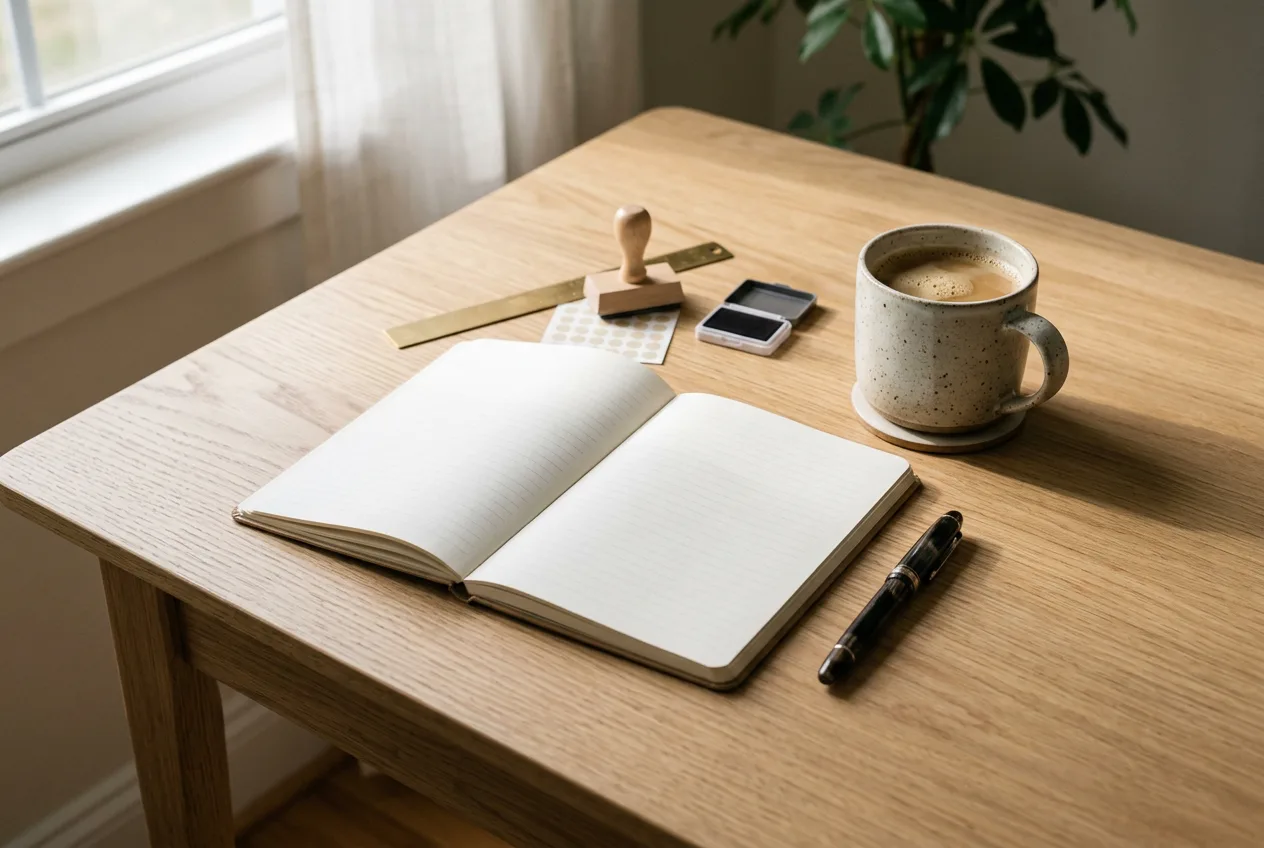
For two weeks, jot down:
- What you drank and roughly how much caffeine it had
- What time you drank it
- How you slept that night
- Your energy levels during the day
- Any anxiety, jitters or physical discomfort, and when it started
Patterns usually jump out quickly. In my case, the anxious, impatient feeling clustered in the late morning, an hour or so after my second coffee, and my worst nights followed afternoons when I'd tested machines with regular beans.
Our tip: Rate your anxiety and your sleep each day from 1 to 5. Numbers make it much easier to see whether things improve as you cut back.
How to cut back gradually (without the headaches)
If you drink coffee every day, stopping suddenly can be miserable. Your body has adapted to caffeine, and your nervous system needs time to readjust.
Common withdrawal symptoms include headaches, fatigue, poor concentration, irritability, low mood and generally feeling below par.
They usually start 12 to 24 hours after your last caffeine, are often worst over the next day or two, and mostly fade within several days, though some people feel them for longer.
And withdrawal can feel a lot like anxiety, which is the opposite of what you're trying to achieve. A gradual approach is much kinder.
The half-and-half method
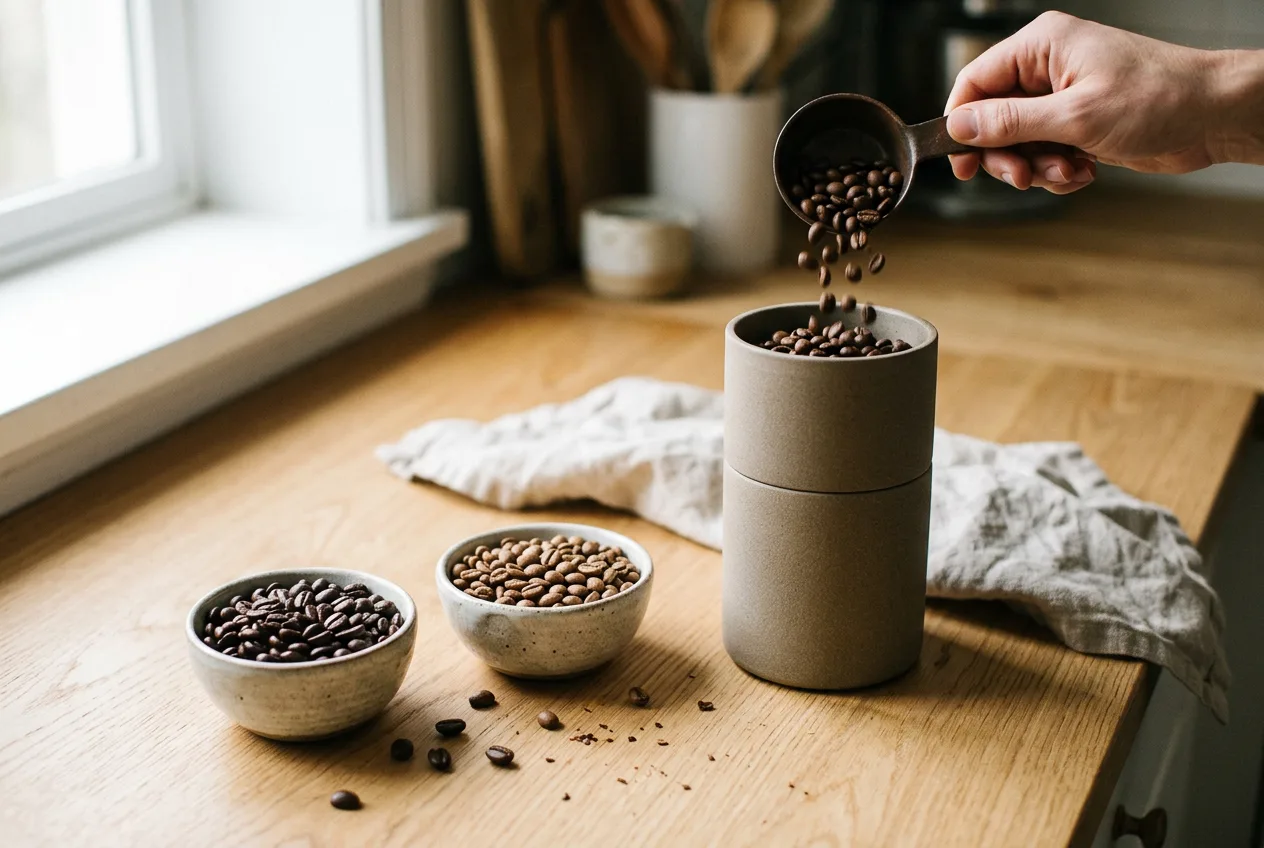
The method I used, and the one I recommend to friends, is to blend regular coffee with decaf and slowly shift the ratio. You keep the taste and the ritual while the caffeine drops in the background.
| Stage | Regular : decaf (by scoop) | Caffeine vs. your usual | How long |
|---|---|---|---|
| Start | 4 : 0 | 100% | Your baseline |
| Stage 1 | 3 : 1 | about 75% | 1–2 weeks |
| Stage 2 | 2 : 2 | about 50% | 1–2 weeks |
| Stage 3 | 1 : 3 | about 25% | 1–2 weeks |
| Stage 4 | 0 : 4 | a few percent | Decide what's next |
For example, if you normally use four scoops of regular coffee, start with three scoops of regular and one of decaf. Stay there for a week or two.
Then go to two and two, then one regular to three decaf, and finally all decaf. At that point you can decide whether to stay on decaf, stop coffee altogether or settle at a level that suits you.
The schedule doesn't need to be strict. The point is to reduce at a pace your body can handle. If withdrawal symptoms get uncomfortable, stay at the current stage a bit longer instead of giving up.
If you drink café coffee
- Order a half-caff (half regular, half decaf espresso). Most good cafés will do it.
- Switch from a double shot to a single shot in your usual drink.
- Choose a smaller size.
- Replace your afternoon coffee with decaf first. It's the cup that hurts sleep the most.
How much caffeine is in decaf?
Decaf isn't completely caffeine-free. A typical 8 oz cup contains roughly 2 to 15 milligrams of caffeine, depending on the beans and how it's made.
Regular brewed coffee usually has around 80 to 100 milligrams in the same size cup. So decaf cuts caffeine by roughly 90 percent or more.
Caffeine in an 8 oz cup (typical)
For most people, that small amount doesn't matter. For very sensitive people, even decaf can be noticeable if they drink several cups. Modern decaf can taste excellent; I explain how it's made in my guide to how decaf coffee is made.
What to expect week by week
People often give up on cutting back because the first few days feel worse, not better. Knowing the usual pattern helps you push through.
| When | What many people notice |
|---|---|
| Days 1–3 | Mild headaches, sluggish afternoons, cravings around your usual coffee time |
| Days 4–7 | Headaches fade; energy is uneven but improving |
| Weeks 2–3 | Falling asleep gets easier; fewer late-morning jitters |
| Weeks 4–6 | More even energy through the day; one coffee feels effective again |
With the gradual decaf method, the early bumps are usually much smaller than with quitting cold turkey. If a stage feels rough, stay there for an extra week. There's no prize for speed.
Set yourself a simple caffeine budget
Once you've found a level that feels good, a simple daily "budget" stops you drifting back up without noticing. Mine has three rules:
- One proper coffee before noonA double espresso or a flat white, made the way I like it, with breakfast.
- Nothing caffeinated after 1 pmAfternoon cups are decaf, herbal tea or water. This protects my sleep more than anything else.
- Count the hidden caffeineIf I have black tea or a cola, it comes out of the same budget.
Your numbers will be different. Some people are happy with two cups; others feel best with a single small one or none. The point is to decide deliberately rather than drinking on autopilot.
Building a calmer morning routine
Cutting back on caffeine is a good moment to rethink your mornings. Instead of starting the day with a stimulant, you can build habits that support natural alertness.
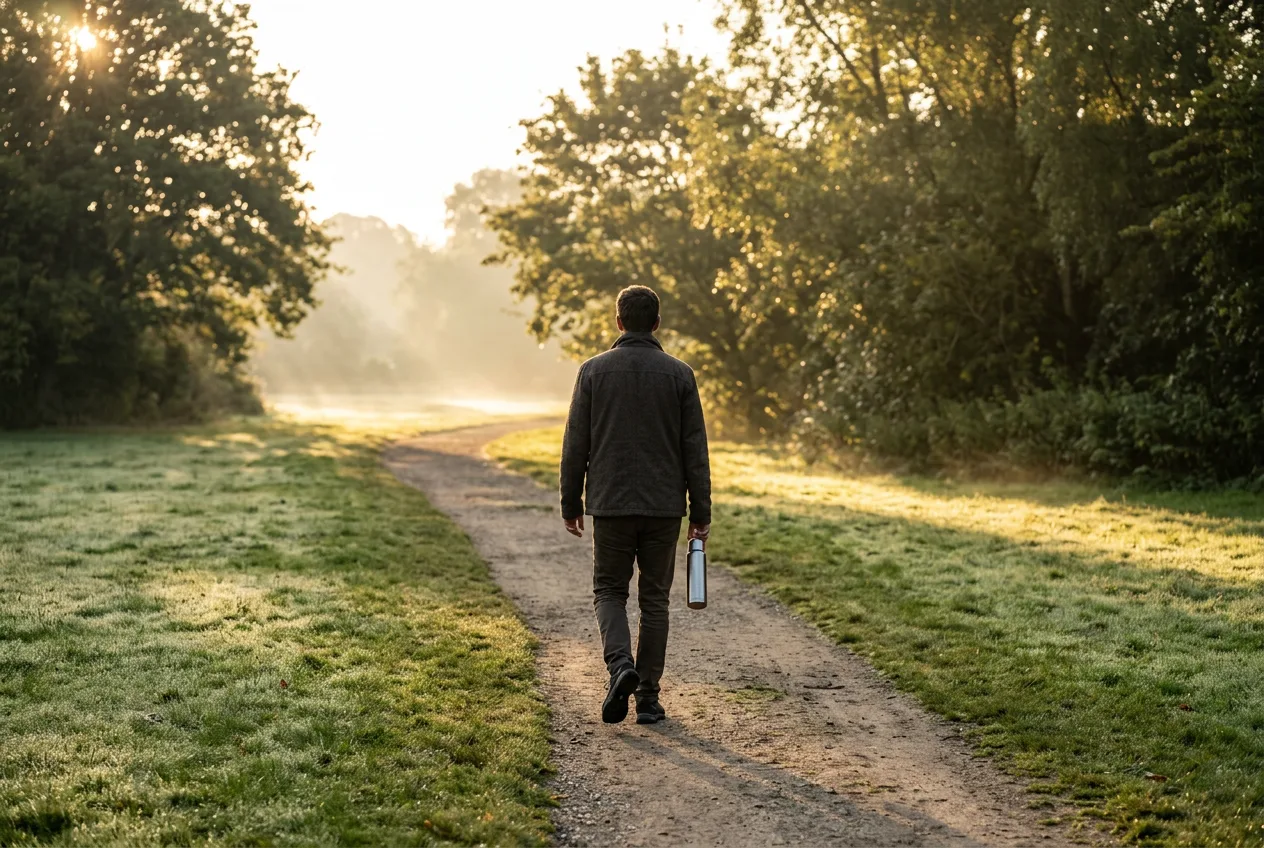
- Get up at the same timeA regular wake-up time steadies your body clock and makes mornings feel less groggy over time.
- Get daylight earlyNatural morning light helps set your internal clock and wakes you up naturally.
- Take a short walkMovement and fresh air clear your head and lift your mood.
- Eat a real breakfastEspecially if you used to use coffee to suppress hunger.
- Then have your coffeeEnjoy one good cup as a treat rather than as fuel.
A healthy routine doesn't need to be elaborate. Consistency beats an ambitious plan you'll drop in a week.
The idea is to build mornings that support your body, rather than using caffeine to cover up short sleep, poor meals or an overloaded schedule.
Caffeine beyond coffee
Many people underestimate their caffeine intake because they only count cups of coffee. Caffeine also turns up in:
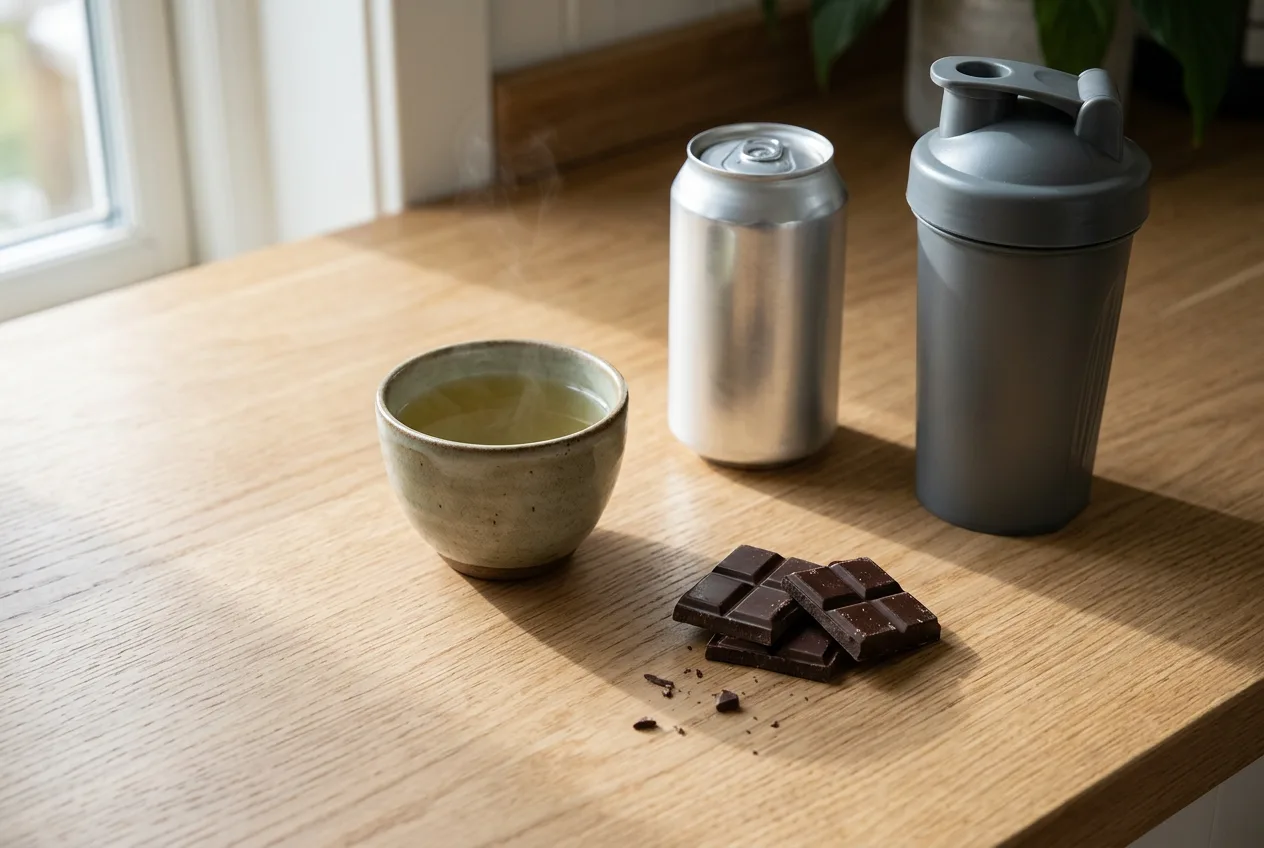
- Black and green tea
- Energy drinks
- Some soft drinks, especially colas
- Chocolate and chocolate desserts
- Some protein bars and energy products
- Certain over-the-counter medicines, such as some headache tablets
- Pre-workout supplements
Amounts vary a lot. Energy drinks and pre-workout products can contain large doses, while chocolate usually has only a little.
If you're cutting back, read labels and think about your total daily caffeine, not just coffee.
The US Food and Drug Administration generally cites 400 milligrams a day as an amount not usually linked to dangerous effects in healthy adults. That isn't a target. Plenty of people feel anxious on far less. Pregnant people, people on some medications and people with certain health conditions may need lower limits, or no caffeine, on medical advice.
Your coffee may be stronger than you think
One reason people overshoot without realizing is that "a cup of coffee" can mean wildly different amounts of caffeine.
A home cup made with a modest scoop might hold 80 mg. A large café filter coffee can hold 250 to 300 mg or more. Cold brew concentrate, depending on how it's diluted, can be very strong. A latte with a double shot usually lands somewhere around 120 to 150 mg.
| Drink | Typical caffeine range |
|---|---|
| Home drip coffee, 8 oz | 80–100 mg |
| Large café filter coffee, 16–20 oz | 200–330 mg |
| Single espresso | 60–75 mg |
| Latte or cappuccino with a double shot | 120–150 mg |
| Cold brew, 16 oz | 150–250 mg |
| Instant coffee, 8 oz | 60–80 mg |
The type of bean matters too. Robusta has roughly twice the caffeine of Arabica, and many cheap blends and instant coffees use a lot of Robusta. Dose matters most of all: more grounds per cup means more caffeine, whatever the roast.
So if you think "I only have two coffees," it's worth checking what size and what kind. Two large café coffees can add up to more than the 400 mg guideline on their own.
Our tip: At home, weigh your coffee for a week. Knowing you use, say, 20 grams per mug makes it much easier to cut back precisely, for example to 15 grams, or to blend in decaf at a known ratio.
Can coffee ever be good for your mood?
It would be unfair to paint caffeine only as a villain. For many people, moderate coffee drinking fits comfortably into a healthy, calm life.
Several large observational studies have linked moderate coffee drinking with a lower risk of depression. Caffeine can also lift mood and motivation in the short term, and the social side of coffee, meeting a friend or taking a proper break, has real value.
The catch is the dose-response curve. A little caffeine often feels good. More starts to feel edgy. A lot can feel genuinely unpleasant. Where those lines fall is very personal.
So the aim isn't zero caffeine for everyone. It's finding your own sweet spot, the amount that gives you the lift and the enjoyment without pushing you into restlessness, worry or bad sleep.
Other ways to feel alert without the jitters
When I cut back, the hardest part wasn't the taste. It was losing the quick fix for the afternoon slump. These are the things that actually helped me:
- A 10-minute walk outside. Daylight and movement wake me up almost as well as an espresso, without the edge.
- A glass of cold water. Mild dehydration feels a lot like tiredness.
- A proper lunch. A meal with protein and fiber avoids the crash that comes from a sugary snack.
- A short rest. If you can, a 15 to 20-minute nap does more for afternoon fatigue than another coffee.
- Changing tasks. Switching to something different for a while can refresh your focus.
- A green tea instead. If I really want something, it's gentler and has less caffeine.
None of these are as instant as caffeine. But they don't come with a racing heart or a restless night, and after a couple of weeks they become habits of their own.
Caffeine and panic
For people who get panic attacks, caffeine deserves extra care. A panic attack is a sudden surge of intense fear with strong physical symptoms: a pounding heart, shortness of breath, trembling, sweating and a feeling of losing control.
Several of those sensations overlap with what a large dose of caffeine does to the body. For someone prone to panic, noticing a racing heart after a big coffee can be enough to spark a spiral of worry about what the feeling means.
Research has found that people with panic disorder tend to be more sensitive to caffeine, and that high doses can provoke anxiety and panic symptoms in some of them. Many clinicians suggest people with panic disorder limit or avoid caffeine as part of a wider plan.
If this sounds familiar, it's worth talking to your doctor or therapist about caffeine specifically. Cutting it is easy to try, but it works best alongside proper treatment, not instead of it.
What happened when I cut back
I went from four or five strong coffees a day to one regular coffee in the morning, plus decaf when I'm testing in the afternoon. I used the half-and-half method over about six weeks.
The first two weeks were the hardest. I had a mild headache most afternoons and felt sluggish. Nothing dramatic, but noticeable.
By week four, things changed. I fell asleep more easily and stopped waking at 4 am. The impatient, always-rushing feeling eased off. I didn't become a different person, but I felt calmer and more in control of my day.
The surprise was how much more I enjoyed the one coffee I kept. Without the tolerance, a single good espresso actually wakes me up again, and I pay more attention to how it tastes.

I also noticed I reached for my phone less in the mornings, and that my patience with small annoyances, a slow queue, a delayed train, a machine that needed descaling, came back. Those are small things, but they add up to a noticeably calmer day. My family noticed before I did.
Your experience may be different. Some people feel no change at all when they cut back, which is useful information too: it means caffeine probably wasn't the issue.
Questioning the habit
One of the most useful things you can do for your wellbeing is to notice habits that have become automatic.
If you've had caffeine every morning for ten years, it can be hard to imagine a day without it. Coffee becomes part of your identity, your social life and the shape of your day.
We link coffee with productivity, relaxing, friendship and pleasure. Those associations make cutting back feel harder than it really is.
But a familiar habit isn't always a helpful one. Taking responsibility simply means looking at everyday choices and asking honestly whether they're helping.
That doesn't mean adopting extreme views or copying someone else's lifestyle. It means watching your own experience, considering possible causes and adjusting to what you need.
For some people, moderate coffee is perfectly compatible with good health and a calm life. For others, even one or two cups add to anxiety, poor sleep or discomfort. The right answer is personal.
And again: cutting caffeine is not a substitute for professional mental health care. If you have persistent anxiety, low mood or serious sleep problems, please speak to a qualified healthcare professional.
Key takeaways
- Caffeine masks tiredness. It blocks adenosine but doesn't remove your need for rest.
- It can mimic stress. Caffeine stimulates the nervous system and can add to anxiety, restlessness and difficulty relaxing.
- Timing matters. Caffeine lasts for hours, so afternoon coffee can hurt sleep, which feeds anxiety.
- Habits can take over. Coffee can become a dependence that shapes your mornings.
- Don't use it to skip meals. Caffeine on an empty stomach can cause jitters and stomach upset.
- Cut back gradually. Mixing regular coffee with decaf over a few weeks avoids most withdrawal.
- Look beyond coffee. Tea, energy drinks, soda, chocolate and supplements all add up.
- Get help when needed. Persistent anxiety deserves professional care, not just less coffee.
The real question isn't whether everyone should stop drinking coffee. It's whether the amount you drink is genuinely making your life better, or quietly adding to problems you could avoid.
Frequently asked questions
Can coffee cause anxiety?
It can contribute, especially in sensitive people or at high doses. Caffeine raises heart rate and stimulates the nervous system, which can feel like or worsen anxiety. It doesn't cause anxiety in everyone.
How much caffeine is too much if I have anxiety?
There's no single number. Many people with anxiety feel best well below the general 400 mg guideline, and some feel better with none. Track your symptoms and talk to your doctor.
How long does caffeine anxiety last?
Caffeine effects usually peak within an hour and fade over several hours, but its half-life means some stays in your system for much of the day.
Is decaf okay if I have anxiety?
For most people, yes. Decaf has about 2 to 15 mg of caffeine per cup, compared with 80 to 100 mg in regular coffee.
Should I quit coffee cold turkey?
Usually not. Stopping suddenly can cause headaches, fatigue and irritability. Reducing gradually, for example by mixing in decaf, is much easier.
Does coffee on an empty stomach make anxiety worse?
It can for some people. Without food, caffeine may feel stronger and cause jitters or stomach discomfort. Having coffee with or after breakfast often helps.
Is tea better than coffee for anxiety?
Tea usually has less caffeine, and it contains L-theanine, which many people find calming. Switching some cups to tea is an easy way to cut caffeine.
Will cutting caffeine cure my anxiety?
Not on its own. It can reduce symptoms that caffeine was adding to, but anxiety has many causes. Persistent anxiety should be discussed with a healthcare professional.

- Michael Reynolds, personal caffeine log while reducing intake
- Spilling the Beans: How Much Caffeine Is Too Much?, US Food and Drug Administration
- Caffeine, MedlinePlus, US National Library of Medicine
- Caffeine, Wikipedia
- Anxiety disorders, National Institute of Mental Health
- Caffeine: How much is too much?, Mayo Clinic
Related guides
How caffeine affects the brain Coffee and sleep How decaf coffee is madeWritten by Michael Reynolds. Last updated November 20, 2026.